

I still remember the smell of burnt metal and the sickening silence that followed a rhythmic clacking sound from under my hood. It was fifteen years ago, and I was convinced that if the car started in the morning, everything was fine. I ignored a small oil leak, thinking I would get to it next paycheck. That next paycheck never came because the engine gave up the ghost on the highway. It was a humiliating, expensive lesson in neglect. I learned the hard way that a car isn’t just a machine you use up and toss; it is a relationship you maintain. Today, my current daily driver is pushing 215,000 miles, and the engine purrs like it just rolled off the lot. I am going to show you exactly how to join the high-mileage club without spending a fortune at the car service shop every other week. It is not about luck; it is about a specific set of habits that most people overlook until it is too late. Have you ever felt like your vehicle was a ticking time bomb once it crossed the 100,000-mile mark? I want to know if you are currently nursing an older car or if you have ever had an engine give up on you prematurely.
Stop Treating Your Car Like a Disposable Appliance
Most people treat their vehicles like a toaster—they use it until it stops working and then buy a new one. But a car is the second biggest investment most of us make. I used to be that guy. I would wait until a light came on the dash before even thinking about auto repair. That mindset is exactly why most engines die before they hit 120,000 miles. To hit the big 200k, you have to move from being reactive to being proactive. This means staying ahead of the game with a proper tune up schedule rather than waiting for a breakdown. According to Consumer Reports, the average age of cars on American roads has reached a record high of 12.5 years, which proves that longevity is becoming the norm for those who pay attention. I once made the mistake of skipping a timing belt replacement because I wanted to buy a new guitar instead. Three months later, that belt snapped and destroyed my valves. It was a $2,500 guitar at that point.
Is 200,000 miles actually realistic for a modern car?
I get it. You are skeptical. You have heard that cars are not made like they used to be. While there is some truth to the complexity of modern electronics, the mechanical tolerances in today’s engines are actually tighter and better than ever. The secret is that modern engines are less forgiving of poor maintenance. You cannot just ignore the real cost of skipping your 100,000-mile major service and expect the car to survive. When you understand how to tell if your car needs a simple tune-up or a major repair, you save yourself from the predatory cycles of constant breakdowns. We are talking about small, consistent wins, like knowing how a clogged PCV valve leads to expensive oil leaks before your driveway is covered in spots. If you can master the why behind these systems, reaching that 200,000-mile milestone is not just a dream—it is an inevitability.
Keep Your Fluids From Turning Into Sludge
Most drivers think of oil changes as a chore, but they are actually the most effective life-extension surgery you can perform on your vehicle. Think of your car’s fluids like the blood in your body; when it gets thick and contaminated, the system begins to fail from the inside out. I once bought a used truck that had been sitting for three years, and the previous owner insisted the oil was fine because it had low mileage. When I pulled the drain plug, the oil didn’t pour—it plopped out like cold molasses. That engine only survived because I performed a full flush immediately. You need a solid car service checklist to track more than just the engine oil. Keep an eye on your brake reservoir, as well. If you ever wonder why your brake fluid looks like coffee creamer, you are seeing moisture contamination that will eventually rust your lines from the inside. Regular changes prevent microscopic grit from acting like sandpaper on your internal seals. 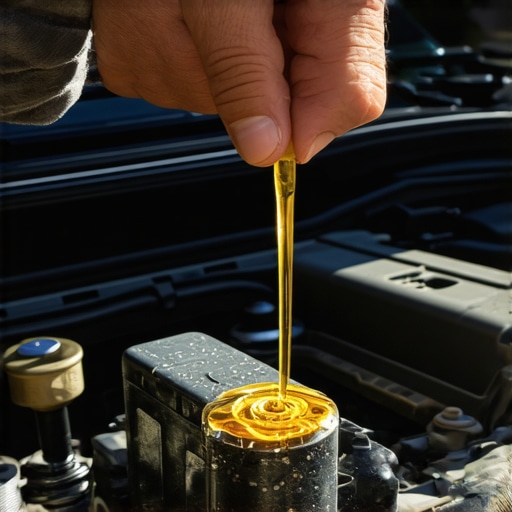
Small Tune Ups Save Your Engine From Early Retirement
Many people wait for a misfire or a dashboard light before they even think about their ignition system. This reactive approach is what leads to catalytic converter failure and ruined fuel economy. To truly maximize your cars lifespan with expert tune-up strategies, you have to be aggressive with air filters and spark plugs. I once tried to save forty dollars by cleaning an old air filter with a shop vac instead of replacing it. A week later, my car started gasping for air on a steep freeway on-ramp because the microscopic pores remained clogged despite my efforts. A fresh filter is essentially a new set of lungs for your engine. Staying ahead of these small items ensures the combustion process stays efficient, which reduces the internal stress that typically kills older engines.
Stop Your Brakes From Burning Up
When it comes time for car service involving your stopping power, the work isn’t finished just because the bolts are tight. I once made the mistake of slapping new pads onto my sedan and immediately heading down a steep mountain road. By the time I reached the bottom, I was engulfed in a cloud of acrid smoke. I quickly learned that the real reason your new brake pads are smoking is often the outgassing of resins during an improper break-in period. Taking the time to learn the proper way to break in new brake pads and rotors ensures a uniform transfer of friction material, which prevents the warping and vibrations that lead to more expensive repairs later.
Catch the Heat Before It Catches You
The cooling system is the silent killer of high-mileage vehicles. Over time, plastic radiator tanks and rubber hoses become brittle from thousands of heat cycles. You must learn how to spot a coolant leak before your temperature gauge spikes. If you wait for the red warning light on your dash, the damage is usually already done and your cylinder head is likely warped. I make it a habit to squeeze my radiator hoses every month; if they feel crunchy or overly soft, they are past their expiration date. It is a five-minute check that can save you from a five-thousand-dollar engine replacement.
The biggest lie the automotive industry ever told you was the concept of lifetime fluids. Manufacturers use this marketing term to lower the perceived cost of ownership during the first few years, but ask any transmission specialist, and they will tell you that lifetime usually means until the warranty expires. By the time you realize your transmission fluid is toasted, the mechanical damage is already irreversible. In my experience, replacing these so-called permanent fluids is the only way to maximize your cars lifespan with expert tune-up strategies. A study by AAA found that even under normal driving conditions, fluid additives deplete long before a vehicle reaches its high-mileage stage, leading to accelerated internal wear. It is a trap that lures you into a false sense of security while your gears are literally grinding themselves down.
Why Budget Spark Plugs Might Kill Your Fuel Economy
Then there is the issue of the budget fix. I have seen countless drivers buy the cheapest plugs available, only to wonder why your gas mileage dropped suddenly after a spark plug change. Modern engines utilize high-energy ignition systems that can actually burn out cheap copper or low-grade plugs in a fraction of the time they were meant to last. You are not saving forty dollars if you have to do the job twice and pay for the extra fuel in between. The truth about budget spark plugs and engine performance is that they often lack the precise heat range necessary for modern turbocharged or high-compression engines, leading to micro-misfires you might not even feel.
Does your car really need computer calibration after a simple brake job?
This is where things get complicated for modern car owners. If your vehicle is equipped with Lane-Keep Assist or Automatic Emergency Braking, even a routine alignment or certain types of suspension work might require a sensor reset. Most people assume if the steering wheel is straight, the job is finished. However, if your sensors are off by even a fraction of a degree, your safety systems could malfunction or provide ghost interventions. You have to ensure your car service checklist includes a verification of these electronic components. Knowing how to tell if your local mechanic actually has the tools for a proper ADAS calibration is a question you must ask before handing over your keys for any work involving the chassis or windshield.
Never ignore the subtle feedback your car gives you while idling at a red light. Many drivers overlook it when your car vibrates while you are sitting at a stoplight, assuming it is just a quirk of an older engine. Often, this is a sign that how a dirty mass airflow sensor can trigger a lean code error, which slowly starves your engine of the correct fuel-to-air ratio. This small imbalance increases combustion temperatures and puts unnecessary stress on your catalytic converter. Have you ever fallen into this trap of ignoring a small vibration until it became a major repair? Let me know in the comments below.
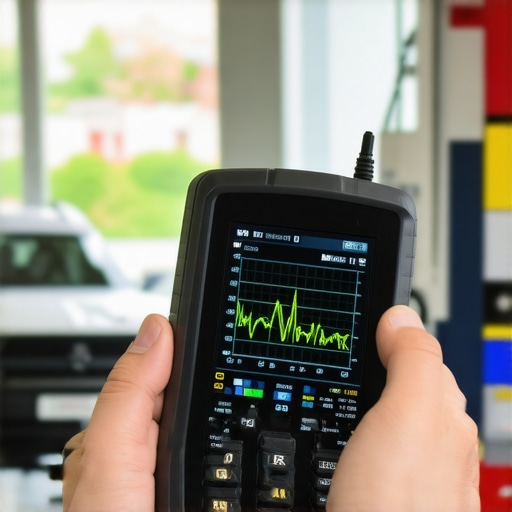
If you are serious about keeping a car for 200,000 miles or more, you have to stop guessing and start measuring. I will never forget the weekend I spent three hundred dollars on sensors only to find out the problem was a five-dollar cracked vacuum hose. That was the day I invested in a high-quality OBD2 scanner that supports live data graphing. It is not enough to know that a trouble code exists; you need to see exactly what the computer is seeing in real-time. By monitoring your fuel trims, you can see if your engine is working too hard to compensate for air leaks before they ever trigger a dashboard light. This level of insight is crucial for troubleshooting common auto repair issues before visiting the shop and saves you from being at the mercy of a service writer’s imagination.
Stop Chasing Electrical Shadows with a Multimeter
Most people are terrified of car electronics, but the secret to a long-lasting vehicle often lies in its grounding and charging system. A simple multimeter is the most underrated tool in your garage. I use mine to perform a voltage drop test on my battery cables at every oil change. If your ground wire has even a small amount of resistance, it can cause sensors to send faulty data, leading to poor performance and ruined fuel economy. Learning how to test your alternator with a simple multimeter at home can prevent a cascading failure where a weak battery kills your alternator, which in turn fries your starter. It is all about protecting the heart of the system. 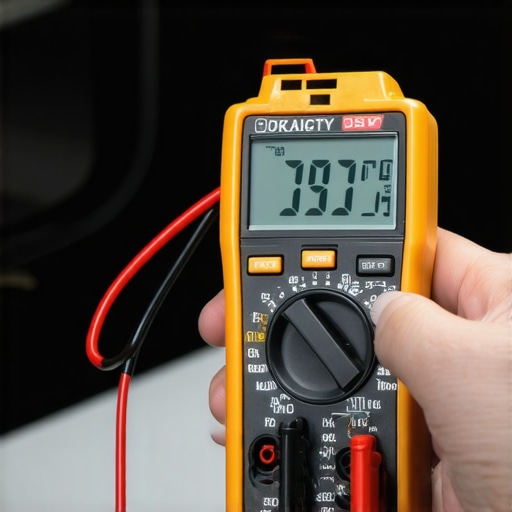
Build a Brake System That Actually Lasts
When it comes to your stopping power, the work goes far beyond just swapping pads. Most people fall for common brake service myths that suggest pads are the only component that matters. In reality, the caliper slides and hardware are the real heroes. I make it a point to use high-temperature silicone paste on my slide pins every spring because seized pins are what lead to uneven wear and warped rotors. Taking a deep dive into understanding brake system repairs allows you to identify when a professional needs to step in for a full hydraulic flush. I have found that the secret to making your brake pads last twice as long is keeping the entire assembly moving freely, reducing the friction-induced heat that kills brake components prematurely.
How do I maintain my diagnostic skills over time?
As vehicle technology evolves, staying sharp means looking beyond the wrenches. I recommend spending an hour a month reading technical service bulletins (TSBs) for your specific make and model. This keeps you ahead of known failure points that the manufacturer might not publicize. Looking forward, auto repair trends to watch in 2025 suggest a shift toward more complex telematics and software-driven maintenance. According to the SAE International J1979 standard, which dictates how diagnostic tools talk to your car, monitoring your ‘readiness monitors’ is the only way to ensure your car is truly healthy enough for the long haul. Understanding how regular tune-ups improve fuel efficiency and safety is no longer just about spark plugs; it is about keeping the software and hardware in perfect harmony. My advice? Go out to your car this weekend and check your long-term fuel trims with a basic scanner. If they are drifting higher than ten percent, you have a vacuum leak waiting to drain your wallet.
Hardest Lessons I Learned on the Road to 200k
Looking back at my fifteen years of car ownership, the most profound realization I had was that mechanical empathy is a real skill you can develop. It is not just about turning a wrench; it is about feeling the subtle changes in how the steering wheel resists or hearing the tiny change in pitch from the fuel pump. One major lightbulb moment was realizing that ‘preventative’ actually means ‘before it breaks.’ Most people think they are doing preventative maintenance when they fix a squeaking belt, but true longevity comes from replacing that belt years before it ever makes a sound. I also learned that keeping a detailed logbook is better than any warranty; when you can see the history of every car service, you stop guessing and start knowing exactly what your machine needs. #IMAGE_PLACEHOLDER_E#
Gear That Belongs in Your Diagnostic Arsenal
If you want to move beyond being a passive owner, you need to arm yourself with a few specific items that I personally trust. First, get a high-quality Bluetooth OBD2 scanner; it allows you to perform troubleshooting common auto repair issues before visiting the shop, saving you from unnecessary diagnostic fees. Second, a digital multimeter is non-negotiable for anyone who wants to avoid electrical headaches. I also highly recommend looking for the specific factory service manuals for your vehicle over the generic ones; the level of detail is night and day. Finally, spend time on forums dedicated specifically to your vehicle’s make and model to separate fact from brake service myths that might be circulating in general circles.
Take Charge of Your Automotive Future Today
You do not need to be a professional mechanic to hit that 200,000-mile milestone, but you do need to be an advocate for your vehicle. By prioritizing a regular tune up and gaining a deeper understanding brake system repairs, you are protecting your second largest investment and ensuring your family’s safety. Every mile past 100,000 is a victory, and with the right habits, those victories can continue for years to come. Your car has taken care of you; now it is time to return the favor. Have you ever had a specific maintenance task that completely changed how your car felt to drive? Let me know in the comments below!