
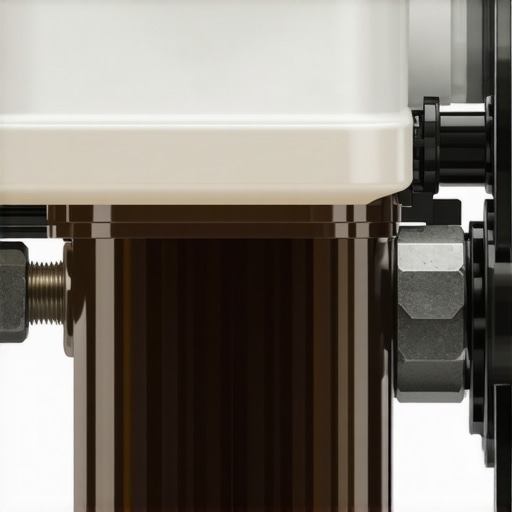
I was sitting at a long red light on a rainy Tuesday evening when my heart skipped a beat. My foot was steady on the brake, but I felt the pedal slowly, almost shyly, creeping toward the floorboard. I pumped it once. It came back. I pumped it again. I checked my rearview mirror, terrified the car behind me wouldn’t notice if I started rolling. There were no puddles on the driveway that morning, and my dashboard wasn’t screaming at me with a warning light. This was my first encounter with a master cylinder failing internally, and it was a masterclass in automotive gaslighting. You think everything is fine because the reservoir is full, but your stopping power is quietly vanishing through an internal bypass.
That Sinking Feeling at the Stoplight
When we think about brake failure, we usually imagine a dramatic burst hose or a puddle of oily fluid under the tire. But an internal failure is a different beast altogether. It happens when the internal rubber seals—the ones responsible for holding pressure—begin to perish or flip. Instead of pushing fluid to your calipers to stop the car, the fluid simply loops back behind the seal inside the cylinder. It is a closed-circuit failure. I remember once wasting an entire Saturday replacing calipers because I was convinced they were sticking, ignoring the the fix for a soft brake pedal that mechanics keep missing which was staring me right in the face. I’ve learned the hard way that a firm pedal is the only thing standing between you and a very expensive fender bender. Today, I want to show you how to diagnose this ghost in the machine so you don’t make the same expensive mistakes I did.
Does a Soft Pedal Always Mean a Massive Bill?
It is the question everyone asks when they feel that sponginess. Is my car a death trap, or did I just get some air in the lines? While it is true that understanding brake system repairs can feel overwhelming, an internal master cylinder leak is often the culprit when your fluid levels remain steady but your confidence in stopping does not. Have you ever felt your car slowly creep forward while you’re sure your foot is firmly on the brake? If so, tell me about it in the comments; I’ve felt that panic, and it’s a lonely place to be when you’re in traffic.
Spotting the Internal Leak When Nothing Is Dripping
The trickiest part about this failure is the lack of physical evidence. Since the fluid isn’t escaping the system, your driveway stays clean. However, you should take a look at the fluid itself. If your brake fluid looks like coffee creamer or has dark, murky swirls, those are likely tiny bits of the internal seals disintegrating. According to the National Highway Traffic Safety Administration (NHTSA), brake-related issues are the most frequent vehicle-related factor in crashes, appearing in roughly 22% of incidents where a vehicle component failed. Ignoring a sinking pedal is not just an inconvenience; it’s a gamble. I used to think I could just ‘pump the brakes’ to get by, but that is a temporary fix for a terminal problem. If you’re questioning your car’s health, it might be time for a car service checklist to rule out the simple stuff before diving into the master cylinder. We are going to walk through the exact ‘hold-and-wait’ test I use to prove a cylinder is dying without ever turning a wrench.
To diagnose a master cylinder that is failing internally, you have to force the hydraulic fluid to expose its own “bypass” route. Think of the master cylinder as a syringe. If the rubber plunger inside is torn, the fluid won’t get pushed out of the needle; it will just squirt backward around the rubber seal. This is exactly the reason your brake pedal goes all the way to the floor in traffic even when your lines are bone dry.
Force the System to Reveal Its Weakness
The first thing I do is the ‘Static Pressure Test’ with the engine off. Without the vacuum booster assisting you, the pedal should be rock hard. Pump the brakes three or four times until the pedal is high and stiff, then hold it with constant, heavy pressure for at least sixty seconds. If that pedal starts to move—even a millimeter—you have found your ghost. Since there are no external leaks and the engine is off (ruling out a booster issue), that fluid is definitely sneaking past the internal cups. It is one of those troubleshooting common auto repair issues before visiting the shop moments that can save you a $150 diagnostic fee.
#IMAGE_PLACE_HOLDER_B#
Watch for the Slow Creep
If the static test is inconclusive, start the car. The vacuum assist makes the failure much more obvious because it applies more force than your leg can alone. I remember a particularly frustrating Sunday working on a neighbor’s sedan where the pedal felt fine during a quick block-around-the-car test. It wasn’t until I sat in the driveway for two full minutes with the brake applied that the pedal finally gave way and sank. We often fall for brake service myths what you need to know before your next stop, like thinking it’s just ‘old fluid’ or ‘air in the lines,’ but air is bouncy. A failing master cylinder is a slow, methodical sink.
Bench Bleeding is Your Only Shortcut
When you finally accept that the cylinder is toast, the replacement process has one non-negotiable step: bench bleeding. You cannot just bolt the new unit on and expect to bleed the air out at the wheels. I learned this the hard way on an old Chevy truck. I spent three hours and two quarts of fluid trying to get a firm pedal, only to realize I had trapped a massive air pocket in the rear circuit of the master cylinder itself. You have to loop short hoses from the exit ports back into the reservoir and pump the piston by hand until every single bubble is gone.
Identify if it is a Simple Fix or a Total Swap
Before you tear the whole dashboard apart, you need to know how to tell if your car needs a simple tune up or a major repair. If your fluid is black or has ‘floaties,’ those are bits of your seals. Once those seals have disintegrated, there is no ‘additive’ or ‘tune-up’ that will fix it. You are looking at a full replacement. Once the new part is in, remember the proper way to break in new brake pads and rotors to ensure your entire system is working in harmony. A new master cylinder provides a lot more pressure than a failing one, and you don’t want to glaze your pads on the first test drive.
Most people assume that if a brake pedal feels weird, they just need to pump some fresh fluid through the lines. However, here is where I disagree with the ‘maintenance-fixes-everything’ crowd: on an older vehicle, a late-life fluid flush can actually be the final nail in the coffin for your master cylinder. If you have let your car go so long that your brake fluid looks like coffee creamer, the internal seals are likely held together by grit and microscopic sludge. Fresh, high-detergent fluid can scrub away that protective grime, exposing pitted metal and causing an immediate internal leak. It is one of those brake service myths what you need to know before your next stop—sometimes, the damage is already done, and ‘maintenance’ becomes ‘replacement’ real fast.
Stop Shoving the Pedal to the Floor
The most common ‘oops’ moment I see happens during the actual repair. When you are bleeding the brakes manually, most people instinctively shove the pedal all the way to the carpet. Stop right there. In an older master cylinder, the piston normally only travels through the first half of the bore. The far end of the bore is often corroded or filled with sediment from years of neglect. By pushing the pedal to the floor, you are forcing delicate rubber seals over a surface that feels like coarse sandpaper. You can destroy a perfectly good (or newly installed) cylinder in seconds this way. Use a block of wood under the pedal to limit travel to about 75%. Have you ever fallen into this trap and wondered why your ‘fix’ made things worse? Let me know in the comments; it’s a mistake that even seasoned driveway mechanics make once.
Why does the pedal feel firm until I actually stop?
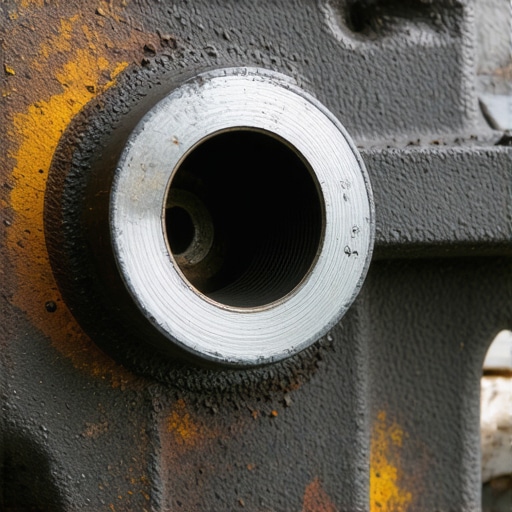
This is what pros call the ‘Low-Flow Bypass’ phenomenon. When you hit the brakes hard, the sudden hydraulic pressure can sometimes force a worn seal to flare out and seal the leak temporarily. But when you are sitting at a red light with light, steady pressure, the fluid has time to sneak through the microscopic gaps. According to technical bulletins from Bendix, even a microscopic score in the cylinder bore—often caused by moisture-induced corrosion—can prevent a seal from holding static pressure. This is why the ultimate car service guide emphasizes regular fluid testing. If your fluid is over 3% water, you aren’t just losing boiling point; you are actively sandpapering your master cylinder from the inside out.
With modern vehicles, it is not just about the hardware anymore. You also have to consider how to tell if your local mechanic actually has the tools for a proper ADAS calibration, because many modern emergency braking systems rely on precise master cylinder feedback to function correctly. If you’re still troubleshooting, don’t forget that the reason your brake pedal feels different after a tire change or other work might be unrelated to the cylinder itself. But if you have done the hold-and-wait test and it fails, do not bargain with it. A failing master cylinder doesn’t get better with age. It is a clear case of how to tell if your car needs a simple tune up or a major repair. Stay safe out there and keep that pressure where it belongs: in the lines, not looping back into the reservoir.
I have spent years using the traditional ‘two-person pump and scream’ method for bleeding brakes, but it is the fastest way to annoy your spouse and potentially damage your car. If you want to scale your home garage and avoid those brake service myths what you need to know before your next stop, you need a pressure bleeder. I personally swear by the Motive Products Power Bleeder because it forces fluid downward through the system, mimicking the exact path of natural hydraulic flow. Unlike vacuum bleeders that often suck air in through the bleeder screw threads—giving you a false sense of air in the lines—a pressure bleeder ensures that every ounce of fluid is pushed through the system without contamination. It is one of those expert tune-up strategies that moves you away from guesswork and into precision repair.
Stop Fighting Your Brakes and Use Pressure Instead
According to technical documentation from SAE International, brake fluid can absorb enough water to lower its boiling point by as much as 100°F within just two years of service. This moisture does not just lower the boiling point; it actively corrodes the internal bore of your master cylinder. This is why regular tune-ups improve safety by preventing that internal pitting before it starts. I have seen master cylinders fail at 50,000 miles simply because the owner ignored the two-year flush interval. When you are looking at your car service checklist, the brake fluid condition should be right at the top, alongside your engine oil.
How do I keep my car’s hydraulic system healthy for the long haul?
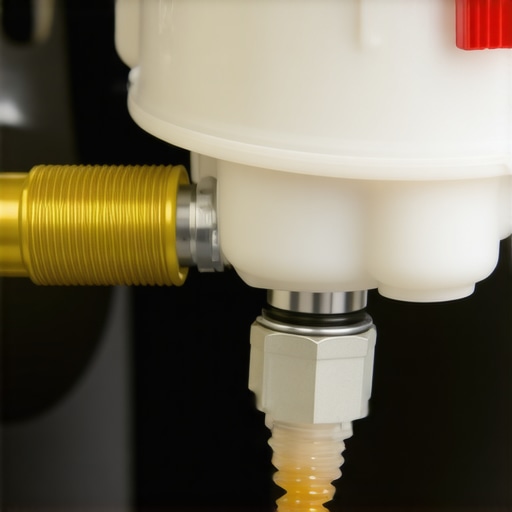
Maintenance is more than just swapping parts when they break. To keep your system healthy, you need to check the vacuum integrity of your brake booster. I use a handheld Mityvac vacuum pump to test the booster’s check valve every time I change my oil. If that tiny plastic valve becomes brittle or clogged, your master cylinder will experience erratic pressure, which mimics the feeling of an internal leak. Integrating this into the ultimate car service guide routine prevents the sudden panic of a hard pedal in an emergency. If your booster is holding vacuum but the pedal still sinks, you have confirmed the master cylinder is the culprit through a process of elimination.
Why Your Next Brake Job Might Feel Like a Software Update
Looking ahead, auto repair trends in 2025 are shifting toward ‘brake-by-wire’ systems. In these setups, your master cylinder acts more like a digital sensor for the computer than a direct hydraulic link to the wheels. While this adds a layer of complexity, the mechanical fundamentals I have discussed here still apply. Even in a digital world, the physical seals must hold pressure. Before you head to the shop, try this advanced tip: when flushing your system, use a different color of DOT 4 fluid. Most performance fluids come in slightly different shades of amber. When the color changes at the bleeder screw, you know for a fact that 100% of the old, contaminated fluid is gone. Try this on your next service and see just how much ‘coffee’ was actually hiding in your lines.
Hard-Won Secrets from the Service Bay
After decades of wrenching, the most valuable thing I’ve learned is that your car speaks to you in whispers long before it shouts. An internal master cylinder leak is the ultimate whisper. One mistake I see people make constantly is confusing a failing cylinder with bad pads. While knowing the secret to making your brake pads last twice as long is vital for your wallet, no set of pads will fix a hydraulic bypass. Another hard truth: if you’ve already felt the pedal sink once, it will happen again, likely when you’re coming down a steep grade or into a busy intersection. Don’t let your ego tell you that you can ‘manage’ the leak by pumping the pedal; that is a dangerous game of chance. I’ve seen far too many DIYers ignore these signs until they are forced into a much more expensive brake service that could have been avoided with early detection.
The Gear That Saved My Sanity and My Brakes
If you are serious about taking your tune up for peak performance to the next level, you need more than just a standard wrench. I swear by the Motive Power Bleeder—it’s the difference between a spongey pedal and a rock-hard stop. I also keep a simple digital moisture tester in my pocket; it’s a tiny investment that prevents thousand-dollar repairs by catching contaminated fluid before it pits your cylinder walls. These are the expert tune-up strategies that separate the pros from the parts-changers. Finally, always keep a dedicated ‘bench bleeding kit’ on hand; reusing old, dirty hoses during a master cylinder swap is the fastest way to ruin your new hardware with debris.
#IMAGE_PLACEHOLDER_E#
Regain the Confidence to Stop on a Dime
Brake systems don’t have to be a mystery. By understanding the mechanics of hydraulic pressure and avoiding the real cost of skipping your 100000 mile major service, you take back control of your vehicle’s safety. There is a specific kind of peace that comes with knowing every time you press that pedal, the car will react exactly how you expect. Whether you are following a car service checklist or performing a total master cylinder overhaul, you are doing more than just auto repair; you are protecting yourself and your family. Have you ever had a brake pedal sink on you in the middle of a busy intersection? Let me know your story in the comments—I’d love to hear how you handled the situation.