
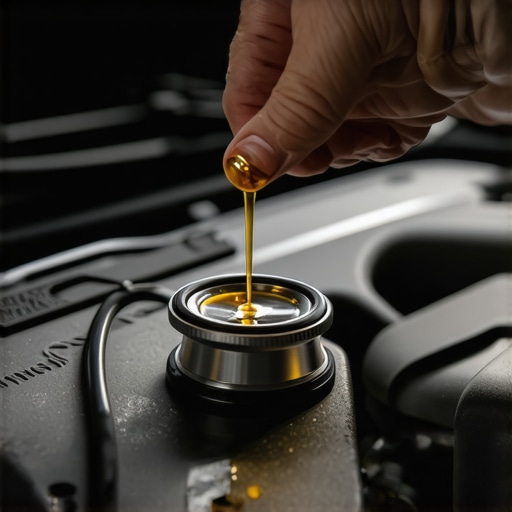
I’ll never forget the freezing Tuesday morning I started my old high-mileage sedan and heard that rhythmic, metallic tick-tick-tick echoing off the garage walls. It sounded like a frantic typewriter was trapped under my valve cover. My heart sank. I immediately began tallying the cost of a full engine teardown in my head, convinced that a mechanical failure was about to drain my savings. Most mechanics will tell you that once a lifter starts talking, it’s time for a massive bill, but I’ve learned—often through painful trial and error—that you don’t always need to pull the heads to get your peace and quiet back. That sound is a cry for help, sure, but it’s usually a plea for better lubrication, not a death sentence for your camshaft. Today, I’m going to show you how to silence that racket using simple, top-side methods that keep your hands relatively clean and your wallet full.
Stop the Ticking Before It Stops Your Engine
If you have ever stood over a hot hood wondering why your [diesel engine sounds like a bag of hammers](https://glassfixauto.com/why-your-diesel-engine-sounds-like-a-bag-of-hammers-on-cold-starts), you know how stressful engine noise can be. Hydraulic lifters are tiny, incredibly precise components that rely on consistent oil pressure to keep your valves moving smoothly. When they get clogged with varnish or carbon, they “bleed down,” leaving a small gap that creates that annoying clicking. I once made the massive mistake of ignoring this sound for months, assuming it was just “engine character,” only to find out that [regular tune-ups improve fuel efficiency](https://glassfixauto.com/how-regular-tune-ups-improve-fuel-efficiency-and-safety) and could have prevented the sludge buildup in the first place. I spent nearly a thousand dollars on a repair that a simple oil system flush might have solved if I’d acted sooner. This is a common hurdle in [auto repair](https://glassfixauto.com/troubleshooting-common-auto-repair-issues-before-visiting-the-shop), but we are going to tackle it the smart way.
Is a Chemical Flush Actually Worth the Risk?
You see those bottles on the auto parts store shelf promising a “mechanic in a can,” and it’s natural to be skeptical. Is it just snake oil? According to a study by SAE International, modern detergent-based engine oil additives can effectively dissolve carbon deposits that restrict oil flow in high-tolerance components like lifters without damaging internal seals. It’s not magic; it’s chemistry. When you understand [the truth about 10,000 mile oil change intervals](https://glassfixauto.com/the-truth-about-10000-mile-oil-change-intervals-2), you realize that even high-quality synthetic oil can leave behind microscopic debris that jams a lifter’s internal check valve. We aren’t just masking the noise; we are cleaning the pathway so the part can do its job.
Keep Your Engine Quiet and Your Wallet Closed
The goal here is to [maximize your car’s lifespan with expert tune-up strategies](https://glassfixauto.com/maximize-your-cars-lifespan-with-expert-tune-up-strategies) rather than jumping straight to the most expensive solution. We are going to look at varying your oil viscosity, using high-detergent flushes, and the proper way to run an engine through a cleaning cycle without causing more harm. Have you ever been told you needed a major engine overhaul only to find out a simple maintenance trick fixed the problem? I’d love to hear your story in the comments. Before we grab the wrenches, let’s look at the three most effective ways to clear those oil passages and restore that smooth, factory-quiet idle you’ve been missing.
Clean Out the Sludge with a Detergent Flush
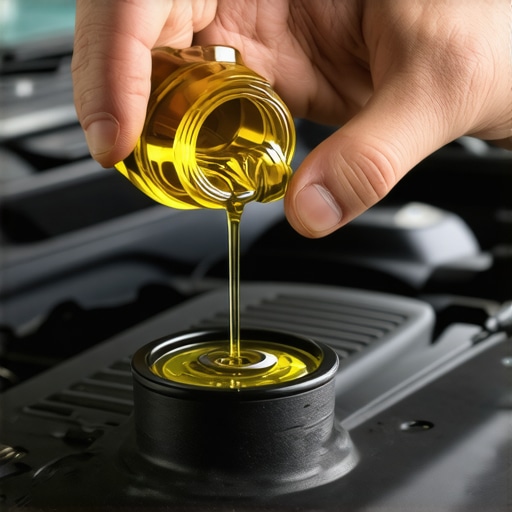
I remember working on a high-mileage SUV where the ticking was so loud I could hear it over the radio at stoplights. Instead of pulling the valve cover, I grabbed a high-detergent engine flush. You pour this directly into your existing oil—which is likely dirty anyway—and let the engine idle for about 15 to 20 minutes. Don’t drive it yet; the cleaner thins the oil significantly, and you don’t want to put the engine under load. This process acts like a pressure washer for those tiny lifter passages, breaking down the carbon varnish that glues the internals shut. When I drained that oil, it looked like black molasses, but the silence afterward was golden. This is a core part of the ultimate car service guide for anyone trying to revive an older block without spending a fortune.
Choose Your Oil Additive Wisely
Not all additives are equal. Look for products specifically labeled as detergent-based rather than stop-leak. Stop-leak products often contain swelling agents that can ruin seals elsewhere, leading to bigger troubleshooting common auto repair issues later on. If you’ve been following the truth about 10,000 mile oil change intervals, you might have more buildup than you realize. A good detergent will safely liquefy carbon so it can be trapped by the filter. This is one of the most essential maintenance tips for high-mileage engines that most shops won’t bother telling you about.
Pick the Right Oil Weight to Fill Those Gaps
Sometimes the noise isn’t just dirt; it’s wear. As engines age, the tolerances between parts grow. If your oil is too thin, it escapes the lifter before it can build enough pressure to open the valve fully. I’ve found that bumping up your oil weight—say, from a 5W-20 to a 5W-30—can provide just enough extra body to keep the lifters quiet. This is the secret to getting 200,000 miles out of your original engine. You aren’t fixing the physical wear, but you are compensating for it. However, avoid going too thick in winter or you’ll starve the top end of oil during cold starts. It’s a delicate balance that helps maximize your car’s lifespan and keeps your valvetrain healthy.
Drive It Like You Mean It After the Flush
After you’ve done the flush and filled the engine with fresh oil and a new filter, you need to prime those lifters. Don’t just let it sit in the driveway. Take it on a twenty-minute highway run. The increased oil pressure at higher RPMs forces the new, clean oil into the tiny check valves within the lifters. I’ve had cars that still ticked slightly right after the oil change, only to go completely silent after a brisk drive. This is how regular tune-ups improve fuel efficiency; when your valves open fully and on time, your combustion cycle is far more efficient and your engine runs significantly cooler.
I see it in every car forum: someone complains about a tick, and ten people immediately reply, “Just throw in some 20W-50 and call it a day.” In my experience, this is one of the most dangerous myths in the world of DIY auto repair. While thicker oil might muffle the sound by providing a heavier cushion, it often fails to reach the very components that need lubrication most. Modern engines are built with incredibly tight tolerances. If you use oil that is too thick, you are essentially trying to force syrup through a needle. This can starve the top end of the engine, leading to the kind of troubleshooting common auto repair issues that involve replacing a flattened camshaft rather than just a sticky lifter.
Don’t Fall for the Thick Oil Trap
The real nuance lies in identifying if your noise is caused by debris or by oil aeration. According to the experts at Machinery Lubrication, excessive detergent concentrations or a slightly high oil level can actually cause the oil to foam. When your oil foams, the hydraulic lifters are essentially trying to operate on air bubbles. Since air is compressible and oil is not, the lifter collapses slightly, creating that rhythmic metallic slap. I once spent three days chasing a “bad lifter” only to realize the owner had overfilled the crankcase by a quart. This is why following a precise car service checklist is more important than any magic additive you can buy. Have you ever fallen into this trap and spent money on parts you didn’t need? Let me know in the comments.

Why does my lifter only tick when the engine is hot?
This is a sophisticated question that often baffles beginners. When oil is cold, it’s thicker and holds pressure better. As it heats up and thins out, a worn lifter or a weak oil pump might struggle to maintain the internal pressure needed to stay “pumped up.” If you find yourself in this situation, don’t just ignore it. It’s a sign that your engine’s internal clearances are growing, much like how the real reason your engine pings often relates to heat and pressure imbalances. It is a signal to refine your expert tune-up strategies by perhaps switching to a high-mileage synthetic that contains seal conditioners to help maintain that internal pressure.
Avoid the Double Additive Disaster
The biggest “oops” factor I see involves “stacking” additives. I’ve seen enthusiasts pour a flush, a friction modifier, and a stop-leak all into the same oil change. Chemistry is balanced carefully by oil manufacturers, and throwing too many chemicals into the mix can lead to a localized acidic reaction or, worse, a gelatinous sludge that blocks the oil pickup tube entirely. If you’re worried about your valvetrain, stick to one proven method at a time. It’s the same logic I use when I explain the fix for a soft brake pedal that mechanics keep missing; you have to isolate the variable. Start with a clean flush, then move to a slightly different oil weight if needed. This systematic approach is how you actually tune up your car for peak performance without creating a chemistry project under your hood that might eventually cost you a motor.
To truly isolate those variables like a pro, you need to graduate from guessing to measuring. For years, I relied on my ears and a cheap code reader, but my entire approach to auto repair changed when I invested in a bi-directional scan tool. This isn’t just a device that tells you why your check engine light is on; it allows you to actually command the engine’s computer to perform specific tasks. If you suspect a lifter is sticking because of a fuel trim issue or a specific solenoid failure, you can trigger those components manually to see how the engine reacts. This level of precision is how you maximize your car’s lifespan with expert tune-up strategies because you are no longer throwing parts at a problem. I personally use a Midtronics battery tester as well, because clean power is the foundation of a quiet engine; a struggling alternator can actually cause electrical interference that messes with your fuel injectors’ timing, mimicking a mechanical tick.
The Digital Eye in Your Toolbox
When you are tuning up your car for peak performance, you need to see what the ECU sees. According to technical documentation from Mitchell 1, even a 5% deviation in long-term fuel trim can indicate a vacuum leak that thins out your air-fuel mixture, causing the engine to run hotter and making oil thinner than it should be. By monitoring live data, I caught a failing mass air flow sensor on my truck before it ever threw a code. This proactive stance is a cornerstone of the ultimate car service guide for enthusiasts. It’s about catching the ‘pre-symptoms’ before they turn into the metallic clatter that keeps you up at night.

How do I keep my engine this quiet over the long haul?
Consistency is the only real secret. Once you have silenced a noisy valvetrain, you cannot go back to being lazy with your car service checklist. I recommend switching to a high-quality magnetic drain plug. It sounds like a small thing, but being able to see microscopic metal shavings during every oil change gives you an early warning system for internal wear. Furthermore, don’t ignore the rest of the car while you’re focused on the engine. If your brake pedal feels soft or you need to understand brake system repairs to ensure your stop is as smooth as your start, address those immediately. A well-maintained car is a holistic system where the health of the transmission and brakes directly impacts how hard the engine has to work.
The Future of Home Garage Diagnostics
Looking ahead, I see auto repair moving toward integrated telematics. We are already seeing cars that can email you a health report before you even notice a shudder at idle. In the next few years, I expect DIYers will have access to predictive AI tools that analyze engine harmonics through a smartphone app to tell you exactly which lifter is failing. Until then, stay ahead of the curve by reviewing auto repair trends to watch in 2025. I challenge you this weekend to go beyond just checking your oil; plug in a scanner, look at your live data, and see what your engine is actually trying to tell you. It’s the difference between being a parts-changer and a true master of your machine.
The Expensive Lessons That Saved My Next Engine
If there is one thing I have learned after decades under the hood, it is that noise is relative, but damage is absolute. I once spent an entire weekend tear-down thinking I had a failed camshaft, only to realize I had a slightly loose spark plug creating a rhythmic puffing sound that mimicked a lifter tick perfectly. This taught me to always isolate the variable before spending a dime on parts. Another hard-won truth is that high-quality synthetic oil isn’t just a luxury; it is a cleaning agent. Many people wait until they hear a noise to care about their oil, but by then, the varnish is already baked on. I also learned the hard way that if your engine oil level is increasing on the dipstick, you likely have fuel dilution that is thinning your oil and causing that very tick you are trying to fix. Check your fluid levels and consistency before you assume a mechanical failure.
#IMAGE_PLACEHOLDER_E#
Gear I Use to Keep My Driveway Quiet
You do not need a shop full of industrial equipment to handle auto repair like a pro, but you do need a few specific items that provide ‘eyes and ears’ where you cannot reach. I never start a diagnostic without my mechanic’s stethoscope; it allows you to touch the valve cover directly and hear if the tick is coming from the front or back of the head. For chemical intervention, I personally trust Liqui Moly Hydraulic Lifter Additive because it is designed to increase the lubricating film without drastically changing the oil’s overall chemistry. I also keep a printed copy of my own car service checklist hanging by my toolbox. It reminds me to check the simple things—like vacuum lines and exhaust manifold bolts—before I go chasing internal engine gremlins. Finally, a decent infrared thermometer can tell you if one cylinder is running hotter than the rest, which often points to the specific valve train issue you are hearing.
Stop Fearing the Ticking and Start Fixing
The most important tool in your garage is not a wrench, it is your own willingness to investigate. Most modern engines are incredibly resilient, and a little bit of noise is often just a signal that it is time to refine your expert tune-up strategies. You do not have to be a master mechanic to perform a successful engine flush or to monitor your oil health; you just have to be consistent. By taking these top-side steps, you are not just saving money today—you are ensuring that your vehicle remains a reliable part of your life for years to come. Remember that a quiet engine is a happy engine, and a happy engine starts with the owner who pays attention to the small details. When you tune up your car for peak performance, you are taking back control of your commute. Have you ever tried an engine flush that actually worked, or did it take a mechanical fix to finally get that silence you were looking for? Let me know your experience in the comments below!