
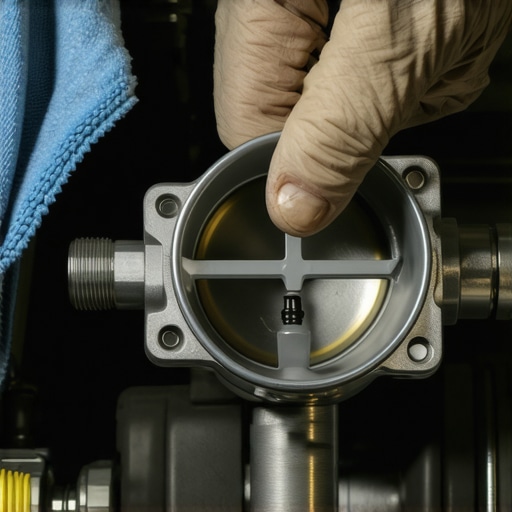
I remember pulling out into heavy traffic in my old truck and mashing the pedal, only to have the engine hesitate for a terrifying two seconds before finally deciding to move. It felt like the car was stopping to think about it. My heart dropped into my stomach because I immediately started calculating the cost of a new transmission or a failed engine. That is the thing about a dirty throttle body; it mimics expensive problems so well that it scares you into thinking your car is toast. It turns out, my broken car just needed twenty minutes of my time and a ten-dollar can of specialized cleaner. Most of us are quick to start troubleshooting common auto repair issues before visiting the shop, but we often overlook the simplest component that literally lets the engine breathe.
Stop the Hesitation and Bring Back the Power
When you press the gas pedal, you are not actually asking for more fuel; you are asking for more air. The throttle body is the gatekeeper of that air. Over time, oil vapors and road dust create a sticky, black sludge that coats the butterfly valve and the bore. This gunk creates physical resistance. Instead of the valve snapping open smoothly, it sticks. That stickiness is exactly why your car jerks when you lift off the gas or hesitates when you step on it. You do not need to be a master mechanic to maximize your cars lifespan with expert tune-up strategies, but you do need to know when a component is screaming for a quick scrub. I have seen folks spend hundreds on sensors when all they really needed was a clean intake.
Can a Simple Cleaning Really Replace a Mechanic Visit?
I know what you are thinking because I thought it too: Is this just a placebo fix for people who like to tinker? The short answer is no. According to the automotive experts at ASE (Automotive Service Excellence), even a microscopic layer of carbon buildup can disrupt the idle air control’s ability to maintain a steady RPM, leading to stalls and poor fuel economy. Have you ever faced that specific moment where your car felt like it was wading through molasses? I certainly have. Early in my DIY journey, I made the mistake of using a generic degreaser and a wire brush on a coated throttle body. I scratched the sensitive internal lining, and the car never idled right again. To truly tune up your car for peak performance, you have to use the right tools and a gentle touch. Today, we are going to fix that sluggish response the right way, ensuring your engine gets the crisp air it needs without you having to spend a fortune at a service center.
Peel Back the Intake to Find the Gunk
The first step in any successful car project is getting a clear view of the culprit. To find the throttle body, follow that thick, accordion-looking rubber hose that runs from your air filter box to the top of the engine. Think of this hose as the car’s snorkel. Using a screwdriver or a socket wrench, loosen the clamps and pull the hose back. I remember the first time I did this on my old sedan; I was so focused on the hose that I didn’t notice a brittle vacuum line underneath. I snapped it like a dry twig. If you find yourself in a similar spot, you might need to learn how to identify a vacuum leak using a simple cigar before you can get back on the road. Once the hose is off, you’ll see a metal circle—the butterfly valve. If it looks like it’s been dipped in molasses, you’ve found the reason why your v6 engine shudders at idle.
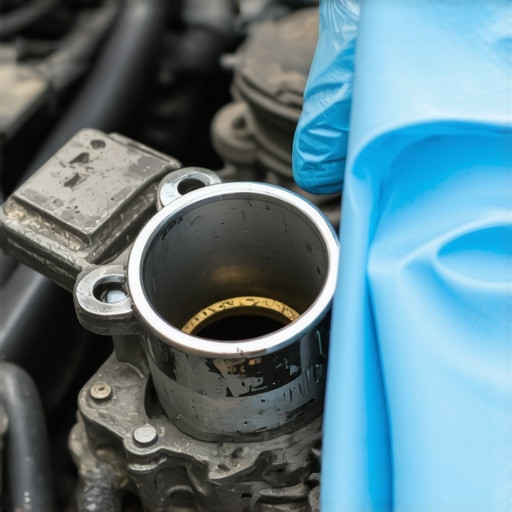
Wipe Away the Sludge Without Damaging Sensors
Now, here is where most people go wrong: they start spraying cleaner directly into the intake like they are power-washing a driveway. Modern cars are packed with sensitive electronics, and if that liquid seeps into the throttle position sensor (TPS) or the electric motor that drives the valve, you are looking at a very expensive replacement. Instead, spray your specialized throttle body cleaner onto a clean, lint-free microfiber cloth. Use the cloth to gently wipe the edges of the butterfly valve and the inner walls of the bore. It is exactly like cleaning a sticky door hinge; you want to remove the friction without forcing anything. While you are in there, it is a great time to check your car service checklist to see if other nearby components need attention. I once spent an hour scrubbing a valve only to realize later that the hidden benefit of cleaning your mass air flow sensor at the same time would have saved me a second trip under the hood.
Why a Gentle Touch Beats Brute Force
I cannot stress enough that the butterfly valve is a precision instrument. On many newer vehicles, this valve is controlled electronically, and forcing it open with your fingers can throw off the calibration. If you must open it to clean the edges, have a friend sit in the car and press the gas pedal down with the ignition on (but the engine off). This safely opens the ‘gate’ so you can reach the carbon buildup hiding behind it. This kind of attention to detail is the secret to getting 200,000 miles out of your original engine. When I was younger and less patient, I used a metal scraper to get a stubborn chunk of carbon off. I left a tiny gouge in the metal, which allowed just enough extra air through to make my idle jump up and down forever. Using a soft cloth ensures you keep the factory coating intact, which is designed to repel future buildup. Cleaning the throttle body is the ultimate ‘low effort, high reward’ task in your ultimate car service guide, as it restores the crisp, immediate response you thought was gone for good.
Most people assume that once they’ve wiped away the visible grime from a throttle body or replaced a filter, the job is finished. I used to think the same until I realized that a car’s computer has a long memory. When you clean a heavily fouled intake, the Engine Control Unit (ECU) is still operating on ‘learned’ values based on that old obstruction. This is why you might notice your RPMs bouncing for a few days after a service. Professional technicians often perform a ‘throttle relearn’ procedure to reset these parameters instantly. According to a report by the Car Care Council, neglecting these small recalibrations and routine checks is why many drivers fail to see the full benefits of how regular tune-ups improve fuel efficiency and safety. If you ignore the digital side of the mechanical fix, you’re only doing half the work.
Does Your Car Need a Digital Reset After a Mechanical Fix?
Most advanced DIYers forget that the hardware and software must stay in sync. It is not just about the engine, either; the same logic applies to your stopping power. I’ve seen neighbors spend a whole Saturday on a ‘pad slap’—simply swapping old brake pads for new ones without touching the rotors—only to end up with a terrifying vibration. They missed the proper way to break in new brake pads and rotors. Without that specific ‘bedding’ process, the pads do not transfer a uniform layer of friction material to the disc, which is the secret to understanding brake system repairs at a professional level. This oversight often leads to uneven surface deposits, which most people mistake for ‘warped rotors.’
Stop Buying the Cheapest Parts on the Shelf
Here is the contrarian truth: the ‘budget’ option is almost always the most expensive. I once tried to save twenty bucks by buying off-brand ignition components. Within two months, I was searching for the truth about budget spark plugs and engine performance because my gas mileage plummeted. The ‘oops’ factor here is the material quality; cheap plugs often use inferior ceramics that crack under high heat, leading to misfires that can destroy your catalytic converter. It is the same with your hydraulic system. If you do not check for a how to spot a collapsed brake hose in seconds, those brand new pads will wear out in weeks due to a caliper that refuses to release. To truly maximize your cars lifespan with expert tune-up strategies, you have to look at the system as a whole rather than just troubleshooting common auto repair issues before visiting the shop in isolation. Have you ever fallen into the ‘cheap part’ trap or forgotten a computer reset? Let me know in the comments below, I would love to hear your horror stories.
Invest in a Scanner Before You Invest in Parts
I spent years throwing parts at problems, hoping a new set of wires or a different brand of gas would fix a rough idle. The reality is that modern engines are too smart for guesswork. If you want to move beyond basic driveway fixes, you need a decent OBD-II diagnostic scanner. I’m not talking about the five-dollar dongles that just read codes; I mean a tool that can perform ‘active tests’ and resets. According to the technical documentation in the Robert Bosch GmbH Automotive Handbook, electronic throttle systems rely on complex adaptive algorithms to compensate for mechanical wear. When you clean that throttle body, the computer needs to be told that the obstruction is gone. I’ve seen people drive for weeks with a high idle because they didn’t perform an idle-air relearn. Using a scanner to reset these values is how you truly tune up your car for peak performance without waiting for the ECU to ‘figure it out’ on its own.

How do I maintain my engine’s peak performance over time?
Maintenance isn’t a one-and-done event; it’s a habit. To keep that throttle response crisp, I recommend a quick visual inspection of your intake tract every time you change your oil. If you see a light film of oil starting to form again, it might be time to check your PCV (Positive Crankcase Ventilation) valve. A clogged PCV is often the silent culprit behind a chronically dirty intake. As we look toward auto repair trends to watch in 2025, we are seeing more cars move toward purely digital diagnostics that can predict these clogs before they cause a stumble. For now, staying ahead of the curve means sticking to your car service checklist and using high-quality synthetic lubricants that resist thermal breakdown, which reduces the oily vapors that gunk up your sensors in the first place.
The Forgotten Art of Precision Torquing
If there is one tool that separates the hobbyists from the pros, it is the torque wrench. I used to ‘hand-tighten’ everything until it felt ‘snug,’ which is a recipe for disaster on modern aluminum engines. Over-tightening a spark plug can crack the porcelain, leading to a misfire that feels exactly like a dirty throttle body. If you’ve ever wondered about the real reason your new brake pads are smoking, it is often because the caliper bolts weren’t torqued correctly, causing the pads to drag and overheat. I highly recommend learning the proper way to torque wheel bolts without a manual by using a calibrated click-type wrench. It ensures even clamping force across the rotor, which prevents that annoying steering wheel wobble. This level of precision is the cornerstone of maximizing your cars lifespan with expert tune-up strategies.
Stop Ignoring the Small Warning Signs
We often wait for a ‘Check Engine’ light to pop up before we pop the hood, but the best mechanics use their senses. If your brake pedal feels a bit squishy, don’t just pump it and move on; you might be looking for the fix for a soft brake pedal that mechanics keep missing, which often involves a deep dive into the master cylinder or a proper air bleed. Similarly, don’t fall for brake service myths that suggest noise is always ‘normal’ for new pads. Silence is the standard for a healthy car. If you want to take your maintenance to the next level, try this: the next time you connect a scanner, don’t just look for errors. Check your ‘Long Term Fuel Trims.’ If they are higher than 5%, you have a small air leak or a dirty sensor that hasn’t triggered a light yet. Catching these ‘pending’ issues is the ultimate way to stay on top of the ultimate car service guide. It’s much easier to clean a sensor today than to replace a catalytic converter tomorrow because your engine was running too rich for a year.
Hard Lessons Learned Under the Hood
I used to think a clean throttle body was just about removing the black gunk, but I learned the hard way that the precision of the cleaning matters more than the shine. If you leave even a tiny fiber from a cheap rag behind, it can catch on the butterfly valve and cause a hunting idle. I also realized that you can’t just fix the hardware and ignore the software. Every time I skip troubleshooting common auto repair issues before visiting the shop, I end up spending more on a mechanic to fix my own mistakes. Finally, always listen for that high-pitched whistle after you reassemble everything; it is a dead giveaway that you need to identify a vacuum leak using a simple cigar before the car will ever run smoothly.
My Must-Have Gear for a Pro-Level Tune Up
If you are serious about your garage work, you need a dedicated torque wrench. Hand-tightening is a gamble you should not take with aluminum engine components. I also swear by the Robert Bosch Automotive Handbook for its deep technical dives that help you maximize your cars lifespan with expert tune-up strategies. My third essential is a bidirectional OBD-II scanner. It is the only way to truly communicate with your car’s brain rather than just guessing. Without these tools, you are missing out on the data needed to tune up your car for peak performance like a professional.
#IMAGE_PLACEHOLDER_E#
Take the Keys and Restore Your Ride
Taking control of your vehicle health is incredibly empowering. When you see how regular tune-ups improve fuel efficiency and safety, the time spent under the hood feels like an investment rather than a chore. Don’t let the complexity of modern engines stop you; follow the ultimate car service guide and take it one bolt at a time. Your car will thank you with a smoother ride, crisper acceleration, and a much longer life. A small amount of work today prevents a massive bill tomorrow. Have you ever spent hours chasing a mystery engine stutter only to find a simple fix like a dirty valve? Let me know in the comments below!