
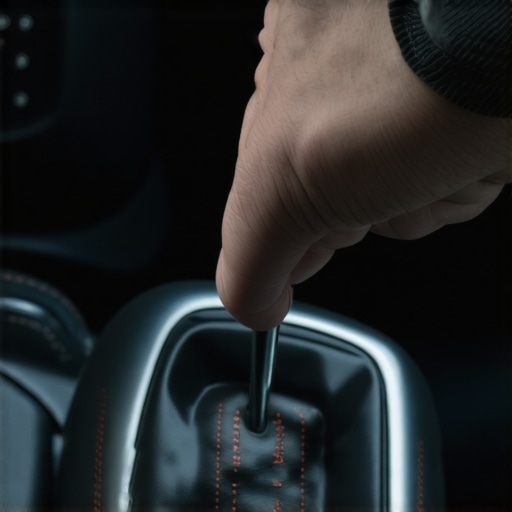
I was sitting at a four-way stop in the middle of rush hour, the light turned green, and my car decided it was finished. My hand was white-knuckling the shifter, trying to force it into first gear, but it felt like I was trying to punch through a solid block of granite. The guy in the beat-up truck behind me wasn’t patient; his horn was a constant blaring reminder of my mechanical failure. I ended up having to start in second gear, smelling my clutch burn the whole way home. It’s a gut-wrenching feeling when you realize your daily driver is starting to fail you. But here is the good news: that stubborn first gear isn’t always a death sentence for your gearbox. Today, we’re going to look at why your manual transmission is fighting you and how to get that smooth “click-click” back without necessarily replacing the whole gearbox.
Stop Shoving the Shifter Before You Break Something
When I first started twisting wrenches, I made a massive mistake. I thought “force” was the solution to everything. If it doesn’t move, hit it harder, right? Wrong. I once replaced a perfectly good master cylinder on an old hatchback because I didn’t take the time for troubleshooting common auto repair issues properly. It turned out to be a three-dollar plastic bushing. Don’t be like younger me. If your car is resisting, there is a reason. Maybe your clutch is slipping or the hydraulic system has given up the ghost. According to a report by the Car Care Council, nearly 70% of vehicle owners neglect basic fluid checks, which is the primary catalyst for these hard shift scenarios. If you’ve ever felt that heart-sinking moment where the gear just won’t engage, you aren’t alone. Have you ever had to limp your car home in second gear because first just “disappeared”?
Is my gearbox actually dying or am I just overreacting?
It’s the question that keeps us up at night, usually after we’ve seen a quote for a full transmission rebuild. Most of the time, the issue is external to the gears themselves. It could be old, dirty fluid that’s lost its viscosity. If your fluid looks like coffee creamer, you’ve got moisture in the system, and that’s a recipe for disaster. Before you panic and start looking for a new car, you need to schedule maintenance to check the basics. We are going to dive into the synchros, the shift linkage, and the clutch hydraulics to find the real culprit.
Check the Fluid Before You Check Your Bank Balance
If you haven’t changed your gear oil in 50,000 miles, it’s likely lost its ability to let the synchros do their job. Synchros are the “diplomats” of your gearbox; they match the speed of the gears so they can mesh together without a fight. When the fluid is toast, the diplomats go on strike. You need to know the real difference between a transmission flush and a drain and fill because manual gearboxes usually just need a simple drain. I remember working on a buddy’s truck that “crunched” every time he hit third. We drained the fluid, and it looked like metallic glitter paint. Even so, simply replacing the old sludge with high-quality synthetic fluid often makes that first-gear stubbornness vanish. This should be a priority on your car service checklist every few years.
When Your Shifter Cables Stretch Like Old Rubber Bands
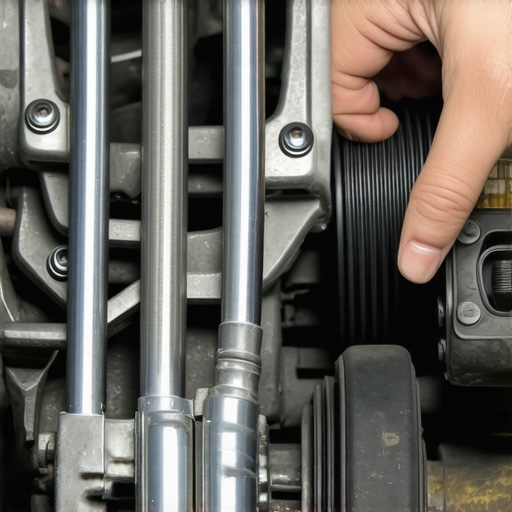
Sometimes the problem isn’t inside the box at all; it’s how you’re talking to it. Most modern manuals use cables to connect the shifter in your hand to the transmission under the hood. Over time, these cables can stretch or the plastic bushings at the ends can crack. Think of it like a handbrake on a bicycle—if the cable is loose, the pads never hit the rim. I once spent a whole afternoon trying to diagnose a “blown” transmission on an old hatchback, only to find a literal pebble wedged in the linkage. Once I cleared the debris and adjusted the cable tension, it shifted like a dream. If you’re feeling a lot of “play” or “slop” in the shifter handle, this is your smoking gun.
Is Your Master Cylinder Lying to You?
If the fluid is clean and the cables are tight, but you still can’t get into gear while the engine is running, your clutch isn’t fully disengaging. This is usually a hydraulic failure. The master cylinder and slave cylinder work like a pair of syringes connected by a tube. When you push one, the other has to move. If there’s a leak—even an internal one—the “push” never reaches the clutch. You have to learn how to tell if your master cylinder is failing internally because it won’t always leave a puddle on the floor. I once tried to power-bleed a clutch system solo and didn’t secure the hose properly. The resulting “fluid explosion” was a nightmare, but it proved that even a tiny air bubble acts like a sponge, soaking up your pedal force and leaving you stranded in neutral.
Adjust the Bite Point to Save Your Synchros
If you find yourself mashing the pedal into the floorboards just to get a gear to engage, your clutch might just need a physical adjustment. This is different than knowing how to tell if your clutch is slipping. A slipping clutch is worn out; a clutch that won’t disengage just needs the “travel” adjusted. Look under your dash at the top of the clutch pedal. There is usually a threaded rod with a locknut. By shortening or lengthening that rod, you change where the clutch starts to grab. If the grab point is too close to the floor, you aren’t clearing the pressure plate fully, which makes first gear feel like a brick wall and causes premature wear on your gears.
Let’s dig deeper into the mechanics of why your gearbox is acting like a stubborn mule. A common myth among DIY enthusiasts is that ‘thicker oil’ fixes an old, noisy gearbox. I’ve seen people pump heavy 90-weight gear oil into a unit that specifically calls for light synchromesh fluid, thinking they are protecting the gears with extra cushion. In reality, you are suffocating the synchros. According to a study by the Society of Automotive Engineers (SAE), using fluid with incorrect friction modifiers can increase shift resistance by up to 50% because the synchronizer rings cannot effectively ‘bite’ through the heavy oil to match gear speeds. Don’t fall for the trap of the ‘miracle fix’ in a bottle. While the truth about high mileage oil additives is that they have their place, they won’t fix a mechanical misalignment. Many people also get spooked when they see smoke or smell something burning after a major repair. For instance, the real reason your new brake pads are smoking is often just the curing of the binding resins, and a similar ‘burning’ smell after clutch work can just be the initial bedding-in process—not necessarily a sign you’ve botched the job.
Is your transmission actually failing or is the pilot bearing stuck?
This is the advanced nuance most people and even some mechanics miss. If you can’t get into gear while the engine is running, but it shifts smoothly when the engine is off, your input shaft is still spinning despite the clutch being depressed. It might not be the synchros at all; it could be a seized pilot bearing. This tiny part sits in the back of the crankshaft and holds the tip of the transmission’s input shaft. If it’s stuck, the engine will literally ‘drive’ the transmission gears even with the pedal pinned to the floor. No amount of the fix for a soft brake pedal that mechanics keep missing or bleeding the lines will solve a physical seizure of this bearing. 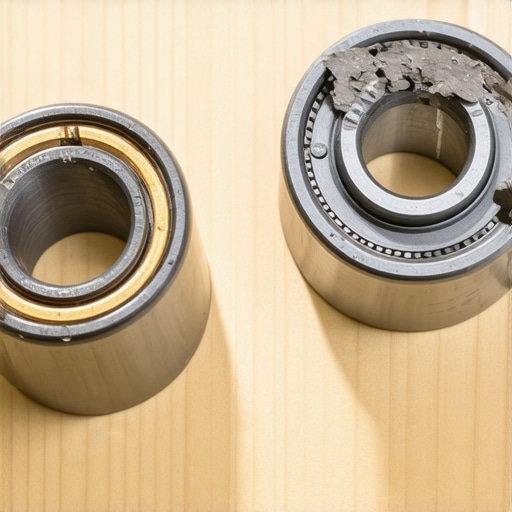 Before you commit to pulling the whole gearbox, you must verify the health of your hydraulic system. You need to know how to tell if your master cylinder is failing internally because an internal bypass won’t show a visible leak but will prevent full clutch release. Proper diagnostics are the only way to truly maximize your cars lifespan with expert tune-up strategies. Have you ever fallen into this trap and replaced a whole transmission only to find a tiny bearing or an air bubble was the real culprit? Let me know in the comments.
Invest in a Pressure Bleeder to Save Your Sanity
If you’re still doing the ‘pump-pump-hold’ method with a helper to bleed your clutch, you’re living in the dark ages. I personally swear by a standalone pressure bleeder. It screws onto the reservoir and uses pressurized air to push fluid through the system from the top down. This is the only way I’ve found to consistently remove those stubborn micro-bubbles that cause a soft pedal. It’s also how I prevent the fix for a soft brake pedal that mechanics keep missing when working on hydraulic systems. You also need a high-quality torque wrench. People love to eyeball the drain plug, but over-tightening can crack a magnesium or aluminum case. I always tell my friends to look up the proper way to torque wheel bolts without a manual because that same respect for fastener tension applies to your transmission housing. Don’t guess; the specs exist for a reason.
The Magnet That Saves Your Gearbox
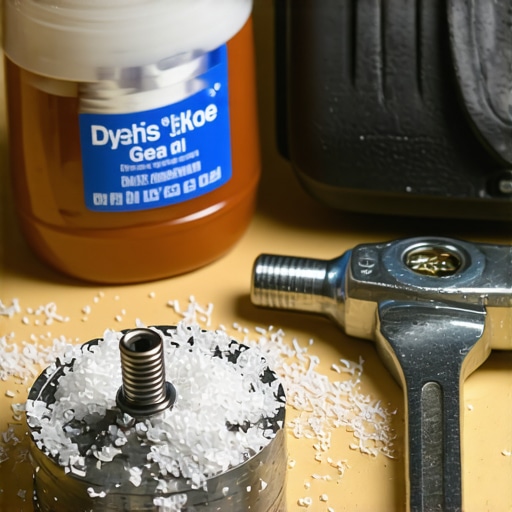
One of my ‘secret’ maintenance hacks is swapping the factory drain plug for a high-intensity magnetic one. Every time your gears mesh, they create microscopic metal shavings. In a manual, there’s no filter to catch these, so they just circulate like sandpaper in your oil. A magnetic plug pulls that ‘glitter’ out of suspension. Aisin Seiki technical bulletins often highlight that micro-pitting on gear teeth is significantly accelerated when operating temperatures exceed 250°F without proper synthetic lubrication. By keeping the fluid clean and knowing how to save your transmission from heat damage, you can easily double the life of your synchros. This should be a non-negotiable part of your car service checklist if you plan on keeping the car past the 100,000-mile mark.
How can I keep my manual gearbox smooth for a decade?
Consistency is more important than expensive parts. Beyond fluid changes, you have to look at the rubber components. I make it a point to inspect the slave cylinder’s dust boot every single year. If that boot rips, grit gets into the seal, and your hydraulics are toasted within months. You also need to stay ahead of auto repair trends to watch in 2025, which suggest that manual parts are becoming specialized ‘heritage’ items. This means the time to stock up on high-quality bushings or specialized shift links is now, before they become discontinued. To truly maximize your cars lifespan with expert tune-up strategies, treat your transmission with the same respect as your engine. I’m predicting that as we move toward an EV-dominated world, well-maintained manual cars will become the ultimate enthusiasts’ assets, much like mechanical watches. Keeping yours ‘click-click’ smooth is basically an investment in future joy. Go out to your garage tonight and pull back the dust boot on your clutch slave cylinder—if there’s even a hint of wetness, order that replacement part before you’re stuck at a green light with a dead pedal.
Lessons My Cracked Knuckles Taught Me About Gearboxes
After years of wrestling with stubborn linkages, I’ve realized that 90% of transmission frustration comes from looking for the most expensive problem first. I spent an entire weekend once researching a full swap when all I needed was to grease the shifter pivot ball. Here is the wisdom I gained from those long nights in the garage:
- The ‘Second Gear Hack’ is a Warning: If you have to shift into second just to get it into first at a stoplight, your synchros are already crying for help. Addressing it now with a fluid change is cheap; waiting until it fails is a disaster.
- Small Air Bubbles are Big Liars: A hydraulic system that is 99% bled is still 100% broken. Even a tiny bit of air prevents that full disengagement you need to slide into gear smoothly.
- Bushings Matter More Than Gears: Those little plastic bits in your linkage absorb vibration. When they rot, your shifter feels like a spoon in a bowl of mashed potatoes, making it impossible to find the gates.
My Personal Survival Kit for Stubborn Shifters
You don’t need a professional lift to fix most shifting woes, but you do need the right stuff. I never start a gearbox job without these essentials. First, a dedicated pressure bleeder—it turns a two-person nightmare into a five-minute solo job. Second, I always keep a bottle of friction-modified synthetic gear oil on hand. Brands like Redline or Amsoil can literally transform a crunchy gearbox overnight. Finally, a set of dental picks is essential for cleaning out old, hardened grease from shifter boots before you apply fresh lubricant.
#IMAGE_PLACEHOLDER_E#
Saving the Manuals One Shift at a Time
At the end of the day, a manual car is a conversation between you and the machine. It takes more work than an automatic, but the reward of a perfectly rev-matched downshift is something you just can’t replicate. Don’t let a stiff first gear make you give up on your vehicle. By taking the time for troubleshooting common auto repair issues, you aren’t just saving money—you’re preserving a dying art. When you maximize your cars lifespan with expert tune-up strategies, you ensure that you can enjoy that mechanical connection for years to come. So, grab your wrenches, check those fluids, and get that smooth gear engagement back. Have you ever had a mystery shifting problem that turned out to be a simple five-minute fix? Let me know in the comments below!