
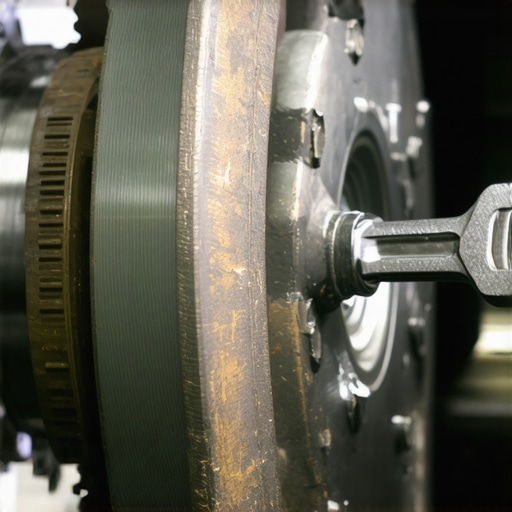
I was merging onto the highway last summer, pedal pinned to the floor, when the tachometer needle started dancing toward the red line while my actual speed barely budged. That’s the exact moment my heart sank. I could smell it too—that acrid, pungent scent of a clutch plate burning itself into oblivion. I immediately started mentally calculating how many weeks of ramen I’d have to eat to afford a full replacement. But here’s the kicker: I almost spent fifteen hundred dollars on a job that actually cost me zero dollars and twenty minutes of my time. Understanding whether you are dealing with a catastrophic failure or a simple tweak is the difference between a minor tune up and a total mechanical overhaul. Today, I want to show you exactly how to spot the difference so you don’t get taken for a ride at the shop.
Why You Can’t Ignore That Burnt Toast Smell
When your car starts acting up, especially during a car service window you might have missed, the panic is real. A slipping clutch feels like a betrayal. You tell the car to go, and it hesitates. It’s a lot like why your car hesitates when you try to merge onto the freeway for other reasons, but with a specific mechanical slop. If your RPMs rise but your speed doesn’t, the power isn’t reaching the wheels. It’s literally slipping away.
Is This Just a Way for Shops to Charge Me More?
I get the skepticism. Every time I hear a weird noise, I worry a mechanic is going to tell me I need a whole new drivetrain. But the truth is, many older manual transmissions use a cable or a master cylinder that can be adjusted. According to data from Car and Driver, a full clutch replacement can cost anywhere from $1,200 to over $2,000 depending on the vehicle, while an adjustment is often just a labor fee or a DIY task. Have you ever felt that spongy pedal and feared the worst? You aren’t alone.
The Huge Mistake I Made Early On
Years ago, I actually sold a perfectly good truck because the clutch was shot. Or so I thought. I didn’t know about troubleshooting common auto repair issues before throwing in the towel. I later found out the buyer just adjusted the linkage in his driveway and drove that truck for another 50,000 miles. It was a painful, expensive lesson. We are going to make sure that doesn’t happen to you. We’ll look at the biting point, the pedal height, and that unmistakable slip under load to figure out your next move.
To figure out if your clutch is truly dead, you need to force it to fail under controlled conditions. I call it the Fourth Gear Stall. Find a flat, empty parking lot. Put the car in fourth gear while you are stopped, set the parking brake firmly, and slowly let out the clutch while giving it a bit of gas. If the car stalls immediately, your clutch still has life. If the engine keeps chugging while the pedal is all the way out, you are looking at a friction plate that has basically turned into a polished stone. This is one of those troubleshooting common auto repair issues steps that saves you from a guessing game. It is a lot like trying to walk on ice with smooth-soled shoes; if there is no grit, there is no grip.
Find the Nut That Saves You Two Grand
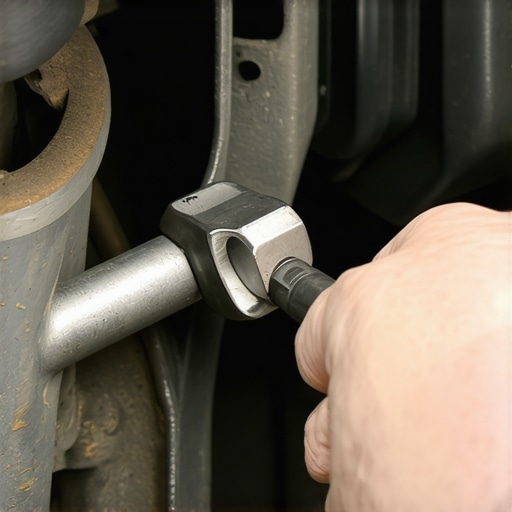
Before you pull the transmission, check your pedal play. Most manual cars have a specific amount of free play—that inch or so of movement before you feel the heavy resistance of the pressure plate. If there is zero free play, your clutch is constantly engaged just a tiny bit, which leads to premature wear. I remember my old 94 Civic; the biting point was so high it felt like the car would not move until my knee hit my chin. I crawled under the dash, loosened a lock nut on the pushrod, and adjusted the rod until the pedal felt natural again. It took ten minutes. If you have a hydraulic system, you might need to check for leaks or learn how to tell if your master cylinder is failing internally, because air in the lines can mimic a slipping sensation by not fully engaging the gears.
Is Your Transmission Actually Slipping?
Sometimes what feels like a mechanical slip is actually an engine stumble. You need to distinguish between the difference between a transmission slip and a fuel system hiccup. If the RPMs stay steady but the car jerks, that is fuel or spark. If the RPMs shoot up like a rocket but the speedometer is stuck, that is definitely the clutch. This is why a regular tune up is vital—it eliminates the engine variables so you can focus on the drivetrain facts. Also, do not confuse this with how to fix a sticky gear shifter issues; gear selection is about the linkage, while slipping is about the interface between the engine and the gearbox.
The Heat Test and What It Tells You
Drive your car on a steep hill in a high gear like 3rd or 4th at a low speed, then floor it. If the engine revs without a corresponding increase in speed, the friction material is failing to hold against the engines torque. I once did this with a loaded trailer and smelled that burnt toast scent instantly. It is a harsh test, but it is better to find out on your terms than while trying to merge onto the freeway in heavy traffic. Taking the time for a quick car service check of the fluid levels in your clutch reservoir can also reveal if a simple leak is causing the drop in pressure.
Stop Replacing Parts Before You Check for Contamination
Everyone tells you that a slip means the friction material is gone. But in my experience, plenty of perfectly thick clutch plates get tossed in the trash because of a tiny oil leak. If your rear main seal is weeping, it flings oil onto the flywheel. No amount of clamping force can overcome a lubricated surface. It is a similar story with brakes; you might be understanding brake system repairs from a bird’s eye view, but if you don’t spot the grease on the rotor, new pads won’t save you. You have to look for the ‘why’ behind the failure, not just the ‘what.’
Why Does Your New Clutch Still Feel Like It’s Slipping?
This is the ultimate frustration. You just spent a weekend pulling the gearbox, and it still feels mushy. The most common ‘trap’ for advanced DIYers is failing to properly resurface the flywheel. Think of it like this: would you put new stickers on a dirty window? If the flywheel has ‘hot spots’—those blue, tempered circles of hardened steel—the new clutch won’t ‘bite’ until those are ground away. This is exactly like the proper way to break in new brake pads and rotors; without that initial transfer layer of material, you are just sliding on the surface. Also, check your hydraulics. If your brake fluid looks like coffee creamer, your clutch fluid (which usually comes from the same type of reservoir) is likely just as contaminated, leading to a lazy release bearing.
#IMAGE_PLACE_HOLDER_C#
The Counter-Intuitive Truth About Modern Auto Repair
We are conditioned to think ‘new is better,’ but with auto repair trends to watch in 2025, we are seeing more ‘intelligent’ systems that require recalibration rather than replacement. For instance, many modern cars have self-adjusting cables or electronic actuators. If you force a manual adjustment on a system designed to be automatic, you will burn through the throw-out bearing in a month. According to a report by the Car Care Council, neglected small-scale maintenance accounts for billions in unnecessary total vehicle losses. People often miss the fix for a soft brake pedal that mechanics keep missing—which is often just a specific ABS module bleed sequence—and instead replace the entire master cylinder. Don’t be that person. Have you ever fallen into this trap of replacing a major component only to find out it was a five-dollar seal or a simple air bubble? Let me know in the comments. Digging into the nuances of a car service checklist helps, but nothing beats actually getting your hands dirty and testing the mechanical logic of the system.
The Tools I Bet My Life On
When you are performing a brake service or messing with your drivetrain, ‘good enough’ is a recipe for disaster. I used to eyeball everything, but after snapping a grade-8 bolt in a cylinder head years ago, I changed my ways. Now, I never touch a critical component without a split-beam torque wrench. Why? Because common click-type wrenches can lose calibration if you don’t dial them back to zero after every use. While learning the proper way to torque wheel bolts without a manual is a great emergency skill, for a clutch pressure plate or brake caliper bracket, you need precision down to the inch-pound. I also keep a Mityvac hand pump on my bench; it is the only way to ensure you have pulled every stubborn air bubble out of a hydraulic slave cylinder without needing a second person to pump the pedal.
Stop Guessing with a Cheap Multimeter
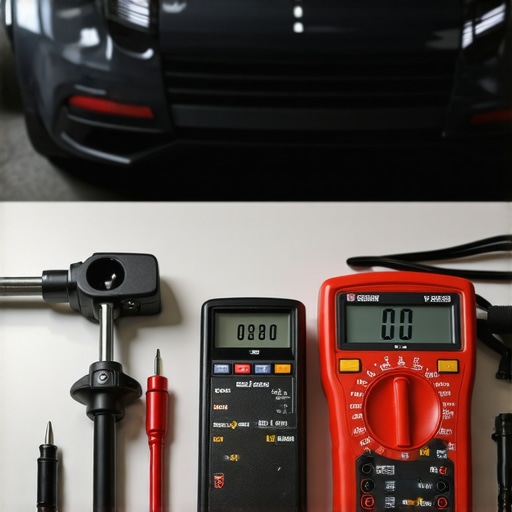
If you think a multimeter is just for checking battery health, you are missing half the story of modern tune up success. I use mine to check for voltage drop across ground wires that look perfectly clean to the naked eye. If your clutch actuator is electric, or if you are trying to figure out how to test your alternator with a simple multimeter at home, that tool is effectively your eyes. You can actually see the resistance in a wire that is corroding from the inside out. This level of technical detail is what separates a backyard parts-swapper from someone performing professional-grade auto repair.
How do I maintain my car’s performance over the long haul?
Consistency beats intensity every single time. You do not need a massive mechanical overhaul every six months; you need to follow a strict car service checklist and never skip the small stuff. For my own vehicles, I do a ‘dry’ inspection every time I change the oil. I am looking for weeping seals, cracked boots on CV axles, and the specific color of my hydraulic fluids. If you wait for a noise, you have already waited too long. According to the BorgWarner Technical Center, over 90% of premature clutch failure is not actually due to driver error, but rather due to incorrect pilot bearing alignment and grease contamination during the installation process. This is why keeping a surgically clean workspace is just as vital as the essential maintenance tips you find in your owner’s manual.
The Future of Home Auto Repair
Looking ahead, I predict we are going to see a massive shift toward software-locked maintenance and cloud-based calibration. We are already seeing this with ADAS—Advanced Driver Assistance Systems. If you replace a bumper or even do a basic alignment, you might need a target-based recalibration to keep your safety systems functional. You should always check how to tell if your local mechanic actually has the tools for a proper ADAS calibration before letting them touch a vehicle built after 2020. In the next few years, the most valuable tool in your box will not be a wrench; it will be a high-end bi-directional scan tool. I challenge you: next time you suspect a transmission or clutch slip, do not reach for the socket set first. Grab a vacuum gauge and perform a vacuum leak test using a simple cigar or a smoke machine. You might find that your ‘mechanical’ failure is actually a vacuum-starved sensor lying to your ECU.
The Hardest Lesson I Learned About Chasing Clutch Gremlins
Over the years, I’ve realized that the ‘obvious’ fix is rarely the right one. First, always assume contamination before consumption. A tiny weep from the rear main seal can make a brand-new clutch slip like it’s ten years old. Second, stop the ‘parts cannon’ approach. I’ve seen people replace entire gearboxes when the real issue was just a stretched cable or a $10 slave cylinder. If you want to know the secret to getting 200,000 miles out of your original engine and drivetrain, it comes down to listening to the machine, not just reacting to the first symptom you see. Lastly, never underestimate the power of a clean surface; even the oils from your fingerprints on a new pressure plate can cause issues during the break-in period.
Tools That Save My Sanity Every Weekend
If you’re serious about DIY, you need a toolkit that doesn’t lie to you. I personally swear by a split-beam torque wrench for any work involving the flywheel or pressure plate. Unlike the standard click-style wrenches, these don’t need to be reset to zero after every use to maintain their calibration. I also can’t live without a Mityvac for bleeding hydraulic lines solo. If you aren’t sure where to start your maintenance journey, a comprehensive car service checklist is your best friend to ensure you aren’t missing the small details that lead to big bills. And remember, why choosing the closest auto repair shop in downtown Albuquerque is usually a mistake—you want a specialist who understands the nuances of manual transmissions, not just a generalist who wants to swap parts.
#IMAGE_PLACEHOLDER_E#
Stop Fearing the Red Line
Taking control of your car’s maintenance is one of the most empowering things you can do as a driver. Whether you are performing a complex brake service or just adjusting your clutch linkage, that hands-on knowledge builds a bond with your vehicle that you just can’t get from a dealership waiting room. Don’t let a little ‘burnt toast’ smell or a high RPM surge scare you into selling a car you love. With the right diagnosis and a bit of patience, you can keep that pedal feeling firm and that connection to the road crisp for years to come. Your next tune up doesn’t have to be a source of stress; it’s just an opportunity to learn. Have you ever spent an entire weekend chasing a vibration or a slip only to find out it was a loose bolt? Let me know your biggest ‘lightbulb moment’ in the comments below!