
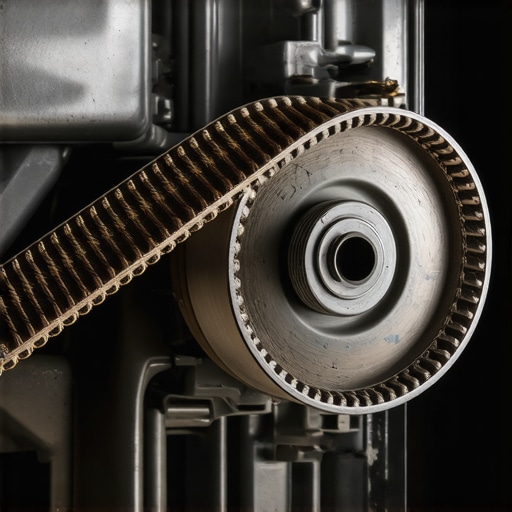
I remember a freezing Tuesday morning back in 2018 when my old sedan started with a scream so loud it probably woke up the whole block. It sounded like a banshee in a blender. Being a bit stubborn, I brushed it off, thinking it was just the humidity or the cold. I even convinced myself it would ‘warm up’ eventually. That was a massive mistake. Three miles into my commute, my steering wheel suddenly felt like it was made of lead, and my dashboard lit up like a Christmas tree. That tiny, ribbed piece of rubber—the serpentine belt—had finally had enough. Today, I want to show you why that screech is actually a desperate cry for help and how you can avoid the same heart-stopping moment I had. We are going to dive into why this single component is the backbone of your engine’s health and what you need to check before you end up stranded.
That Squeal Is More Than Just a Morning Nuisance
If your car is making a high-pitched chirping sound, you might be tempted to turn up the radio and ignore it. Don’t. That noise usually means the belt is losing its grip on the pulleys. When it slips, it creates friction, which leads to heat. According to the Car Care Council, neglected maintenance is one of the leading causes of preventable roadside breakdowns. A slipping belt isn’t just about noise; it directly affects your alternator, water pump, and power steering pump. If you have noticed that your steering wheel stiffens up when the engine is cold, you are already seeing the early warning signs of a belt that is losing its integrity. I once waited so long that the belt snapped and took out a plastic coolant line with it, turning a fifty-dollar fix into a three-hundred-dollar headache.
Is a cheap aftermarket belt really worth the risk?
Many folks ask me if they can just grab the cheapest belt on the shelf to save a few bucks. While I love a good deal, your serpentine belt is the one place where quality really matters. A low-grade belt might stop the noise for a week, but it will stretch and slip again before you know it. This is a core part of any car service checklist because when this belt fails, your car stops moving. Period. Have you ever had your steering go heavy on you in the middle of a turn? It is a terrifying experience that usually starts with a ‘harmless’ little squeak. I want to make sure you know exactly what to look for so you can handle a serpentine belt replacement on your own terms rather than on the side of a busy highway. Let’s get into the specific red flags that mean your belt is about to give up the ghost. [image placeholder]
Inspect Your Belt Like a Pro Before It Snaps
To get a real look at what is going on, you need to get your eyes right into the engine bay with a high-powered flashlight. Don’t just glance at the top loop of the belt. You need to see the ‘ribs’—those long grooves on the underside that actually do the work. This is one of those essential maintenance tips that saves you from a massive bill later. I usually suggest doing this every time you change your oil. It takes sixty seconds and can save you six hours of waiting for a tow truck.
Look for the Tiny Cracks That Mean Big Trouble
When you are looking at the ribs, you are searching for ‘chunking’ or cracks. If you see more than three cracks in a one-inch space, that belt is a ticking time bomb. Think of it like an old rubber band; once it starts to perish, it loses its elasticity and can snap under the slightest load. I once helped a neighbor whose belt looked perfect from the top, but when we twisted it over, entire sections of the ribs were missing. He was lucky he didn’t try to drive to work that day. If the flat side of the belt looks shiny or ‘glazed,’ it means it has been slipping and getting scorched by friction. 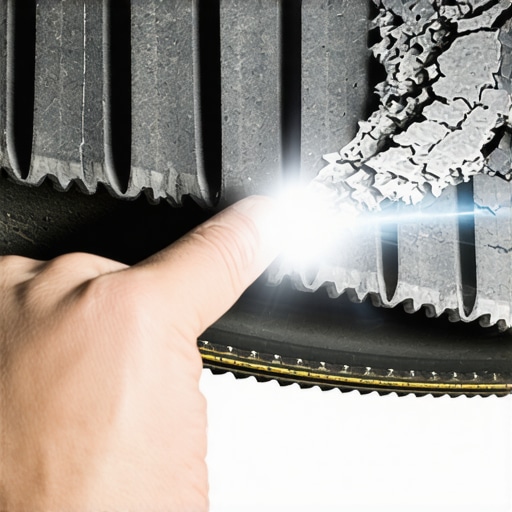
The Simple Thumb Test for Proper Tension
You do not need a fancy laboratory tool to check if your belt is tight enough. With the engine off, find the longest run of the belt between two pulleys and give it a firm push with your thumb. It should only move about half an inch. If it feels like a loose guitar string, your tensioner is failing. While you are in there, you might as well perform the 5-minute check to prevent transmission failure by looking for leaks that might be dripping onto the belt. Oil or coolant on a rubber belt will cause it to swell and fail prematurely. You should also take a moment to learn how to check your power steering fluid the right way, as a leaking pump can often be the culprit behind a greasy, slipping belt.
Don’t Ignore the Pulley That Pulls the Strings
The belt is often just the messenger; the real villain is frequently the automatic tensioner or a seized pulley. I remember working on an old SUV where the owner had replaced the belt three times in a month. He was furious. When I finally looked at it, I realized the bearing in the idler pulley had gone dry. It wasn’t spinning freely, so it was basically acting like a cheese grater on every new belt he installed. If you hear a grinding noise along with that squeal, it is a hidden sign that your water pump is about to fail or that a pulley bearing is shot. Spin the pulleys by hand while the belt is off; they should feel smooth, not crunchy. If everything checks out and you just need a fresh piece of rubber, you can follow the steps on how to replace your own serpentine belt in under 20 minutes to get back on the road with total confidence.In the world of high-end maintenance, there is a common belief that if the belt isn’t cracked, it is perfectly fine. I am here to tell you that is a myth that leaves thousands of drivers stranded every year. Modern belts are made of EPDM (Ethylene Propylene Diene Monomer), which doesn’t crack like the old neoprene ones did back in the day. Instead, they just lose material—sort of like how a tire loses tread. This is a nuance often missed in a standard car service checklist. According to engineering data from Gates Corporation, an EPDM belt can look pristine to the naked eye while actually being so thin that it slips under high electrical loads. To catch this, you need a plastic wear gauge to check the depth of the grooves. If you are just looking for cracks, you are living in 1995. This is just one of many brake service myths and general maintenance misconceptions that can cost you a fortune.
The Hidden Trap of the Automatic Tensioner
One mistake I see people make constantly is replacing a squealing belt but keeping the original tensioner. That is like putting new laces on a boot with a broken sole. A worn tensioner spring won’t keep the right pressure, causing your brand new belt to glaze over and fail within months. To maximize your car’s lifespan with expert tune-up strategies, you must treat the belt and the tensioner as a married couple; if one goes, the other is probably on its way out too. 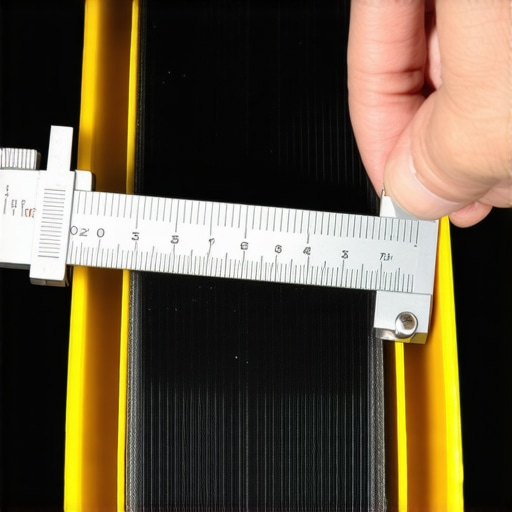
Why does your brand new belt still chirp after a week?
If you have just performed a serpentine belt replacement and the noise is already back, you likely have a pulley misalignment or a failing alternator bearing. If the alternator isn’t spinning perfectly true, it will ‘walk’ the belt off center, creating that annoying chirp. It might be time to learn how to replace your own alternator and save hundreds if you find that the pulley is wobbling. Have you ever fallen into this trap of replacing the same part twice because of a hidden secondary issue? Let me know in the comments—I’d love to hear your horror stories and help you troubleshoot.
I learned the hard way that having the right knowledge is only half the battle; the other half is having the right steel in your hands. If you are serious about DIY car care, you need to stop trying to force a standard socket wrench into spaces designed for a toothpick. I personally swear by a dedicated long-reach serpentine belt tool kit. These bars are thin enough to slip between the engine and the frame rail where a traditional 3/8-inch drive ratchet simply won’t fit. When I first started, I spent two hours bruised and bleeding just trying to release a tensioner; with the proper bar, it is a ten-second job. This kind of efficiency is what separates a frustrating weekend from a successful car service. Beyond the belt, I always keep a high-quality OBD-II scanner handy. Before you go tearing things apart, you should learn how to tell if your computer is giving you a false error code to avoid chasing ghosts in the machine. Pair this with a solid car service checklist and you are essentially your own master technician.
How do I keep these systems running for the long haul?
Maintenance isn’t a one-and-done event; it is a rhythm. To truly maximize your car’s lifespan with expert tune-up strategies, you need to be proactive rather than reactive. According to the SAE International J2432 standard, the rib geometry of a belt is critical for power transmission, and even microscopic wear can reduce efficiency by up to 10%. I make it a habit to check my accessory drive every 10,000 miles. If you are already under the hood, use that time for troubleshooting common auto-repair issues before visiting the shop. It is about building a relationship with your machine where you recognize a new vibration or a faint scent of ozone before it turns into a breakdown. This level of attention is what defines the ultimate car service guide for the dedicated owner.
Looking ahead, the landscape of what we consider a ‘tune-up’ is shifting rapidly. As we look at auto repair trends to watch in 2025, we are seeing a massive move toward electric water pumps and AC compressors. This means the traditional serpentine belt is slowly becoming a relic of the past in hybrid and EV platforms. However, for those of us keeping our internal combustion engines alive, the fundamentals of tension and friction remain king. Don’t let your guard down just because cars are getting smarter. Even the most advanced computer can’t fix a snapped piece of rubber. My best advice? Go out to your garage tomorrow morning with a flashlight and perform that thumb-tension test I mentioned earlier. It takes less time than making a cup of coffee and could save your entire weekend.
Why a Quiet Engine Can Still Be Hiding a Disaster
One thing I have learned over decades is that silence isn’t always golden in an engine bay. With modern EPDM belts, the old ‘if it doesn’t squeak, it’s fine’ rule is effectively dead. I have seen countless belts that looked pristine to the naked eye but had lost so much rib material they were barely spinning the alternator under load. Another major lightbulb moment for me was realizing that a belt is only as good as the tensioner holding it. If you skip replacing a weak tensioner, you are just throwing money away on a new belt that will glaze over in weeks. This proactive approach is a huge part of how to maximize your car’s lifespan with expert tune-up strategies. It’s about looking past the surface and understanding the mechanical harmony of the entire accessory drive system.
Gear That Actually Belongs in Your Trunk
I don’t trust my eyes alone anymore when it comes to preventative maintenance. I always carry a dedicated plastic belt wear gauge—it’s a three-dollar tool that tells the truth when your vision fails. I also never attempt a repair without a long-reach serpentine bar; struggling with a standard wrench in a tight engine bay is a recipe for bruised knuckles and frustration. Beyond the physical tools, a reliable OBD-II scanner is a must-have for any modern driver. You should definitely learn how to tell if your computer is giving you a false error code before you start replacing expensive components based on a vague dashboard light. These tools turn a guessing game into a precise science, which is the hallmark of a successful car service.
Take Charge of Your Car’s Destiny
Maintenance doesn’t have to be a mystery or a source of constant anxiety. Once you understand how these components communicate with you through vibration, sound, and wear patterns, you gain a sense of confidence that no dealership can provide. By taking ownership of your own vehicle care, you aren’t just saving a few bucks—you’re ensuring your family’s safety on the road. This dedication is the secret to getting 200,000 miles out of your original engine and keeping it out of the scrap yard. Have you ever had a belt snap on you at the worst possible moment? Let me know your stories in the comments below!