
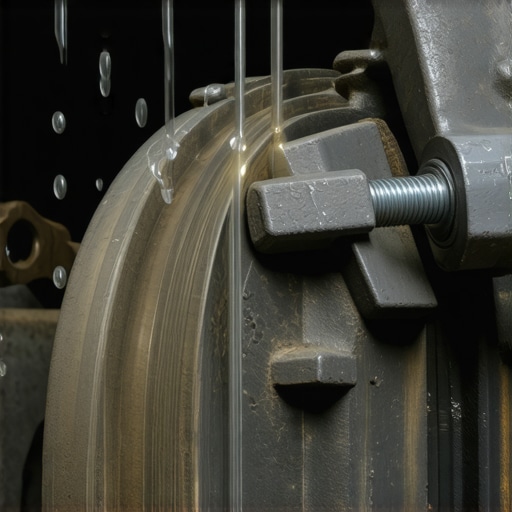
I remember a rainy Tuesday afternoon, trying to stop at a red light on a steep hill. I pressed the pedal, and instead of that firm, reassuring bite, it just sank. Slowly. Like I was stepping on a sponge. My heart skipped a beat as I rolled just a bit too close to the bumper ahead. That was the day I learned that a tiny, hidden leak in a brake caliper isn’t just a someday repair—it’s an emergency right now situation. Most of us want to believe our cars are invincible, but the braking system is a delicate dance of hydraulic pressure. When a caliper starts to weep, that dance turns into a stumble very quickly. Between you and me, I actually made the rookie mistake of ignoring a wet spot on my inner rim for weeks, thinking I had just driven through a puddle. It turns out, I was luckily avoiding a total failure by pure chance. Spotting these signs early isn’t just about saving money on brake system repairs; it is about ensuring your car actually stops when the world gets hectic.
Stop Ignoring That Greasy Smudge on Your Wheel
Look, your car has a way of telling you things are going south long before the dashboard lights up like a Christmas tree. One of the most obvious signs of a failing caliper is what I call the greasy rim. If you see a dark, oily film on one of your wheels that doesn’t wash off with a simple hose-down, you’re likely looking at brake fluid. This fluid is the lifeblood of your stopping power. When the seals inside the caliper begin to perish, the fluid escapes, coating the caliper housing and eventually your wheels. This is a classic example of why troubleshooting common auto repair issues before visiting the shop can save you from a massive headache. If you catch it now, you might just need a seal kit or a single caliper; if you wait, you’re looking at ruined pads and rotors too. I’ve seen folks ignore this until their soft brake pedal that mechanics often miss becomes a complete loss of pressure. According to data from the National Highway Traffic Safety Administration (NHTSA), brake-related issues are the most common vehicle-related factor in crashes, accounting for about 22% of such incidents, which is exactly why we need to be proactive. Have you ever noticed a strange wet spot near your tires and just hoped it was water? Drop a comment below; I want to know if I’m the only one who tried to play ignore the problem until it got scary.
Does a tiny drop of fluid really put you in danger?
The short answer is a resounding yes. Your brake system relies on a sealed environment to multiply the force of your foot into thousands of pounds of pressure at the pads. Even a pinhole leak ruins that math. You might notice why your brake fluid levels keep dropping without a visible leak under the car—that’s because the fluid is often clinging to the suspension or the inside of the tire. There are many brake service myths suggesting a little leak is fine as long as you keep the reservoir topped off, but that is dangerous advice. Air can enter the system through that same leak, leading to a pedal that feels like it’s connected to nothing. We are going to dive into the exact steps to identify these leaks using just your eyes and a flashlight, so you can stay ahead of the curve.
Look Behind the Spokes Before You Pull the Wheel
You do not necessarily need to be a certified mechanic to spot a failing caliper, but you do need to know where the fluid hides. Start by turning your wheels all the way to one side to get a clear view of the back of the caliper. Grab a bright flashlight—not your phone light, but a real beam—and look for any signs of wetness around the bleeder screw and the large rubber boot where the piston meets the brake pad. I once spent three frantic hours hunting what I thought was a ghost leak on an old sedan, only to realize the fluid was escaping from a tiny hairline crack in the bleeder valve that only opened under pressure. If you see a dark, gummy residue, you are likely looking at the aftermath of a leak that has attracted road grime. This is where a car service checklist how to keep your vehicle in top shape becomes your best friend, as it forces you to look at these components during every tire rotation. If the caliper housing looks damp or ‘sweaty,’ you are already in the danger zone.
Give the Pedal a Workout to Force the Leak
Sometimes a leak is so small it only shows up when the system is under extreme load. To find these ‘stealth’ leaks, you need a helper to sit in the driver’s seat and pump the brakes while you watch the caliper. If you are working solo, you can wedge a piece of wood between the seat and the pedal to keep the system pressurized. While the system is loaded, watch the rubber brake line where it enters the caliper. This is the perfect time to learn how to spot a collapsed brake hose in seconds, as they often bulge or weep fluid right at the crimped fitting when pressure is applied. If you see a tiny bead of fluid form and then run down the caliper, you have found your culprit. This pressure test is vital because it separates a real hydraulic failure from just a bit of spilled grease or road splash. 
Distinguish Brake Fluid from Road Grime
Not every wet spot is a death sentence, but you have to know the difference. Brake fluid has a distinct, slightly sweet, and very pungent chemical smell. It feels incredibly oily to the touch—much more so than engine oil—and it won’t evaporate like water. If you are unsure, wipe the area clean with some brake cleaner and a rag, then take a short drive around the block. If the moisture returns immediately, it is definitely a leak. This proactive approach is a core part of maximize your cars lifespan with expert tune-up strategies because it prevents that fluid from eating away at your paint or contaminating your pads. If the fluid gets on the friction material, you will be looking for the only way to fix grinding brakes without replacing rotors, which usually involves a complete parts replacement.
Watch the Piston Seal for Slow Weeps
The most common point of failure is the internal square-cut seal inside the caliper. As these age, they lose their elasticity and allow fluid to bypass the piston. You might find why your brake fluid levels keep dropping without a visible leak is simply because the fluid is being trapped inside the dust boot. Gently peel back the edge of the rubber dust boot with a small flathead screwdriver; if fluid pours out, the internal seal is gone. This is exactly the fix for a soft brake pedal that mechanics keep missing—they check the lines but forget to look inside the boot. Once you have confirmed the leak and performed the repair, you must follow the simple way to bed in new brake pads to ensure your stopping power is fully restored without glazing the new components.Most DIYers and even some shops think a tune-up is just a rigid checklist of parts to swap. In my years under the hood, I have seen people throw hundreds of dollars at new plugs and coils while completely ignoring a tiny vacuum leak or a clogged sensor. If you are just swapping parts because a manual told you to, you are not tuning; you are just guessing. This is why we must maximize your cars lifespan with expert tune-up strategies that prioritize diagnostic data over generic mileage intervals. If you focus solely on the ‘big’ parts, you miss the subtle nuances that keep a modern engine efficient. One major ‘oops’ factor that almost cost me a set of rotors was using the wrong grease on my caliper slide pins. A common myth is that any high-temp grease will do the trick, but petroleum-based lubricants will actually swell the rubber boots, locking the caliper in place and cooking your pads. This is a prime example of troubleshooting common auto repair issues before visiting the shop—using the wrong $5 tube of grease can lead to a $400 repair bill. 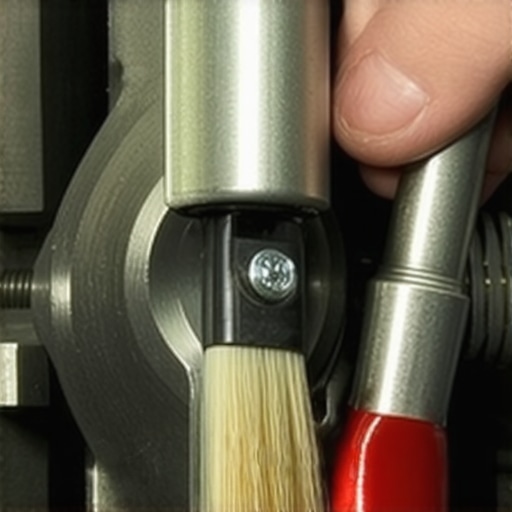
How do you know if your brake fluid is actually compromised by moisture?
It is a sophisticated question because you cannot always tell by looking. While dark fluid is a bad sign, clear fluid can still be dangerous. Brake fluid is hygroscopic, meaning it absorbs water from the air. According to the Car Care Council, nearly 80% of vehicles on the road fail at least one component of a vehicle inspection, often because owners overlook chemical degradation in favor of mechanical wear. When that moisture content hits a certain percentage, your boiling point drops significantly, leading to brake fade during heavy use. This is why the secret to getting 200000 miles out of your original engine and chassis components involves testing the chemistry of your fluids, not just the levels. Sometimes your car might even throw a code that seems unrelated; knowing how to tell if your computer is giving you a false error code can prevent you from replacing a perfectly good master cylinder when you actually just need a fluid flush. Have you ever fallen into the trap of replacing parts that werent actually broken? Let me know in the comments. If you want to keep your stopping power consistent, you have to look past the surface and understand the hydraulic science at play. It is much cheaper to find the only way to fix grinding brakes without replacing rotors early than it is to wait for the metal-on-metal scream. Take the time to do a deep dive during your next service, and your wallet will thank you.If you want to move beyond basic visual inspections, you need to upgrade your toolkit. I’m not talking about buying a ten-thousand-dollar lift, but about investing in a decent bidirectional scan tool. Most people think a code reader is just for clearing the check engine light, but the real power lies in looking at ‘live data’ to how to tell if your computer is giving you a false error code before you start pulling parts. For example, if you suspect a brake issue, some advanced scanners can actually cycle the ABS pump for you, making bleeding the system much easier. I also personally swear by a digital brake fluid tester. It’s a pen-sized device that measures the moisture percentage in seconds. According to the Society of Automotive Engineers (SAE) standard J1703, brake fluid must maintain specific chemical stability to prevent vapor lock, and these testers give you the data to back up your maintenance schedule. 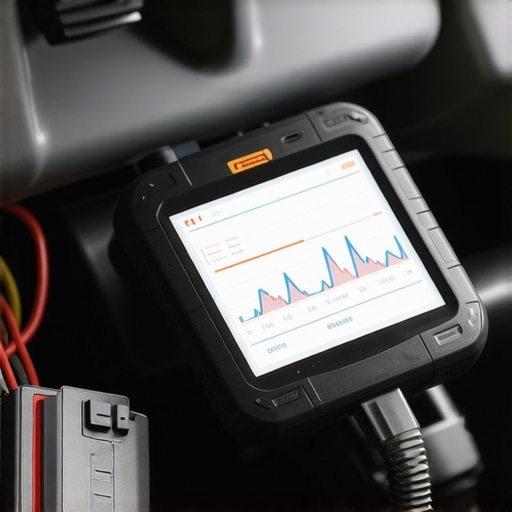
How do I maintain my car’s performance over the long haul?
The secret isn’t a single big repair; it’s the cumulative effect of small, data-driven decisions. You should be following a car service checklist how to keep your vehicle in top shape that evolves as your mileage increases. At 50,000 miles, you’re looking at fluids; at 100,000, you’re looking at seals and sensors. Following tune-up your car for peak performance essential maintenance tips means you aren’t just reacting to failures, you’re preventing them. I’ve seen that how regular tune-ups improve fuel efficiency and safety is often a direct result of keeping your air-fuel ratios perfect by cleaning components like the throttle body or mass air flow sensor. It’s also worth consulting the ultimate car service guide when and why to schedule maintenance to understand that some parts, like timing belts or water pumps, need to be replaced based on age, not just appearance. Looking forward, auto repair trends to watch in 2025 suggest we are moving toward predictive maintenance where your car will tell you a part is going to fail three weeks before it actually does. This is why staying ahead of maximize your cars lifespan with expert tune-up strategies is more important than ever. If you want to try an advanced trick right now, use the ‘cigar’ method to how to identify a vacuum leak using a simple cigar; it’s a low-cost way to find tiny air leaks that cause a rough idle and drive your computer crazy.
The Hard Truth I Learned About Ignoring Wet Wheels
One thing that took me years to truly accept is that car components rarely fail without a warning shot. When I first started working on my own vehicles, I thought a leak had to be a puddle on the garage floor. I learned the hard way that a slow weep is actually more dangerous because it desensitizes you to the slowly degrading performance of your brake system repairs. Here are a few lightbulb moments from my time in the driveway:
- Cleanliness is a diagnostic tool: I now keep my wheels and calipers scrubbed clean. If they are clean, a new leak stands out like a sore thumb.
- Never ‘just top it off’: Adding fluid without finding the leak is like putting a band-aid on a dam. You are just delaying the inevitable.
- Trust your muscle memory: If your pedal feels different today than it did yesterday, you aren’t imagining it. Your leg is a better sensor than most dashboard lights.
The Tools That Saved My Sanity Under the Hood
If you want to stop guessing and start fixing, you need to move beyond the basic socket set. I personally rely on a few specific items to keep my fleet running. First, a high-quality bidirectional scan tool is non-negotiable for modern cars; it is how I learned how to tell if your computer is giving you a false error code before I start swapping parts. Second, a digital brake fluid tester is a cheap way to debunk brake service myths by showing you the actual moisture content in your lines. Finally, I always keep a copy of the specific factory service manual for my vehicle—YouTube is great, but the manual has the specific torque specs that keep your wheels from falling off.
#IMAGE_PLACEHOLDER_E#
Your Journey Toward a Safer Drive Starts with a Flashlight
You do not need to be a master technician to take ownership of your vehicle’s health. By consistently using a car service checklist how to keep your vehicle in top shape, you turn maintenance from a stressful event into a predictable routine. Whether you are hunting for a leak or trying to maximize your cars lifespan with expert tune-up strategies, the goal is the same: peace of mind when you turn the key. Don’t wait for a rainy Tuesday hill to test your stopping power; get out there and look behind the spokes today. Have you ever felt that ‘sinky’ feeling in your brake pedal and wondered if you could make it home? Let me know in the comments below.