
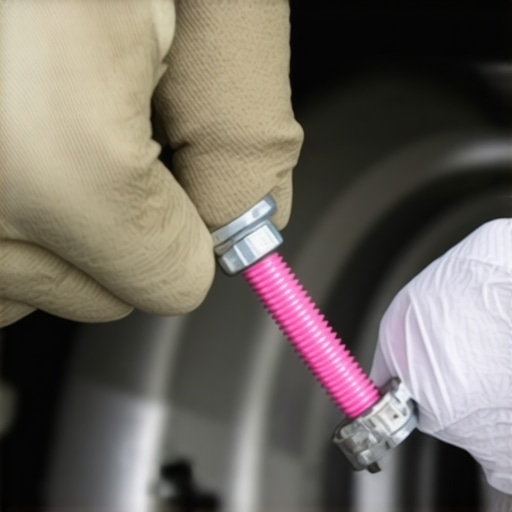
I was standing over the engine bay of my neighbor’s 2018 sedan, flashlight in hand, feeling like I’d lost my mind. I looked left, I looked right, and I practically crawled into the radiator fan trying to find that familiar yellow or red handle. Nothing. The dipstick was gone. It turns out, most modern manufacturers have decided we don’t need easy access to our transmission fluid anymore. They call them ‘sealed units,’ but let me tell you, that name is a bit of a trap. It makes you think the gearbox is a magical box of gears that never needs a drop of fresh oil. Trust me, I’ve seen what happens when you buy into that fairy tale, and it usually involves a tow truck and a bill that’ll make your eyes water.
The Vanishing Dipstick Mystery
I made a huge mistake early on with these newer cars. I assumed that because there wasn’t a dipstick, I didn’t need to worry about the fluid level until the car hit six figures on the odometer. That mistake cost me a whole weekend and a lot of pride when my transmission started slipping on a family road trip. Why I’ll never skip a transmission fluid change again is a lesson I learned the hard way when my own car started hesitating at stoplights. If you’ve noticed your car acting sluggish or if the shifts feel a little ‘clunky’ lately, you’re probably facing the same confusion I did. [IMAGE_PLACE_HOLDER] Today, I’m going to walk you through how to bypass the ‘sealed’ myth and check your levels like a pro. We’re going to find the hidden ports that the manufacturers didn’t want you to mess with. It’s not as hard as it sounds, but it does require a bit of patience and a willingness to get your hands a little greasy. Have you ever popped your hood only to realize your car is missing parts you were sure should be there? It’s a sinking feeling, but don’t panic yet.
Does Sealed Really Mean Maintenance Free?
This is the biggest load of nonsense the industry has sold us lately. According to research from Consumer Reports, the idea of ‘lifetime’ transmission fluid is often a marketing term that doesn’t account for real-world driving conditions like towing, heavy loads, or the brutal stop-and-go traffic we deal with every day. If you ignore your fluid just because the dipstick is missing, you’re missing out on a 5-minute check to prevent transmission failure that could save you thousands. The truth is, fluid breaks down, it leaks, and it gets contaminated over time. No ‘seal’ is perfect forever.
Get Under the Car to Find the Truth
To actually see what’s going on, we have to change our perspective. You won’t find the answers from the top of the engine bay while wearing a clean shirt. You’ll need to get the car level—either on jack stands or a lift—and locate the check plug on the side of the transmission case. It’s often tucked away near the CV axle or the pan, and finding it is the first step toward diagnosing why your transmission shudders on the highway. It’s a bit more work than just pulling a stick and wiping it on a rag, but knowing your fluid level is correct is the only way to sleep soundly at night. We’re going to dive into the specific tools you’ll need and how to read the level by the ‘drip’ method next.
Get Your Car Level Before You Even Touch a Wrench
Checking fluid in a sealed unit is a game of precision, not guesswork. First, you have to get the vehicle perfectly level. If the car is tilted even slightly forward or backward, the fluid will pool away from the check port, giving you a reading that’s completely useless. I recommend using four heavy-duty jack stands or a professional-grade lift if you have access to one. Once it’s up, your next hurdle is temperature. Transmission fluid expands significantly as it heats up, much like a sponge soaking up water. If you check it while it’s cold, you’ll likely overfill it; if it’s boiling hot, you’ll leave it dangerously low. Most manufacturers require the fluid to be between 100°F and 120°F. Following a car service checklist helps ensure you don’t skip these prep steps, which are the foundation of any successful repair. Use an OBDII scanner to monitor the live data for the transmission fluid temperature sensor. If you don’t have a scanner, you might have to guess based on how long the engine has been idling, but that’s a risky move that can lead to how to tell if your computer is giving you a false error code later when the sensors detect a level mismatch.
Find the Secret Port on the Side of the Case
Once the car is level and warm, you need to locate the check plug. This isn’t the drain plug at the very bottom of the pan—don’t make that mistake or you’ll have four liters of red fluid on your shoes in three seconds. The check plug is typically a mid-level bolt on the side of the transmission housing or a standpipe hidden inside the drain hole. 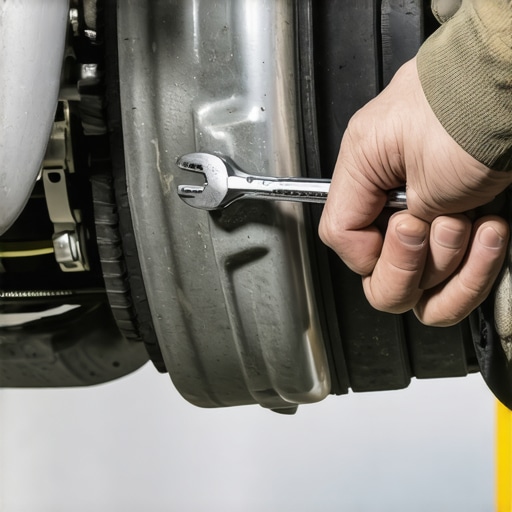 On that neighbor’s sedan I mentioned earlier, the plug was tucked behind a plastic splash shield that required a 10mm socket to remove. It felt like I was searching for buried treasure. When you find it, use a hex key or socket to slowly loosen it. This is where you find out the real difference between a transmission flush and a drain and fill because if you’re just checking levels, you only want to see a tiny bit of fluid escape. If nothing comes out, you’re low. If it gushes, you’re overfilled.
Read the Drip Like a Pro
The ‘drip’ method is the industry standard for sealed units. With the engine running and the transmission in park, you want to see a thin, steady thread of fluid that eventually breaks into a slow drip. That’s the ‘sweet spot.’ I remember the first time I tried this on a German SUV. I thought I was being smart by doing it on a slight incline in my driveway. I opened the check plug, and about a quart of expensive synthetic fluid poured right into my sleeve because the angle was wrong. I ended up spending more on shop towels and degreaser than I would have on a proper jack. That mess taught me that expert tune-up strategies always prioritize the environment you’re working in. If the fluid is dark or smells burnt, you aren’t just low; you’re looking at internal wear. Keeping the fluid fresh is how you improve fuel efficiency and safety by ensuring the gears aren’t fighting through sludge. If you need to add more, you’ll have to pump it in through the fill hole, which is usually located higher up on the case, until it starts to weep back out of the check port. It’s a slow, methodical process, but it’s the only way to ensure your ‘sealed’ gearbox actually survives the decade.
Wait, before you pat yourself on the back for finding that hidden plug, we need to talk about the ‘High Mileage Trap.’ There’s a common belief in many shops—and even among some veteran mechanics—that if a car has over 150,000 miles and the fluid has never been changed, you should just leave it alone. The logic is that the suspended friction material in the dirty fluid is the only thing keeping the worn clutches from slipping. In my experience, that’s just a way to delay the inevitable. If you leave that grit in there, it acts like liquid sandpaper, grinding down your solenoids until you’re left wondering why your transmission won’t shift into its top gear.
The Truth About Lifetime Fluid Ratings
This is where the marketing meets the metal. According to technical documentation from ZF Friedrichshafen AG, a leading manufacturer of modern 8-speed transmissions, their ‘lifetime’ fluids are actually rated for a change every 100,000 kilometers (about 62,000 miles) when subjected to ‘severe’ operating conditions. For most drivers, stop-and-go traffic, mountainous terrain, or towing definitely qualify as severe. If you ignore this, you’re not just risking a breakdown; you’re actively shortening the lifespan of your vehicle. Using a car service checklist to track these intervals is the only way to avoid a catastrophic failure that occurs the moment your warranty expires.
Should You Risk a Fluid Swap on an Old Gearbox?
The real nuance isn’t about *if* you should change the fluid, but *how* you do it. This is the biggest ‘oops’ factor I see: the dreaded power flush. Forcing pressurized fluid through an aged system can dislodge settled debris, pushing it into the tiny passages of the valve body. This often causes why your transmission shudders on the highway shortly after the service. Instead of a flush, I always recommend a simple drain and fill. It’s a gentler process that replaces about 40-60% of the fluid at a time, allowing the system to acclimate to the new friction modifiers without a total shock to the system. This is the gold standard for expert tune-up strategies that actually work.

The Hidden Logic of Adaptive Learning
One detail most DIYers miss is that your car’s computer is actually ‘watching’ the fluid age. Modern Transmission Control Modules (TCMs) use adaptive learning to increase line pressure as the fluid thins out over time. If you swap in fresh, viscous fluid but don’t reset these ‘adaptive values’ using a high-end scan tool, the computer will still apply high pressure to the new fluid. This is often the real reason why your transmission clunks when shifting into reverse or feels jerky after a service. It’s not that the new fluid ‘broke’ it; it’s that the computer hasn’t been told to start fresh. This level of detail is what separates a basic oil change from professional brake system repairs and drivetrain maintenance. Have you ever fallen into this trap of believing ‘lifetime’ actually meant the life of the car? Let me know in the comments.
If you want to move from being a ‘parts swapper’ to a real diagnostic pro, you need to stop relying on the twenty-dollar code reader from the bargain bin at the local auto parts store. I personally use a bidirectional scan tool—specifically a mid-range tablet like an Autel or Launch—because it allows me to command the transmission solenoids and reset those pesky adaptive values we discussed. Without bidirectional control, you are basically working blindfolded. This is a critical part of how you maximize your cars lifespan with expert tune up strategies. When I was performing understanding brake system repairs on a newer Euro-spec sedan, I found out the electronic parking brake required a specific software command just to retract the pistons. If you don’t have the right digital keys, you cannot even change your brake pads without snapping a five-hundred-dollar actuator motor. 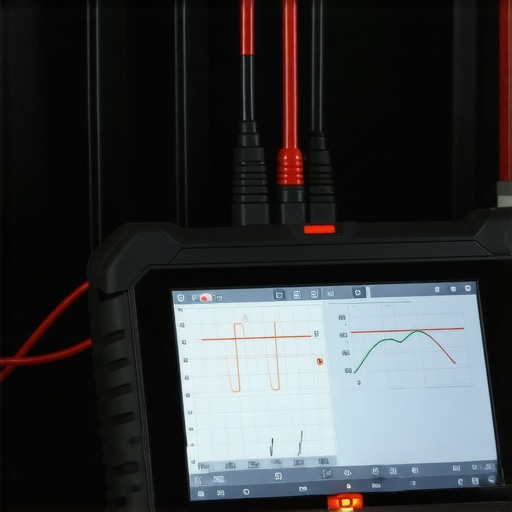
How can I keep my sealed unit alive for 200,000 miles?
Consistency beats intensity every single time. Instead of waiting for a shift flare and performing a massive, desperate repair, I stick to a strict 40,000-mile drain and fill interval, regardless of what the owner’s manual claims. This keeps the detergent levels high and the heat-damaged molecules low. According to technical documentation from Aisin Warner, fluid in high-torque transverse applications can lose significant lubricating efficiency by the 50,000-mile mark due to shear stress alone. If you follow the ultimate car service guide, you will see that proactive fluid management is the cheapest insurance policy you will ever buy. It is the difference between a vehicle that feels loose at 100,000 miles and one that still shifts like it is on the showroom floor. Beyond the gearbox, don’t forget the rest of the drivetrain; how to save your transmission from heat damage often involves ensuring your cooling system is perfectly bled and your radiator fins are clear of debris.
The Future of Repair in a Software-First World
Looking ahead, I see auto repair trends to watch in 2025 moving even further into a ‘walled garden’ approach. We are likely to see engines and transmissions that require a manufacturer-authenticated cloud connection just to verify a simple fluid change. It sounds like science fiction, but it is already happening with battery registrations and ADAS safety sensors. The best thing you can do right now to prepare is invest in a high-quality, updatable diagnostic platform that supports ‘Can-FD’ and ‘DoIP’ protocols. This allows you to perform troubleshooting common auto repair issues before you are forced to visit a dealership. Do not let the tech intimidate you; it’s just another tool in the box, like a socket or a pry bar. Go ahead and look up your specific vehicle’s technical service bulletins tonight. You might be surprised to find that your supposedly ‘sealed’ unit actually has a factory-approved service procedure that the dealership neglected to mention.
The Hardest Lessons My Tool Chest Taught Me
After decades of turning wrenches, I’ve realized that the ‘sealed’ label is less about engineering and more about economics. One lightbulb moment for me was realizing that temperature control is the absolute king of this procedure. I once ignored the sensor data and relied on ‘feeling’ the transmission pan; I ended up overfilling the unit by nearly a pint, which caused aeration and erratic shifting. Another hard lesson is that you should never trust a ‘lifetime’ rating in a coastal or mountain environment. Salt air and steep grades accelerate fluid oxidation faster than any lab test predicts. Finally, always document your findings. If you see fine metallic glitter in that initial drip, you are catching a problem before it leaves you stranded. Troubleshooting common auto repair issues early on is the only way to avoid the five-thousand-dollar replacement bill later.
The Reliable Tech I Use Every Day
If you are going to tackle these modern systems, you cannot rely on guesswork. I personally trust three specific resources to get the job done right. First, a bidirectional scan tool is mandatory for resetting those adaptive values I mentioned earlier. I also suggest using a high-quality fluid transfer pump with a hooked nozzle—it makes filling through those cramped side ports much cleaner. Lastly, I always cross-reference my work with factory-level service data like AllData or ProDemand. These platforms provide the exact technical service bulletins that reveal auto repair trends to watch in 2025, ensuring you aren’t using an outdated procedure on a newer valve body design.
[IMAGE_PLACE_HOLDER]
Stop Fearing the Sealed Case
The transition from mechanical dipsticks to digital monitoring can feel like losing control over your own machine, but it is actually an opportunity to become a more precise technician. When you take the time to level your vehicle, monitor the live data, and read the drip, you are doing more for your car than 90% of the drivers on the road. This proactive mindset is exactly how you maximize your cars lifespan with expert tune up strategies. You aren’t just a driver anymore; you are the primary advocate for your vehicle’s health. Don’t let a missing dipstick or a ‘sealed’ label stop you from performing the essential maintenance that keeps your transmission shifting smoothly for years to come. Following the ultimate car service guide will keep you ahead of the curve and your car out of the scrap yard. What was the most surprising thing you found when you finally cracked open your ‘sealed’ transmission? Let me know in the comments below!