
I remember cruising down I-77 last summer, the sun hitting the dash just right, thinking I was making great time. Then I noticed the tachometer. The needle was buried way higher than it should’ve been at 65 mph. My engine was screaming like it was trying to win a drag race, but I was just trying to get to the grocery store. My transmission simply refused to drop into that final, fuel-saving top gear. It’s a gut-wrenching feeling. You start calculating the cost of a new car while you’re still behind the wheel. I’ve been there, and I’ve made the mistake of thinking my car was just getting old until I realized I was actually cooking my internals. Today, we’re going to figure out exactly why your car is holding onto those gears for dear life and how you can fix it without necessarily selling a kidney.
Stop the Screaming Engine and Save Your Gas Mileage
When your car won’t hit overdrive, you’re not just dealing with a noisy ride; you’re actively hurting your wallet. High RPMs for extended periods lead to massive heat buildup. I learned the hard way that heat is the absolute silent killer of automatic gearboxes. If you don’t act fast, you’ll need to know how to save your transmission from heat damage before it’s too late. Years ago, I ignored a similar issue on an old truck. I thought a little slipping was normal for a vehicle with 150k miles. Big mistake. I ended up stuck on the shoulder with a puddle of burnt-smelling red fluid under the bumper. According to a study by the Car Care Council, almost 70% of transmission failures are caused by overheating, often preventable with simple fluid maintenance. If I had just performed the 5-minute check to prevent transmission failure, I could have saved three thousand dollars.
Is my transmission actually dying or is it just a sensor?
This is the fear that keeps us up at night. You assume the worst—a full rebuild. But more often than you’d think, it’s just a computer being stubborn or a solenoid that’s given up the ghost. You can even try the DIY way to test a transmission solenoid at home before you let a shop tell you that you need a whole new unit. Have you ever felt that thud or noticed your RPMs hanging high on the highway? Reach out and let me know; I’d love to hear what your car is doing. Before we grab the wrenches, we need to talk about why the limp mode might be your car’s way of protecting itself. It might be time to weigh the real difference between a transmission flush and a drain and fill to see if fresh fluid is the easy cure. [image placeholder]
Look at the Fluid Before You Look at Your Bank Account
Before you let a mechanic talk you into a four-figure rebuild, you must check the blood of your transmission. Transmission fluid isn’t just a lubricant; it is hydraulic pressure in a bottle. If the level is low, the system simply cannot build the pressure needed to engage that final gear set. Pull the dipstick while the engine is warm and idling. Is the fluid bright pinkish-red, or does it look like old soda? If you notice a pungent, acrid odor, you need to investigate the real reason your transmission fluid smells like fish. I once helped a neighbor whose sedan refused to shift past third gear. He was ready to scrap the car. We checked the fluid, found it was two quarts low due to a pinhole leak, and topped it off. It snapped back into overdrive immediately. It was a ten-dollar fix for what he thought was a three-thousand-dollar disaster. 
Why Your Computer Might Be Playing Defense
Modern transmissions are essentially computers with gears attached. If your Engine Control Unit (ECU) detects even a slight slip or a sensor reading out of range, it might trigger a fail-safe known as limp mode. This locks the car in a lower gear to prevent you from shredding the internal clutches. It is incredibly frustrating, but your car is actually trying to save its own life. You should verify how to tell if your computer is giving you a false error code before you start buying hard parts. Sometimes, a simple session troubleshooting common auto repair issues before visiting the shop reveals that a dirty mass air flow sensor is tricking the transmission into thinking the engine is under a massive load, causing it to hold onto third gear for power.
The Temperature Trap That Kills Top Gear
Overdrive is often the first thing the computer sacrifices if it thinks the engine is getting too hot. If your cooling system is struggling, the car will disable the top gear to keep the RPMs in a range that helps the water pump spin faster and reduces load. This is why knowing the best time of year to flush your cooling system is more than just routine maintenance; it is transmission insurance. I spent an entire weekend chasing a shifting issue on an old SUV only to realize a partially clogged radiator was causing the fluid to hover just ten degrees above the safe threshold. The car didn’t overheat, but it was just hot enough to make the computer terrified of fourth gear.
Test the Gatekeepers of Your Gearbox
Think of solenoids as the gatekeepers of your transmission. They are small electro-magnetic valves that open and close to direct fluid to specific gear sets. If the overdrive solenoid gets stuck or its internal coil fails, that gate stays shut. You can often test these with a simple multimeter from the comfort of your driveway. If you are already performing a tune up for peak performance, take the extra time to inspect the wiring harness for corrosion. A tiny bit of green crust on a connector can stop a solenoid from firing, leaving you screaming down the highway at 4,000 RPMs for no reason.
While we are looking at these ‘gatekeepers,’ let’s address the elephant in the room: the ‘lifetime fluid’ lie. Most people believe that if the transmission isn’t slipping, everything is fine. That is a dangerous assumption. In my experience, the shift toward ‘lifetime’ fluids is one of the biggest disservices to car owners in the last two decades. While manufacturers claim their transmission fluid is good for the life of the vehicle, in the world of high-performance diagnostics, ‘lifetime’ usually means ‘until the factory warranty expires.’ I’ve seen fluid from a 60,000-mile ‘sealed’ unit that looked like charred coffee. If you’re pushing a high-mileage vehicle, sticking to those long intervals is a recipe for disaster. I’m a huge advocate for more frequent checks because maximizing your car’s lifespan with expert tune-up strategies is always cheaper than a tow truck.
Does your car’s computer hide mechanical wear from you?
Here is the advanced nuance most DIYers miss: modern transmissions have ‘Adaptive Learning.’ This means the computer detects internal clutch wear and automatically compensates by increasing line pressure or timing the shifts differently to keep the drive-feel consistent. You might think the car is driving perfectly, but the ECU is actually working overtime to mask a slipping clutch or a slow solenoid. By the time you actually feel a shudder or a delay, the internal damage is often permanent. According to research from the Automatic Transmission Rebuilders Association (ATRA), even a 20-degree increase in operating temperature can cut the life of your fluid—and your internal seals—in half. This is why staying ahead of the curve with auto repair trends and monitoring your trans-temps is so vital.One massive ‘trap’ I see people fall into involves brake service. They buy the most expensive ceramic pads but skip the actual mechanics of the system. If your slide pins are bone-dry or your brake fluid is contaminated with moisture, those new pads will wear unevenly in weeks. You have to look at the bigger picture of brake system repairs. I once saw a guy replace his rotors three times in a single year because he didn’t realize a collapsed brake hose was acting like a one-way valve, keeping his caliper partially engaged and cooking the rotor. 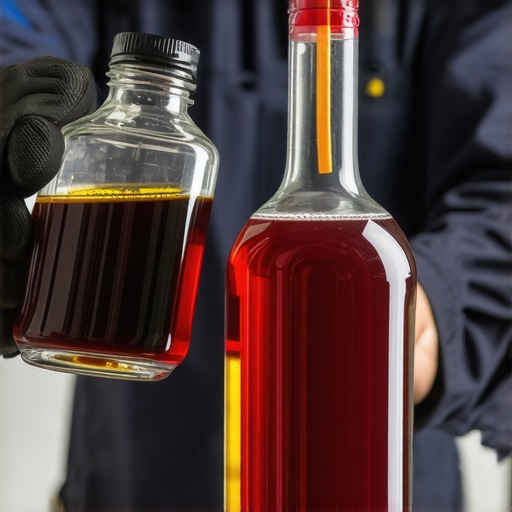 The ‘oops’ factor doesn’t stop at brakes. Many enthusiasts think all red fluid is the same. Using a generic ‘multi-vehicle’ ATF in a gearbox that requires a specific low-viscosity fluid (like Dexron VI or Mercon LV) can cause the very overdrive issues we’re trying to fix. The friction modifiers are different. If the fluid is too ‘slippery’ for the internal clutches designed for a specific grip level, the computer will detect the slip and kick you out of top gear. Before you commit to a major repair, check brake service myths and transmission misconceptions to ensure you aren’t actually causing the problem yourself.Another common myth is that a ‘tune-up’ is just about spark plugs. Today, a real tune-up involves cleaning the throttle body and checking for the hidden benefits of cleaning your mass air flow sensor. If your MAF sensor is dirty, it sends incorrect engine load data to the transmission, which leads right back to our original problem: the car refusing to shift into overdrive because it thinks you’re constantly towing a heavy trailer. Have you ever fallen into this ‘lifetime fluid’ trap or had a sensor lie to you? Let me know in the comments. Before you throw in the towel, remember that knowing when and why to schedule maintenance can turn a potential scrap heap into another 100,000 miles of reliable driving.The tool that changed my DIY life isn’t a five-hundred-dollar pneumatic wrench; it’s a relatively affordable bi-directional OBD-II scanner. If you’re still using a basic code reader that only gives you a P-code and nothing else, you’re essentially flying blind. A bi-directional tool allows you to command the car’s computer to actually perform tasks, like clicking a specific transmission solenoid on and off while you listen for the mechanical ‘thump.’ This is how I diagnosed a sticky fourth-gear gate without ever dropping the pan. When you combine this with a thorough car service checklist, you stop guessing and start knowing. I also swear by a non-contact infrared thermometer. After a highway run, I’ll point it at the transmission pan and each wheel hub. If one hub is fifty degrees hotter than the rest, I know I have a sticking caliper or a failing bearing long before I hear any grinding.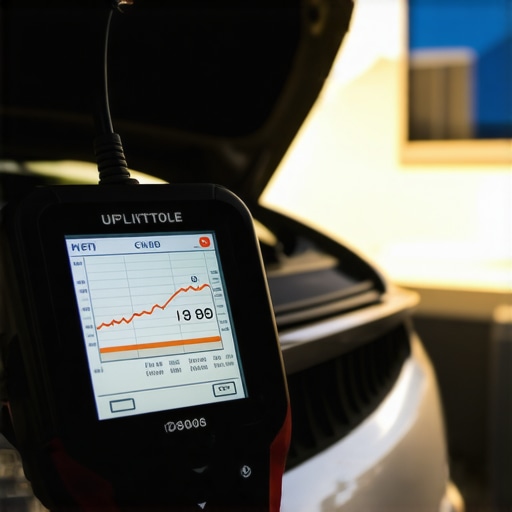
Data Shows You the Future of Your Engine
Most people wait for the ‘Check Engine’ light to act, but by then, the damage is already being logged. I’ve started looking at ‘Long Term Fuel Trims’ and ‘Freeze Frame’ data. Freeze frame data is like a black box for your car; it records exactly what was happening the second a fault occurred—RPM, engine load, and even coolant temperature. This is crucial for troubleshooting common auto repair issues before visiting the shop. If your car refused to hit overdrive only when the coolant was exactly 220 degrees, the freeze frame will tell you. To really push for longevity, you have to be proactive about things like how to spot a failing U-joint before your driveshaft drops, because mechanical vibrations are the fastest way to kill transmission seals. According to technical standards like SAE J2982, which outlines brake lining performance and thermal stability, maintaining the physical integrity of your friction materials is just as much about heat management as it is about the thickness of the pads.
How do I maintain my transmission and brakes over time?
The secret isn’t a single ‘magic fix,’ but a commitment to fluid chemistry. I recommend testing your brake fluid with moisture strips every year. If it hits 3% moisture content, flush it immediately to avoid losing pressure in your brake booster or rotting your ABS module from the inside out. For the transmission, stop believing in ‘flushes’ for high-mileage cars and stick to the drain-and-fill method every 30,000 miles. This replaces about a third of the fluid and the filter without shocking the system with high-pressure cleaners. This is truly the secret to getting 200,000 miles out of your original engine and gearbox. If you ever feel a slight vibration, don’t wait; it could be the difference between the only way to fix grinding brakes without replacing rotors and a complete axle overhaul.
Prepare for the Shift Toward Digital Maintenance
Looking ahead, car repair is moving away from just greasy hands and toward software calibration. As we see more auto repair trends to watch in 2025, even a simple brake job on a modern SUV might require a computer to retract the electronic parking brake or recalibrate the radar sensors for the cruise control. We are entering an era where ‘tuning up’ means updating firmware as much as it means changing spark plugs. If you’re feeling overwhelmed by the tech, feel free to contact us with your specific symptoms. My challenge for you this weekend: don’t just check your oil. Pull out your scanner and look at your transmission fluid temperature after your normal commute. If it’s consistently over 200 degrees, you’ve just found your next weekend project before it turns into a breakdown.
Hard-Earned Lessons from the Transmission Trenches
Over the years, I’ve learned that a car refusing to shift into top gear is rarely a single component failure but a ‘conversation’ gone wrong between the engine and the gearbox. First, never ignore the ground wires. A single rusty connection on the chassis can cause voltage drops that confuse the transmission computer, making you think you need a full rebuild when you really just need a wire brush. Second, ‘cleaning over replacing’ is a valid strategy; I’ve seen many sticky solenoids brought back to life with a careful cleaning rather than a costly replacement. Lastly, always correlate your symptoms. If you’re also noticing stopping issues, take a moment for understanding brake system repairs because a dragging caliper creates the same engine load as a heavy trailer, preventing that shift into overdrive and destroying your gas mileage.
Gear That Actually Saves You Money
You don’t need a professional shop to get professional results, but you do need the right diagnostics. I swear by my bi-directional scan tool, which lets me ‘talk’ to the car and activate solenoids while the engine is off to hear if they are clicking. I also never travel without a non-contact infrared thermometer; it’s the fastest way to see if a wheel hub is overheating or if your transmission pan is running too hot. If you’ve just finished a brake service, knowing the simple way to bed in new brake pads is essential to ensure your friction surfaces don’t glaze over and cause the very drag that kills fuel economy. For long-term health, I keep a dedicated logbook for every car service, tracking fluid colors and temperatures so I can spot a trend before it becomes a breakdown.
Don’t Let the Dashboard Lights Win
Taking care of your own auto repair is about more than just saving money; it’s about the peace of mind that comes from knowing exactly what’s happening under the hood. When you understand how regular tune ups improve fuel efficiency and safety, you realize that every sensor you clean and every fluid you check is a direct investment in your car’s longevity. Don’t be intimidated by the complexity of modern electronics. Start with the basics, like verifying if your master cylinder is failing internally or simply checking your transmission fluid level. You have the tools and the knowledge to keep that engine humming in top gear for years to come. Have you ever had a simple sensor fix a massive shifting problem, or are you currently stuck in limp mode? Let me know in the comments below!