

It is 6:00 AM, the air is crisp enough to see your breath, and you are already five minutes late. You hop into the driver’s seat, swing your leg over, and go to tap the brake so you can hit the start button. But instead of that familiar, slight give, the pedal feels like it is made of solid granite. It does not budge. My heart absolutely sank the first time this happened to me. I sat there in my driveway, coffee getting cold, wondering if I was about to drop a thousand dollars on a brake service I hadn’t budgeted for. It is a visceral, unsettling feeling when a primary safety feature feels like it has just quit on you overnight.
Don’t Panic When Your Brake Pedal Won’t Budge
I will be the first to admit that I handled my first “hard pedal” morning poorly. I assumed the worst, called out of work, and almost ordered a new master cylinder before I even opened the hood. Through a lot of greasy knuckles and reading through an understanding of brake system repairs, I realized that a stiff pedal after a cold night is often just a symptom of a vacuum leak. Your brake booster is essentially a big lung that helps your foot press the pads against the rotors. If that lung loses its breath while the car sits, you are left doing all the heavy lifting manually. If you are worried about the cost, remember that brake service myths often make these issues sound scarier than they actually are. Usually, it is a tiny rubber check valve or a seal that has seen better days.
Is a stiff morning pedal actually a sign of total failure?
This is the question that kept me up at night. Is the car even safe to drive once it finally starts? The truth is, while a stiff pedal in the morning is a nuisance, it is often a precursor to a bigger issue rather than a total system collapse. However, you should not just ignore it. According to data from the National Highway Traffic Safety Administration, brake system failure is a significant factor in accidents involving mechanical malfunctions. I learned the hard way that ignoring the small signs leads to bigger headaches. Now, I always include a quick vacuum check as part of my regular car service checklist to ensure everything is airtight. Have you ever stepped on your brakes in the morning and felt like you were trying to push over a brick wall? I would love to hear if it happens to you only in the winter or all year round.
Before you go sprinting to the mechanic, there are a few simple ways to figure out how to tell if your brake booster is losing pressure right in your own driveway. Most of the time, we are looking at a simple fix that does not require a full auto repair overhaul, provided you catch it before that slow leak turns into a no-vacuum situation while you are actually on the highway.
Locate the Vacuum Hose Before You Buy Parts
The first thing you need to do is pop the hood and look for a thick, black rubber hose that runs from the back of the engine to a large, round black drum against the firewall. That drum is your brake booster, and the hose is its lifeline. Think of this hose like a straw; if there is even a pinhole leak, the vacuum pressure drops, and your pedal gets heavy. I once spent two hours trying to figure out why my truck felt like a tank, only to realize a squirrel had taken a tiny nibble out of the underside of that hose. It was a five-dollar fix that I almost turned into a five-hundred-dollar auto repair bill. You can actually learn how to detect a small vacuum leak using a simple cigar or a piece of incense if you don’t have professional diagnostic tools. Simply blow smoke near the hose while the engine is running; if the smoke gets sucked into a specific spot, you have found your culprit.
The Five-Minute Pedal Test
If the hose looks solid, you need to test the internal health of the booster. This is a classic brake service trick that requires zero tools. With the engine off, pump the brake pedal five or six times. You will feel it get firmer and firmer until there is almost no travel left. Once it is rock hard, hold your foot firmly on the pedal and start the engine. If the booster is working, the pedal should sink slightly under your foot—about an inch or so—as the vacuum takes over. If it stays as stiff as a board, you are definitely looking at a failure in the booster or the vacuum supply. This is a vital step in how to tell if your brake booster is losing pressure before you start ripping things apart. If you find the pedal stays hard, it is time to look at the check valve rather than assuming the whole unit is dead.
Why a Cheap Plastic Valve Might Save Your Budget
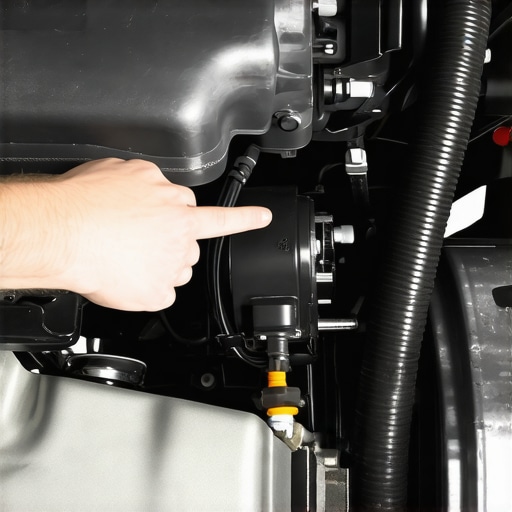
The check valve is that little plastic elbow where the vacuum hose connects to the booster. Its only job is to let air out but not back in. When these fail, they can stick open or closed. I remember a particularly freezing morning in February when my pedal wouldn’t budge. I pulled the check valve and realized moisture had gotten inside and frozen the internal flap shut. A quick blast of warm air and some WD-40, and I was back on the road. Including a check of these small components in your car service checklist can prevent those terrifying morning surprises. If you are already under there, it is a great time to tune up your car for peak performance by ensuring all your vacuum lines are supple and not dry-rotted.
Handle the Small Issues Before They Grow
Oftentimes, a stiff pedal is just the beginning. While you are investigating the vacuum system, take a second to peek at the brake fluid reservoir. If you see fluid leaking from the back of the master cylinder into the booster, it will eventually eat the rubber diaphragm inside. This is one of those troubleshooting common auto repair issues that people often miss until the brakes start making a hissing sound every time they are pressed. If you catch a leak early, you might only need to replace a seal. If you wait, you will be replacing the whole booster. Also, if you notice the car acting up after wet weather, you might want to look into how to stop your brakes from grinding after it rains to keep the entire system from corroding prematurely.
Let’s dig deeper into the actual mechanics of what is happening under your floorboards. While we often focus on the booster when things get stiff, there is a massive industry misconception I need to clear up: brake rotors almost never actually ‘warp’ in the way people think. You will hear mechanics and DIYers alike complain about why your brake rotors keep warping every few months, but unless you are subjecting them to extreme track conditions, that cast iron is not literally bending out of shape. What you are actually feeling is Disc Thickness Variation (DTV). Expert technical studies from publications like Brake & Front End magazine have shown that the ‘pulsing’ or ‘stiffness’ is usually caused by uneven brake pad material transferring onto the rotor surface. This happens when hot pads are held against a stationary rotor (like at a stoplight after a hard hill descent), creating a ‘footprint’ of material that hardens into cementite. This is one of the biggest brake service myths that leads people to spend hundreds on new parts when a proper bedding-in procedure was the real solution.
The Simple Torque Mistake That Ruins New Parts
Here is the ‘oops’ factor that most beginners—and even some rushed shops—miss during a brake service. When you finish your auto repair and put your wheels back on, do you just zing the lug nuts on with an impact wrench? If you do, you are likely creating the very pulsation you just tried to fix. Uneven pressure on the wheel hub is the primary catalyst for rotor distortion over thousands of miles. You must learn the correct way to torque lug nuts to prevent rotor warping by using a calibrated torque wrench in a star pattern. I have seen countless DIYers replace perfectly good boosters only to find the pedal still feels ‘off’ because the hub interface was never cleaned or torqued properly. This attention to detail is how you maximize your car’s lifespan with expert tune-up strategies; it is the precision in the small tasks that prevents the massive bills later on.#IMAGE_PLACE_HOLDER_C#
Why Does the Pedal Stay Hard Even After the Car Warms Up?
If you have checked the vacuum, confirmed your master cylinder is healthy, and your torque is spot-on, but the pedal still feels ‘wooden,’ you might be dealing with glazed pads or seized caliper slide pins. This is the hidden culprit behind a spongy brake pedal that can also manifest as a hard pedal if the pads are not engaging parallel to the rotor. When the slide pins seize due to heat or lack of lubrication, only one pad is effectively doing the work. This forces you to exert significantly more physical pressure to stop the vehicle, mimicking a booster failure. As we track auto repair trends to watch in 2025, we see more complex braking systems, yet the physical health of a simple metal pin remains the most common failure point. Have you ever fallen into the trap of replacing the most expensive component first, only to realize a five-dollar tube of silicone grease was the answer? Let me know your ‘parts cannon’ stories in the comments below.
Stop Guessing and Start Measuring with a Real Scanner
Moving from the frustration of a ‘parts cannon’ approach to a professional mindset requires better data. I eventually realized that my eyes and ears could only take me so far when diagnosing a heavy pedal. To move past the basic level of “maybe this is broken,” I invested in a mid-range bidirectional scanner. While a standard OBD2 tool tells you why a check engine light is on, a bidirectional tool allows you to command the ABS pump to cycle or view brake pressure sensor values in real-time. This was a total game-changer for me when troubleshooting common auto repair issues before visiting the shop. Instead of guessing if the master cylinder was bypassing internally, I could watch the pressure hold steady or drop digitally. It is exactly how professional diagnostics found my ghost electrical leak in the past, and it applies just as heavily to your braking and safety systems.
How do I keep my brakes performing like new over the long haul?
The secret to longevity isn’t just about changing the pads when they squeak; it is about managing the chemistry of your fluid. Most drivers ignore their brake fluid until it looks like dark coffee, but according to SAE International standard J1703, brake fluid is hygroscopic—meaning it actively absorbs moisture from the atmosphere. Over time, that water lowers the fluid’s boiling point and corrodes expensive ABS valves from the inside out. I now make it a point to perform a full fluid flush every two years as a non-negotiable part of my car service checklist. By being proactive, you can maximize your car’s lifespan with expert tune-up strategies that most owners completely overlook until a component fails.
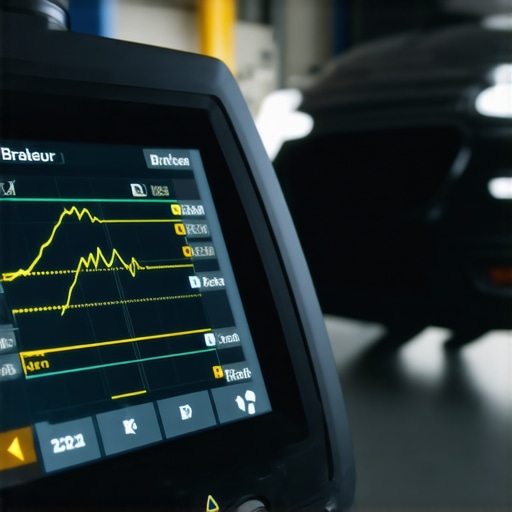
If you want to get truly technical, I recommend buying a pack of copper test strips. These strips measure the level of additive depletion in the fluid, giving you a scientific reason to flush the system rather than relying on a visual guess. Looking toward the future, the way we maintain our vehicles is shifting rapidly. As we track auto repair trends to watch in 2025, the traditional vacuum-assisted booster is slowly being replaced by electric iBoosters and full “Brake-by-Wire” systems. These systems are incredibly precise but require specialized software to calibrate after a brake service. This means the future of a DIY tune up will involve more tablets and fewer hammers. If you are unsure about the timing for these more advanced tasks, consult the ultimate car service guide when and why to schedule maintenance to stay ahead of the curve. My advanced tip for you this week: Go out to your car, plug in even a basic scanner, and try to find the “Live Data” stream for your brake pressure. Seeing the numbers climb as you press the pedal will give you a much deeper understanding of the physical force required to stop your vehicle.
Lessons Learned from the Greasiest Knuckles in the Driveway
After years of tackling DIY auto repair, I’ve realized that a stiff pedal is usually your car trying to tell you something important, not just an expensive inconvenience. One big lightbulb moment for me was realizing that a microscopic crack in a vacuum hose can perfectly mimic a $400 booster failure. Another was learning that if I ignore the ultimate car service guide when and why to schedule maintenance, I end up wasting my weekend chasing ghost problems that could have been prevented with a ten-minute inspection.
- Don’t jump to conclusions: Most brake issues start small. Check the simple things like the check valve and hose before buying big parts.
- Cleanliness saves money: Keeping your caliper pins lubricated prevents that wooden pedal feel that people often mistake for total system failure.
- Data is your friend: Using a basic vacuum gauge can confirm a leak in seconds, taking the guesswork out of your next brake service.
The Specific Gear That Saved My Sanity
I never start a brake job without a few essentials that make the process foolproof. First, a high-quality torque wrench is non-negotiable. I’ve seen exactly how the correct way to torque lug nuts to prevent rotor warping can save you from that annoying steering wheel shake. I also highly recommend a handheld vacuum pump. It allows you to test the booster’s ability to hold vacuum while the engine is off, which is a definitive way to find a leak. Lastly, I swear by using copper test strips for my fluid; it’s the only scientific way to maximize your car’s lifespan with expert tune-up strategies by knowing exactly when the chemistry of your brake fluid has failed.
#IMAGE_PLACEHOLDER_E#
Take the Fear Out of Your Morning Start
Stepping on a rock-hard brake pedal at 6:00 AM doesn’t have to ruin your day. By understanding the vacuum system and keeping up with your car service, you can catch these issues long before they become emergencies. Remember, being a savvy owner is about troubleshooting common auto repair issues before visiting the shop. You have the tools and the knowledge to keep your vehicle safe and responsive. Have you ever replaced a major part only to find out a $5 plastic valve was the real culprit? Let me know your parts cannon stories in the comments below!