
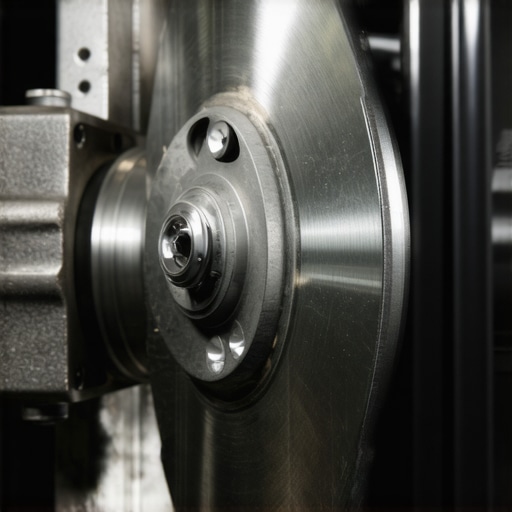
I remember sitting in my driveway, sweat dripping down my forehead, feeling that triumphant glow of a job well done. I had just finished my first solo brake service, swapping out the old, dusty pads for shiny new ones. But the second I eased off the clutch and tapped the pedal, it happened. EEEEEK. That high-pitched, soul-crushing squeal echoed off my neighbor’s garage. It wasn’t just a tiny chirp; it was a piercing scream. I felt like a total failure. After all, new parts shouldn’t sound like a banshee, right? Well, it turns out I made the same rookie mistake many of us do: I focused on the shiny new parts but completely ignored the physics of vibration. It was a humbling lesson that taught me that silence in a car is earned, not just bought. [image_placeholder]
The High-Pitched Heartbreak of New Brake Pads
It’s incredibly frustrating when you invest your hard-earned time and money into brake system repairs only to have your car sound worse than it did with the worn-out components. We often fall into the trap of thinking “new” automatically means “perfect,” but in the world of auto repair, new components have to play nice with the existing hardware. Early in my DIY days, I skipped applying lubricant to the back of the brake plates because I didn’t want to “make a mess” or get grease on the pads. That was a huge mistake. That metal-on-metal vibration is exactly what creates that high-frequency noise. According to data from the National Institute for Automotive Service Excellence (ASE), nearly 80% of brake noise complaints are actually related to installation errors or harmonic vibrations rather than the actual friction material being defective. If you haven’t properly “bedded in” your pads or used the right shims, you’re basically driving a giant violin with the road as your bow.
Is it actually possible to have quiet brakes without spending a fortune?
You might be worried that you bought the “cheap” pads or that your rotors are secretly warped. While part quality is a factor, the real culprit is usually something much simpler and cheaper to fix. Today, I’m going to walk you through exactly why your car sounds like a freight train and how you can silence it without another expensive trip to the shop. Sometimes, an honest brake inspection reveals that it’s just a lack of proper lubrication or a tiny metal clip that’s out of alignment. Have you ever finished a repair only to have an annoying new sound pop up the very next day? Let me know in the comments—I’ve been there, and I know exactly how much it stings. We are going to get to the bottom of the squeak so you can finally enjoy the quiet ride you deserve.
Scrub Every Surface Like You’re Prepping for Surgery
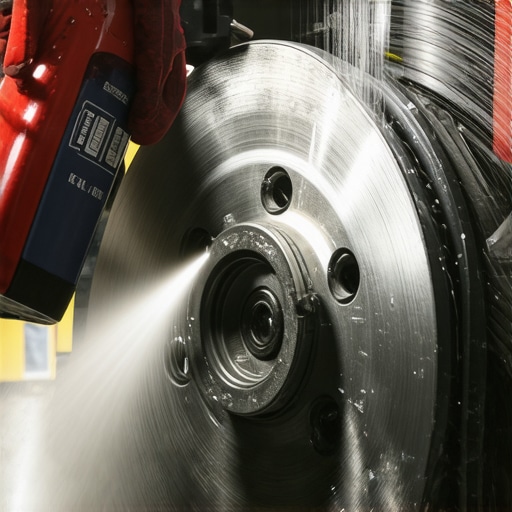
The first rule of a silent car service checklist is that dirt is the enemy of quiet. When you buy new rotors, they often come coated in a thin layer of protective oil to prevent rust while they sit on a warehouse shelf. If you do not scrub that off, it bakes onto your new pads, creating a glazed surface that shrieks every time you slow down. I once made the mistake of thinking it would just burn off on my old sedan. Within two days, the smell was atrocious and the noise was unbearable. I had to strip the whole system down and start over, losing an entire Saturday. Always use a generous amount of brake cleaner on both sides of the rotor until the cloth comes away perfectly white. This ensures the friction material can actually grip the metal rather than sliding on a film of oil, which is a major reason why your brake rotors keep warping or making noise prematurely.
Give Those Vibrations a Place to Die
Think of your brake pads as a violin bow and the rotor as the string. If they can vibrate freely against the metal caliper, they will produce music—bad music. To stop this, you need to apply high-temperature brake grease to the contact points. This does not go on the friction side (never do that!), but on the back of the pads where they touch the piston and the ‘ears’ where they slide into the bracket. It acts like a silencer, absorbing the micro-vibrations before they turn into audible sound. If you are troubleshooting common auto repair issues like a persistent chirp, check those shim clips. If they are old and brittle, they will not hold the pad steady. While you are at it, if you hear a noise coming from the floorboards, you might actually need to learn how to quiet a squeaky brake pedal inside your cabin, which is a different maintenance task entirely.
Make the New Parts Play Nice Through Bedding-In
You cannot just slap pads on and go for a high-speed highway run immediately. You have to ‘bed them in’ to transfer a consistent layer of pad material onto the rotor surface. This is essentially a controlled break-in period. Find a quiet road and perform a series of moderate stops from 45 mph down to 5 mph, but do not come to a full stop. If you stop completely while the pads are searing hot, you can leave a ‘print’ of material on the rotor, which leads to a pulsating pedal later on. This process levels out the microscopic peaks and valleys on the new parts, ensuring smooth, silent operation. I have seen many people skip this step and wonder why their brakes feel ‘wooden’ or noisy for the first month of driving. It is the difference between a rough install and a professional-grade finish.
Check Every Clip and Bolt for a Perfect Fit
Finally, the hardware is just as important as the pads themselves. Reusing old, rusty clips is a recipe for a rattling disaster. Most quality kits come with new stainless steel hardware for a reason. These clips provide the tension needed to keep the pads from flopping around inside the assembly. Once everything is back in place, ensure you are following the correct way to torque lug nuts. Uneven pressure on the wheel can actually distort the rotor slightly as it heats up, creating a rhythmic ‘rub-rub’ sound that eventually turns into a full-blown squeal. It is all about the details—the small parts you think do not matter are usually the ones that cause the most headaches and the loudest noises.
But here is where most DIYers—and even some junior techs—trip up: they assume that buying the most expensive ‘premium’ parts is a silver bullet for performance. I used to think that throwing ceramic pads at every car would result in a library-quiet ride. I was wrong. In reality, brake service myths often lead people to buy high-performance parts that never reach their ideal operating temperature in daily traffic, actually causing more noise and faster wear. If you are not hitting the track, those ultra-hard racing pads are just going to chew through your rotors and scream every time you hit a red light. True expertise is about matching the material to the heat cycle of your specific commute.
Stop Obsessing Over Pad Materials Alone
Everyone focuses on the pads, but the real secret to a professional-grade finish lies in the caliper slide pins. If those pins are even slightly seized or lubricated with the wrong petroleum-based grease, they will swell the rubber boots and cause the brakes to drag. This creates localized heat spots that lead to what many mistakenly call ‘warped’ rotors. According to a study by SAE International on brake noise and vibration, inconsistent clamping force is a primary driver of high-frequency squeal. When you are performing brake system repairs, if you are not pull-testing those pins for smooth travel, you are basically flipping a coin on whether your car will stay quiet. Have you ever fallen into the trap of buying the most expensive parts only to have them fail? Let me know in the comments—I have spent thousands learning that ‘expensive’ does not always mean ‘compatible.’
Is your soft pedal actually caused by a failing master cylinder?
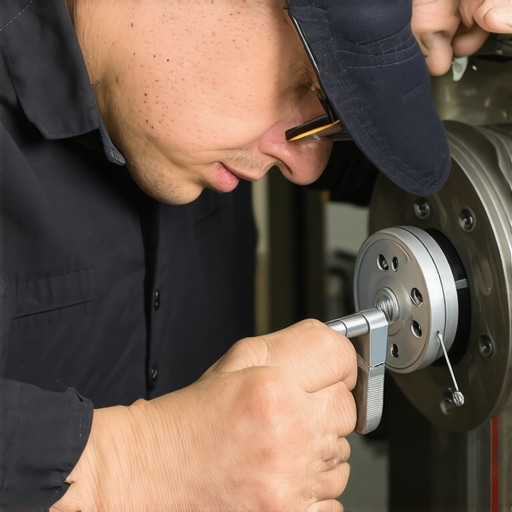
One of the most dangerous traps in auto repair is assuming a ‘spongy’ pedal just needs more bleeding. I have seen folks bleed three bottles of fluid through a system only to find the dangerous reason your brake pedal hits the floor was an internal leak in the master cylinder. If the internal seals are worn, the fluid bypasses the piston internally without ever leaking a drop on the ground. You can check for the sign your master cylinder is giving out slowly by holding steady pressure at a stoplight; if the pedal creeps toward the floorboard, your problem is not air—it is a mechanical failure of the pressure seals. Skipping this diagnosis is a massive ‘oops’ factor that can lead to a total loss of braking power when you need it most.
The Critical Link Between Tune-Ups and Brake Life
It sounds unrelated, but how you maintain the rest of your car dictates how hard your brakes have to work. When you maximize your cars lifespan with expert tune-up strategies, you ensure the engine provides proper vacuum to the brake booster. A vacuum leak can make the pedal feel rock-hard, making you think you have a hardware issue at the wheels when the culprit is actually a dry-rotted hose under the hood. Consistently following a car service checklist allows you to catch these small vacuum issues before they manifest as a scary braking situation. Remember, how regular tune-ups improve fuel efficiency and safety is all about the synergy between systems. If you are ever troubleshooting common auto repair issues, always look ‘upstream’ of the problem to see what else might be contributing to the failure.
My Personal Arsenal for a Quiet Ride
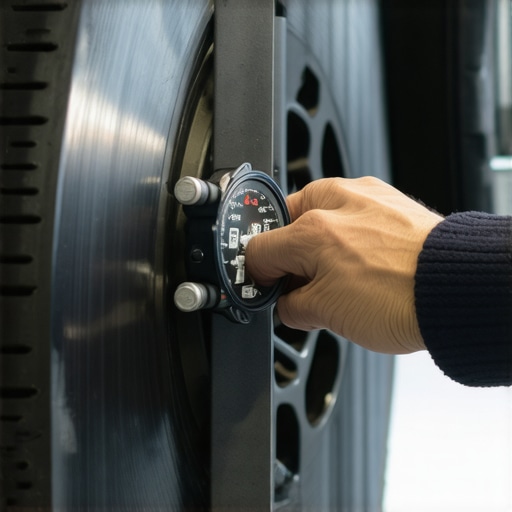
When people ask me what the most important tool in my box is, they often expect me to say an impact wrench. Honestly? It is my digital dial indicator. I use it to measure lateral runout on every single rotor I install. If the rotor is off by even a thousandth of an inch, you are going to feel a pulse eventually, and why your brake rotors keep warping will become a recurring nightmare in your driveway. I also swear by a high-quality torque wrench. Using the correct way to torque lug nuts ensures that the pressure is perfectly even across the hub, preventing the metal from distorting as it heat-cycles through city traffic. According to technical bulletins from the Akebono Brake Corporation, nearly 30% of ‘warped’ rotor complaints are actually caused by uneven lug nut torque rather than excessive heat alone.
The Truth About Long-Term Performance
If you want to reach that legendary status where the truth about why my car finally hit 200,000 miles becomes your reality, you have to treat brake fluid like engine oil. Most people forget it is hygroscopic, meaning it actively pulls moisture right out of the air. That water then corrodes your calipers and ABS module from the inside out. I make it a point to flush my fluid every two years, regardless of how many miles I have driven. It is just as vital as when you tune-up your car for peak performance. When you see the hidden cost of skipping a scheduled coolant flush, remember that skipping brake fluid is even more dangerous because it directly compromises your safety at high speeds.
How do I keep my braking system from aging prematurely?
The secret is actually a yearly ‘service and lube’ routine. Every spring, I pull the wheels off, clean the brake dust out of the slides with a wire brush, and re-apply a thin coat of ceramic-based grease to the moving hardware. This prevents the pads from sticking in the brackets, which is the real reason your rear brakes wear faster than fronts on many modern vehicles with electronic parking brakes. By keeping the hardware moving freely, you ensure that the friction is distributed perfectly across the pad surface, saving you hundreds in premature part replacements. I have personally seen cars go 80,000 miles on a single set of pads just because the owner stayed on top of this simple cleaning routine.
Looking Toward the Future of Stopping Power
We are rapidly moving toward a world of ‘Brake-by-Wire’ systems. Looking at auto repair trends to watch in 2025, we are going to see fewer physical connections between your foot and the caliper. While this allows for incredible safety features like lightning-fast automatic emergency braking, it also means that understanding brake system repairs will require more software knowledge than ever before. However, the physics of friction will never change—metal on metal will always need lubrication and cleanliness to stay quiet. Try this today: Go grab a torque wrench and verify your lug nuts are at the factory spec. You might be surprised how much smoother your next highway drive feels. I have personally avoided countless vibration issues just by being obsessed with that one simple tool.
The One Lesson My Garage Wall Still Remembers
Over the years, I’ve realized that the most expensive part isn’t always the best fit for your driving style. One huge ‘lightbulb moment’ for me was realizing that brake pads aren’t just blocks of friction—they are part of a delicate harmonic system. If you force a pad into a bracket that is still crusty with old rust, it will stick, and it will squeal. Another hard-earned tip? Never assume the ‘new’ hardware is perfect out of the box; sometimes a quick wipe-down with brake cleaner is needed to remove manufacturing oils. Lastly, remember that patience is your most valuable tool. Rushing the cleaning stage is the fastest way to guarantee you’ll be doing the whole job again next weekend.
My Go-To Arsenal for a Quiet Commute
I don’t just reach for any bottle on the shelf. For every brake service, I keep these three things within arm’s reach. First, a high-quality Silicone Lubricant like Sil-Glyde is non-negotiable for those slider pins because it won’t damage the rubber boots. Second, I always keep a box of heavy-duty shop towels; regular paper towels leave behind tiny fibers that can contaminate the rotor surface. Third, my digital torque wrench is my best friend for ensuring I follow the correct way to torque lug nuts. These tools don’t just make the job easier; they make it professional. [image_placeholder]
Your Road to a Quiet Cabin Starts Now
Taking on your own brake service can feel intimidating, especially when you’re staring at a pile of parts and a greasy caliper. But once you hear that first silent, smooth stop, the sense of accomplishment is unbeatable. You don’t need a degree in mechanical engineering—you just need a little focus on the details we’ve talked about today. You’ve got the knowledge to move past the common brake service myths and actually solve the problem. So, don’t be afraid to get your hands dirty. Your car—and your ears—will thank you for it. Which part of the brake assembly usually gives you the biggest headache: the rusty bolts or the clicking clips? Let me know in the comments below!