
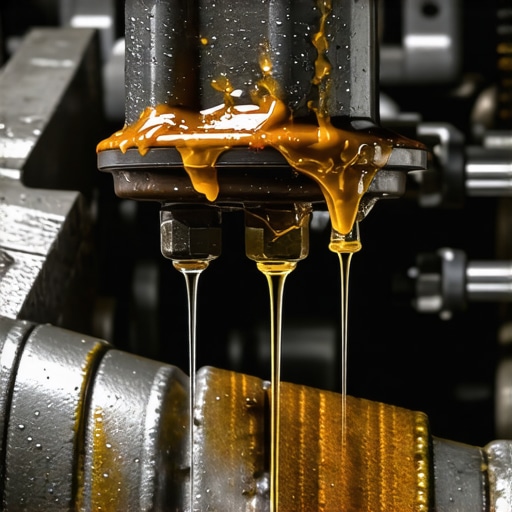
I remember the first time it happened to me. I was sitting at a red light on a humid Tuesday, my foot resting casually on the brake pedal. Suddenly, I felt it. A slow, agonizing creep. The pedal wasn’t just soft; it was slowly retreating toward the floor mat as if it were trying to hide. I pumped it once, and the pressure returned, so I convinced myself I was overreacting. I was wrong. That tiny movement was the first sign of my master cylinder giving up the ghost, and by ignoring it, I was flirting with a total brake failure that could have been avoided with a simple brake service checkup. It is a terrifying realization when you realize the only thing between you and the car in front of you is a failing piece of cast iron and a few rubber seals.
That Sinking Feeling at the Stoplight Isn’t Just Your Imagination
When your master cylinder starts to fail, it rarely goes out with a bang. It’s more of a whimper—a slow, internal leak that bypasses the seals inside the cylinder. This is exactly what I missed during my first DIY attempt at maintenance. I thought as long as there wasn’t a puddle of fluid on my driveway, my brakes were perfectly fine. But here’s the kicker: the fluid can leak past the internal piston seals without ever leaving the system. You end up with the hidden culprit behind a spongy brake pedal, which is basically your car telling you that it’s losing the ability to hold pressure over time. According to research from the National Highway Traffic Safety Administration, brake system failure is a factor in roughly 22% of crashes involving mechanical failure, often because drivers ignore these subtle, “slow” changes in pedal feel before they become catastrophic. Today, I’m going to show you how to spot these whispers before they turn into a scream, saving you from a terrifying moment where your brake pedal drops to the floor at stoplights unexpectedly. It’s about being proactive rather than reactive with your car service checklist.
Can a tiny bit of pedal movement really be that dangerous?
I get it. You’re busy, and car repairs are expensive. You might be thinking, “It only happens once in a while, it’s probably fine.” I made that exact mistake early on, thinking my car just had “character.” In reality, I was lucky I didn’t rear-end a delivery truck on the highway. If you’re feeling that mushiness, you need to stop guessing and start understanding brake system repairs from the ground up. It’s not just about the fluid level; it’s about the integrity of the hydraulic pressure. Have you ever felt your pedal slowly give way while waiting for a light to turn green? If so, tell me about it—I’m curious if yours started as intermittently as mine did. Before we dive into the technical diagnostic steps, we need to talk about why this happens and how to catch it during a routine car service guide run-through. Keeping your car on the road requires more than just oil changes; it requires an ear for the small things.
[image_placeholder_1]
Stop the Creep with a Simple Static Test
Before you start tearing things apart, you need to verify if that sinking feeling is a fluke or a fatal flaw. Think of your brake system like a high-pressure garden hose; if there is a hole anywhere, the spray loses its power. To test this, sit in your car with the engine off. Pump the brake pedal three or four times to deplete any vacuum in the booster. The pedal should get rock hard. Now, hold steady pressure on it for about thirty seconds. If the pedal starts to move toward the floor, you’ve confirmed the dangerous reason your brake pedal hits the floor: a hydraulic leak. I remember doing this on my old sedan, sweating in the driver’s seat as the pedal slowly hit the carpet. I hoped it was just air, but air makes a pedal feel “springy” from the start; a slow sink is almost always the master cylinder seals failing internally.

Check for Fluid Loss at the Firewall
Most people only look at the reservoir, but you have to look where the master cylinder meets the brake booster. This is the “hidden” leak spot. If the rear seal of the cylinder fails, fluid leaks out the back and often gets sucked into the vacuum booster. When I finally pulled my master cylinder off during that first botched repair, I found a pool of brake fluid sitting inside the booster housing. It hadn’t reached the ground yet, so I thought I was safe. This is why troubleshooting common auto repair issues before visiting the shop requires a bit of detective work. If you see “wetness” or peeling paint on the black circular booster behind the master cylinder, that’s your smoking gun. You should also take a moment to learn how to spot a leaking brake caliper before it fails, just to rule out external leaks at the wheels that could mimic these symptoms.
The Internal Bypass Reality Check
Sometimes there is no external leak at all. This is the “Internal Bypass.” Inside the cylinder, there are rubber cups that push the fluid. If these cups get nicked or worn, the fluid simply slides past them and moves to the back of the piston instead of going to your wheels. It’s like trying to push water with a spoon that has holes in it. This is a critical part of any car service checklist. During a heavy stop, this bypass can cause the car to pull or feel inconsistent. If you’ve been trying to maximize your cars lifespan with expert tune-up strategies, don’t overlook the hydraulic integrity of your brakes. A failing master cylinder can even lead to the real reason your car pulls under heavy braking because pressure isn’t being distributed equally to the front and rear circuits.
Cleanliness Is Next to Safety
If you decide to swap it yourself, cleanliness is your only friend. A single grain of sand inside those lines will shred new seals in days. I once rushed a job and didn’t clean the area around the lines properly; three months later, I was back at square one with a squeaky brake pedal and a failing unit. Always use a flare nut wrench to avoid rounding off the brake line fittings. If those fittings are stuck, don’t force them—use a penetrant. This level of detail is what separates a DIYer from a pro during a brake service. Knowing when to stop and call for help is part of the ultimate car service guide for any responsible owner.
Everyone tells you to check your brake pads, and sure, that’s important. But in my experience, focusing solely on pad thickness is a dangerous oversimplification. I’ve seen cars with 80% pad life left that couldn’t stop in an emergency because the hydraulic fluid was essentially swamp water. Brake fluid is hygroscopic, meaning it aggressively absorbs moisture from the air. According to the Car Care Council, most manufacturers recommend a brake fluid flush every two years, yet it remains the most ignored item on any car service checklist. Moisture lowers the boiling point of the fluid; if you’re riding the brakes down a long hill, that trapped water turns to steam. Suddenly, your pedal goes to the floor regardless of how much meat is on your pads. This is one of the biggest brake service myths—the idea that pads are the only wear item that dictates your safety.
Why do your rear brakes wear out faster than the fronts?
It seems counter-intuitive, right? Historically, the front brakes did 70% of the heavy lifting. However, many modern vehicles are equipped with Electronic Brakeforce Distribution (EBD). This system often applies the rear brakes first or more aggressively during light braking to keep the car level and prevent that annoying “nose-dive” feeling. If you find yourself replacing rear pads twice as often as the fronts, it’s not a mechanical defect; it’s a design choice for passenger comfort. You can dive deeper into the real reason your rear brakes wear faster than fronts to see how your specific commuting habits might be accelerating this process.

One “oops” factor I see even seasoned DIYers fall into is the “impact wrench ego.” They zip the lug nuts on as tight as the tool will allow. This is a massive mistake that leads to expensive repairs later. Uneven or excessive torque on your lug nuts is the leading cause of lateral runout, which most drivers mistakenly call “warped rotors.” If you’ve ever wondered why your brake rotors keep warping every few months, it’s likely because a torque wrench wasn’t used during the last tire rotation. Learning the correct way to torque lug nuts to prevent rotor warping is the difference between a smooth, silent stop and a steering wheel that vibrates out of your hands every time you slow down.
Don’t just aim for a quick fix; aim for hydraulic longevity. If you are trying to maximize your cars lifespan with expert tune-up strategies, you have to look at the chemistry of your fluids, not just the thickness of the steel. Have you ever fallen into the “thick pad” trap and ignored your fluid age or torque specs? Let me know in the comments. If you’re unsure about what your car is trying to tell you, reading about how an honest brake inspection saved me hundreds might give you the perspective needed to spot a shop that actually knows their stuff. For any specific concerns about your pedal feel, don’t hesitate to contact us for expert advice.
For years, I did the ‘two-person dance’ whenever I needed to bleed my brakes. You know the one: one person sits in the driver’s seat yelling ‘down’ while the other cracks the bleeder screw. It’s tedious, prone to communication errors, and honestly, it’s not great for an older master cylinder. Pushing the pedal all the way to the floor can force those delicate rubber seals into a part of the bore that hasn’t seen action in a decade, where rust and debris are just waiting to shred them. That is why I finally invested in a Motive Products Power Bleeder. It’s a simple pressurized tank that pushes fresh fluid through the system from the top down. Using a dedicated pressure bleeder is the only way I’ve found to ensure a 100% air-free system without risking internal damage to the cylinder. It turns a frustrating two-hour chore into a ten-minute solo victory, and it’s a vital part of understanding brake system repairs at a professional level.
The One Tool That Saved My Sanity
Beyond the bleeder, there is a piece of tech I never go without: a digital brake fluid moisture tester. You can get these for twenty bucks, and they tell you exactly when your fluid has reached its 3% water-content limit. This is far more scientific than just looking at the color. If you are serious about your car service checklist, this tool is non-negotiable. I once had fluid that looked relatively clean but tested at 4% moisture—basically a ticking time bomb for internal corrosion. Catching that early is how you maximize your cars lifespan with expert tune-up strategies. It prevents the master cylinder from pitting and keeps your ABS valves from seizing up, which is a repair that can easily cost four figures. It’s all about working smarter, not harder, when troubleshooting common auto repair issues before visiting the shop.
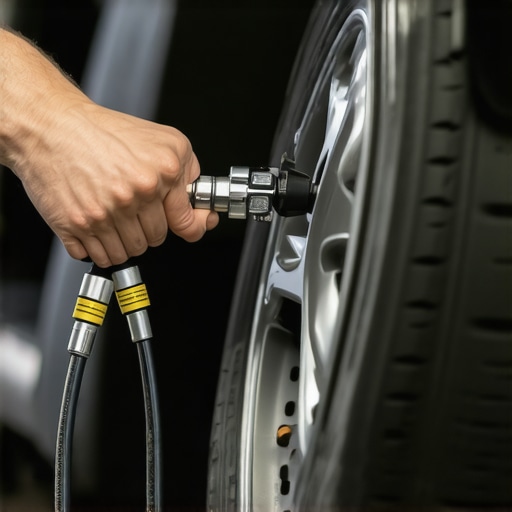
What Happens When Computers Take Over the Master Cylinder?
As we look toward the next few years, the way we think about brake service is shifting. We are seeing a massive rise in ‘brake-by-wire’ systems, particularly in EVs and high-end hybrids. In these setups, the master cylinder is often part of an Integrated Power Brake (IPB) unit that combines the booster, master cylinder, and ABS into one complex module. According to technical bulletins from Bosch, these units require specific diagnostic software to bleed properly because the computer has to open internal valves that a manual pump simply can’t reach. This is a major part of the auto repair trends to watch in 2025. You won’t just need a wrench anymore; you’ll need a scan tool. It’s a brave new world, but the core principle remains: hydraulics need to be clean and pressurized.
How do I keep my brake system healthy for the long haul?
Consistency is your best friend here. Don’t wait for a soft pedal to act. I recommend doing a full fluid flush every 24 months, regardless of mileage. If you live in a humid climate, make it every 18 months. When you do your regular tune-up your car for peak performance, take five minutes to inspect the rubber flex hoses leading to your calipers. If you see any ‘checking’ or tiny cracks in the outer rubber, replace them immediately. These hoses can swell internally, acting like a one-way valve that keeps your brakes applied even when you let off the pedal. This is often the real reason your car pulls under heavy braking or why you’re getting terrible gas mileage. Staying on top of these small details is the heart of the ultimate car service guide. For a weekend project that actually makes a difference, I challenge you to go out and test your fluid’s moisture content today—you might be surprised at what you find. If the results are scary, don’t sweat it; you can always contact us for a professional walkthrough.
Stop Gambling With Your Stopping Power
Over the years, I’ve learned that the biggest threat to your car isn’t high mileage; it’s the “I’ll fix it next week” mentality. When it comes to your master cylinder, that delay can be life-altering. Here is the wisdom I wish I had when I first started wrenching:
- Intermittent is still broken: If your pedal sinks once, the seal is compromised. It won’t heal itself, and it will fail when you need it most during an emergency stop.
- Color is a liar: Dark fluid is definitely bad, but clear fluid can still be saturated with water. Use a tester to be certain.
- Cheap parts are a trap: Your master cylinder is the heart of your safety system. This is one area where the “budget” option usually ends up costing twice as much when it fails six months later.
The Gear That Keeps My Garage Safe
If you want to move beyond basic maintenance, you need the right partners in your toolbox. I personally swear by a Motive Products Power Bleeder because it removes the human error from the equation. I also never touch a brake job without a calibrated torque wrench. [image_placeholder_1] It’s the only way to ensure you don’t end up with vibrations later. For those looking to maximize your cars lifespan with expert tune-up strategies, these tools pay for themselves in one use. If you are staying on top of auto repair trends to watch in 2025, adding a basic OBDII scanner with ABS bleed functions is becoming a necessity for modern drive-by-wire vehicles.
Take Control of Your Own Safety Today
You don’t need to be a master mechanic to be a responsible owner. Simply paying attention to the way your pedal feels and performing a 30-second static test can save you from a catastrophic failure. Remember that a comprehensive tune-up your car for peak performance includes the parts that stop you, not just the ones that make you go. Keeping your family safe is the ultimate goal of every how regular tune-ups improve fuel efficiency and safety routine. Don’t let a “soft” pedal become a hard reality. Have you ever felt that terrifying moment where your brakes didn’t respond exactly as expected? Let me know your story in the comments below.