
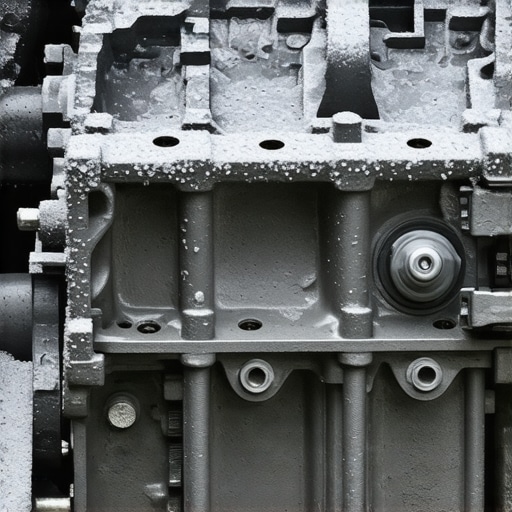
The air was so crisp it bit at my lungs when I stepped outside last Tuesday. I climbed into my driver’s seat, turned the key, and instead of the usual smooth purr, my car sounded like a washing machine full of gravel. The steering wheel shook so violently in my hands that I nearly spilled my coffee. It’s that sinking feeling in your gut—the one that says ‘this is going to be expensive.’ But here is a secret I’ve learned after twenty years of greasy knuckles: engines are just like us; they don’t like getting out of bed when it’s cold. I remember one specific winter where I spent weeks chasing a ‘ghost’ in my old truck, convinced I had a blown head gasket. I was ready to call a scrap yard until I realized I’d made the most basic mistake in the book—I’d ignored the simple stuff.
That Sputter at 6 AM Might Not Be Your Battery
When your vehicle is cold, the oil is thick as molasses and the fuel doesn’t vaporize quite right. To compensate, your computer dumps extra gas into the mix. If your sensors aren’t reading that correctly, you get the shakes. I used to be the guy who would throw parts at a problem. I once replaced a perfectly good fuel pump when the real cause of a rough idle after a cold start was just a dirty mass airflow sensor. It’s a frustrating cycle, but most of the time, the solution is hidden in plain sight. This isn’t just about an annoying noise; it’s about efficiency. According to technical reports from the Car Care Council, an engine that isn’t running at peak performance during its warm-up cycle can waste a staggering amount of fuel, often reducing efficiency by up to 15% before you even leave your neighborhood. By following a basic car service checklist, you can catch these tiny hiccups before they turn into a multi-thousand dollar repair bill.
Is a little morning shudder really worth worrying about?
It is easy to convince yourself that if the car eventually smooths out, everything is fine. That is a dangerous game to play. That morning shudder is often the first sign that your ignition system is struggling. I found out the hard way that ignoring a cold-start stumble leads directly to fouled catalytic converters. I eventually discovered how a simple tune-up fixed my mystery hesitation and stopped that annoying vibration for good. If you want a quicker engine start in winter, you have to stop treating the symptoms and start looking at the cause. Have you ever felt like your car was about to stall out at the first stoplight of the morning? Tell me about it, because I’ve been there, and I know exactly how to stop it.
Stop Guessing and Start Testing
Most people approach a rough start like they are playing the lottery, throwing parts at the car and hoping one of them hits the jackpot. This ‘parts cannon’ strategy is the fastest way to empty your wallet while leaving the problem exactly where you found it. Instead, you need to think like a detective. Think of your engine’s sensors as its eyes and ears; if they are clouded with carbon or grime, the computer is essentially driving blind. I remember a freezing February morning when my old sedan would barely stay running. I was convinced the fuel pump had died. Instead of ripping out the rear seat to get to the pump, I took ten minutes for some basic troubleshooting common auto repair issues before visiting the shop. It turned out to be a simple loose vacuum hose that cost me zero dollars to push back into place.
Give Your Engine Fresh Eyes
To keep your car from gasping for air, focus on the Mass Airflow Sensor and the throttle body. These components get ‘sticky’ over time. When you follow tune-up your car for peak performance essential maintenance tips, cleaning these should be at the top of your list. A dirty sensor sends the wrong data, telling the engine it is starving for air when it’s actually drowning in fuel. If you want to maximize your cars lifespan with expert tune-up strategies, you have to treat these delicate electronics with care—use only specialized cleaners, or you’ll be buying a very expensive replacement. 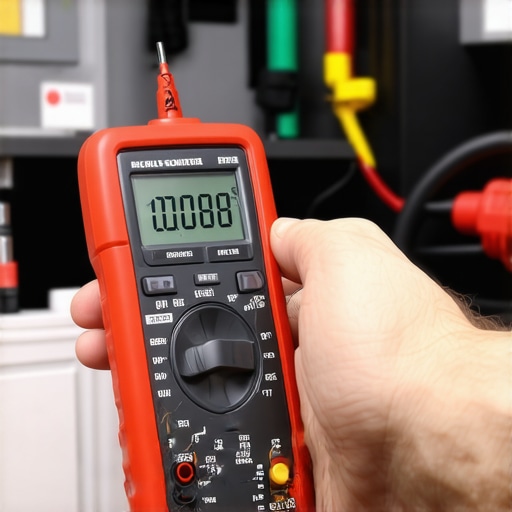
Test the Battery Before You Blame the Starter
Cold weather is a battery’s natural enemy. It slows down the chemical reactions inside the lead plates, meaning you have less ‘oomph’ to turn that thick oil. You might hear the engine struggle to crank and assume the starter is failing, but often it’s just a weak cell. You can actually save yourself a trip to the mechanic by learning the simple way to test battery strength at home with a basic multimeter. If your voltage drops below 10V while cranking, that battery is on its last legs.
Why Your Brake Pedal Feels Like a Rock in the Morning
It isn’t just the engine that acts up when the frost hits. Have you ever noticed why your brakes feel hard to press in the morning? This is often a sign of a failing vacuum booster or a leaking check valve. This is the ‘power’ in your power brakes. If the seal is brittle, it won’t hold the vacuum required to assist your foot. This is more than a nuisance; it’s a major safety hazard. I once ignored a stiff pedal until I had to stand on the brakes with both feet just to stop at a red light. Don’t wait for that to happen. If you hear any grinding alongside that stiffness, you should learn how to stop your brakes from grinding today before you score your rotors.
Hunting for the Ghostly Vacuum Leak
A vacuum leak is like trying to drink through a straw that has a tiny pinhole in it; no matter how hard you suck, you just get a lot of air and very little liquid. This extra air leans out the fuel mixture, causing that classic morning shudder. One old-school trick I love is using a cigar or a cheap smoke machine. By blowing smoke into the intake manifold, you can watch for where the ‘ghost’ escapes. This is a core part of understanding brake system repairs a guide for vehicle owners because the brake booster relies entirely on that same vacuum pressure. You can even detect a small vacuum leak using a simple cigar if you are patient enough to look for the wisps. Finding that $2 rubber leak can prevent a $500 diagnostic fee later.While finding a vacuum leak feels like a major victory, the biggest myths in the shop usually involve the things we think we can see clearly, like our brakes. Everyone tells you that if your steering wheel shakes when you slow down, your rotors are ‘warped.’ In my experience, that is almost never the case. High-quality steel rotors require immense, sustained heat to actually physically bend. What you are actually feeling is a phenomenon called Disc Thickness Variation. According to technical white papers from industry leader Brembo, most brake judder is caused by uneven friction material transfer from the pads to the rotor surface. If you want to know the truth about what is happening behind your wheels, check out brake service myths what you need to know before your next stop. This isn’t just semantics; it is the difference between a simple cleaning and an expensive, unnecessary replacement.
The Impact Wrench Trap Most DIYers Fall Into
The most common mistake I see—even from seasoned home mechanics—is the ‘oomph’ factor. You get your new rotors on, you’re excited to finish, and you blast the lug nuts on with an impact wrench. This is a recipe for disaster. Uneven torque on your wheel nuts is the primary reason why your brake rotors keep warping every few months. When one nut is tighter than the rest, it creates a microscopic tilt in the rotor hat. Over a few thousand miles, this creates the very ‘warp’ you were trying to avoid. You must learn the correct way to torque lug nuts to prevent rotor warping using a calibrated torque wrench in a star pattern. It takes an extra three minutes, but it saves your brakes for three years. 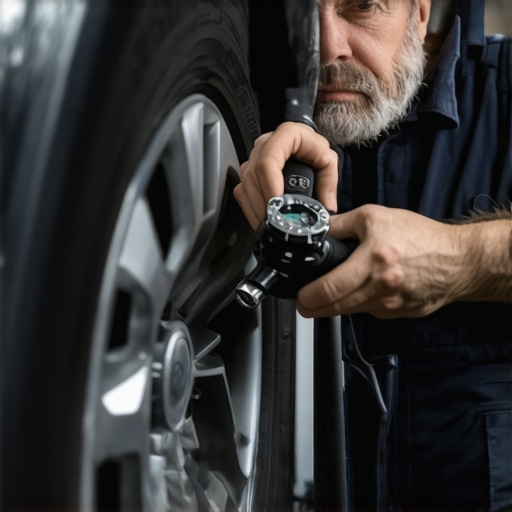
Why do your brand-new brakes still squeal like a banshee?
It is incredibly frustrating to invest in a full brake job only to have the car scream at every stop sign. This usually happens because people focus on the pads but ignore the hardware and the hub. If you don’t scrub the rust off the wheel hub with a wire brush, the new rotor won’t sit flush. Furthermore, why your new brakes are still squealing often comes down to the quality of the shims and the lack of high-temp grease on the contact points. I have seen people buy the most expensive ceramic pads only to be plagued by noise because they fell for the truth about cheap brake pads and noise insulation.
Stop Chasing Symptoms and Look at the Big Picture
Sometimes, a vibration isn’t a brake issue at all, but we are so conditioned to blame the rotors that we ignore the suspension. A worn control arm bushing or a failing tie rod can mimic a brake shudder perfectly. Just like I learned how professional diagnostics found my ghost electrical leak by looking past the obvious battery terminal, you have to look at the entire steering rack when troubleshooting a vibration. Advanced car care is about connecting the dots, not just replacing the most obvious part. Have you ever fallen into the trap of replacing your rotors only to have the shake come back a month later? Let me know in the comments, because I’ve been there too, and it usually points to a deeper installation error that we can fix together.
The One Tool That Actually Replaced My Gut Instinct
People often ask me what the most important tool in my chest is. They expect me to say a vintage Snap-On wrench or a heavy-duty jack, but the truth is much more digital. If you want to move beyond basic guessing, you need a bidirectional OBD-II scanner. A cheap $20 code reader is a start, but a bidirectional tool allows you to actually talk back to the car. I remember a stubborn misfire that wouldn’t go away; I used my scanner to manually shut off each fuel injector one by one until I found the dead cylinder. This kind of how to save 500 on your next major service strategy is what separates the driveway hobbyists from the pros. It’s about having the power to test components without turning a single bolt. 
How do I maintain my car’s health for another 100,000 miles?
Consistency is the boring but honest answer. Most people treat maintenance like an emergency, but it should be a rhythm. The secret to the truth about why my car finally hit 200000 miles isn’t some magic additive; it’s staying ahead of fluid breakdown. SAE International Technical Paper 2003-01-3119 notes that additive depletion in engine oil can lead to increased friction even before the oil looks ‘dirty’ to the naked eye. This is why you should never wait for your oil light to come on. By the time that light is glowing, the damage to your bearings is already being done. You need a rock-solid the ultimate car service guide when and why to schedule maintenance to keep the friction at bay.
Stop Letting Your Cooling System Turn Into Acid
We talk a lot about oil, but the cooling system is where most ‘un-fixable’ engine failures actually start. Over time, antifreeze becomes acidic. It literally starts eating your water pump and gaskets from the inside out. I’ve seen aluminum cylinder heads pitted like the surface of the moon because someone decided to save twenty bucks on a flush. I always recommend the best way to test an engine thermostat at home if your temp gauge is acting funny, and remember: why you should never mix different colors of antifreeze is more about chemistry than aesthetics. Different formulas can gel up and clog your heater core, leaving you shivering in the winter.
The Shift Toward Digital Diagnostics in 2025
Looking at auto repair trends to watch in 2025 staying ahead of the curve, we are seeing cars become more like rolling computers. The mechanical fundamentals of compression and spark are still there, but the ‘tune-up’ of the future involves software updates as much as new spark plugs. Even so, basic physical health remains king. How regular tune-ups improve fuel efficiency and safety is a timeless truth that won’t change, no matter how many sensors they add. If you’ve got a nagging sound under the hood right now, don’t wait for a code to pop up. Go out tomorrow morning and try to fix a squealing belt using the water spray test—it’s the easiest way to rule out a major repair before you spend a dime.
The Hard-Won Secrets Behind a Truly Smooth Cold Start
I spent years thinking that a car was just a collection of parts you swapped out when they broke. I was wrong. I eventually realized that a vehicle is an ecosystem. When you ignore a tiny vacuum leak, you aren’t just dealing with a rough idle; you’re putting extra stress on your motor mounts and your catalytic converter. I learned the truth about cheap brake pads and noise the hard way—by having to do the same job twice in one month. Another ‘lightbulb moment’ was realizing that half of the ‘ghost’ problems I’ve chased were solved by simply cleaning a ground wire or a sensor rather than replacing the whole unit.
Gear That Actually Makes a Difference in Your Driveway
If you are serious about DIY, stop guessing. I swear by a quality torque wrench; it is the only way to ensure the correct way to torque lug nuts to prevent rotor warping. For diagnostics, a bidirectional OBD-II scanner is worth its weight in gold. It’s how I found how professional diagnostics found my ghost electrical leak without tearing the dash apart. Finally, keep a simple smoke machine handy to detect a small vacuum leak using a simple cigar—it’s a low-tech solution for high-tech headaches. Learning to use these tools is the best way to understand how to save 500 on your next major service. #IMAGE_PLACEHOLDER_E#
Reclaim Your Confidence Behind the Wheel
Maintenance isn’t a chore; it’s an investment in your freedom. When you take the time to maximize your cars lifespan with expert tune-up strategies, you aren’t just saving money—you’re ensuring that your car is ready for you, no matter how cold the morning is. Don’t let a little vibration or a squeaky belt intimidate you. You have the tools and the knowledge to handle your own auto repair and keep your vehicle running like new for years to come. If you ever feel stuck, you can always contact us for guidance on your next project. Have you ever replaced a part only to find out the problem was something much simpler? Let me know your ‘parts cannon’ stories in the comments below!