
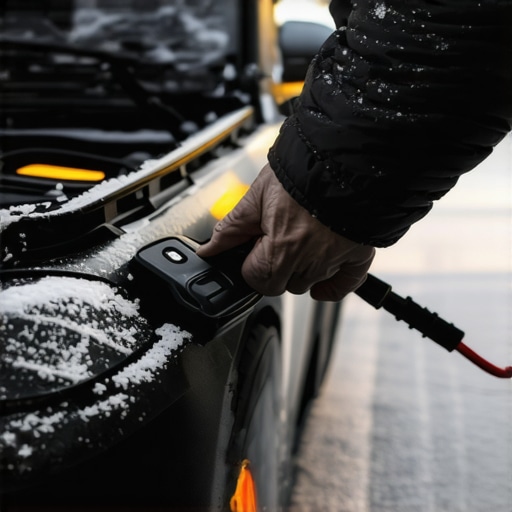
I remember one Tuesday morning in January when the thermometer hit ten below. I was already ten minutes late for a meeting, clutching a lukewarm coffee, and when I turned the key, my car didn’t just hesitate—it died. That pathetic, slow whir-whir-thump is a sound that still haunts my winter mornings. I spent twenty minutes in the biting wind, cursing my luck and wondering why my neighbor’s beat-up truck fired right up. I used to think cold starts were just a roll of the dice, but after ruining a perfectly good starter motor by over-cranking, I realized I was doing it all wrong. Today, I am going to share the exact routine that turned my freezing-cold nightmares into instant ignitions.
Stop Fighting Your Ignition Every Freezing Morning
Cold weather is an absolute beast on your engine’s internals. Everything from the oil thickness to the chemical reaction inside your battery slows down to a crawl. You might notice the real cause of a rough idle after a cold start isn’t just the temperature, but how your car’s computer struggles to adjust the fuel mix while the metal is still frigid. I made the classic rookie mistake of thinking a few extra cranks would help things along, but all I was doing was draining the last bit of life from my battery cells. According to the AAA (American Automobile Association), at 0°F, a car’s battery loses about 60% of its strength, while the engine requires about twice as much power to start due to thickened oil. That is a losing game unless you know the tricks to tip the scales back in your favor. Whether you are dealing with brakes that feel hard to press in the morning or an engine that refuses to budge, the solution usually lies in preparation rather than persistence. Have you ever been stranded in your own driveway while the rest of the world moved on? It is a lonely, cold feeling, but it is completely preventable if you change how you treat your ignition. Sometimes, the simple reason your car wont start when its raining or snowing is just a lack of proper electrical flow that gets magnified by the frost.
Does cold-start chemistry actually justify the effort?
You might be wondering if all this pre-flight prep is just overkill for a modern vehicle. I used to be a skeptic too. I figured fuel injection solved everything. But once I learned how to tell if a battery is just discharged or truly dead, I realized that modern electronics are actually more sensitive to voltage drops than the old carburetors I grew up with. If your voltage dips too low during that initial crank, the computer won’t even fire the injectors. We are going to fix that by addressing the core issue before the first frost hits your driveway.
Save Your Battery from a Frosty Death
Before you even think about turning that key to the full ignition position, you need to realize that your battery is fighting a two-front war. On one side, the freezing temperatures have chemically slowed its ability to release energy; on the other, the oil in your engine has likely turned into the consistency of cold molasses. To give your car a fighting chance, you must eliminate any unnecessary electrical drag. I make it a habit to double-check that the heater fan, the radio, the seat warmers, and the headlights are all switched off before I touch the ignition. By doing this, every available ounce of cold-cranking amps goes directly to the starter motor. If you are worried your power source is on its last legs, learning the simple way to test battery strength at home can save you from being the person waving down neighbors for a jump-start at 7:00 AM. Also, take a quick peek at your connections; why your car battery terminal keeps getting corroded is often a mix of moisture and chemical outgassing that acts like an insulator, blocking the very electricity you need to get moving.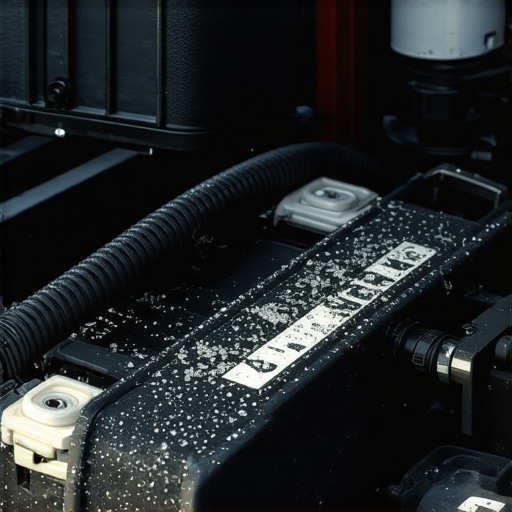
The Five-Second Priming Trick
Modern fuel-injected cars are smart, but they aren’t psychic. When it is ten below zero, the fuel in the lines is cold and less volatile. Instead of immediately cranking the engine, turn the key to the ‘On’ or ‘Run’ position (the one where the dash lights up) and wait for about five seconds. You might hear a faint hum—that is your fuel pump priming the system and building pressure. This ensures that the moment the pistons move, they are met with a mist of fuel rather than a dry gulp of air. If you don’t hear that hum or the car still struggles, it might be time to learn how to identify a failing fuel pump before it fails entirely. This small pause is the difference between a clean fire and a flooded engine.
Limit Your Cranking to Ten Seconds
I learned this lesson the expensive way. One winter in my early twenties, I held the key down for nearly a minute, desperate to hear the engine catch. I didn’t get a start; I got a $400 bill for a new starter motor because I literally melted the internal windings. Starter motors are not designed for continuous use; they generate immense heat. If the engine doesn’t fire within ten seconds, stop. Take your hand off the key. Wait thirty seconds to a minute to let the starter cool down and the battery recover its surface charge. This patience is a core part of any ultimate car service guide when and why to schedule maintenance routine because it prevents self-inflicted damage. Often, how a simple tune-up fixed my mystery hesitation during cold starts was simply ensuring the spark plugs were clean enough to ignite that initial, difficult burst.
When the Brake Pedal Refuses to Budge
Sometimes the engine starts, but you realize you can’t even shift out of park because the pedal feels like a block of wood. I see people panic when this happens, but why your brakes feel hard to press in the morning is usually just a vacuum issue or a slightly sticky master cylinder piston reacting to the cold. Don’t pump the brakes frantically. Let the car idle for a few minutes; as the engine generates heat and vacuum pressure builds back up, the pedal will soften. This is the perfect time to remind yourself that tune-up your car for peak performance isn’t just about the engine; it involves the entire hydraulic ecosystem that keeps you safe.
The Big Myth About Letting Your Car Idle
Most people will tell you that you need to let your car sit and ‘warm up’ for ten or fifteen minutes before driving. In fact, I used to do the same thing, thinking I was being kind to my engine. But here is the contrarian truth: idling is actually one of the worst things you can do for a modern fuel-injected vehicle in the winter. When you idle a cold engine, it stays in ‘open-loop’ mode longer, pumping extra fuel into the combustion chamber to stay alive. According to research by the Society of Automotive Engineers (SAE), this excess fuel can actually wash away the lubricating oil from your cylinder walls, leading to premature wear. The fastest way to warm up your engine safely is to start driving gently after about thirty seconds. This puts a load on the engine, helping it reach operating temperature much faster than sitting in the driveway. By avoiding long idles, you actually maximize your cars lifespan with expert tune-up strategies that focus on reducing internal friction.
Do modern synthetic oils really eliminate the need for a winter warm-up?
This is a question I get all the time from folks who have switched to high-end lubricants. While it is true that the truth about synthetic oil in high mileage engines is that it flows much better at sub-zero temperatures than conventional oil, it is not a magic bullet. Even the best 0W-20 oil still needs a moment to reach the top of the cylinder head. The real nuance is that while the oil is ready, your seals and gaskets might not be. If you have ever wondered how regular tune-ups improve fuel efficiency and safety, it is because a technician checks for the brittle rubber that fails during these harsh thermal expansion cycles. 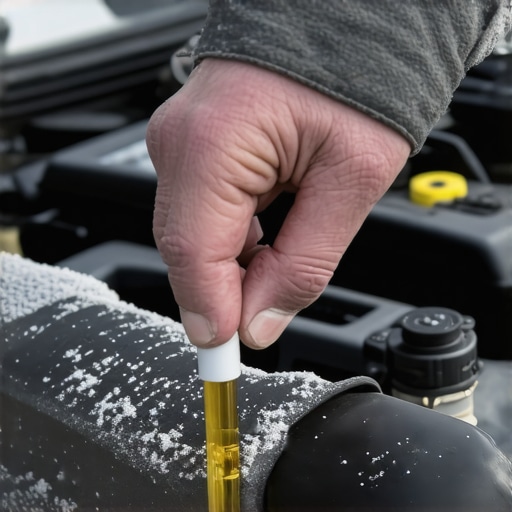
Don’t Fall for the Brake Pump Trap
Here is the ‘oops’ factor that almost cost me a trip to the body shop. When the pedal feels stiff on a frozen morning, many drivers start pumping it like they are trying to inflate a bicycle tire. This is a massive mistake. In extreme cold, the rubber seals inside your master cylinder are less pliable. Forcing them to stroke rapidly through cold, viscous fluid can cause them to flip or tear. This leads to the sign your master cylinder is giving out slowly, often characterized by a pedal that eventually starts sinking to the floor. Instead of pumping, apply steady, firm pressure. Understanding brake service myths what you need to know before your next stop is vital because the cold magnifies every small mechanical weakness in your hydraulic system. Have you ever fallen into this trap of over-idling or pumping your brakes? Let me know in the comments.After that master cylinder scare, I started carrying a NOCO Boost Plus GB40 portable jump starter. Why this specific one? Because unlike those massive, heavy lead-acid jump packs from a decade ago, these lithium-ion units hold a charge for over a year and don’t lose their internal capacity nearly as fast when sitting in a freezing trunk. I’ve used mine to help more neighbors than myself, but having that 1000-amp safety net changes the entire mental game of a winter commute. If you aren’t sure if your battery is the actual culprit during a failed start, you need a basic digital multimeter. Following the simple way to test battery strength at home is much better than guessing and potentially replacing a perfectly good part. I also highly recommend a ‘smoke machine’ for your home garage. It might sound like a specialized party trick, but how to find an evap leak using a simple smoke machine is often the only way to locate those tiny, hairline vacuum leaks that only cause a rough idle when the rubber hoses shrink in sub-zero temperatures. 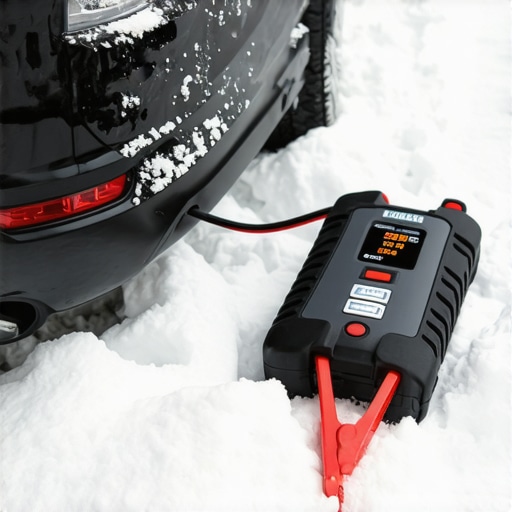
Beating the Cold with Pro-Level Hardware
According to technical documentation from the Battery Council International (BCI), a lead-acid battery’s internal resistance increases significantly as temperature drops, which is the scientific reason your engine turns over with that sluggish, ‘tired’ sound. To fight this, I’ve installed a simple battery blanket on my high-mileage SUV. It’s a low-wattage heating element that wraps around the casing. It keeps the chemistry active so the battery can actually deliver its rated cold-cranking amps. If you find yourself constantly chasing electrical gremlins, learning how to test for a blown fuse the right way can save you hours of frustration. Sometimes, how professional diagnostics found my ghost electrical leak comes down to just having the right probes to see which circuit is pulling power while the car is off. Keeping a car service checklist how to keep your vehicle in top shape means staying ahead of these small parasitic draws before they leave you stranded.
How do I keep my car reliable through ten winters?
Long-term reliability isn’t about luck; it is about scaling your maintenance as the car ages. I’ve seen that the truth about why my car finally hit 200000 miles is consistent fluid care and protecting the electrical system from road salt. Looking ahead, auto repair trends to watch in 2025 staying ahead of the curve suggest that predictive diagnostics will soon be the norm. Your car will likely send a notification to your phone weeks before a battery or starter fails. Until then, you have to be the computer. Use maximize your cars lifespan with expert tune-up strategies like checking your own spark plug gaps and ensuring your coolant mix is actually rated for the local lows. Following the ultimate car service guide when and why to schedule maintenance ensures you aren’t just reacting to disasters, but preventing them. I want you to try one thing this weekend: clean your battery terminals with a stiff wire brush and a bit of baking soda solution. This simple tune-up your car for peak performance tip costs zero dollars but provides the clean path your electricity needs to fight the frost.
Hard Truths from a Decade of Frozen Driveways
If there is one thing I’ve learned after years of shivering in my driver’s seat, it is that patience is a mechanical virtue. Most people panic when they hear that first slow crank, but that is the exact moment to step back. I discovered that a single thirty-second pause between attempts can literally resurrect a battery’s ability to deliver power. Another lightbulb moment was realizing that a tune-up your car for peak performance isn’t just a summer chore; it is your winter insurance policy. I used to think my car was just “old,” but it turns out I was just neglecting the tiny details like spark plug gaps and clean electrical grounds. Lastly, never underestimate the power of your ears—listening for that fuel pump hum has saved me from thousands of unnecessary engine rotations over the years.
Gear That Saved Me from the Morning Tow Truck
I don’t leave my driveway in January without three specific items. First, a high-quality lithium jump pack is non-negotiable; it turns a potential crisis into a thirty-second minor inconvenience. Second, I always keep a digital multimeter in the glovebox because troubleshooting common auto repair issues before visiting the shop starts with knowing your actual voltage. Finally, I rely on a car service checklist how to keep your vehicle in top shape to ensure I’m not missing the small stuff, like the age of my coolant or the condition of my serpentine belt. These tools have shifted my mindset from hoping the car starts to knowing it will.
Take Control Before the Next Polar Vortex Hits
Winter doesn’t have to be a season of automotive anxiety. By shifting your approach from aggressive cranking to mindful preparation, you can significantly maximize your cars lifespan with expert tune-up strategies. It feels incredibly empowering to turn the key on a sub-zero morning and hear that engine roar to life on the first try. Don’t wait for the first snowstorm to realize your battery is weak or your oil is too thick. Take twenty minutes this weekend to look over your engine bay, and if you’re unsure about anything, check out the ultimate car service guide when and why to schedule maintenance to stay ahead of the curve. Your car—and your freezing fingers—will thank you. What is your go-to trick for getting a stubborn engine to fire up on a frozen morning? Let me know in the comments below!