
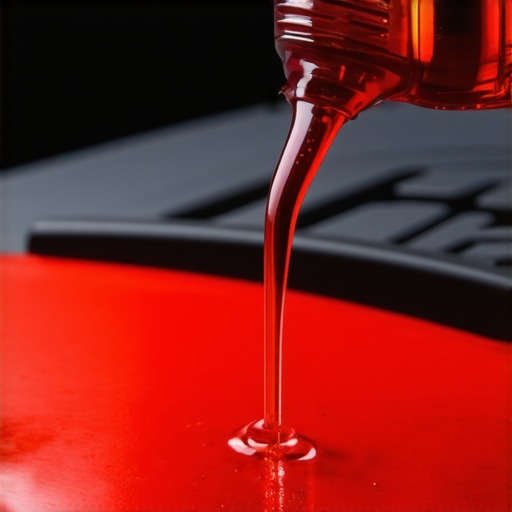
I was twenty-two, driving a hand-me-down truck that shifted like a dream until one humid Tuesday afternoon. I noticed a slight slip—just a half-second delay when pulling away from a stoplight. I told myself it was fine; I didn’t want to deal with a mechanic, and I definitely didn’t have the cash for a ‘luxury’ repair. Fast forward three months, and I’m stranded on the shoulder of the highway, watching a tow truck driver winch my pride and joy onto a flatbed while the acrid, chemical smell of burnt fluid filled my lungs. That day, I learned why I’ll never skip a transmission fluid change again. It wasn’t just the money; it was the sheer helplessness of it all. Most people treat their transmission like a ‘set it and forget it’ part of the car, but it’s actually a delicate, high-pressure dance of hydraulics and metal. Today, I’m going to share the exact routine I use now to keep my gears running smooth past the 200,000-mile mark without ever needing a rebuild.
My Four-Thousand Dollar Lesson in Gearbox Neglect
The biggest mistake I made wasn’t just ignoring the noise; it was assuming that if the car was still moving, everything was fine. I didn’t realize that troubleshooting common auto repair issues starts with your nose and your ears long before a warning light ever pops up on the dash. Transmissions don’t usually die overnight. They scream for help through burnt smells—kind of like singed toast—or tiny stutters that feel like you’ve hit a small pothole when the road is perfectly flat. If you’ve ever felt your car hesitate when merging onto the highway, you know that heart-sinking feeling of power loss. It is terrifying. I have been there, and I promise you, catching it now is the difference between a quick fluid swap and a total replacement that costs more than the car is worth.
Will a Simple Fluid Flush Actually Save My Gears?
There’s a lot of skepticism out there, and I get it. I used to think shops were just trying to up-sell me on ‘fancy oil’ because the old stuff looked ‘fine’ on the stick. However, the Automatic Transmission Rebuilders Association (ATRA) notes that nearly 90% of transmission failures are caused by overheating—often due to old, degraded fluid that can no longer dissipate heat effectively. You need to know how to know if your transmission is overheating even if your dashboard doesn’t have a specific gauge for it. Staying ahead of the heat is the secret sauce to longevity. Have you ever felt that weird ‘thunk’ when shifting into Park and just hoped it would go away? You aren’t alone, and it’s exactly the kind of thing we’re going to solve today. For those with modern cars, it can be even trickier because manufacturers are removing dipsticks entirely. I’ve had to learn how to check transmission fluid levels without a dipstick just to stay sane. It’s part of a larger car service guide that every owner should keep in their mental glovebox. By catching the fluid degradation early, you’re not just saving money; you’re buying peace of mind. Have you ever noticed your car acting a little ‘lazy’ when it’s cold outside, or is it just mine?
A Driveway Diagnostic That Actually Works
You don’t need a degree in mechanical engineering to tell if your transmission is crying for help. I remember the first time I tried to do a DIY check; I ended up with a face full of red fluid because I pulled the wrong bolt, but that mess taught me exactly what to look for. Think of your transmission fluid like the blood in your veins. It needs to be bright red and translucent. If it’s dark, gritty, or smells like a burnt campfire, your clutches are literally disintegrating. This is often why your car struggles to shift into second or feels like it’s dragging an anchor. Pull the dipstick (if you have one) and wipe it on a clean white paper towel. If you see metal flakes, stop right there. That’s a mechanical failure in progress, and you need professional help before you’re shopping for a new car.
What to Do When the Dipstick Is Missing
Modern manufacturers love to make things difficult. Many cars now have ‘sealed’ units, which is just a fancy way of saying they want you to come to the dealership for every minor check. However, you can still monitor health. I’ve found that learning how to check transmission fluid levels without a dipstick involves using a fill-plug on the side of the gearbox. It’s a bit more work, but it’s the only way to ensure you aren’t running dry. Running low on fluid causes air bubbles to form, which leads to erratic pressure and eventual burn-up. I once helped a neighbor whose car wouldn’t move in the morning; we found a tiny leak at a cooler line, and a two-dollar quart of fluid saved him from a three-thousand-dollar rebuild.
Don’t Ignore the Rest of the Rhythm
While the transmission is the heart of the drive, it doesn’t work in a vacuum. A car that hesitates or stutters might actually be suffering from a misfire rather than a gear issue. This is where maximize your cars lifespan with expert tune-up strategies comes into play. Old spark plugs or a clogged fuel filter can mimic a transmission ‘shudder.’ I’ve seen people replace an entire gearbox only to realize the real culprit was a ten-dollar ignition coil. Integrating a solid car service checklist into your seasonal routine prevents these diagnostic nightmares. If you keep the engine running smoothly, the transmission doesn’t have to work nearly as hard to find the right gear.
Keep an Eye on the Color of All Your Fluids
It isn’t just about the red stuff. During my ‘great transmission disaster’ of my twenties, I also realized I had been ignoring my brakes. If you look at your reservoirs and realize why your brake fluid looks like coffee, you’re looking at moisture contamination that can rot your lines from the inside out. Transmissions and brakes both rely on hydraulic pressure; if the fluid is old, the pressure drops, and parts fail. I’ve switched to using the truth about synthetic oil in high mileage engines for my motor, but for the transmission, I stick strictly to the manufacturer’s spec. Mixing fluids is a death sentence for modern solenoids. Always verify the bottle matches your manual exactly.
The Simple Fix for a Stuttering Start
If you feel a vibration when you’re taking off from a stop, check your motor mounts before you panic. A broken mount allows the engine to twist, which puts massive stress on the transmission linkage and axles. You can test this by having a friend watch the engine (from a safe distance!) while you firmly hold the brake and give it a tiny bit of gas in Drive. If the engine jumps like it’s trying to escape the hood, your ‘transmission’ problem is actually just a rubber mount that’s given up the ghost. Seeing how regular tune ups improve fuel efficiency and safety is about more than just filters; it’s about checking the structural bits that keep the power moving to the wheels smoothly.
While we’re on the subject of ‘simple’ fixes, let’s talk about the biggest lie the automotive industry ever told you: the ‘lifetime’ fluid. If you open your owner’s manual and see that your transmission or coolant never needs changing, please, for the sake of your wallet, ignore it. In my experience, ‘lifetime’ is just a marketing term that means the fluid will last until the manufacturer’s warranty expires. According to the Car Care Council, nearly 80 percent of vehicles on the road are in need of at least one service or repair, and much of that comes from deferred maintenance on these so-called permanent fluids. If you want to see your odometer hit 200,000 miles, you need to be proactive with a tune up your car for peak performance routine that includes fluid flushes every 60,000 miles, regardless of what the manual says. One of the most pervasive brake service myths is that you only need to change your pads when they start grinding. By that time, you’ve likely damaged the rotors and possibly the calipers too. A sophisticated approach to understanding brake system repairs involves measuring rotor thickness and checking for ‘run-out’ long before you hear a sound.
Stop Warping Your Rotors with This One Common Mistake
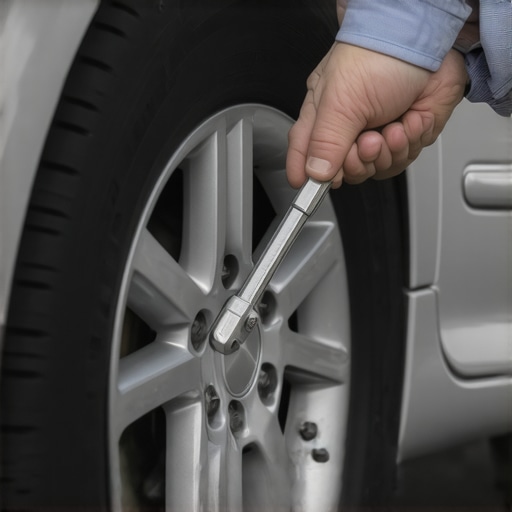
The ‘Oops’ factor often happens right at the end of a job when most people are tired and ready to be done. Have you ever seen a technician zip your wheels on with a high-powered air gun and then just walk away? That is a total nightmare for your braking system. I’ve learned the hard way that the correct way to torque lug nuts to prevent rotor warping is with a manual torque wrench used in a star pattern. When lug nuts are tightened unevenly, the rotor will heat up and cool down in a ‘wavy’ pattern, leading to that annoying pedal pulsation. Most people blame ‘cheap rotors’ for this vibration, but the real culprit is usually just poor installation technique. Taking five extra minutes to torque those nuts to spec is how you how to save 500 on your next major service by avoiding premature brake replacement. It is these small, nuanced steps that separate a weekend tinkerer from a seasoned pro.
Why do my brand-new pads still scream like a banshee?
If you’ve just replaced your brakes and they are already squeaking, you likely missed the ‘bedding’ process or ignored the hardware. Most people throw new pads into old, crusty caliper brackets and wonder why your new brakes are still squealing. You have to lubricate the contact points—where the pad meets the bracket—with high-temp ceramic grease. Without it, the pads vibrate at a high frequency, creating that ear-piercing noise. Furthermore, failing to ‘bed’ your brakes by performing a series of controlled stops can prevent the friction material from transferring correctly to the rotor face. Modern cars also require a digital touch; many high-end systems need a scanner to retract electronic parking brakes or reset maintenance counters. If you want to maximize your cars lifespan with expert tune-up strategies, you have to embrace both the mechanical and the digital. Have you ever fallen into this ‘lifetime’ fluid trap or dealt with brakes that just won’t stay quiet? Let me know in the comments.
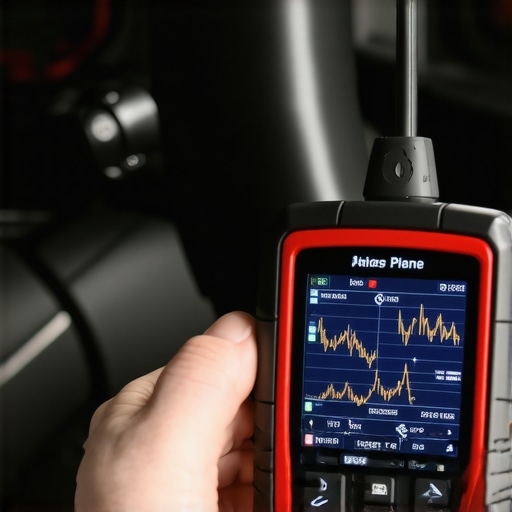
It isn’t just about turning a wrench anymore. I used to think a basic socket set was all I needed to survive the car ownership game, but modern vehicles are essentially rolling supercomputers. To truly master your own car service, you have to bridge the gap between mechanical grease and digital data. That is why my first recommendation isn’t a bigger hammer; it’s a high-quality OBD-II scanner. According to the Society of Automotive Engineers (SAE), specifically the J1979 protocol, your car’s on-board diagnostic system is constantly logging ‘freeze frame’ data—a snapshot of exactly what was happening the moment a fault occurred. Without this, you are just throwing parts at a problem. This is exactly what a p0300 code really means for your wallet; it is the difference between a loose spark plug and a fried catalytic converter. If you ignore these digital signals, you are inviting the dangers of leaving that check engine light on, which can turn a minor sensor glitch into a catastrophic engine failure.
Ditch the Guesswork with a Real Diagnostic Scanner
I personally use a scanner that allows for ‘bi-directional control.’ This means I can tell the car’s computer to turn on the fuel pump or pulse the fuel injectors while I’m standing right there watching. It takes the mystery out of troubleshooting common auto repair issues. If you can hear the pump clicking, you know the wiring is good. If you can’t, you’ve just saved yourself from buying a part you didn’t need. This level of precision is one of the major auto repair trends to watch in 2025, as vehicles become more integrated and software-dependent. I predict that within the next few years, we will see even more AI-driven predictive maintenance tools that tell us a part is failing before it even triggers a light.
How do I maintain my car’s performance once it hits six figures?
The secret isn’t a magic additive; it’s consistency and a focus on ‘preventative’ vs. ‘reactive’ repairs. When people ask about the truth about why my car finally hit 200,000 miles, it comes down to a strict adherence to a car service checklist that most people find boring. For me, that means testing the cooling system regularly. You can use the best way to test an engine thermostat at home by using an infrared thermometer to watch the temperature drop as the valve opens. If the radiator isn’t flowing correctly, the extra heat will eventually cook your transmission fluid, bringing us right back to the disaster I faced in my twenties.
Stop Chasing Ghosts and Start Testing Circuits
Sometimes the problem isn’t a gear or a belt; it’s a ‘ghost’ in the electrical system. I’ve spent hours tracking down a parasitic drain only to realize it was a stuck relay in the glovebox light. Learning how to use a digital multimeter changed everything for me. It’s how I discovered how professional diagnostics found my ghost electrical leak by measuring millivolts across the fuses. If you see a voltage drop when the car is off, you’ve found your culprit. This is a level of detail most chain shops won’t go into, which is why doing it yourself or finding an obsessive technician is so valuable. If you’re feeling overwhelmed by a mystery sound or a weird electronic glitch, don’t hesitate to contact us for a second opinion. My advanced tip for today: go into your scanner’s live data and check your ‘Long Term Fuel Trims.’ If they are higher than 10%, you have a vacuum leak or a fuel delivery issue brewing long before it ruins your commute.
Why Silence is Often the Most Expensive Sound Your Car Makes
One thing no one tells you is that your car is constantly talking to you through its pedals and steering wheel. I learned that silence isn’t always golden; sometimes it’s just the calm before a very expensive storm. I remember thinking a slight squeak was just the rain, but learning how an honest brake inspection saved me hundreds taught me that early detection is the only way to beat the dealer at their own game. Also, don’t fall for the ‘economy’ parts bin. I’ve seen the truth about cheap brake pads and noise firsthand—you’ll end up paying twice when the vibrations start a week later. Finally, realize that your time is worth money. If a job takes you six hours and costs $200 in tools, but a shop does it for $300, sometimes the shop is the smarter move for your sanity. Being a savvy owner means knowing when to turn the wrench and when to hand it over.
The Essential Trio for Every DIY Garage
I don’t go anywhere without my ‘triage kit’ anymore. First, a reliable OBD-II scanner is non-negotiable. It helps you keep up with auto repair trends to watch in 2025 where software is as important as steel. Second, a high-quality torque wrench; it’s the only way to ensure your wheels and engine components stay where they belong without warping rotors. Third, I always keep a digital copy of my car’s actual factory service manual—not just the generic one from the glovebox—because it contains the exact torque specs and fluid capacities that are unique to your specific VIN. These tools turn guesswork into precision engineering.
#IMAGE_PLACEHOLDER_E#
Drive Into a Wrench-Free Future
Taking ownership of your vehicle’s health is one of the most empowering things you can do as a driver. Whether you are performing a rigorous car service checklist or just listening for a new tick, you are extending the life of your investment. You don’t need to be a master mechanic to have a reliable car; you just need to be a consistent one. Don’t wait for a catastrophic breakdown to start caring about your tune up or brake service routine. Your car will take care of you as long as you take care of it. Have you ever had a mystery noise that turned out to be a five-minute fix? Let me know below.