
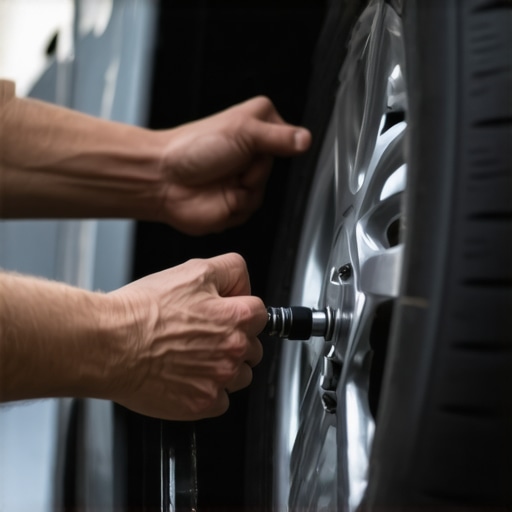
I’ll never forget the rainy Tuesday I nearly ended up in a ditch because I thought a loose steering wheel was just a character flaw of my old high-mileage truck. I was white-knuckling the wheel, trying to keep it straight while the front end felt like it was floating on marbles. If you have ever felt like your car has developed a mind of its own, you know exactly how gut-wrenching that is. Today, I am pulling back the curtain on how you can pinpoint that wobble yourself using nothing more than a basic floor jack and a bit of muscle. No fancy shop equipment, no expensive labor rates—just you, your driveway, and the truth about your front end.
That Heart-Stopping Moment Your Car Starts Wandering
I used to think that a little bit of play in the wheel was just part of the ‘old car experience.’ I ignored the subtle signs, like why your car wanders across the lane at high speeds, assuming it was just the wind or a crowned road. But then the clunks started. Every time I turned into my driveway, it sounded like someone was hitting the frame with a rubber mallet. By the time I finally bothered to look, my outer tie rod end was so worn it was practically held together by habit and luck alone. That was my ‘lightbulb moment’ where I realized that troubleshooting common auto repair issues before visiting the shop isn’t just about saving money—it is about making sure your wheels actually stay attached to the car.
Is a DIY Steering Check Really Worth the Risk?
You might be worried that diagnosing your own steering is too dangerous or that you will get it wrong. I felt the same way until I realized how simple the mechanism actually is. Early in my DIY journey, I actually replaced an entire power steering pump because I did not know how to tell if your rack and pinion is leaking fluid versus a simple mechanical joint failure. It was a $300 mistake that could have been avoided with a ten-minute physical check. According to a study by the National Highway Traffic Safety Administration (NHTSA), mechanical failures in steering and suspension are among the leading causes of loss-of-control crashes, making this check one of the most vital pieces of maintenance you can perform. Have you ever felt a mystery vibration through your steering wheel and just hoped it would go away on its own? I want to know about that moment you realized your car was trying to tell you something was wrong. We are going to make sure you never have to guess again. By learning how to use your ears to find a suspension clunk and performing the ‘shake test,’ you will regain control of your vehicle’s safety.To start, you have to get the weight of the vehicle off the suspension. If the tires are pressed against the pavement, the friction will mask any tiny movements you are looking for. I learned this the hard way during my first attempt at following an ultimate car service guide when I thought my steering was tight, only to realize the weight of a 4,000-pound sedan was just pinning the parts together. Use a floor jack to lift one side at a time and always, always use jack stands. Once that wheel is hanging free, it’s time for the physical shake test.
Master the Twelve and Six O’Clock Shake
Think of your wheel like a giant clock face. Place your hands at the 12 and 6 o’clock positions and try to rock the wheel toward and away from you. If you feel even a millimeter of click or movement, you are likely looking at a failing ball joint or a shot wheel bearing. It should feel like a solid piece of iron, not a loose tooth. I once spent two hours trying to figure out why my truck pulled during a DIY brake service, only to find the lower ball joint was so loose I could move it with my pinky once it was in the air. 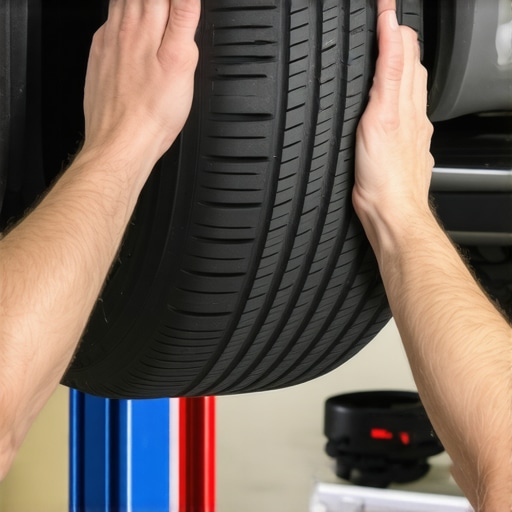
Check Your Steering Linkage at Three and Nine
Now, move your hands to the 3 and 9 o’clock positions. This is where you test the tie rods—the parts that actually transmit your steering wheel’s motion to the tires. Give it some quick, short shoves horizontally. If there’s play here, it’s almost certainly your inner or outer tie rods. This is often the hidden culprit behind why your steering wheel feels loose after an alignment. Think of tie rods like the tendons in your hand; if they are stretched or frayed, your fingers won’t move precisely when your brain tells them to.
Look for Clues Near the Rack and Pinion
If the wheels feel tight during the shake test but you still have that wandering sensation, you need to go deeper into the engine bay. Get a flashlight and look at the rubber bellows or boots on your steering rack. If they are soaked in dark, oily grime, you need to learn how to tell if your rack and pinion is leaking fluid. A leak isn’t just a mess on your driveway; it is a loss of hydraulic pressure that makes your car feel like it is floating. While you are down there, checking your other vitals is a smart move. I have found that tuning up your car for peak performance often starts with these small physical inspections rather than just swapping parts.
Detect the Invisible Suspension Wear
Sometimes the parts look fine, but they have lost their dampening ability. You can use the simple test for worn-out shocks using your own body weight by pushing down hard on the front bumper. If the car bounces more than once and a half after you let go, your shocks are toast. This instability can actually make your steering feel lighter and more erratic than it really is. Taking five minutes to perform this car service checklist routine can save you from a massive bill at the mechanic later by catching the problem before it ruins your new tires. You should also take a moment to learn how to check your power steering fluid the right way, as air in the lines can mimic the feeling of mechanical play.
But here is the hard truth: a shake test is just the beginning. Most people think that once they find a bad part and swap it, the job is done. This is where ‘The Alignment Trap’ kicks in. Everyone says you need an alignment the second the car drifts, but in my experience, that is often putting the cart before the horse. If you have even a tiny bit of play in your steering rack or a binding joint, you are literally throwing money away at a tire shop. You need to know how to tell if your wheel alignment is actually off before you book that service, because a laser alignment cannot compensate for mechanical wear or a frozen component. I have seen enthusiasts spend hundreds on ways to maximize your cars lifespan with expert tune up strategies only to realize the car still feels twitchy or pulls hard to the right after new tires because they missed the nuance of ‘memory steer’—a condition where the car fails to return to center after a turn. According to the Car Care Council, steering and suspension are the most overlooked safety systems, yet many drivers misdiagnose binding ball joints as simple wheel-weight imbalances.
Why Does the Steering Still Feel Numb After Replacing Everything?
This is the ‘Oops’ factor that separates the pros from the driveway amateurs. If you replace a control arm or a bushing and tighten the mounting bolts while the car is still up on jack stands, you have just committed a cardinal sin of auto repair. When the wheels hang, the rubber bushings are in a relaxed, ‘drooped’ state. If you torque them down there, they will twist and tear the moment you lower the car to its natural ride height. This creates a ‘spring’ effect in your steering that makes it feel vague, numb, and prone to premature failure. You must load the suspension—either by putting the wheels on ramps or using a second jack to compress the suspension to its resting position—before that final turn of the wrench. 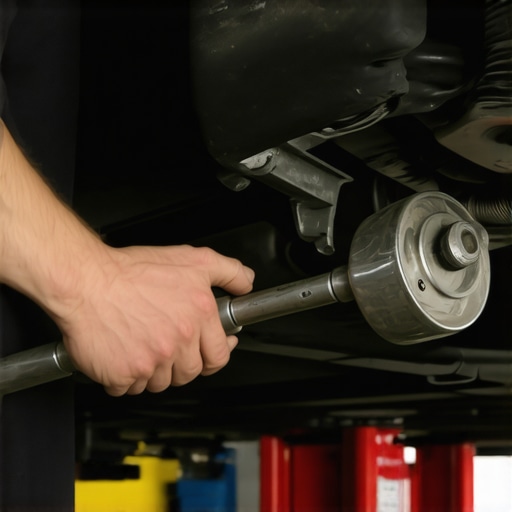
Stop Shredding Your New Bushings
The same logic applies to your stoppers. One of the biggest brake service myths is that new pads and rotors are ready for a mountain descent right out of the box. If you do not take the time to learn the simple way to bed in new brake pads, you will likely end up with glazed surfaces and a pedal that feels like stepping on a wet sponge. These nuances are what keep your car from returning to the shop a week later. Have you ever fallen into this trap of finishing a difficult repair only to have a new vibration or noise pop up? Let me know in the comments. By mastering these specific installation techniques and troubleshooting common auto repair issues before visiting the shop, you move beyond being a simple part-swapper and become someone who truly understands the machine.
I have spent thousands of hours under various chassis, and if there is one thing I have learned, it is that the right tools are not just about speed; they are about precision. I finally retired my old clicker-style torque wrench for a high-end digital version that beeps and vibrates as I approach the limit. Why? Because when you are working on modern aluminum subframes or thin-walled suspension components, the margin for error is razor-thin. If you follow my tune up your car for peak performance advice, you will realize that even the smallest bolt tension matters. According to the SAE J429 standard, which defines the mechanical and material requirements for externally threaded fasteners, the clamp load produced by a bolt is critical to the structural integrity of the joint. In my experience, guessing or using a cheap, uncalibrated tool is the fastest way to strip a thread and turn a Saturday afternoon job into a week-long nightmare.
How can you keep your steering feeling new for the next 100,000 miles?
The secret is not just one big expensive repair; it is a relentless and proactive car service checklist habit. Every single time I have my car in the air for an oil change, I give my rubber boots and bushings a quick spray of silicone lubricant to keep the material from drying out and cracking. This tiny, five-minute habit is a core part of how to maximize your cars lifespan with expert tune up strategies. You should also be looking at the clarity and color of your power steering fluid every six months. If it looks like burnt coffee instead of clear red or green, you have already missed the window to check your power steering fluid the right way. 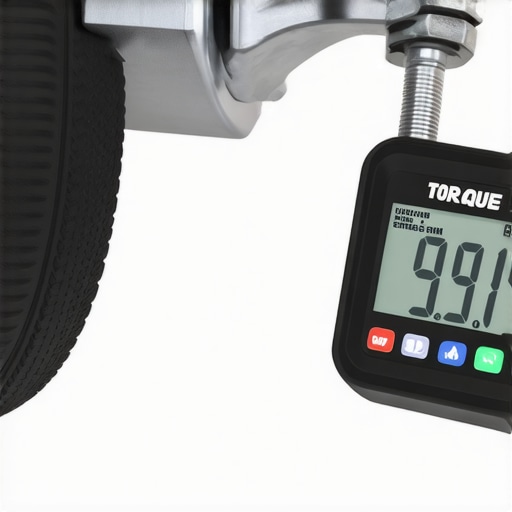 As we head toward the next era of automotive tech, I am seeing more DIYers adopting Bluetooth-enabled OBDII scanners that can monitor live suspension data and active damping sensors. It sounds like sci-fi, but auto repair trends to watch in 2025 suggest that even budget-friendly cars will soon have internal sensors that alert you the moment a ball joint or tie rod exceeds its factory-spec play. I recommend everyone pick up a simple dial indicator to check for rotor runout during their next brake system repairs. It is the only definitive way to stop the ‘warped rotor’ cycle before it starts. Try this one thing today: the next time you have your wheels off, do not just look at the brake pads. Pull the slider pins and ensure they are moving freely. It is a thirty-second check that prevents a massive caliper failure. If you have been putting off a deeper dive into your vehicle health, follow our ultimate car service guide to ensure your ride stays safe and responsive.
The Truth Behind Those Mystery Vibrations
One of the hardest lessons I ever learned was that the front end is an ecosystem where one failing component usually takes its neighbors down with it. I once replaced my entire steering rack only to realize the vibration was actually coming from a failing CV joint; that is why you must learn how to spot a bad CV axle before it snaps. It is also common to mistake a warped rotor for a steering issue, especially if you notice why your car pulses every time you hit the brakes. Looking back, how a simple tune up fixed my mystery hesitation moments showed me that engine performance and chassis stability are two sides of the same coin.
The Gear That Saved My Sanity
You do not need a professional shop setup, but a few key items make all the difference. I personally trust my digital torque wrench above all else because it removes the guesswork from critical suspension bolts. I also keep a high-quality dial indicator on my workbench to check for hub runout during any brake system repairs. Lastly, never underestimate the power of a simple silicone lubricant spray to preserve your rubber bushings; it is the most underrated step in my car service checklist for keeping a vehicle feeling fresh for decades. #IMAGE_PLACEHOLDER_E#
Drive with a New Sense of Confidence
Taking ownership of your car’s maintenance transforms the way you feel behind the wheel. When you eliminate that ‘wandering’ sensation, you are not just saving money on a professional car service; you are ensuring your family’s safety. As we look toward auto repair trends to watch in 2025, the tools might get smarter, but the fundamental physics of a tight ball joint will never change. Keep refining your skills and look for ways to maximize your cars lifespan with expert tune up strategies. Have you ever spent hours chasing a mystery suspension noise only to find it was something incredibly simple? Let me know in the comments below!