
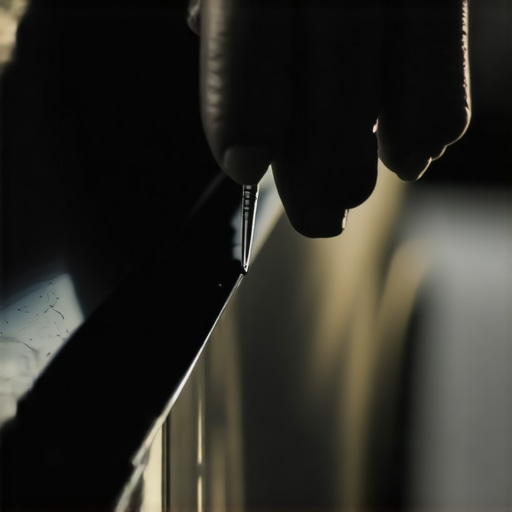
I remember pulling onto the highway last February, right as a semi-truck kicked up a thick slurry of salt and gray slush onto my windshield. I reached for the wiper stalk, expecting a refreshing blast of fluid, and instead, I got a pathetic, sad little dribble that barely cleared the bottom of the glass. I was effectively blind at 65 mph. It is terrifying how a tiny piece of road grit or a bit of dried wax can turn your car into a deathtrap in seconds. If you have ever been in that spot, frantically pumping the sprayer only to see your visibility get worse, you know exactly the frustration I am talking about. [image_placeholder_1] It is funny how we often obsess over big-ticket items when we look at [the ultimate car service guide](https://glassfixauto.com/the-ultimate-car-service-guide-when-and-why-to-schedule-maintenance), but we ignore the one thing that actually lets us see where we are going. Today, I am going to save you a trip to the mechanic and about fifty bucks. We are going to fix those stubborn sprayers with nothing more than a common household sewing needle and a little bit of patience.
Your Visibility Should Not Depend on a Weak Dribble
Most of the time, your washer system is actually fine; the pump is humming, and the reservoir is full. The problem is almost always at the very end of the line. Tiny mineral deposits or debris get lodged in that pin-sized exit hole. I have spent years learning [how regular tune-ups improve fuel efficiency and safety](https://glassfixauto.com/how-regular-tune-ups-improve-fuel-efficiency-and-safety), but I have also learned that ignoring the small stuff is what leads to big headaches. In fact, if you are already [troubleshooting common auto repair issues before visiting the shop](https://glassfixauto.com/troubleshooting-common-auto-repair-issues-before-visiting-the-shop), checking your nozzles should be at the top of your list. I will be honest with you: when I first started DIY-ing my car maintenance, I was impatient. I once tried to clear a clog with a thick, rusty paperclip and ended up snapping the plastic housing of the nozzle entirely. I had to replace the whole unit. That is why I am a firm believer in the needle method. It is delicate, precise, and it works every single time if you do it right. Have you ever found yourself squinting through a smear of mud because your washer fluid gave up on you?
Won’t a needle ruin the expensive spray assembly?
It is a valid fear. You might think that sticking metal into a calibrated nozzle will mess up the spray pattern or leave you with a stream that shoots over the roof of your car. However, when done with a fine-gauge needle, you are merely dislodging the ‘cork’ of grime. According to safety data from the National Highway Traffic Safety Administration (NHTSA), maintaining clear visibility is the most basic yet most overlooked aspect of vehicle safety. By following a proper [car service checklist](https://glassfixauto.com/car-service-checklist-how-to-keep-your-vehicle-in-top-shape), you can ensure these small components stay clear. In the next section, I am going to walk you through the exact angle to use and how to avoid the mistakes that I made back when I was still learning the ropes.
Stop Poking and Start Probing with the Right Angle
The biggest mistake people make is thinking they are excavating a tunnel. You are not. You are simply breaking up a microscopic crust. I learned this the hard way on my old ’98 pickup. I was frustrated and used a toothpick, thinking it would be gentler than metal. The tip of the wood snapped off inside the nozzle, and I spent the next hour trying to fish it out with tweezers before eventually giving up and buying a new part. That is why the sewing needle is the gold standard; it is strong, incredibly thin, and won’t leave debris behind. Before you start, turn the ignition to the ‘on’ position without starting the engine and give the washer one more try. This helps you identify exactly which of the tiny holes is the culprit. If you are already troubleshooting common auto repair issues before visiting the shop, you know that accurate diagnosis is half the battle.
Choose a Needle That Actually Fits
Don’t grab the first thick safety pin you find in the junk drawer. You want a fine sewing needle, the kind used for delicate fabrics. It needs to be thin enough to wiggle inside the orifice. Much like the secret to removing a stuck oil filter without drama, the key here is having the right clearance. If the needle feels like it is wedged tight, stop. You do not want to enlarge the hole, or you will end up with a spray pattern that looks more like a garden hose than a mist. Gently insert the needle about an eighth of an inch. You are looking for a gritty sensation—that is the mineral buildup or wax. Move the needle in a tiny circular motion to break it up. It is a tactile process, almost like feeling for a pulse when you are trying to spot a leaking brake caliper before it fails. 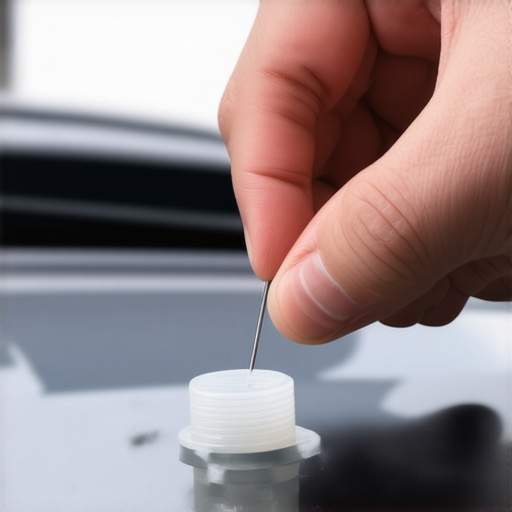
Wiggle Your Way to Better Visibility
Once you have agitated the debris, do not immediately spray. First, take a can of compressed air if you have one and blow it against the nozzle. This can help pull the loosened grit out rather than pushing it further in. I once skipped this step and the clog just reset itself ten miles down the road. After the air blast, give your washer a quick flick. You should see a noticeable improvement in the stream. If it is still weak, repeat the needle wiggle. This is a low-stakes version of the precision required for the 5-minute check to prevent transmission failure; it is about patience and observation.
Aiming Your Sprayers Like a Pro
Sometimes the problem isn’t a clog, but the fact that your sprayer is aiming at the car behind you or the very bottom of the plastic cowl. Over time, vibration or car washes can knock the little ‘eye’ of the nozzle out of alignment. This is surprisingly comparable to how to tell if your wheel alignment is actually off—if it is pointing the wrong way, you are never going to get where you need to be. Most nozzles feature a ball-and-socket design. You can actually use your sewing needle as a lever. Insert it slightly into the hole and gently pivot the ball. Aim for the center-top of the windshield. When you are driving at highway speeds, the wind resistance will push the water down, so aiming slightly higher than you think is usually the sweet spot. A quick adjustment can save you the stress of a smeared windshield and keep your car in line with a proper car service checklist.
It is easy to get hyper-focused on a single clogged nozzle, but that frustration is actually a gateway into a much larger conversation about how we treat our cars. Most people think modern vehicles do not need a traditional ‘tune-up’ because the Engine Control Unit (ECU) handles everything. I have heard it a thousand times from well-meaning DIYers: ‘If the check engine light is not on, the car is fine.’ This is a dangerous misconception that ignores the mechanical reality of aging parts. In my experience, you can maximize your cars lifespan with expert tune-up strategies only by looking past what the dashboard tells you. If you wait for a light to tell you there is a problem, the wear has already reached a critical stage.
The Dangerous Trap of Blindly Trusting Scanners
The ‘Oops’ factor for many sophisticated owners is relying solely on an OBD-II scanner. These tools are fantastic, but they are not infallible. I once spent three days chasing a p0300 code that refused to clear, swapping sensors and checking fuel pressure, only to realize the computer was actually giving me a false lead. The real culprit was a tiny vacuum leak in a rubber hose that was too small to throw its own code but large enough to mess with the fuel trim. If you want to know how to tell if your computer is giving you a false error code, you have to start trusting your ears and hands more than the pixels on your screen. Computers detect electrical failures; they are often blind to mechanical subtleties.
Why does my engine still run rough after a perfect computer scan?
Sometimes sensors are not ‘broken’ enough to trigger a fault code, but they are ‘tired’ enough to kill your performance. This state of ‘limbo’ is where many efficiency problems live. According to data from the Car Care Council, nearly 80 percent of vehicles on the road fail at least one part of a basic inspection, yet most of those drivers have no warning lights on. This is exactly how a simple tune-up fixed my mystery hesitation on a car that technically had a ‘clean’ scan. It was not a failed sensor; it was a hairline crack in a spark plug boot that only arched under heavy load—a physical flaw no scanner would ever flag. #IMAGE_PLACE_HOLDER_C#
Master the Nuance of Your Braking System
We see the same thing with braking performance. Most people believe that brake service myths are limited to just pads and rotors, but the secret to a long-lasting repair is in the lubrication of the slide pins. If you ignore these tiny components, your pads will wear unevenly and you will wonder why your brake rotors keep warping every few months. I have seen brand new ceramic pads ruined in under 2,000 miles because a technician did not want to spend ten minutes cleaning the caliper brackets. The truth about why my car finally hit 200,000 miles is not because I followed the dealership’s expensive ‘packaged’ deals; it is because I learned to spot these nuances before they turned into catastrophic failures. Have you ever fallen into the trap of thinking your car was fine just because the dashboard was clear? Let me know in the comments.
If you are ready to move beyond the sewing needle and start taking your garage game seriously, you need to talk about precision tools. I spent the first five years of my DIY journey tightening bolts by feel. I thought I had a calibrated elbow until I snapped a water pump bolt and had to drill it out of the block. That was the day I bought a high-quality split-beam torque wrench. For anyone following the ultimate car service guide, a torque wrench is not optional; it is the difference between a successful repair and a nightmare. When you are understanding brake system repairs, every foot-pound matters for the slide pins and caliper bolts. Over-tightening leads to stretched threads, while under-tightening leads to vibration and catastrophic failure. 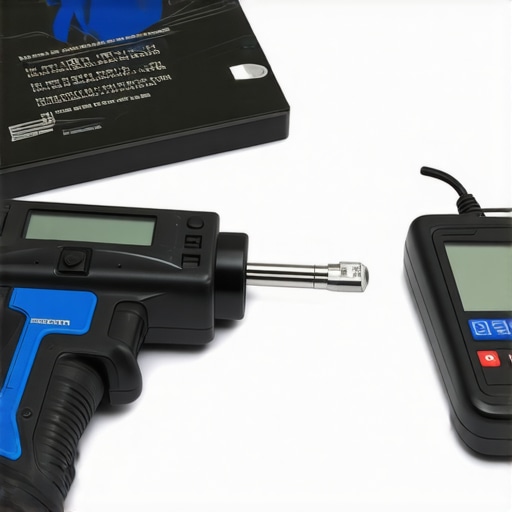
How do I maintain my car’s performance over the next decade?
Consistency beats intensity every single time. I have seen people spend thousands on performance upgrades while their power steering fluid looked like swamp water. I make it a habit to check power steering fluid the right way every time I change my oil. It takes thirty seconds, but it saves a thousand-dollar steering rack. This disciplined approach is how you maximize your cars lifespan with expert tune-up strategies. For example, technical documentation from SAE International regarding the J1703 standard emphasizes that brake fluid is hygroscopic; moisture contamination can lower its boiling point by over 100 degrees Fahrenheit in just a year. This hidden degradation is why I will never skip a transmission fluid change again or ignore my brake lines. Once fluid chemistry breaks down, the internal corrosion starts eating your car from the inside out.
Predictive Maintenance is the Future of the Garage
Looking at auto repair trends to watch in 2025, I predict we are moving toward consumer-level predictive maintenance modules. Your car will not just tell you a part has already failed; it will use machine learning to tell you a bearing will fail in 500 miles based on microscopic vibration patterns. Until that technology is standard, the best tool you can own is a bi-directional scanner that lets you force a relearn on components after a tune-up for peak performance. My challenge to you this weekend is this: do not just look at your dash. Pull one spark plug and inspect the porcelain color. If you are troubleshooting common auto repair issues before visiting the shop, that one spark plug will tell you more about your combustion health than any generic check engine light ever could.
What Five Years Under the Hood Taught Me
The biggest takeaway from years of troubleshooting common auto repair issues before visiting the shop is that most catastrophic failures start as minor inconveniences. That clogged nozzle wasn’t just about water; it was a warning sign of mineral buildup that could eventually affect other fluid systems if ignored. I have learned that a five-dollar tool can often do the work of a five-hundred-dollar sensor replacement if you just know where to look. Another hard truth? Do not fall for brake service myths that suggest only the big parts matter; skipping the small details like cleaning slide pins or checking your washer fluid quality is the fastest way to end up with a high repair bill later.
The Short List for Your Toolbox
You do not need a professional garage to keep your car in top shape, but you do need precision. I always keep a dedicated sewing kit specifically for nozzle clogs—it has saved me more times than I can count on a rainy highway. Beyond that, a split-beam torque wrench is non-negotiable for anyone following the ultimate car service guide to ensure every bolt is seated perfectly. I also highly recommend keeping a small physical notebook in the glovebox to track the little things, like the exact date you performed a tune-up for peak performance. For data you can trust, I always cross-reference my findings with the manufacturer’s service manual and the NHTSA safety database. #IMAGE_PLACEHOLDER_E#
Own Your Car’s Future
Starting with a simple needle and a windshield sprayer might feel like a tiny victory, but it is the foundation of a proactive mindset. When you take control of your vehicle’s maintenance, you stop being a victim of the dashboard lights and start becoming a master of your machine. Whether you are learning how to maximize your cars lifespan with expert tune-up strategies or just clearing a piece of grit from a nozzle, you are making your daily drive safer and more reliable. Every successful auto repair starts with the curiosity to ask why a system is failing and the courage to try a simple fix yourself before calling for a tow. Have you ever spent way too much money at a shop for a fix that turned out to be something as simple as a clogged nozzle or a loose gas cap? Let me know your story in the comments below.