
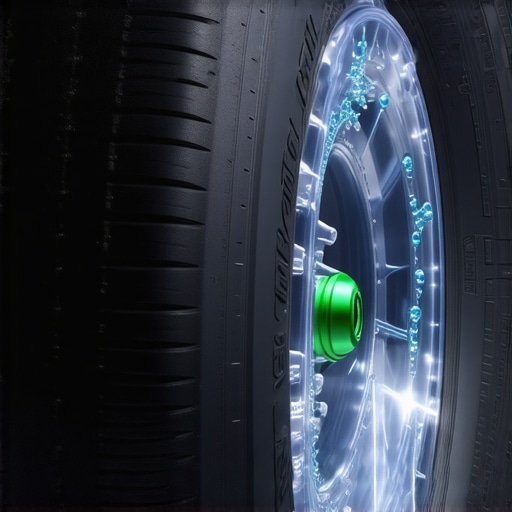
I stood there staring at the green plastic caps on my neighbor’s new SUV, feeling that familiar itch of automotive FOMO. He swore up and down that his fuel economy was soaring and his tires were “practically immortal” because he’d swapped plain old air for pure nitrogen. I’ll be honest: I fell for it once. Years ago, I spent a ridiculous amount of money at a dealership during a standard car service because I thought it would solve all my pressure problems forever. It didn’t. In fact, I ended up more frustrated than ever when my low tire light started blinking just a month later in the middle of a torrential downpour. I was kneeling in a puddle with a gauge, realizing that nitrogen isn’t a force field against nails or slow leaks. [image_placeholder]
Stop Paying for Fancy Air Until You Read This
Let’s get real for a second. We’ve all been there—trying to decide if the “premium” option is actually better or if we’re just getting upsold on snake oil. When it comes to nitrogen, the science is technically sound, but the real-world application is where things get muddy. I’ve spent way too many hours in garages and tire shops learning the hard way that a fancy gas doesn’t replace basic maintenance like a proper car service checklist. Today, I’m going to break down why that green cap might be the most expensive piece of plastic on your car and when it actually makes sense to use it. If you’ve ever wondered if your car needs an alignment or just new tires, you’re already asking the right questions about your rolling stock. We are going to solve the mystery of whether nitrogen actually saves you money or if you should just stick to the air compressor at the gas station.
Is This Just Another Expensive Marketing Gimmick?
The biggest fear I hear from folks in the neighborhood is that they’re being “taken for a ride.” And honestly? Most of the time, they are. My big mistake early on was assuming nitrogen was a “set it and forget it” solution. I ignored my tires for months, thinking the nitrogen wouldn’t leak. According to a long-term study by Consumer Reports, nitrogen-filled tires only lost about 2.2 psi over a year, while air-filled tires lost 3.5 psi. That’s a difference, sure, but it’s not the miracle most shops claim it is. You still have to check your pressure! I once treated it like a 10,000 mile oil change interval where I just stopped paying attention, and that was a dangerous move. Before we dive into the nitty-gritty of pressure retention and oxidation, I want to hear from you. Have you ever paid for a nitrogen fill and felt like you actually noticed a difference, or did you feel like you just threw twenty bucks into the wind?
Stop Guessing Your Tire Pressure Every Morning
The first thing you need to realize is that nitrogen isn’t a magic fix for poor maintenance. I learned this the hard way during a cross-country trip when I ignored my pressure for six months because I thought the green caps meant I was immune to leaks. I ended up with uneven wear that looked like a mountain range on my treads, eventually forcing me to figure out if my car needed an alignment or new tires. Nitrogen molecules are technically larger than oxygen molecules, which means they migrate through the tire’s rubber structure much slower. However, physics doesn’t take a day off. For every 10-degree drop in temperature, you still lose roughly 1 psi of pressure. If you see that your low tire light blinks instead of staying solid, it’s a signal to act, regardless of what gas is inside. I recommend using a high-quality digital gauge every two weeks to keep things precise.
Don’t Panic If You Have to Top Off With Regular Air
One of the biggest myths I encountered early on was the idea that mixing regular air with nitrogen would somehow ‘poison’ the tire or cause a chemical reaction. That is complete nonsense. Atmospheric air is already about 78% nitrogen. If you are at a gas station and your tire is five pounds low, put the air in! It is far more dangerous to drive on an underinflated tire than to ‘dilute’ your 95% nitrogen mix. While you might lose the marginal benefit of slower pressure loss, you protect the structural integrity of the sidewall. Keeping an eye on these details is a staple of any solid car service checklist. I once drove fifty miles out of my way looking for a nitrogen machine when a standard air pump was right next to me; don’t make that same mistake.
#IMAGE_PLACE_HOLDER_B#
When Pure Nitrogen Actually Pays Off
There are specific scenarios where paying for nitrogen is actually a smart move. If you own a weekend toy or a classic car that sits in a climate-controlled garage for months at a time, nitrogen is a godsend. Because it is an inert, dry gas, it doesn’t carry the moisture that standard air compressors often pump into your tires. This prevents the internal structure of the wheel from corroding and keeps the rubber from oxidizing from the inside out. For most of us, though, focusing on how regular tune-ups improve fuel efficiency and safety is a much better investment of your maintenance budget. You want to prioritize the things that keep the engine running and the brakes biting before worrying about the specific molecular makeup of your tire air.
The Reality of High Temperature Performance
If you’re the type to take your car to a track or drive aggressively through mountain passes, nitrogen offers more consistent pressure growth as the tires heat up. Standard air contains moisture which turns to steam when the tire gets hot, causing erratic pressure spikes. I remember a track day where my pressures jumped 8 psi in three laps because I used shop air; switching to nitrogen kept that gain to a predictable 4 psi. This is why it’s a core part of the ultimate car service guide for performance enthusiasts. But for the morning school run or a trip to the grocery store? You’ll never get the tires hot enough to notice the difference.
Beyond the gas in your tires, there’s another layer of maintenance that most people overlook because they’re still following outdated advice from thirty years ago.
Stop Chasing the Traditional Tune-Up
Here is a hard truth most shops won’t tell you: the “tune-up” as your father knew it is dead. I see so many people walk into a garage and pay $300 for a tune-up, thinking they are getting a deep mechanical overhaul. In reality, modern engine management systems handle timing and fuel trim automatically. If you want to actually maximize your car’s lifespan with expert tune-up strategies, you need to look at the sensors, not just the spark plugs. Specifically, I’ve found that a dirty Mass Air Flow (MAF) sensor is the culprit behind 80% of “sluggish” engines I encounter. Many mechanics will just swap your plugs and call it a day, but the hidden benefit of cleaning your mass air flow sensor is often the difference between a car that purrs and one that stumbles at stoplights.
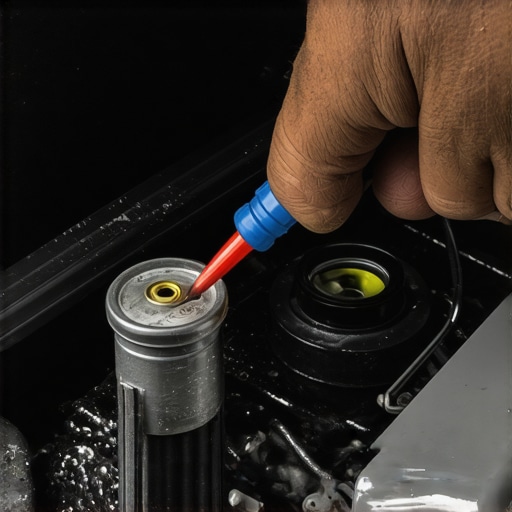
According to a study by AAA, nearly 64 million American drivers cannot afford an unexpected vehicle repair, which often leads to skipping these small, nuanced cleaning tasks in favor of “big ticket” parts that don’t actually solve the root problem. Have you ever fallen into this trap of paying for a “tune-up” that was just a glorified oil change? Let me know in the comments.
Why Your New Brake Pads Might Still Squeak
The “oops” factor in brake service is almost always related to the break-in period. I once had a client come back screaming because their brand-new rotors were glowing and smelled like a campfire. It turns out, they hadn’t learned the proper way to break-in new brake pads and rotors. If you just slap pads on and immediately do a high-speed emergency stop, you’ll glaze the surface of the pad, leading to permanent squealing and reduced stopping power. If you see a little haze, don’t panic—the real reason your new brake pads are smoking is usually just the protective oil coating burning off the rotors, but that only lasts a few miles. If it persists, you’ve got a mechanical drag issue.
Can Your Car’s Computer Outsmart a Mechanical Fix?
Advanced drivers often ask me if they can just “reset” their way out of a mechanical problem. The answer is a firm no. While you can clear a code, the adaptation values in your ECU will eventually realize the hardware is failing. This is especially true with the truth about 10,000 mile oil change intervals; the computer assumes you are using high-quality synthetic and a specific micron-rated filter. If you go cheap on the hardware, the software’s “oil life monitor” becomes a total fantasy. Precision maintenance isn’t just about following the dashboard lights; it’s about understanding that the software is only as good as the physical parts it monitors.
To bridge the gap between being a weekend tinkerer and someone who actually understands their machine, you have to stop relying on the “butt-dyno” and start trusting data. I used to think I could feel a misfire or a bad wheel bearing just by the vibration in the steering wheel, but modern cars are too insulated for that level of guesswork. You need the right gear.
Stop Guessing and Get a Real Multimeter
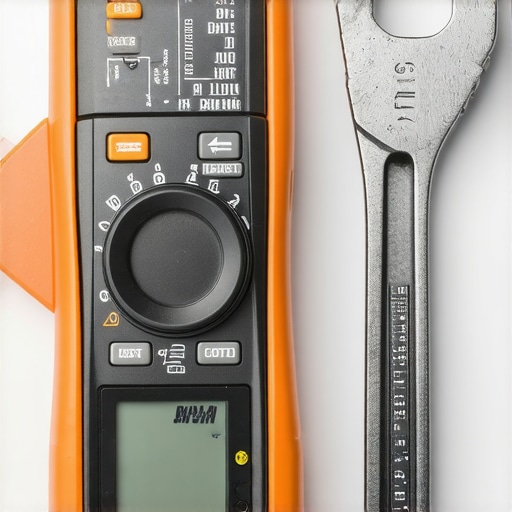
I cannot stress this enough: a digital multimeter is the most important tool in my chest. Most people use it once to check a battery and then let it collect dust, but I use mine to hunt down parasitic draws and verify ground circuits. If you have ever had a mystery electrical gremlin, learning how to test your alternator with a simple multimeter at home will save you hundreds in diagnostic fees. I personally use a high-quality unit because the “min/max” capture feature catches voltage spikes that cheaper tools miss.
How do I maintain my car’s performance over the long haul?
Consistency is the only real secret. I keep a physical logbook in my glovebox—yes, an actual paper one—because it forces me to look at the numbers every time I perform a tune-up for peak performance. To maximize your car’s lifespan with expert tune-up strategies, you have to treat fluids like the lifeblood they are. I don’t just wait for the dashboard to tell me something is wrong. For instance, I check my brake fluid copper content every summer. When you see that your brake fluid looks like coffee creamer, you have already waited too long and potentially damaged the ABS manifold. According to the SAE International J1703 standard, glycol-based brake fluid is hygroscopic, meaning it actively pulls moisture from the air even if you do not drive the car. This is why a regular “flush” is more important than the pads themselves over a five-year period.
Precision Torque is Your Best Defense Against Failed Parts
One of the biggest “pro” habits I picked up was using a torque wrench on everything—not just head bolts. I see so many people “uuga-duuga” their lug nuts with an impact gun, only to wonder why their rotors warp or the brake pedal feels different after a tire change. Learning the proper way to torque wheel bolts without a manual ensures that the clamping force is perfectly even across the hub. I use a split-beam torque wrench because it does not need to be wound down to zero after every use, which keeps the internal spring calibration accurate for years. It is about building a repeatable process so that your maintenance is based on engineering rather than luck.
Where Car Service is Heading in 2025 and Beyond
We are moving toward a world where your car will likely predict its own mechanical failures. Looking at auto repair trends to watch in 2025, we are seeing a massive shift toward telematics and remote diagnostics. Soon, your local shop might call you because your fuel trim shifted by 5% before you even feel the engine stumble. My advice? Do not shy away from the tech. Grab a high-quality OBD-II dongle today and start familiarizing yourself with your car’s “normal” data pids. My challenge to you: Grab a multimeter this weekend and test your battery’s resting voltage—it is the first step to truly owning your vehicle’s long-term health.
The Hardest Lessons I Learned While Chasing Mechanical Perfection
After years of working on my own vehicles and advising others, I have realized that the shiny marketing often masks the simple truths. My biggest mistake was ever thinking that a one-time upgrade—like nitrogen or high-end spark plugs—could replace the discipline of a routine check. I’ve learned that the most reliable cars on the road aren’t the ones with the most expensive modifications; they are the ones where the owner actually pays attention to the small changes in feel and sound. Before you spend a dime on fancy air, make sure you are troubleshooting common auto repair issues before visiting the shop to ensure you aren’t masking a deeper problem. I also learned that ‘good enough’ is never good enough when it comes to stopping power, so ignoring brake service myths is the first step toward actual safety on the road. Finally, the best diagnostic tool isn’t a computer—it’s your own consistency in monitoring fluid levels and tire wear patterns.
The Only Gear I Actually Carry in My Personal Trunk
You don’t need a professional-grade garage to keep your car in top shape, but you do need these three specific items. First, a high-quality split-beam torque wrench is non-negotiable for anyone who wants to avoid warped rotors or loose wheels. Second, a digital multimeter is your best defense against ‘parts cannon’ mechanics who want to replace your alternator when you just have a bad ground wire. Third, I keep a dedicated physical logbook to track every tune-up for peak performance. This paper trail is more than just nostalgia; it’s a data set that helps you predict when parts will fail before they leave you stranded. These tools, combined with a comprehensive car service checklist, are what separate the people who own their cars from the people whose cars own them.
Take Control of Your Car’s Destiny Today
Maintenance is not a chore; it is an investment in your freedom and your safety. Whether you decide to stick with regular air or go the nitrogen route, the key is to stay engaged with the process. Don’t be intimidated by the tech in modern vehicles. By understanding brake system repairs and the basics of engine management, you take the power back from the dealership and put it where it belongs—in your hands. Your car is a complex machine that rewards those who treat it with respect and precision. So, grab that pressure gauge, check your oil, and start building a relationship with your vehicle that lasts for hundreds of thousands of miles. Have you ever discovered a small mechanical issue yourself just in time to prevent a major breakdown? Let me know your best ‘save’ in the comments below!