
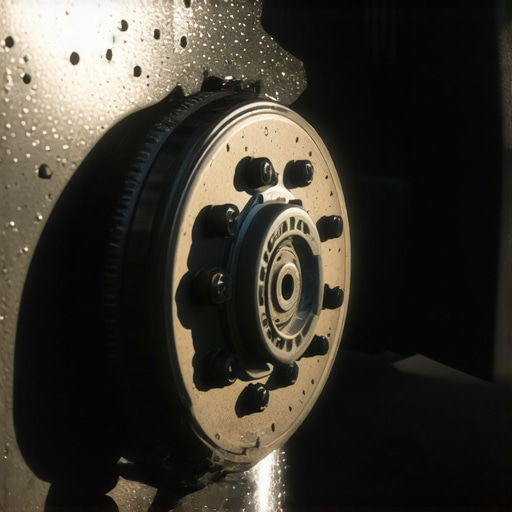
It was exactly 6:15 AM last Tuesday when I managed to wake up the entire block. I climbed into my SUV, tapped the pedal to shift into reverse, and my brakes let out a high-pitched squeal so sharp it could have cut glass. I saw my neighbor’s curtains twitch and felt that familiar wave of car owner shame. We’ve all been there. You want a smooth, quiet exit, but your vehicle has other plans. If you’re tired of that daily morning serenade, you’re in the right place. Today, I’m going to help you pinpoint exactly why your pedal is acting up and show you how to fix it before your neighbors start an intervention. Have you ever felt like your car was intentionally trying to embarrass you first thing in the morning?
That First Morning Reverse is Always the Loudest
I’ll be honest: I haven’t always been the helpful neighbor when it comes to cars. Years ago, I was so convinced that any noise from my wheels meant impending doom that I rushed to a shop and dropped nearly five hundred dollars on a full brake system repair. The kicker? The noise came back three days later. I felt like an absolute novice. It turns out, I was falling for one of the most common brake service myths out there—the idea that noise always equals a catastrophic failure. Usually, that morning chirp is just your car reacting to its environment. According to the Car Care Council, morning brake noise is frequently caused by a thin layer of flash rust that forms on the rotors overnight due to high humidity or morning dew. When you first apply pressure, the pads are literally scraping that oxidation off. It’s annoying, sure, but it is often a totally normal part of your car’s operation in certain climates. However, if that sound persists or changes to a metal-on-metal grind, you might need to look into how to fix grinding brakes without necessarily tossing your expensive rotors in the trash.
Is a Little Morning Noise Actually Dangerous?
Most of the time, the answer is no, but it’s the most of the time that keeps us up at night. If the squeak disappears after the first two or three stops at the end of your street, your brakes are likely just clearing their throat. But if the pedal feels different—maybe a bit spongy or stiffer than usual—you’ve moved past a noise issue and into a safety concern. Before you panic and call a tow truck, try troubleshooting common auto repair issues on your own. My early mistake was assuming the loudest part of the car was the most broken part. Sometimes, a tiny bit of missing grease on the caliper slide pins or a vibrating metal shim is the real culprit. We’re going to dig into the mechanical reasons next, so you can walk into a shop with the confidence of someone who actually knows what’s going on behind the tire. Do you think your current squeak is just the weather, or is it something deeper?
Clean Your Rotors First
I remember pulling my tires off in a gravel driveway three years ago, sweating through my shirt, only to realize I’d missed the simplest step. I had brand new pads, but I hadn’t cleaned the assembly properly. Every time I hit a bump, the pads rattled like loose change in a jar. Before you replace anything, use a dedicated can of brake cleaner to spray down the rotor surface and the caliper. Sometimes, road grime or a stray piece of gravel gets wedged between the dust shield and the rotor, creating a screech that sounds like a dying banshee. This should be part of your standard car service checklist every time you have the wheels off for a rotation.
Grease Those Pins to Kill the Vibration
If the noise is more of a rhythmic click or a chatter, the culprit is likely your caliper slide pins. Think of these pins like the hinges on a heavy door; if they’re dry, the whole mechanism binds up. I once worked on an old sedan where the pins were so bone-dry they had seized in place, causing the inner pad to wear down to the metal while the outer pad looked brand new. You need to pull those pins out, wipe off the old, crusty gunk, and apply a high-temperature synthetic brake lubricant. This keeps the caliper moving freely and prevents the pads from dragging, which is often the fix for a soft brake pedal that mechanics keep missing. #IMAGE_PLACE_HOLDER_B#
Follow the Bedding Process for Silent Stops
If you’ve just installed fresh parts and they’re already making a racket, you likely skipped the ‘bedding-in’ phase. This is the critical process of transferring a thin, even layer of brake pad material onto the surface of the rotor. Without this layer, you get uneven friction, which leads to vibration and that piercing squeal. You can learn the proper way to break in new brake pads and rotors by performing a series of controlled stops from 45 mph down to 5 mph. It’s a simple way to bed in new brake pads that ensures the two surfaces ‘marry’ perfectly.
Watch Your Fluid Levels Like a Hawk
Sometimes the noise isn’t at the wheel at all; it’s a mechanical warning from the car that something is wrong with the hydraulics. If you hear a faint hiss or a groan when you press the pedal, check your reservoir immediately. Understanding why your brake fluid levels keep dropping without a visible leak is vital because as pads wear down, the fluid level naturally drops to fill the gap in the calipers. However, if it’s dropping rapidly, you have a safety crisis on your hands. To truly maximize your car’s lifespan with expert tune-up strategies, you should be flushing that fluid every two years. Old fluid absorbs water over time, which lowers the boiling point and can lead to internal corrosion that causes those very squeaks and groans you’re trying to avoid.Most shops will tell you that the moment your brakes make a sound, you need to replace every single component from the pedal to the pavement. In my experience, that is often overkill designed to pad a bill. While brake system repairs are inherently about safety, many technicians forget the nuance of measuring rotor thickness with a micrometer before suggesting a full replacement. If your rotors aren’t warped and remain above the minimum thickness stamped on the hub, you do not always need to toss them in the scrap heap. This nuance is the difference between a hundred-dollar fix and a thousand-dollar headache. One massive “oops” factor I see DIYers and even some pros make is falling for the allure of “budget” components. You might think you’re saving money, but the truth about budget spark plugs and engine performance is that they often lead to subtle misfires and poor fuel trim that cost you more at the pump. The same applies to brakes; cheap pads often lack the proper ceramic shims, leading to that permanent squeal that no amount of grease can fix.
How Can You Tell If Your Master Cylinder Is Actually Failing Internally?
This is where things get technical and potentially dangerous. If you have bled your lines and confirmed there are no external leaks, but your pedal still slowly sinks toward the floor while you are holding it at a red light, you are likely dealing with internal bypass. Knowing how to tell if your master cylinder is failing internally is a critical skill; it means the internal rubber seals are worn, allowing fluid to slip past the piston without any visible drips on your driveway. According to the National Institute for Automotive Service Excellence (ASE), high-quality maintenance like a proper tune-up for your car should always include a diagnostic scan for “pending” codes that have not yet triggered a dashboard light. This proactive approach is a cornerstone of the auto repair trends to watch in 2025, moving the industry from reactive fixes to predictive maintenance. Do not overlook how these systems interact across the vehicle. For instance, how regular tune-ups improve fuel efficiency and safety involves more than just the engine; it ensures your calipers aren’t dragging, which would otherwise kill your MPG faster than a dirty air filter ever could. #IMAGE_PLACE_HOLDER_C# Have you ever fallen into the trap of replacing perfectly good parts just because a shop told you it was “standard procedure”? Let me know in the comments.It took me years to realize that the most powerful tool in my garage wasn’t the heavy-duty impact wrench, but a simple $80 OBD2 diagnostic scanner. If you’re serious about your vehicle’s health, you need to stop guessing why the check engine light is on. I’ve seen people replace sensors, spark plugs, and even entire catalytic converters just because a code popped up, without realizing that how to tell if your computer is giving you a false error code is a real possibility. I personally use a scanner that shows live data streams so I can see exactly what the oxygen sensors are doing while I drive. I once chased a lean code for a month before realizing it was a $4 cracked vacuum hose, not a failing $200 fuel pump. This kind of data is the backbone of auto repair trends to watch in 2025, where your car’s computer becomes your best diagnostic partner rather than an adversary. We are entering an era where telematics will predict your brake pad life before you even hear that first squeak. 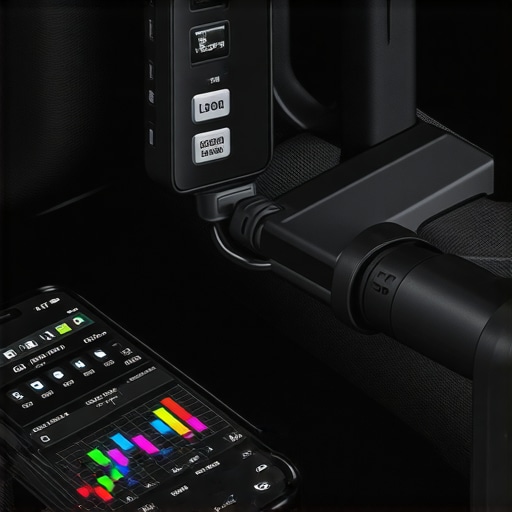
How do I keep my vehicle running like new for 200,000 miles?
The secret isn’t a magic additive; it’s a religious adherence to a car service checklist. To really go the distance, I’ve started sending oil samples to Blackstone Laboratories for chemical analysis. They can tell you if there’s trace amounts of coolant or bearing metal in your oil long before a part actually fails. This level of detail is how you maximize your car’s lifespan with expert tune-up strategies. Most people wait for a noise or a leak, but the pros look for the chemical signatures of wear. This approach stops a small issue from snowballing into a transmission failure. When you combine this with a tune-up for your car every 30,000 miles, you’re not just repairing a machine—you’re managing an asset.
Precision Matters More Than Muscle
I’ve seen too many DIY mechanics tighten bolts until they can’t turn anymore, assuming tighter is better. That’s a fast track to snapped studs and warped rotors. You absolutely must use a calibrated torque wrench for everything from your spark plugs to your wheels. Learning the proper way to torque wheel bolts without a manual usually involves a star pattern and two-stage tightening to ensure the load is even. This level of care is exactly how regular tune-ups improve fuel efficiency and safety, because a properly assembled vehicle has less internal friction and better structural integrity. I predict that within the next five years, we’ll see even more consumer-grade tools that use Bluetooth to sync these torque specs directly from a cloud database to your wrench, removing the human error of over-tightening. For now, my advice is to grab a bottle of mass air flow cleaner this weekend. The hidden benefit of cleaning your mass air flow sensor is immediate: better idle, smoother shifts, and a few extra miles per gallon. Give it a try and see if your throttle response doesn’t feel crisp again.
The Hardest Lessons from My Driveway Disasters
Over the years, I’ve learned that the biggest brake service myths usually involve people assuming that every noise equals a massive bill. One of my biggest lightbulb moments was realizing that cleanliness is often more important than hardware. If I had simply used a can of brake cleaner and some wire brush work years ago, I could have saved thousands on unnecessary parts. I also realized that heat is your enemy; if you ever find your rotors smelling like burnt hair, it’s rarely the rotor’s fault and almost always a seized caliper. Learning how to spot a collapsed brake hose in seconds is a skill that separates the weekend warriors from the pros. Finally, never skip the bedding process. I used to think it was just for race cars, but the simple way to bed in new brake pads is the only way to guarantee a silent, vibration-free stop from day one.
The Essential Toolkit for Every Driver
If you want to move beyond guessing, you need the right gear. First, a calibrated torque wrench is non-negotiable. I personally trust it for every lug nut because the proper way to torque wheel bolts without a manual still requires precision to prevent warped rotors. Second, get a dedicated brake pressure bleeder. It turns a frustrating two-person job into a ten-minute solo task that ensures no air stays in your lines. Lastly, always keep a digital micrometer in your drawer. It’s the only objective way to prove whether your rotors are actually too thin or just need the only way to fix grinding brakes without replacing rotors which is a simple resurfacing.
Take Charge of Your Car’s Health Today
Maintenance doesn’t have to be a source of anxiety. When you stay on top of your car service checklist, you’re not just fixing problems—you’re building a relationship with your vehicle. Whether it’s a simple squeak or a complex brake system repair, you now have the knowledge to handle it with confidence. Your car is an investment in your freedom; treat it with the care it deserves and it will return the favor for hundreds of thousands of miles. Have you ever had a noise that vanished the moment you pulled into the mechanic’s parking lot? Let me know in the comments below!