
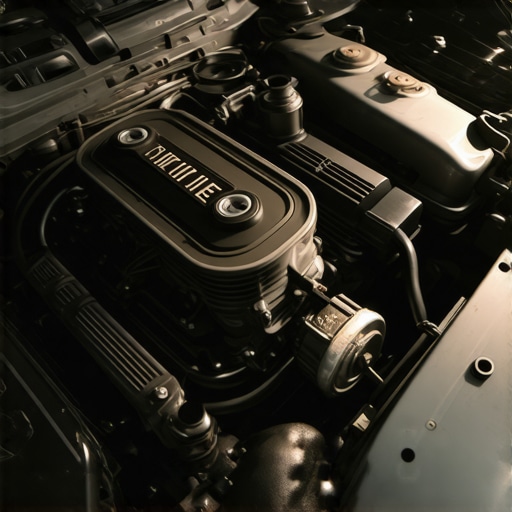
It was 98 degrees in the shade, the kind of humidity that makes you feel like you’re breathing through a wet sponge. I was sitting at a red light in Charlotte, sweating through my favorite shirt, and I finally gave in and hit that ‘AC’ button. Click. The compressor engaged, and suddenly my steering wheel felt like a vibrating massage chair—but the bad kind. My RPMs dipped so low I thought the car was going to give up the ghost right there in traffic. It’s a terrifying feeling, isn’t it? You expect a blast of cold air, but instead, you get a car that shudders like it’s terrified of the heat. Have you ever felt that heart-sinking moment where you’re afraid to turn on the air because you think the engine might stall?
Your Engine Isn’t Dying, It’s Just Struggling to Breathe
I’ve been in your shoes. Early in my DIY journey, I made the expensive mistake of assuming my compressor was seizing and replaced the whole unit. It was a $400 lesson in humility because the shudder didn’t go away. The real culprit? A filthy intake and a tired battery. Today, we are going to fix that. We’ll solve the mystery of why your car stalls or shakes when the AC is running and get your idle back to being buttery smooth.
Is a little vibration really a sign of a mechanical meltdown?
Not usually, but it shouldn’t be ignored. When the AC compressor clutch engages, it places a significant mechanical load on your engine. In fact, a typical automotive AC compressor can sap up to 10 horsepower from your engine according to data from the Society of Automotive Engineers (SAE). If your engine is already gasping for air due to a sneaky vacuum leak or a dirty throttle body, that extra load is the straw that breaks the camel’s back.
The Hidden Connection Between Idle and AC
Most of the time, the shudder is a symptom of a ‘lazy’ engine response. Your car’s computer is supposed to bump up the idle speed the millisecond it detects the AC turning on. If it can’t—maybe because of carbon buildup or an electrical issue—you get that nasty vibration. Keeping up with regular tune-ups and maintenance is the best defense against this. It’s often the small, overlooked components that cause the biggest headaches, and I’m going to show you exactly which ones to check before you spend a dime at a shop.
Start with a Deep Clean of the Throttle Body
The most common reason an engine stumbles when the AC kicks in is simply a dirty ‘throat.’ Think of your throttle body as the lungs of your car. Over time, oil vapors and dust create a black, gummy ring of carbon around the butterfly valve. When the AC engages, the car needs more air to stay alive, but that gunk acts like a door wedge, preventing the valve from opening just the right amount. I remember working on an old 2004 sedan that would practically die at every stoplight if the AC was on. I spent hours looking for complex sensor failures, only to find a thick layer of soot blocking the air passage. Once you learn how to clean your throttle body to restore throttle response, you’ll be amazed at how quickly that vibration disappears. It is a ten-minute job that costs less than a gallon of gas but saves you from a massive headache at the mechanic. 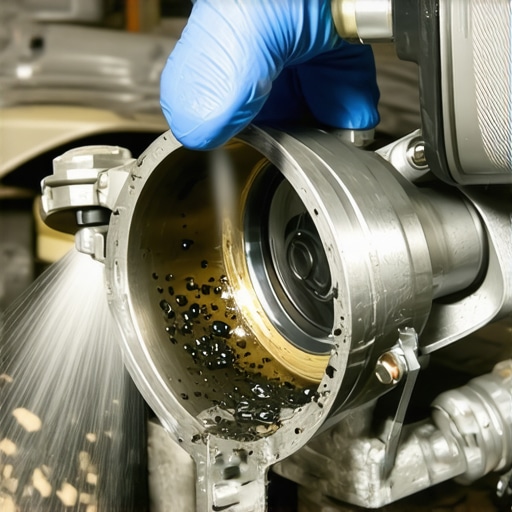
Don’t Ignore the Idle Air Control Valve
In many older vehicles, a specific component called the Idle Air Control (IAC) valve handles the extra load. If this motor is sticky or slow, it won’t react fast enough to the AC compressor’s demand. This is often why how a simple tune-up fixed my mystery hesitation in the past; sometimes the ‘tune-up’ is just clearing out the passages that let your engine breathe at idle. If cleaning the throttle body doesn’t do the trick, removing the IAC and giving it a specialized bath in electronics cleaner is your next tactical move.
Verify Your Electrical System is Up to the Task
Your AC isn’t just a mechanical drain; it’s an electrical hog. The moment you flip that switch, the condenser fan high-speed mode kicks in, drawing massive amperage. If your battery is on its last legs or your alternator is struggling, the ignition system might not get the voltage it needs to fire the spark plugs strongly under load, leading to a misfire-like shake. You should first how to tell if a battery is just discharged or truly dead before assuming you have a major mechanical failure.
Look for Weak Links in the Wiring
Sometimes the problem isn’t the part, but the path the electricity takes. A corroded ground wire can cause the engine computer to get ‘noisy’ signals when the AC fan starts spinning. Learning how to spot a bad ground wire causing electrical issues is a pro-level DIY skill that can solve ‘unfixable’ vibrations. While you are under the hood, cross-reference your progress with a car service checklist to ensure you aren’t missing other basic maintenance items like fouled plugs.
Inspect the Hardware Connecting Your Engine to the AC
Finally, consider the physical connection. The serpentine belt transfers the engine’s power to the compressor. If that belt is glazed or the tensioner is weak, it can slip or vibrate violently when the heavy load of the AC hits it. Identifying the hidden danger of a slipping serpentine belt is crucial because a snapped belt will leave you stranded on the side of the road with no power steering and an overheating engine. Check the belt for cracks or ‘chunking’—if it looks like a dry riverbed, replace it immediately as part of your tune-up for peak performance strategy.Most DIYers are told that if the engine shakes under load, it is a hardware failure. But here is the nuance: your car is a learning machine. I see people disconnect their battery to ‘clear codes,’ which actually wipes the Idle Air Control’s memory. When you restart and hit the AC, the computer has no ‘learned’ data on how to compensate for the load, causing a stall. This is why you should know how to tell if your computer is giving you a false error code before you start swapping parts.
Stop Blaming the Compressor for Every Vibration
While the compressor is the one adding the weight, it is rarely the root cause of the vibration itself. A common myth is that a vibrating AC means the unit is ‘about to blow.’ In reality, a light dusting of dirt on your MAF sensor can throw off the entire fuel-air calculation. The Society of Automotive Engineers (SAE) notes that modern Engine Control Units (ECUs) rely on precise ‘calculated load’ values to adjust timing; if the sensor is off by even 5%, the engine won’t have the torque to handle the AC clutch engagement. You will find the hidden benefit of cleaning your mass air flow sensor is often a smoother idle than a brand-new set of plugs could ever provide. 
Why does the shake only happen when the engine is fully warmed up?
This is a classic trap. When the engine is cold, the ECU runs in ‘Open Loop’ mode, dumping extra fuel and keeping the idle high. Once it warms up and enters ‘Closed Loop,’ it leans the mixture out for efficiency. If you have even a tiny misfire, it won’t show up until the engine is hot and trying to be fuel-efficient. Check how to tell if your spark plugs are fouled by oil, because a warm engine under AC load is the ultimate stress test for an aging ignition system.
The ‘Oops’ Moment You Must Avoid
The biggest mistake I see? People try to ‘tune’ the idle by adjusting the throttle cable tension or the set screw. Never do this. Modern cars use drive-by-wire systems. If you manually move that screw, you are fighting the computer, and you will end up with a surging idle that costs hundreds to recalibrate at a dealership. Instead, focus on expert tune-up strategies that respect the car’s electronics. Have you ever fallen into this trap of trying to ‘manually’ fix an electronic idle issue? Let me know in the comments. If you are still stuck, try troubleshooting common auto repair issues before visiting the shop to rule out the basics one last time.
The Diagnostic Tool That Saved My Sanity
If you want to stop guessing and start fixing, you need to see what the car sees. I stopped using basic code readers years ago and switched to a scanner that handles live data graphing. When I plug it in, I look at the ‘Short Term Fuel Trim’ while the AC is cycling. If that number spikes above 10%, I know the engine is compensating for a vacuum leak that only becomes critical under load. According to the Robert Bosch GmbH Automotive Handbook, the engine control unit must adjust ‘Load Compensation’ logic instantly when the compressor clutch receives power. By watching the graph, you can see if the computer is actually trying to help or if it’s blind to the load. I suggest following the ultimate car service guide to learn how to interpret these graphs before you start buying expensive parts. 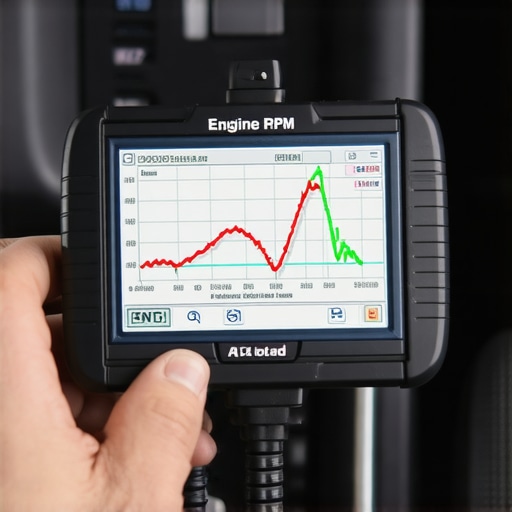
How do I keep my car running smooth over time?
Consistency is the only ‘secret’ that actually works. You can’t just fix a shake once and expect it to stay gone forever if you ignore the rest of the system. For instance, a failing brake booster can actually create a vacuum leak that affects your idle. While you are under there, it is worth understanding brake system repairs because a leak in the brake line or booster is often the ‘ghost in the machine’ for erratic idling. Make it a habit to use a car service checklist every six months. I personally check my ground wires and battery terminals every time I change the oil. It takes thirty seconds with a wire brush, but it prevents the high-amperage AC fan from causing voltage drops that lead to that annoying shudder.
AI is Coming for Your Toolbox
We are entering an era where your car might tell you it’s going to shake before it actually does. Looking at auto repair trends to watch in 2025, we are seeing telematics systems that monitor compressor health and engine load in real-time. Soon, your phone will ping you saying your throttle body is at 15% carbon capacity and needs a cleaning. Until then, you are the lead technician. To truly maximize your car’s lifespan, you have to stay ahead of the grime and the wear.
Don’t Wait for the Stall to Happen
My final piece of advice for the DIYer who is tired of being stuck in the heat: go clean your Mass Air Flow sensor today. It is the single most common reason why a car struggles to calculate the extra load of the AC. If you are still feeling a bit overwhelmed, try troubleshooting common auto repair issues before visiting the shop to build your confidence. Take that ten minutes this weekend to spray out your intake and verify your battery terminals are tight. Your engine—and your favorite shirt—will thank you next time the temperature hits triple digits.
Lessons Learned from a Decade of Chasing Mystery Shudders
The most expensive mistake you can make in auto repair is replacing a part because you think it is the problem. I spent years throwing alternators and compressors at cars only to realize a $10 bottle of cleaner was the answer. First, trust your data, not your gut; if the scanner says your fuel trims are fine, the sensor is likely okay. Second, remember that your car is a holistic system—an electrical issue can masquerade as a mechanical failure every single time. Finally, patience is your best tool. After a tune up or a battery swap, give the computer a few drive cycles to find its footing again before you assume the fix didn’t work.
My Battle-Tested Kit for Solving Engine Gremlins
You do not need a professional shop to get professional results, but you do need the right gear. I swear by a dedicated Mass Air Flow sensor cleaner because generic solvents can ruin those delicate internal wires. I also recommend a mid-range OBDII scanner that supports live data; it is the absolute difference between guessing and knowing exactly why your RPMs are dipping. For any car service, a simple brass wire brush is essential for cleaning battery terminals and ground points—the most overlooked fix in the book. If you are looking for a structured approach to your weekend maintenance, I always keep a car service checklist in my glovebox to ensure I have not missed the small stuff like vacuum lines or belt tension.
Take the First Step Toward a Smooth Idle
Do not let a vibrating steering wheel or the fear of stalling ruin your summer drive. Most of these issues are well within your power to fix with a little time and the right expert tune-up strategies. By staying proactive with your maintenance, you can maximize your car’s lifespan and avoid the stress of a sudden stall at a busy intersection. It is all about building confidence under the hood, one small win at a time. If you are still feeling unsure about where to start, try troubleshooting common auto repair issues before visiting the shop to rule out the basics. Whether it is a quick tune up or a deep clean of the intake, you have got this. Your car will run better, and you will stay cool all summer long.
What is your most frustrating diagnostic story?
Have you ever spent money on a major part only to find out a simple cleaning or a loose wire was the real fix? Let me know your auto repair stories in the comments below!