
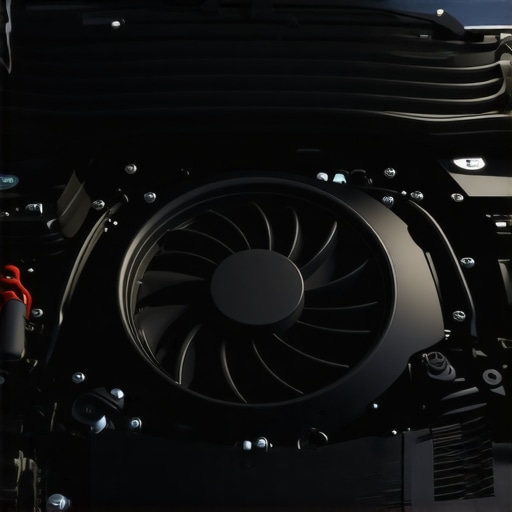
I remember standing in my driveway at 11 PM, staring at my hood while a deafening whirring sound echoed off the garage door. I’d just finished a long, grueling commute back from the city, and even though the keys were already in my pocket, my car sounded like it was ready for takeoff. I was genuinely terrified. I thought for sure I’d wake up to a dead battery or, even worse, a melted engine block. This is one of those troubleshooting common auto repair issues that sends most of us into a mild panic. It’s a visceral, annoying sound that feels like something is definitely broken, yet it’s actually one of the most misunderstood parts of modern vehicle ownership. Today, I am going to pull back the curtain on the reason your engine fan keeps running after you turn off the car so you can finally sleep soundly without worrying about needing a jump-start in the morning. [image]
The Night My Driveway Sounded Like a Runway
Look, I’ve been there, and I’ve made the mistakes so you don’t have to. Early on in my DIY journey, I made the massive blunder of yanking the battery cables off because I was convinced the fan would never stop and would leave me stranded. I ended up frying a perfectly good relay and spent the next three days trying to figure out if my thermostat was stuck open or if I’d just lost my mind. It was a classic case of ‘doing too much’ without the right information. According to technical data from automotive leader Bosch, your engine doesn’t just stop generating heat the second you turn the key. In fact, a phenomenon called ‘heat soak’ can cause internal temperatures to spike significantly once the water pump stops circulating coolant. That fan is your car’s last line of defense, blowing air across a stationary radiator to prevent gaskets from warping. We are going to dive into when you should ignore it and when you should actually head to a shop for car service. Have you ever felt that sinking feeling in your chest when your car won’t stop ‘talking’ to you after you park?
Will This Actually Kill Your Battery Overnight?
This is the big fear that keeps most of us up at night, right? You think you’re going to come out at 7 AM to a clicking starter and a frustrated boss. While a fan that runs for 5 to 10 minutes is usually a normal safety feature, a fan that runs for hours is a different beast entirely. It could be anything from a faulty coolant temperature sensor to a desperate need to spot a coolant leak that’s making the system work overtime. If you’ve noticed your temperature gauge acting funky lately, it’s worth investigating before you’re stranded. I once ignored those extra-long run times during a hot July, figuring it was just the weather. Two weeks later, I was stuck on the shoulder of the road because what I thought was a normal cooling cycle was actually a failing fan relay. I could have saved a lot of money and sweat if I’d just known how to tell if my car needed a simple tune-up instead of waiting for a total meltdown.To get a handle on this, you first need to be a bit of a detective with a stopwatch. Before you start ripping wires out or calling a tow truck, you have to establish a baseline for what is ‘normal’ versus what is a ’emergency.’
Set a Timer Before You Start Panicking
Grab your phone and actually time how long the fan stays active after the ignition is off. Most manufacturers design their cooling systems to run for 5 to 12 minutes if the engine block is over a certain temperature threshold. If the fan shuts off within this window, your car is actually doing exactly what it was engineered to do—fighting off heat soak. However, if you hit the 20-minute mark and that whirring hasn’t stopped, you are looking at a hidden drain on your battery that kills it over the weekend. I once spent a frantic hour in a grocery store parking lot thinking my car was going to melt into the asphalt. I’d just finished a steep climb up a mountain pass, and the fan ran for a solid 14 minutes. I was convinced I had a clogged radiator, but it was just the system doing its job at high altitude. My panic was for nothing because I didn’t know about the ‘Ten Minute Rule.’
The Simple Relay Tap That Might Save Your Battery
If the fan is definitely staying on too long, the most common culprit is a stuck relay. Think of a relay like a light switch that gets physically fused in the ‘on’ position. Over time, the internal contacts can arc and weld themselves together. Here is a pro-tip I learned the hard way: open your fuse box and find the relay labeled ‘Cooling Fan.’ Give it a firm (but not violent) tap with the plastic handle of a screwdriver. If the fan suddenly cuts out, you’ve found your ghost. This happens more often than you’d think, and it’s a five-dollar part you can swap in seconds. 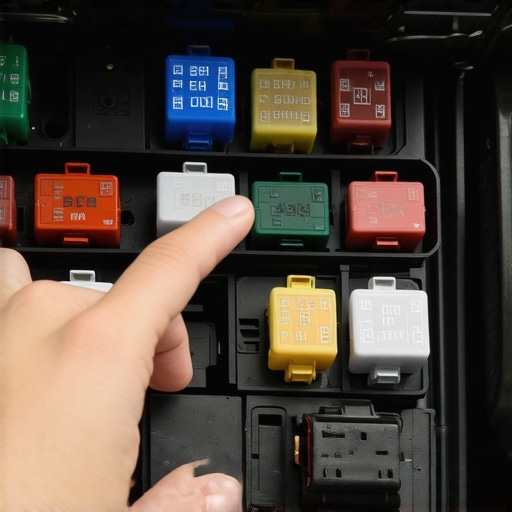
Identify Electrical Gremlins with Basic Tools
If the tap test fails, it is time to look at the wiring. You can use a simple multimeter at home to check for continuity. A fan that won’t stop is usually receiving a constant signal from a faulty sensor or a shorted wire. You are trying to determine if your electrical problem is a blown fuse or a bad ground wire. I remember one specific project where I replaced the entire fan assembly only to realize the ground wire had frayed and was touching the frame, completing the circuit and keeping the fan alive indefinitely. It was a messy, frustrating lesson in checking the small stuff first.
Watch Out for These Deceptive Coolant Signs
Sometimes the fan runs because it genuinely thinks the car is overheating, even when it isn’t. This points toward the engine coolant temperature (ECT) sensor. If this sensor is coated in grime or has internal corrosion, it might send a ‘high heat’ signal to the computer even when the engine is cool to the touch. This is why following a car service checklist that includes coolant health is vital. If your coolant is old and acidic, it eats away at the sensors that are supposed to protect your engine. If you see the fan running constantly while also noticing your temperature needle dancing around, that sensor is likely your prime suspect. Check the connector for green corrosion; sometimes a quick spray of electrical cleaner is all it takes to get things back to normal.It is easy to assume that if the check engine light isn’t on, everything is humming along perfectly. But that is a dangerous game to play with your wallet. In my years under the hood, I have realized that modern car electronics are often lagging indicators rather than proactive guardians. By the time a sensor triggers a dashboard alert, the mechanical wear has often been occurring for months. This is a massive reason why I never trust the oil life monitor on my dashboard. These algorithms calculate life based on theoretical engine cycles and temperatures, but they cannot see the actual viscosity of your oil or the metal shavings beginning to accumulate in a cheap filter. Relying solely on the car’s computer to tell you when to visit the shop is the fastest way to turn a minor maintenance task into a catastrophic failure.
Stop Trusting the Myth of Lifetime Fluids
One of the most controversial topics in modern automotive circles is the concept of ‘lifetime’ fluids, particularly in transmissions. Manufacturers claim you never need to change them, but if you talk to any high-mileage specialist, they will tell you that ‘lifetime’ usually just means ‘until the warranty expires.’ According to research by the Car Care Council, neglected fluids are the leading cause of premature component failure. If you want to maximize your cars lifespan with expert tune-up strategies, you have to ignore those marketing claims and stick to traditional service intervals. Heat breaks down the chemical properties of any lubricant, regardless of what the manual says. I have seen countless transmissions fail at 120,000 miles because the owner was told the fluid was permanent. Don’t fall for it. 
Why Does My Brake Pedal Feel Soft Even After a Professional Bleed?
This is a question that stumps even seasoned DIYers. You’ve replaced the pads, you’ve bled the lines, and yet the pedal still feels like you’re stepping on a sponge. Most people assume there is still air in the system, but the nuance often lies in the ‘bedding-in’ process. If you don’t follow the proper way to break in new brake pads and rotors, you fail to transfer a uniform layer of friction material to the disc. This results in uneven braking and a weird pedal feel that people often mistake for a mechanical leak. Furthermore, if you’ve noticed the real reason your new brake pads are smoking after a drive, it’s usually the resins curing—but it can also be a sign of a stuck caliper pin that was overlooked during a ‘quick’ pad slap.
The Dangerous Trap of the Part Cannon
The biggest mistake I see beginners make is what we call ‘firing the part cannon.’ This is when you have a symptom—like a vibrating engine or a weird noise—and you start replacing parts based on Google searches without a proper diagnosis. You might think you’re saving money, but you’re likely ignoring brake service myths or electrical nuances that require specific tools. For instance, did you know that many modern cars require a computer reset just to tell the alternator you installed a new battery? If you skip that step, the car will overcharge the new battery and kill it within a year. A real car service involves more than just swapping parts; it requires understanding the ecosystem of the vehicle. Have you ever fallen into the trap of replacing a part only to find the problem was still there? Let me know in the comments.I definitely have fallen into the trap of blindly swapping parts, and it cost me a fortune before I learned that information is more valuable than a toolbox full of wrenches. It happens to the best of us—you spend Saturday morning swapping out a mass airflow sensor because a video promised it would fix your idle, only to find the car still stumbles at every red light. This is the moment you realize the ‘cheap’ way is often the most expensive. To stop this cycle, I finally invested in a bi-directional scan tool. Unlike those basic $20 dongles that just read codes, a bi-directional tool allows you to command the car’s computer to perform specific tests, like cycling the ABS pump or testing an individual fuel injector. This is non-negotiable if you want to fix a vibrating engine while stopped at a red light without guessing. If your local shop doesn’t have this level of tech, you should really ask if they have the tools for a proper ADAS calibration before letting them touch your vehicle’s safety sensors. 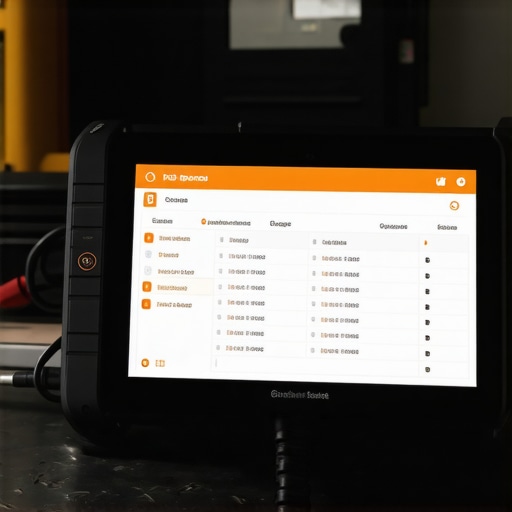
Stop Guessing and Buy a Bi-Directional Scanner
When I talk about ‘scaling’ your maintenance, I mean moving from reactive repairs to proactive management. According to technical documentation from SAE International, specifically the J1979-2 standard, modern vehicle communication protocols are now so complex that a standard OBD-II reader only accesses about 10% of the available data. If you are serious about troubleshooting common auto repair issues before visiting the shop, you need a tool that can look at live data streams. I once spent three days trying to find a vacuum leak that didn’t exist, only to realize via a live data scan that my fuel trim was off because of a lazy O2 sensor that hadn’t even tripped a code yet. This level of detail is what separates a frustrating weekend from a successful car service.
How do I maintain these complex systems over time?
The secret isn’t just better tools; it’s a better system. I keep a digital logbook of every single fluid change and sensor replacement, because relying on memory is a recipe for disaster. Most people ignore the real cost of skipping your 100,000-mile major service, assuming that if the car runs, it’s fine. But timing belts, water pumps, and valve adjustments are the silent killers of high-mileage engines. You need to maximize your cars lifespan with expert tune-up strategies by performing ‘health checks’ every six months, regardless of mileage. This means pulling a spark plug to check the color, testing the moisture content of your brake fluid, and using a car service checklist that goes deeper than just an oil change.
The End of the Guessing Game is Already Here
Looking ahead, the landscape of auto repair trends to watch in 2025 suggests a massive shift toward AI-driven predictive maintenance. We are moving into an era where your car will likely email you a diagnostic report before you even feel a vibration. This is why I advocate for every owner to learn the basics of their electrical systems now. My challenge for you: before you buy your next replacement sensor, find a friend with a bi-directional tool or rent one and run an ‘Active Test’ on the component you think is failing. You’ll save more in one afternoon than you’ve spent on tools all year.
Hard Lessons From a Lifetime Under the Hood
Over the years, I’ve realized that a car that ‘talks’ to you after it’s parked is usually just trying to save its own life. The biggest takeaway for me was realizing that essential maintenance tips aren’t just suggestions; they are the thin line between a 200,000-mile engine and a scrap heap. I also learned that if you feel the urge to second-guess a professional, you probably need a better diagnostic tool yourself to see what the computer sees. Finally, never underestimate the power of a clean ground wire; it solves more ‘unsolvable’ electrical ghosts than almost any expensive sensor I have ever replaced. Treat every weird noise not as a threat, but as an invitation to learn your machine better.
[image]
The Diagnostic Tools That Actually Live in My Trunk
I don’t leave my driveway for a long trip without a few specific items that have saved my wallet more than once. First, a high-quality bi-directional scanner is worth its weight in gold for understanding brake system repairs and decoding complex sensor data that standard readers miss. Second, I always keep a dedicated electrical contact cleaner in my kit—it’s incredible how often a ‘failed’ part is actually just a dirty or corroded plug. Lastly, I rely heavily on a printed car service checklist inside my glovebox to ensure I never miss the small things, like testing the acidity of my coolant or checking the age of my brake fluid.
Take the Reins of Your Vehicle’s Future
You have the power to maximize your cars lifespan with expert tune-up strategies by simply paying attention to the unique rhythms of your vehicle. Don’t let a whirring fan or a slightly soft pedal intimidate you into staying off the road. When you begin to treat your vehicle like a precision machine rather than a mysterious black box, the fear of the unknown completely evaporates. Your next scheduled car service should feel like a routine victory lap for your maintenance habits, not a stressful emergency. Have you ever spent hours chasing a scary mechanical sound only to realize it was something as simple as a loose fuse or a pebble? Tell me your funniest ‘oops’ moment in the comments below!