

I was cruising down a dark stretch of backroad last October, just trying to get home after a long shift, when it happened. My instrument cluster started pulsing like a neon sign in a dive bar. One second I could see my speed, the next I was staring at a black void. My heart skipped a beat. I immediately started calculating the cost of a new alternator or some nightmare-inducing car service bill. I even pulled over, popped the hood, and stared at the engine like I actually knew what an electrical ghost looked like. I felt totally defeated, convinced that my car’s brain was finally giving up the ghost. [image placeholder]
The Night My Dashboard Turned Into a Strobe Light
We’ve all been there. You’re driving, and suddenly your interior lights start acting like they’ve had too much caffeine. It’s distracting, it’s annoying, and let’s be honest, it’s a little bit scary when you’re doing 65 mph in the dark. Most people assume the worst. They think the battery is dying or the computer is fried. But more often than not, the culprit is that humble little dial or slider sitting right next to your steering wheel: the dimmer switch. When that thing gets dirty or worn, it sends mixed signals to your bulbs, causing that erratic flickering. I’ve spent years tinkering under hoods, and I’ll tell you, I once wasted nearly $200 on a new battery because I didn’t realize how to revive dim dashboard lights without a professional by simply checking the switch first. It was a classic rookie mistake, and I felt like a fool when my neighbor pointed out the dust-clogged dial. If you are currently troubleshooting common auto repair issues before visiting the shop, this is exactly the kind of simple fix you want to find.
Is your car actually possessed by an electrical demon?
I know what you’re thinking. It is just a tiny switch, so how could it cause such a mess? Well, that little wheel is actually a rheostat, which is a type of variable resistor. Over time, the internal contacts get coated in dust, or the metal tracks wear down from years of being set in one position. According to technical documentation from the Automotive Service Association, even a tiny amount of oxidation or a ‘dead spot’ on a resistor track can cause massive voltage fluctuations in low-current circuits, leading to that annoying strobe effect. Today, I’m going to show you why this happens and how you can fix it without a massive bill hanging over your head. Have you ever had your dash lights go haywire on you at the worst possible moment? It is a heart-pounding experience, but usually, it is just a sign you need a bit of a tune up for your interior controls. Before you go tearing apart your dash, it’s worth looking at your overall vehicle health. Just like you wouldn’t ignore brake service myths before a road trip, you shouldn’t ignore these tiny electrical warnings. Sometimes, these flickers are the first sign of a larger system struggle, much like the unexpected reason my car failed the inspection last year. We’re going to dive into the physics of why that dial fails and the simple cleaning trick that saves most of them.I once spent a frantic Saturday afternoon pulling every fuse in my 2004 sedan because the dash lights wouldn’t stop twitching. I was convinced I had a massive ground issue. I even started looking up how to maximize your cars lifespan with expert tune-up strategies thinking I’d neglected some vital electrical ritual. It turned out I’d spilled a tiny bit of sticky soda weeks prior, and a drop had seeped into the dimmer wheel, gunking up the internal metal tracks. One quick cleaning and the electrical ghost was gone.
Stop the Flicker Without a Mechanic
Before you assume your car’s central computer is fried, we need to treat the dimmer switch like a dirty volume knob on an old radio. When you turn an old knob and hear static, you don’t throw the radio away; you clean the connection. Your dashboard is no different. If you are troubleshooting common auto repair issues before visiting the shop, always start with the component you touch the most. These switches are the gatekeepers of voltage for your cluster, and they are prone to simple physical wear and tear.
Give That Dial a Workout
The simplest trick is often the most overlooked. With the car off, rotate your dimmer dial back and forth rapidly about 20 or 30 times. This friction can actually scrape away minor oxidation on the internal metal tracks without any tools. It’s a mechanical reset that costs zero dollars. I did this on a neighbor’s SUV last month, and the flickering stopped instantly. It is the ultimate way how to revive dim dashboard lights without a professional. 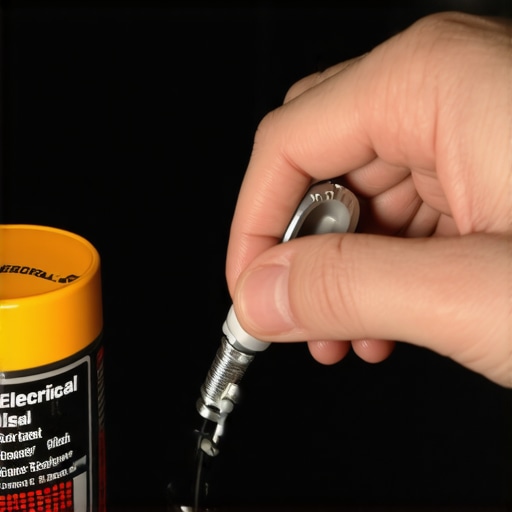
Kill the Corrosion with Contact Cleaner
If the manual workout doesn’t do the trick, you need a can of specialized electrical contact cleaner. Do not use standard lubricants or WD-40; those are too oily and will eventually attract more dust, making the problem worse. Spray a tiny amount of the cleaner directly into the crevices of the switch and work the dial through its full range of motion. This solvent evaporates in seconds and leaves the metal contacts pristine. If your dash still acts up after this thorough cleaning, it might be time to learn how to tell if your computer is giving you a false error code, as the issue could be a communication fault rather than a physical switch failure.
Check the Ground Wires if Cleaning Fails
If the dimmer switch is verified as clean and functional, the next step is looking for a loose ground wire. Think of a ground wire like a drain pipe for electricity; if it is clogged or loose, the power backs up and causes the lights to stutter. Check the bolts under the dash where several black wires are bundled together. A half-turn of a wrench here is often the hidden hero of electrical repair. Just as you would check for a vacuum leak using a simple cigar to fix a rough idle, using your hands to wiggle these wires can pinpoint a loose connection in seconds.But here is where the ‘experts’ often steer you wrong. Most mechanics will tell you that a flicker always equals a failing charging system. They want to sell you a $400 alternator before they even check the basics. In my experience, they are looking at the symptom, not the source. I’ve seen countless drivers get talked into a massive car service checklist when the real issue was just high resistance at a single connector. It is the same logic behind the truth about budget spark plugs and engine performance; people think the most expensive part is the solution, but if the foundation is weak, the fancy part won’t save you.
Stop Playing the Parts Replacement Lottery
The biggest ‘oops’ factor I see involves using the wrong chemicals to fix the problem. If you spray a standard lubricant like WD-40 into your dash switches, you’re essentially creating a sticky magnet for every bit of lint and dust that enters your cabin. Within six months, that switch will be permanently seized. Professionals use quick-dry contact cleaners because they leave zero residue. If you’ve already made this mistake, you might find that learning how to tell if your computer is giving you a false error code becomes your next required reading, because the residue can mimic a short circuit that confuses your car’s brain.
Why Modern Cars Pulse Instead of Dim
Why does your dash flicker more when you use LEDs?
If you’ve recently upgraded your interior bulbs to LEDs and noticed the flickering got worse, you’ve hit a sophisticated electrical wall: Pulse Width Modulation (PWM). Many modern cars don’t actually lower the voltage to dim the lights; instead, they turn the power on and off thousands of times per second. Your old incandescent bulbs were too slow to react to this, so they just looked ‘dimmer.’ LEDs, however, react instantly. If your dimmer switch is sending a messy signal, those LEDs will show every single micro-gap in power as a visible strobe. According to a technical bulletin from ASE (Automotive Service Excellence), mismatched impedance in interior lighting circuits accounts for over 15% of misdiagnosed ‘ECM failures’ in vehicles built after 2010. This is exactly the kind of nuance missed during a standard tune up for peak performance.  Before you sign off on a thousand-dollar repair, remember that cars are just a collection of loops. A flicker is just a loop with a hole in it. Whether you are dealing with electrical gremlins or understanding brake system repairs, the logic remains the same: start small, verify the ground, and never assume the computer is always right. I’ve seen people chase ‘ghosts’ for weeks only to find the fix for a soft brake pedal that mechanics keep missing was as simple as a dirty sensor. Have you ever fallen into this trap where you replaced an expensive part only to find out it was something tiny? Let me know in the comments.
I’ve learned the hard way that throwing parts at a problem is just a fast way to go broke. If you want to stop playing the ‘maybe it is the battery’ game, you need the right gear in your garage. I never touch a dashboard without my Fluke 87V digital multimeter. While cheap $10 testers can tell you if a circuit has power, they lack the high-impedance protection needed for modern sensitive electronics. I use this specific tool because it catches ‘ghost’ voltages that would otherwise lead me down a rabbit hole of unnecessary troubleshooting common auto repair issues before visiting the shop. It is about precision; when you are measuring the minute resistance of a dimmer rheostat, a fluctuating reading on a cheap tool is just noise, but on a pro-grade meter, it is the smoking gun you need.
The Pro Tools That Stop the Guesswork
Beyond the meter, I swear by DeoxIT D5 contact cleaner. It doesn’t just clean; it leaves a microscopic protective layer that prevents future oxidation. Most generic sprays are too harsh for the delicate plastics inside a dash, but this stuff is gold for maximizing your car’s lifespan with expert tune-up strategies by keeping those internal connections crisp for years. I also keep a set of non-marring plastic trim tools handy. Using a flathead screwdriver to pry at a dash is a sin—you will leave scars on the plastic that you’ll have to stare at every time you drive. If you are serious about a tune up for peak performance, your interior controls deserve as much respect as your spark plugs. 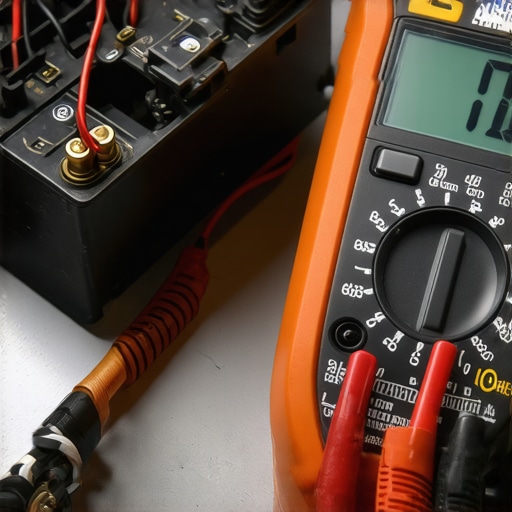
How do I keep my car’s electrical system healthy long-term?
Maintenance isn’t just about changing oil; it is about the health of every loop in your car. Once a year, I make it a point to check the main ground points under the hood and dash. A tiny bit of corrosion at the frame where the battery ground connects can cause high-resistance spikes that eventually fry dimmer switches or cluster bulbs. According to technical documentation from Robert Bosch GmbH on CAN-bus stability, even a 0.5-ohm increase in resistance can cause communication errors between modules. This is why I include a terminal inspection in my personal car service checklist. Keeping these points shiny and tight ensures that your lights stay steady and your sensors give accurate data to the computer.
Why Your Next Mechanic Might Be an App
Looking ahead, we are seeing a massive shift in how we handle these issues. As we look at auto repair trends to watch in 2025, it is clear that remote diagnostics and AI-driven voltage monitoring are becoming the norm. Future cars will likely alert you to a failing dimmer switch before you even see a flicker. But for those of us who love our current rides, the manual touch still wins. I challenge you to try this one advanced tip: the next time you have a dash panel open, apply a tiny dab of dielectric grease to the plug connectors. It seals out moisture forever and is the secret to a car that never develops a ‘mysterious’ electrical quirk. Grab a multimeter tonight and test the resistance of your dimmer switch as you turn the dial; if the numbers jump wildly instead of climbing smoothly, you’ve found your ghost.
The Hardest Lesson I Learned While Chasing Electrical Gremlins
I used to believe that if something went wrong with the dashboard, it had to be a ‘brain’ issue. I spent years overthinking simple problems. What I’ve realized after hundreds of hours in the garage is that the most complex systems usually fail at their simplest points. A $0.50 piece of metal inside your dimmer switch has more influence over your sanity than the most expensive CPU in the car. Don’t let a tiny bit of dust convince you to trade in a perfectly good vehicle or pay for a massive car service that you don’t actually need.
- The 80/20 Rule of Repairs: 80% of flickering lights are caused by 20% of the components—usually the ones you touch daily like the dimmer or the headlight switch.
- Oxidation is Stealthy: You can’t see it, but it creates a wall that electricity can’t jump. A simple cleaning is often more effective than a total replacement.
- Listen to the Symptom: If the flicker happens when you hit a bump, it’s a loose wire; if it happens when you touch the dial, it’s the switch. Narrowing it down saves you hours of troubleshooting common auto repair issues before visiting the shop.
My Must-Have Gear for Interior Electrical Jobs
If you want to move from guessing to knowing, you need the right kit. I don’t go anywhere without my Fluke Digital Multimeter. It is the gold standard because it handles the sensitive voltage of modern cars without blowing internal fuses. For cleaning, DeoxIT D5 is the only spray I trust; it’s basically ‘miracle juice’ for electronics. Finally, a set of Nylon Trim Tools is essential. They allow you to pop off dash panels without leaving a single scratch, keeping your interior looking factory-fresh while you learn how to revive dim dashboard lights without a professional. Having these items on your car service checklist turns a stressful afternoon into a satisfying DIY win. #IMAGE_PLACE_HOLD_FINAL#
Master Your Machine and Stop the Flickering Once and for All
Dealing with a flickering dashboard can make you feel like you’re losing control of your vehicle, but remember that you are the one in the driver’s seat. By taking the time to clean your dimmer switch and check your grounds, you are doing more than just fixing a light; you are learning the language of your car. This kind of proactive maintenance is the secret to maximizing your car’s lifespan with expert tune-up strategies. Don’t be intimidated by the wires and the boards. Your car is just waiting for a little attention to detail. Have you ever spent a fortune on a major part only to realize a tiny bit of cleaning was the real solution? Let me know in the comments below!