
I stood there, jaw practically hitting the greasy concrete floor of the inspection bay. My car is my pride and joy. I change the oil like clockwork, I follow my own ultimate car service guide religiously, and I even wash the undercarriage after every snowfall. So, when the inspector shook his head and handed me a ‘Failed’ report, I honestly thought he was joking. It wasn’t the brakes. It wasn’t a major engine leak. It was a tiny, blinking light I’d been ignoring for two weeks because I thought it was just the cold weather playing tricks on my tires.
My Expensive Lesson at the Inspection Station
We’ve all been there. You think you’re prepared, you’ve checked the basics, and you might have even used my favorite tips on troubleshooting common auto repair issues before heading out. But then, the computer throws a code you didn’t see coming. In my case, it was a ‘readiness monitor’ failure. I had recently disconnected the battery to clean some terminals, and the car’s computer hadn’t ‘re-learned’ the emissions data yet. It’s a classic mistake that even seasoned DIYers make. Today, I’m going to pull back the curtain on these weird technicalities that catch people off guard so you don’t waste a Saturday morning and a hefty re-test fee like I did.
Is a tiny dashboard light really worth the failing grade?
You might be thinking, ‘It’s just a tire pressure light, why does the state care?’ Trust me, I asked the same thing. But in many jurisdictions, if that light is blinking, it indicates a system fault rather than just low air. If you’ve ever wondered why your low tire light blinks instead of staying solid, you’re likely looking at a sensor that has given up the ghost. Most inspectors see any active warning light as a liability. It’s frustrating, but it’s their job to ensure every safety system is functioning as designed.
The Stealthy Culprits Behind Most Failed Tests
Most people assume a ‘fail’ means a blown engine or shot rotors. In reality, it’s often something as mundane as a gas cap that doesn’t click or a slightly dirty sensor. I learned the hard way that cleaning your mass air flow sensor can be the difference between a pass and a fail during an emissions test. According to the Car Care Council, nearly one in ten vehicles on the road has a loose, damaged, or missing gas cap, which contributes to millions of gallons of fuel evaporating into the atmosphere every year. Have you ever been blindsided by a failed inspection for something that seemed totally insignificant? I’d love to hear about it so we can keep each other on the road. Before we dive into the heavy lifting of understanding brake system repairs or complex engine diagnostics, let’s look at the quick wins you can check in your own driveway right now.
Why Your Car Needs a Long Drive Before the Test
After I cleared those codes by disconnecting the battery, I essentially gave my car amnesia. The onboard computer needs time to run through various self-checks known as readiness monitors. If you show up at the inspection station too soon, the computer tells the inspector’s machine, ‘I don’t know yet,’ and you get an automatic fail. This is why I always recommend a proper drive cycle. It isn’t just about mileage; it is about conditions. You need a mix of steady highway cruising and stop-and-go city driving. I once spent two hours driving in circles on a Saturday night just to get an Oxygen Sensor monitor to flip to ‘Ready’ because I waited until the last minute. To avoid this, make sure you tune up your car for peak performance at least a week before your appointment. Regular maintenance ensures those sensors are reading correctly from the jump.
The Ten Minute Fix for a Rough Idle
One sneaky reason for a failed emissions test is a fluctuating idle that the computer interprets as a combustion issue. I remember a friend who was about to spend $400 on a new sensor until we spent $5 on a can of cleaner instead. If your car feels a bit jumpy at red lights, you should learn how to clean your throttle body to restore throttle response. A build-up of carbon can choke the air supply, leading to a ‘rich’ fuel mixture that sends your emissions numbers into the red. It is a simple task that fits perfectly into a car service checklist to keep everything running smoothly. 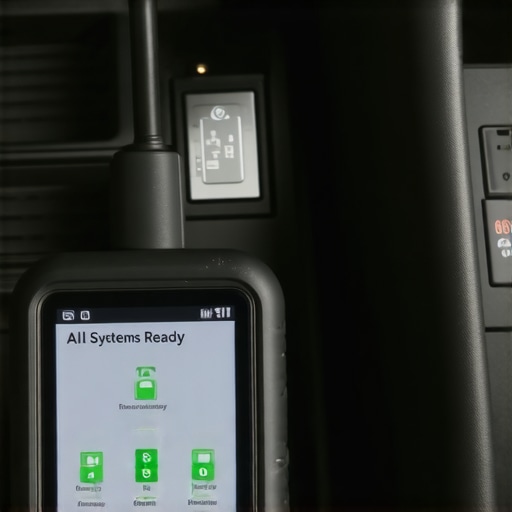
Stop Your Brakes from Giving You Away
Inspectors are trained to look for red flags the moment you pull into the bay. If they hear a squeal or feel the car pull, they are going to look ten times harder at your rotors. I’ve seen people fail because of a ‘soft’ pedal that they just got used to over time. If you notice your foot sinking too far, you need to investigate how to tell if your master cylinder is failing internally. It is a common safety fail that people overlook. Often, the issue is actually a soft brake pedal that mechanics keep missing, usually caused by air trapped in the lines or a tiny leak in a rubber hose.
Small Details That Mean Big Problems
Don’t forget the ‘dumb’ stuff. I’m talking about light bulbs and wipers. In my early DIY days, I failed an inspection because my high-mount third brake light was out. I had checked the main two, but completely forgot the one in the rear window. It felt ridiculous, but a ‘fail’ is a ‘fail.’ While you are at it, check your dash for any glow. If you have been wondering how to tell if your oil pressure sensor is lying to you, address it now. A flickering oil light or a Check Engine light is an instant rejection in almost every state. These sensors are the ‘nerves’ of your vehicle, and if they are sending bad data, the inspector has no choice but to send you home. Keeping up with how regular tune-ups improve fuel efficiency and safety is the best way to ensure your car’s ‘brain’ is happy and ready for the plug-in test.Let’s get one thing straight: the old-school ‘flush everything’ mentality can actually kill an older car. I’ve seen enthusiasts spend hundreds of dollars on high-pressure transmission flushes thinking they are being proactive, only to have the transmission start slipping a week later. The nuance that most people miss is that on a high-mileage vehicle, those tiny particles of friction material suspended in the old fluid are sometimes the only thing keeping the gears grabbing. When you blast them away with a chemical flush, you’re basically stripping the life out of the unit. Instead, I always advocate for the real difference between a transmission flush and a drain and fill to keep things safe.
Stop Wasting Money on Unnecessary Flushes
Modern cars are far more robust than the clunkers we drove in the 90s. AAA reports that nearly two-thirds of American drivers don’t trust auto repair shops, often because they feel pressured into unnecessary services like engine flushes that their owner’s manual doesn’t even recommend. If your shop is pushing a coolant flush every 20,000 miles, they aren’t following the manufacturer’s specs; they’re following their sales targets. To truly maximize your cars lifespan with expert tune-up strategies, you need to rely on the data in your glovebox, not the colorful posters in the lobby. I’ve found that sticking to the truth about 10,000 mile oil change intervals is perfectly fine for modern synthetic blends, despite what the ‘3,000-mile’ traditionalists argue.
Why do your brand-new brakes still squeal?
It is the most common complaint after a brake job: ‘I just paid $500, so why do they sound like a dying bird?’ Most DIYers (and even some rushed pros) forget the ‘bedding’ process. If you don’t perform the proper way to break in new brake pads and rotors, you fail to transfer an even layer of friction material to the disc. This causes ‘glazing,’ which leads to that high-pitched vibration. Furthermore, people often overlook the flexible lines; knowing how to spot a collapsed brake hose in seconds can save you from replacing calipers that aren’t actually broken. #IMAGE_PLACE_HOLDER_C#
Avoid the Torque Trap Before It Breaks You
The biggest ‘oops’ factor I see in my own garage is the ‘tighter is better’ philosophy. I once snapped a spark plug clean off in the cylinder head because I thought I needed that extra quarter-turn. It turned into a six-hour extraction nightmare. Now, I always tell people to learn the trick to replacing a spark plug without stripping threads, which starts with using your fingers before you ever touch a wrench. The same goes for brake service myths regarding over-lubricating slide pins. Too much grease can actually create a vacuum that prevents the brakes from releasing, causing premature wear. Have you ever fallen into the trap of over-maintaining your car only to have it backfire? Let me know in the comments. Digging into these nuances is what separates a parts-changer from a true mechanic.
Stop Throwing Parts at Your Dashboard
If you want to move past being a ‘parts-changer’ and start actually fixing things, you need to invest in a decent bidirectional scan tool. A $20 code reader from the bin only tells you half the story. I personally use a tool that lets me look at ‘Mode 6’ data—this is the raw, non-interpreted data from the car’s computer. The Society of Automotive Engineers (SAE) J1979 standard defines these diagnostic test modes, and knowing how to read them is like having X-ray vision for your engine. Instead of guessing, you can see if a misfire is happening on cylinder three before it even trips a light. This is how you really follow the ultimate car service guide without wasting money on sensors you don’t need. 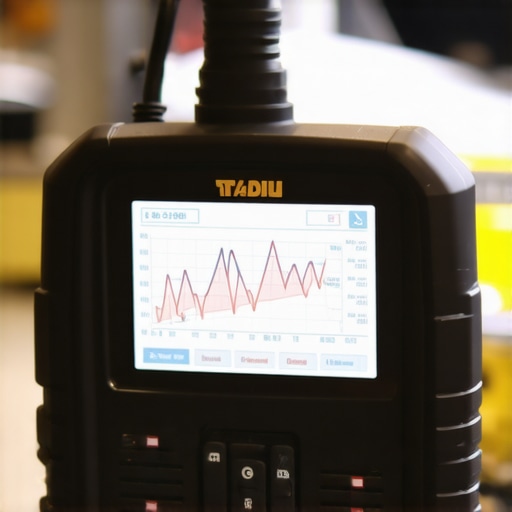
Why the Multimeter is Your Best Friend
Before you assume your charging system is toast and look up how to replace your own alternator and save hundreds, pick up a multimeter. I’ve seen too many people replace an alternator when the actual problem was a $2 ground wire that had corroded. Testing for voltage drop across a terminal takes thirty seconds and saves you a $200 core charge. It’s the same logic I use when I’m trying to diagnose a bad fuel pump with a rubber mallet; sometimes the mechanical fix is simple, but the electrical confirmation is what gives you peace of mind.
How do I keep my car healthy for another decade?
To really get the long-term results we all want, you have to look at the ‘life-blood’ systems. I am talking about systems that do not always trigger a light on the dash until it is too late. I predict that as we move toward the auto repair trends to watch in 2025, cars will become even more software-dependent, making these electronic diagnostic skills essential for any DIYer. But the mechanical basics never change. Finding the secret to getting 200,000 miles out of your original engine isn’t about some magic additive; it’s about being proactive with things like how to read the date code on your tires to ensure your rubber isn’t rotting from the inside out. This weekend, I want you to try one specific advanced tip: open your scan tool’s ‘Live Data’ menu and look at your ‘Long Term Fuel Trims.’ If that number is sitting above positive 10%, you likely have a vacuum leak that hasn’t triggered a code yet. Catch it now, and you’ll save your catalytic converter from a world of hurt. If you run into a weird reading you can’t decipher, feel free to contact us and I’ll try to help you narrow it down.
The Expensive Truths I Had to Learn the Hard Way
Reflecting on years of greasy knuckles and failed inspection reports, I’ve realized that car service isn’t just about following a manual; it’s about intuition. First, I learned that a ‘check engine’ light is often just a symptom of a dirty sensor. Before you buy a new part, try cleaning your mass air flow sensor to see if the computer resets itself. Second, never underestimate the power of a simple visual inspection. I once spent days chasing an exhaust code only to find a loose bracket, and you can often fix a rattling heat shield for zero dollars if you just look underneath. Finally, your car communicates through more than just lights; a slight vibration or a new smell is the vehicle’s way of asking for a tune up before a total breakdown happens.
Gear That Belongs in Every DIY Garage
If you’re tired of the ‘guess and check’ method, you need a solid foundation of resources. I never step into the garage without my bidirectional scan tool; it’s the only way to truly troubleshoot common auto repair issues before they become bank-account-draining disasters. I also highly recommend keeping a model-specific repair manual on hand—it provides the exact torque specs that prevent snapped bolts. For anyone worried about the digital shift in vehicles, keeping an eye on auto repair trends to watch in 2025 will help you stay ahead of the software-heavy systems coming our way. Lastly, a reliable digital multimeter is non-negotiable for diagnosing electrical gremlins that scanners might miss.
Stop Guessing and Start Fixing Today
Maintenance shouldn’t feel like a chore or a mystery. When you take the time to understand the ‘why’ behind each brake service or fluid change, you stop being at the mercy of the dealership’s service desk. By following the ultimate car service guide, you aren’t just keeping a machine running; you’re ensuring your safety and protecting your investment for the long haul. Don’t let the technical jargon or brake service myths intimidate you—every expert started with a single wrench and a lot of questions. Have you ever failed a state inspection for something completely ridiculous? Let me know in the comments below!