
I will never forget the morning I pulled the dipstick on my favorite old commuter and found… nothing. Just dry, hot metal. I spent twenty minutes on my hands and knees with a flashlight, scanning the pavement like a crime scene investigator, but there was not a single drop of oil on the ground. It is a maddening feeling, right? You know the oil was there last week, the ground is clean, but the reservoir is empty. Before you start thinking your car has developed a supernatural thirst for expensive synthetic, let us talk about what is actually happening under that hood. Most of us jump to conclusions and start troubleshooting common auto repair issues before visiting the shop by tightening every bolt we see, but when the puddle is missing, the problem is internal. Today, I am going to walk you through exactly why your car is ‘ghosting’ its oil and how we can pin down the culprit before it ruins your engine for good.
Where Does the Oil Go if It is Not on the Floor?
Early in my DIY days, I made the mistake of replacing a perfectly good oil pan gasket just because I could not believe the oil could disappear any other way. I wasted a whole Saturday and fifty bucks on a fix that did absolutely nothing. The truth is, if it is not leaking out, it is being consumed during the combustion process. This usually happens so slowly you do not even notice why your tailpipes are puffing blue smoke while you are cruising down the highway. According to research from Consumer Reports, several modern engine families are actually known for high oil consumption due to thinner piston rings designed for fuel efficiency. It is a trade-off that catches a lot of diligent owners off guard.
Is my engine basically heading for the scrap heap?
I get this question all the time from neighbors who see their oil light flicker. The short answer is: not necessarily. But ignoring it is a recipe for disaster. If you have been strictly following the truth about 10,000-mile oil change intervals, you might actually be making the problem worse by letting old, thinned-out oil bypass your seals. We need to look at components like the PCV valve and valve stem seals. Have you ever pulled a plug and wondered how to tell if your spark plugs are fouled by oil? Tell me, have you checked your dipstick lately and found it surprisingly low despite a spotless driveway? If so, you are in the right place to find the fix.
Check the PCV Valve Before You Panic
Think of your PCV (Positive Crankcase Ventilation) valve as your engine’s breathing straw. When this little plastic valve gets stuck, the pressure inside your crankcase has nowhere to go. It is like trying to run a marathon while holding your breath; eventually, something has to give. That pressure forces oil vapor back into the intake manifold, where it gets burned up in the cylinders. I once spent three hours checking lines on a high-mileage Corolla because I was sure the rings were gone. It turned out the PCV valve was gummed up with carbon and stuck wide open. I replaced it for less than the cost of a lunch special, and the oil consumption vanished. If you want to keep your vehicle running long-term, following a car service checklist how to keep your vehicle in top shape must include checking this tiny component every year.
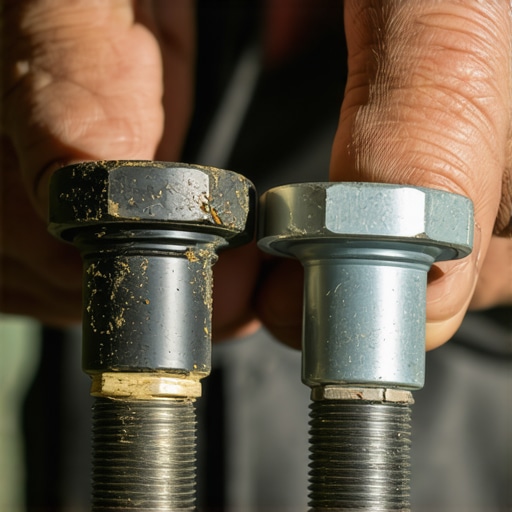
Pull Your Plugs to See What Your Engine is Hiding
Your spark plugs are like the black box of a flight recorder; they tell the story of everything happening inside that combustion chamber. If you pull a plug and find the tip covered in a thick, oily wetness, you have found where your reservoir is going. This usually points to worn valve stem seals or tired piston rings. When these seals fail, they act like a leaky faucet dripping oil into the cylinder every time you turn the key. This is a crucial part of any tune up your car for peak performance essential maintenance tips routine. If the plugs look okay but the oil is still vanishing, you might be dealing with oil that is simply too thin for your engine’s current state of wear. This is where people often debate the truth about high mileage oil additives and whether they can actually swell those old seals back to life. In many cases, switching to a slightly thicker high-mileage synthetic can create a better seal and buy you another 50,000 miles of driving. It is a simple strategy that contributes to the secret to getting 200,000 miles out of your original engine without a full rebuild.
Let us dig deeper into the mystery of the vanishing oil because there is a nuance here that even some seasoned grease monkeys miss. Most people assume that if an engine is consuming oil, the piston rings are toast. That is a common myth that leads to thousands of dollars in unnecessary rebuilds. In my experience, it is rarely a catastrophic mechanical failure right out of the gate. Often, it is a failure of the systems we overlook during a standard service. For instance, we focus so much on the mechanical bits that we forget the electronics and sensors that manage engine load. If you are not seeing the performance you expect, the hidden benefit of cleaning your mass air flow sensor cannot be overstated; a dirty sensor can mess with your fuel-to-air ratio, leading to carbon buildup that eventually sticks those expensive piston rings in place.
Don’t Fall for the Thicker Oil Trap
Here is the ‘oops’ factor I see all the time: a DIYer notices the dipstick is a quart low, panics, and decides to dump in the thickest 20W-50 oil they can find to ‘seal the gaps.’ This is a massive mistake. Modern engines are built with incredibly tight tolerances. Using oil that is too viscous can actually prevent the lubricant from reaching the narrow passages in your cylinder head, effectively starving your overhead cams of oil. While you are trying to stop a minor consumption issue, you might be causing a total engine seizure. Instead of playing chemist with your oil weight, you should look into the truth about using high mileage oil additives that are designed to gently condition seals without changing the oil’s flow characteristics. It is about being surgical with your repairs, not using a sledgehammer.
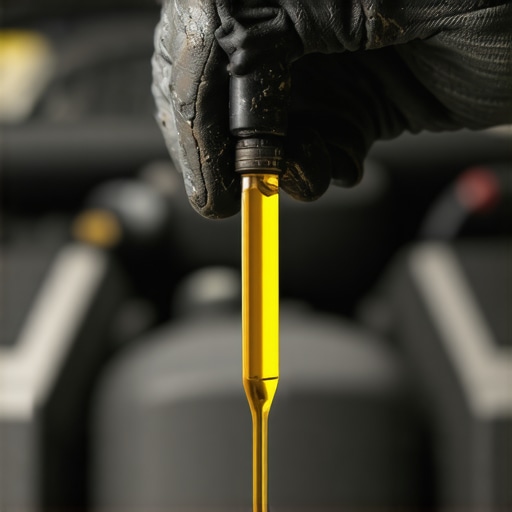
Does your high-speed commute actually cause oil loss?
This is a question I get from people who do a lot of interstate driving. The answer, surprisingly, is yes. According to a study by the Society of Automotive Engineers (SAE), modern low-tension piston rings are designed for maximum fuel efficiency, but they can allow for increased ‘oil blow-by’ when the engine is held at high RPMs for extended periods. The oil essentially turns into a fine mist that the PCV system sucks right into the intake. If you find your levels dropping only after long road trips, your engine might actually be healthy, just ‘venting’ under pressure. This is why learning to maximize your cars lifespan with expert tune-up strategies involves more than just changing fluids; it means monitoring how your specific driving habits affect your car’s vitals. You might also find why your brake fluid levels keep dropping without a visible leak follows a similar logic of internal wear and expansion. Always trust the data from your dipstick, but verify the ‘why’ before you start wrenching. Have you ever fallen into this trap of over-correcting a small issue and creating a bigger one? Let me know in the comments. If you are still seeing weird symptoms, you might want to check how to tell if your oil pressure sensor is lying to you before you assume the worst about your oil pump.
Stop Throwing Parts at the Problem
I’ve spent more than a few nights staring at a standard OBD2 scanner, frustrated because it wasn’t giving me the ‘magic answer.’ The reality is that basic code readers only tell you when something is already broken. If you want to catch oil consumption issues before they turn into a seized engine, you need a tool that handles live data fuel trims. I personally use an Autel unit because it allows me to see exactly how the computer is compensating for air-to-fuel imbalances in real time. This level of detail is a massive part of maximize your cars lifespan with expert tune-up strategies because it catches lean conditions that cause the engine to run too hot, which eventually hardens your valve seals and leads to that vanishing oil mystery. According to the official service bulletins from Toyota regarding their 2AZ-FE engines, specialized piston ring designs are often the hidden culprit behind consumption, and only by monitoring engine load data can you truly see the strain being put on those internal components.
Peek Inside Your Cylinders for Under Fifty Bucks
If you really want to graduate from a ‘parts-swapper’ to a diagnostic pro, you need to see what is happening inside the combustion chamber without taking the engine apart. I always recommend a digital borescope. It is a tiny camera on a flexible cable that plugs into your smartphone. You just thread it through the spark plug hole. If you see a ‘wet’ crown on the piston, you know oil is leaking from the top down. If the piston is scrubbed clean around the edges (we call this ‘steam cleaning’), you might actually have a coolant leak instead. This visual proof is way more valuable than any guess. Integrating this into your the ultimate car service guide when and why to schedule maintenance saves you from the nightmare of a $4,000 engine rebuild when a simple seal replacement would have done the trick.

How can I keep my engine running like new for the long haul?
The secret is not a magic chemical; it is consistency and high-quality filtration. Most people forget that the oil filter is just as important as the oil itself. Using a high-efficiency synthetic filter ensures that the microscopic carbon bits that cause piston rings to stick are actually removed from the system. While you are under there, don’t forget the rest of the chassis. Many owners get so focused on the engine that they ignore brake service myths what you need to know before your next stop, forgetting that a dragging caliper can actually increase engine load and heat, indirectly contributing to oil thinning and consumption. I predict that by next year, we will see a surge in DIY-friendly AI diagnostic apps that analyze engine sounds to detect these issues, which is one of the top auto repair trends to watch in 2025 staying ahead of the curve. This will make how regular tune ups improve fuel efficiency and safety easier for everyone. My challenge for you: Grab a cheap borescope this weekend and take a look at the top of your pistons—you might be surprised at what your engine is trying to tell you.
The Most Expensive Mistake I Ever Made with Oil
For years, I assumed that if there was no oil on the concrete, my engine was bulletproof. That was my first big mistake. The hardest lesson I learned is that heat is a silent killer; it does not always break things instantly, but it ages them prematurely. When your engine runs slightly too hot over time, those rubber seals turn into brittle plastic. I also realized that the danger of leaving your car idling for too long is not just about wasting fuel; it is about the lack of airflow that causes oil to bake onto your piston rings, leading to that ghost-like consumption. If I had known how to tell if your computer is giving you a false error code, I might have caught the lean air-fuel condition that was overheating my cylinders months before the oil started vanishing.
My Go-To Kit for Catching an Oil Thief
You do not need a professional shop to solve these mysteries if you have the right mindset and a few simple tools. I personally trust a digital borescope above almost anything else; it is the only way to truly see if your valves are leaking oil into the chamber without pulling the head. I also recommend keeping a basic vacuum gauge handy, or even learning how to identify a vacuum leak using a simple cigar to find air leaks that mess with combustion temperatures. Finally, never underestimate the power of a high-quality magnetic drain plug. While it won’t stop oil consumption, it serves as an early warning system by catching the metal shavings that appear when your oil level gets dangerously low.
Take Charge of Your Engine’s Long-Term Health
Dealing with a car that drinks oil can be frustrating, but it is just a puzzle waiting for a logical solution. Do not let the technical jargon of modern auto repair intimidate you. By staying curious and checking that dipstick every Sunday, you are already doing more than the average driver to protect your investment. Sometimes the fix is as simple as realizing the reason your engine fans keep running after the car is off is actually a sign of a cooling system struggle that is thinning out your lubricant and causing it to bypass seals. You have the tools and the knowledge now to keep that engine purring for another 100,000 miles.
Have you ever had an engine that seemed to eat oil only on long highway trips? Let me know your experience in the comments below!