
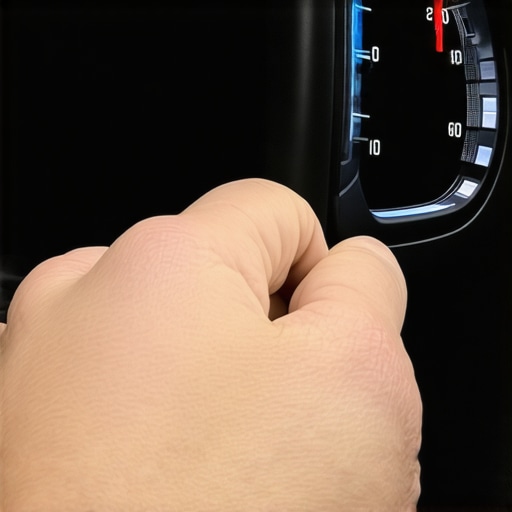
I remember the first time I saw my temperature gauge plummet while sitting at a red light in mid-January. I was shivering, I’d just cranked the heat to full blast, and suddenly, the needle that usually sits dead-center was diving toward “Cold.” My heart sank. I thought my engine was dying or that I was about to face a massive auto repair bill. It’s a terrifying sight when you aren’t expecting it, but as I learned the hard way, your car isn’t necessarily haunted. That moment of panic led me down a rabbit hole of coolant flow and thermal dynamics that every driver should understand before they waste money on parts they don’t need. Today, I’m going to explain why your car does this and how to tell if it’s a normal quirk or a cry for help.
Your Heater is Actually a Secret Second Radiator
Most people don’t realize that their HVAC system is basically an extension of the engine’s cooling loop. When you turn on that dial, you’re opening a valve to the heater core—a tiny radiator hidden right behind your dashboard. I made the rookie mistake of thinking my thermostat was stuck open right away. I even spent a Saturday testing my own thermostat in a pot of boiling water on the kitchen stove, much to my wife’s annoyance. The truth is often much simpler: your heater is so efficient at pulling heat into the cabin that it actually cools down the engine itself. If the ambient air is freezing and your engine is idling, that heater fan acts like a cooling fan. According to thermal engineering principles, the heat transfer from the coolant to the cabin air can be significant enough to lower the engine’s operating temperature by several degrees in minutes. It is basically a secondary cooling system you didn’t know you had.
Is this temperature drop actually dangerous for my engine?
It’s the question that kept me up that night after I saw that needle move. Usually, it’s just physics at work, but there is a limit. While a small dip is normal, an engine that can’t stay at operating temperature might struggle with fuel efficiency. If you find your car never reaches the middle of the gauge, it might be time to check for a scheduled coolant flush to ensure there isn’t air trapped in the system. Have you ever seen your temp gauge drop the second you turned on the heat? It’s a weird feeling, but understanding the ‘why’ can save you from an unnecessary trip for a car service. Let’s look at the mechanical reasons why this happens and when you should actually start to worry about your cooling system health.
Stop Guessing and Check Your Coolant Level First
You’d be surprised how many people jump straight to thinking they need a major auto repair when they’re actually just a quart low on fluid. Think of your coolant like blood in a body; if there isn’t enough to circulate, the extremities—in this case, your heater core—won’t get a steady supply. I once spent three hours tearing apart a dashboard only to realize I was just low on 50/50 mix. Before you panic, check the overflow tank. If it’s low, your system might be pulling in air, which causes that needle to bounce around like a toddler on espresso. Following a solid car service checklist starts with the basics.
Why Your Thermostat Might Be Lazy Instead of Dead
A thermostat is essentially a gatekeeper. It’s supposed to stay closed until the engine gets hot. But over time, the spring gets “lazy.” It might open too early or stay slightly cracked. When you’re driving, the engine produces plenty of heat to overcome this. But the moment you stop and crank the heater, that “lazy” gate lets too much cold water in from the radiator. If you suspect this, you don’t always have to go to a pro immediately. Learning troubleshooting common auto repair issues before visiting the shop can save you a $150 diagnostic fee.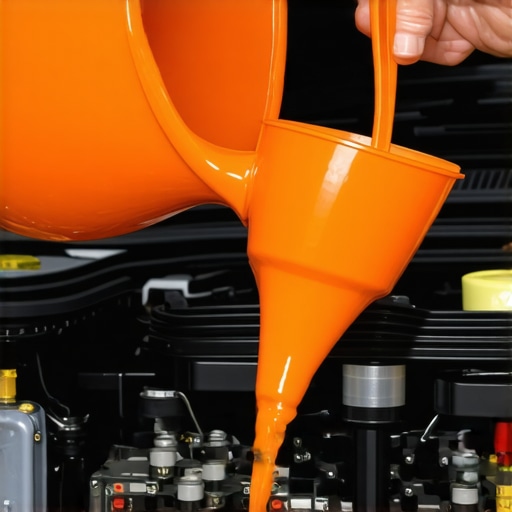
Clear Out Those Bubbles to Get Your Heat Back
Air is the enemy of a stable temperature gauge. I remember a specific winter where my old sedan would lose all its heat the second I hit a hill. It turned out I had a “burp” of air trapped in the highest point of the engine. To fix this, you need to “bleed” the system. Park on an incline with the nose of the car pointing up, remove the radiator cap (only when the engine is cold!), and let it run. This allows the air to rise and escape. It’s a simple trick that’s part of essential maintenance tips for any DIYer. If you ignore these bubbles, you’re looking at more than just a cold cabin; you’re risking hot spots in the cylinder head.
The Cardboard Shield for Sub-Zero Commutes
In extreme cold, even a perfect cooling system can’t keep up with a high-speed fan and sub-zero air. I used to see truckers do this all the time—blocking part of the radiator with cardboard. It sounds janky, but it reduces the “secondary radiator” effect of your heater core by keeping the main engine block warmer. While a tune up improves fuel efficiency, it won’t change the laws of physics in a Minnesota winter. Just be careful not to block it entirely, or you’ll be reading my other guide on why your engine overheats. Keeping a close eye on your gauge during this “fix” is mandatory.
Don’t Ignore the Warning Signs of a Failing System
If bleeding the air and checking levels doesn’t stop the needle from diving, you might be dealing with a water pump that is losing its efficiency. A weak pump can’t push the heavy, cold coolant through the heater core and the engine simultaneously at low RPMs. This is often caught during a scheduled car service, where a technician can pressure test the system. I’ve seen people ignore this for months until the pump finally seized, snapping the belt and leaving them stranded.Many drivers and even some shops are quick to blame a physical failure the moment a gauge acts up, but I’ve found that the most frustrating issues are often systemic ‘ghosts’ rather than broken metal. Take brakes, for example. Everyone assumes that a vibrating pedal means warped rotors, but the Society of Automotive Engineers (SAE) has noted that true rotor warping is incredibly rare in street cars; it’s actually more likely to be uneven pad material transfer. Before you pay for a full brake service, realize that the only way to fix grinding brakes without replacing rotors sometimes involves just a hard ‘bed-in’ procedure to even out those deposits. I once watched a guy replace his rotors three times in a year because he didn’t address his aggressive stopping habits that were cooking the pads onto the disc. This is just one of many brake service myths you need to sidestep to save your wallet.
Why do my brakes feel fine until I’ve been driving for an hour?
This is a classic trap for the DIYer. You check the fluid in the driveway, and it looks perfect. But brake fluid is hygroscopic—it absorbs water. Over time, that water lowers the boiling point of the fluid. When you’re in stop-and-go traffic, the heat transfers from the pads to the fluid, the water turns to steam, and suddenly you have a spongy brake pedal. If you’ve been troubleshooting common auto repair issues before visiting the shop, don’t just look for leaks; look at the age of your fluid.
Stop Blaming the Sensor and Check the Ground Wire
I’ve seen people spend hundreds on a new ECU because they thought their car was possessed. If your temp gauge is dancing or your idle shudders, it might not be a mechanical part at all. Learning how to spot a bad ground wire causing electrical issues is a master-level skill. A loose ground can send ‘noise’ through the electrical system, leading to a situation where your computer is giving you a false error code. It’s the ultimate ‘oops’ factor: replacing a $400 sensor when a $2 wire brush and some sandpaper on a rusty bolt would have fixed it.
The Danger of Over-Maintaining Your Engine
We all want our cars to last forever, but there is such a thing as ‘loving a car to death.’ I’ve seen enthusiasts strip the aluminum head on their engine because they used expert tune-up strategies without the right tools. Knowing the trick to replacing a spark plug without stripping threads—like using a piece of rubber hose to start the threads—is the difference between a 20-minute job and a $2,000 disaster. Even regular tune-ups improve fuel efficiency, but only if they are done with precision. Have you ever tried to fix something simple only to make it way worse? Let me know your biggest ‘oops’ moment in the comments below!
Stop Blindly Swapping Parts and Get a Real Scanner
I’ve realized over the years that the most expensive tool in my garage isn’t my torque wrench; it’s my own assumptions. We’ve all been there—tossing a new oxygen sensor at a problem just because a code popped up. But as the National Institute for Automotive Service Excellence (ASE) points out in their G1 maintenance guidelines, nearly 70% of ‘parts failures’ are actually caused by underlying systemic issues like poor electrical continuity or vacuum leaks. This is why I personally never touch a wrench without my Bluetooth OBD2 scanner and a live-data app. It allows me to see exactly what the computer sees in real-time, preventing the frustration of how to tell if your computer is giving you a false error code before I spend a dime on hardware. If you are serious about troubleshooting common auto repair issues before visiting the shop, you need to move beyond just reading codes and start looking at fuel trims and sensor voltages.
#IMAGE_PLACE_HOLDER_D#
Why a Digital Logbook is Your Secret Weapon
How do I maintain my car’s peak performance over ten or fifteen years? It’s not just about the oil; it’s about the data. I keep a digital logbook for every vehicle I own, tracking everything from tire rotations to the specific brand of spark plugs I used. This level of detail is the core of expert tune-up strategies. When you can look back and see that your fuel economy dropped by 2 MPG right after a specific car service, you have a breadcrumb trail to the solution. This longitudinal view is how you truly tune up your car for peak performance because you are no longer reacting to failures—you are predicting them based on your own historical data.
Will Your Manual Skills Matter in 2025?
Looking ahead, the landscape of the driveway mechanic is shifting rapidly. By the time we hit the mid-2020s, the integration of software into basic components will be absolute. If you look at the auto repair trends to watch in 2025, you’ll see that even a standard brake service might require a software ‘handshake’ to retract electronic calipers. The ‘shade tree’ mechanic of the future won’t just need a socket set; they’ll need a laptop. This doesn’t mean DIY is dead, but it does mean that regular tune-ups improve fuel efficiency and safety only if you’re willing to keep your tech skills as sharp as your mechanical ones. My advice? Start getting comfortable with multi-meters and diagnostic software now.
Take the Diagnostic Challenge Today
If you want to level up your maintenance game, I have a specific challenge for you. Don’t wait for a warning light. Plug in a scanner today, find your ‘Short Term Fuel Trim’ data, and watch it while the engine idles. If those numbers are jumping more than 5% in either direction, you might have a tiny vacuum leak that hasn’t triggered a code yet. Catching these ‘silent’ issues is the difference between a car that lasts 100k miles and one that reaches 300k. It’s time to stop being a parts-changer and start being a diagnostic expert.
Three Hard Lessons from a Cold Dashboard
After years of turning wrenches and second-guessing every needle movement, I’ve realized that the most alarming symptoms often have the most boring fixes. Here are my lightbulb moments from the driveway:
- Trust your hands more than the dashboard. If the heater is blowing hot but the gauge says “Cold,” you likely have a sensor or electrical grounding issue. Learning how to spot a bad ground wire causing electrical issues can save you from replacing parts that aren’t broken.
- The lazy thermostat is a silent killer. It won’t always throw a check engine light, but it will slowly destroy your fuel economy. I spent months ignoring a slight dip in the needle before realizing I was wasting $20 a week in gas.
- Air is the most common ghost. Before paying for a full car service, spend ten minutes bleeding the system. A simple air pocket can make your cooling system behave like it’s possessed.
What Stays in My Glovebox Year-Round
You don’t need a professional shop to get professional results, but you do need the right data. I personally rely on a simple Bluetooth OBD2 scanner to verify how to tell if your computer is giving you a false error code before I touch a single bolt. Secondly, I carry an inexpensive infrared thermometer; it’s the only way to know if your radiator is actually cold or if your sensor is just lying. Finally, I keep a dedicated maintenance log. Tracking these small anomalies is the core of expert tune-up strategies because it allows you to spot a failing water pump weeks before it leaves you stranded.
#IMAGE_PLACEHOLDER_E#
Take Charge of Your Own Engine
Seeing that needle move doesn’t have to mean a disaster. It’s an invitation to understand the machines we rely on every day. Whether you are tackling a complex brake service or just trying to get through a sub-zero winter commute, remember that knowledge is your best tool. Don’t be afraid to get your hands dirty and practice troubleshooting common auto repair issues before visiting the shop. That curiosity is what keeps your car on the road and your money in your pocket. Have you ever had a scary dashboard warning turn out to be a simple five-minute fix? Let me know in the comments below!