
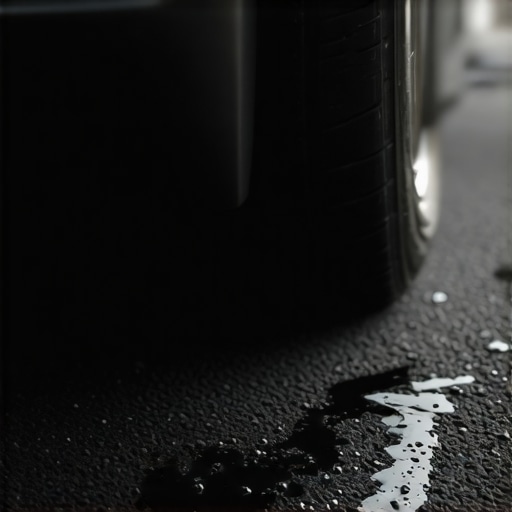
It was a Tuesday afternoon, and I was cruising toward a stoplight I’ve hit a thousand times. I pressed the brake, expecting that familiar resistance, but my foot just kept going. It didn’t stop until it hit the carpet. My stomach did a somersault. For a split second, I was a passenger in my own car, praying the emergency brake would do its job. I managed to roll to a stop, shaking, realizing that I’d been ignoring a ‘slightly soft’ pedal for weeks. I made the classic rookie mistake of thinking a simple tune up or topping off the reservoir would fix it. It wouldn’t. That day taught me that when it comes to stopping, ‘good enough’ is a death wish.
Stop Guessing Before Your Brakes Stop Working
We’re going to dive deep into why your pedal is betraying you. Whether it’s a failing master cylinder, a hidden leak, or air trapped where it shouldn’t be, I’ll help you figure it out. According to the National Highway Traffic Safety Administration (NHTSA), brake-related issues are a factor in roughly 22% of crashes caused by vehicle failure. That is a staggering number for something we can often catch early. I remember back in my early days of wrenching, I once tried to bleed brakes alone without the right tools and ended up making the pedal even worse. It was embarrassing, but it taught me that understanding brake system repairs is about precision, not just luck.
Is my master cylinder actually dead or am I just paranoid?
It’s easy to jump to the most expensive conclusion when your brake pedal drops to the floor at stoplights. You might think you’re looking at a thousand-dollar repair, but sometimes it’s as simple as a hidden culprit behind a spongy brake pedal like a tiny pinhole leak in a rubber line. Today, I’m going to show you how to differentiate between a total system failure and a minor fix. I want to make sure you get an honest brake inspection that actually saves you money. Have you ever felt that terrifying ‘sinking’ sensation while waiting for a light to turn green? If so, drop a comment below and tell me how you handled it; I’d love to know I wasn’t the only one white-knuckling the steering wheel. Let’s get your car back to stopping on a dime and ensure you are prepared for whatever the road throws at you.
Start with a Static Pressure Test
Imagine your brake system is like a high-pressure garden hose. If there is a hole, water sprays out; if there is air trapped inside, the hose feels squishy when you squeeze it. To find out what is wrong, keep your car in park and pump the brake pedal five times. On the fifth pump, hold it down with firm pressure. If that pedal slowly sinks toward the floor, you are either losing fluid or your master cylinder internal seals have given up. This is exactly how I caught a failing booster on my old truck. I thought I was just tired, but how to tell if your brake booster is losing pressure is often about that slow, agonizing creep toward the carpet.
Follow the Fluid Trail Under the Chassis
Grab a flashlight and crawl under your vehicle. You are looking for ‘wet’ spots, especially around the wheel wells and the long metal lines running along the frame. Brake fluid is oily and usually smells a bit like fish or chemicals. If you see a damp patch on the inside of a tire, you have likely found your winner. I once spent three hours looking for a leak only to realize it was a leaking brake caliper that only dripped when the steering wheel was turned all the way to the left. It was a maddening game of hide-and-seek, but catching it early prevented a total failure on the highway. 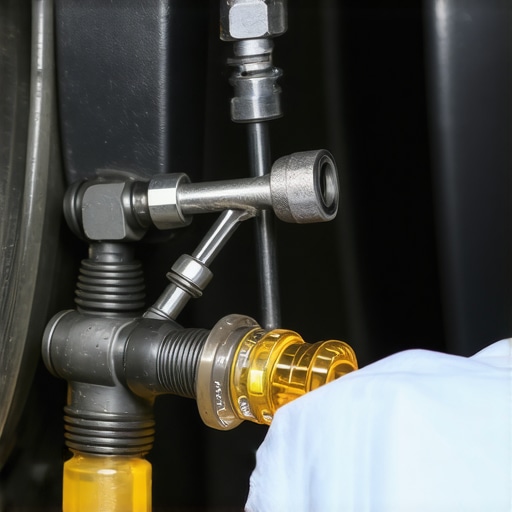
Master the Two-Person Bleed Technique
If your lines are dry but the pedal still feels like a marshmallow, you have air in the system. Air compresses; fluid does not. When you step on the pedal, you are just squishing air bubbles instead of moving the brake pads. You need to bleed the system starting from the wheel furthest from the master cylinder (usually the passenger rear). This ensures you are clearing the longest lines first.
Crack the Bleeder Valve with Precision
This is where my messy story comes in. I once tried to rush this and did not use a clear plastic hose on the bleeder valve. Brake fluid shot straight into my eye—it burns like crazy—and all over the garage floor. Always use a clear tube submerged in a bottle of clean fluid. Have your partner pump the pedal, hold it, and then you crack the valve. Watch for those tiny bubbles in the tube. Once the stream is solid, move to the next wheel. This is more effective than any brake service myths you have heard about self-bleeding systems.
Keep Your Reservoir Topped Off Constantly
The biggest mistake is letting the reservoir run dry while you are bleeding the brakes. If that happens, you have just sucked a massive gulp of air into the master cylinder, and you have to start the whole process over. It is like trying to drink through a straw with a hole in it—you will get plenty of air and very little drink. Checking this should be a standard part of your car service checklist every time you pop the hood.
Stop Rotor Damage Before It Starts
Sometimes the pedal drop is not air or fluid; it is mechanical. If your pads are completely worn down, the pistons have to travel much further, which can give a false sense of a low pedal. Keeping an eye on your hardware is as essential as any essential maintenance tips for your engine. If you feel a vibration along with that soft pedal, you might be dealing with warping rotors that are pushing the pads away from the surface, creating extra slack you have to take up with your foot.
Modern Cars Use Your Rear Brakes Way More Than You Think
Common wisdom used to be that the front brakes do 80% of the work. While that was true for your grandpa’s Buick, modern Electronic Brake-force Distribution (EBD) has flipped the script. Nowadays, your car might lean on the rear brakes more during light stops to prevent ‘nose-dive’ and keep the chassis level. I’ve seen DIYers ignore their rear drums or discs for years, only to find they are the real reason for a mushy pedal. This is often the real reason your rear brakes wear faster than fronts in newer models. If you’re only checking the front, you’re only doing half the job. Expertise isn’t just about changing parts; it’s about knowing how the system logic has evolved.
Why do my brand-new rotors start shaking after only a month?
This is the ultimate ‘oops’ factor and a trap that even some professional shops fall into. Everyone assumes shaking means ‘warped’ rotors from heat, but more often than not, it is actually Disc Thickness Variation (DTV) caused by improper installation. If a mechanic zips your wheels on with an impact wrench without a care in the world, they create uneven pressure across the hub. I always insist on the correct way to torque lug nuts to prevent rotor warping, which involves a calibrated torque wrench and a star pattern. One uneven bolt can pull the rotor just enough out of alignment that it hits the pads every time it spins, wearing a thin spot into the metal. 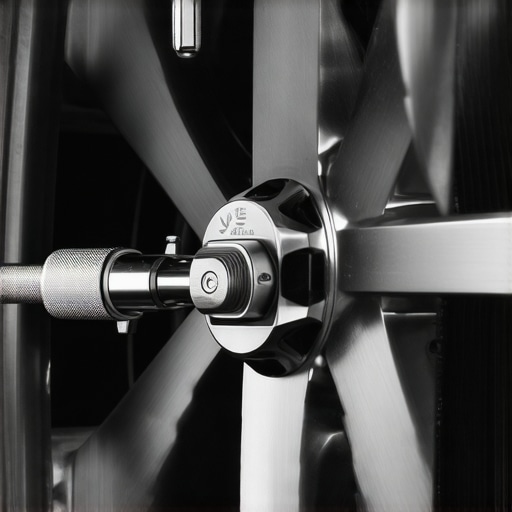
The Invisible Enemy Hiding in Your Brake Fluid
We need to talk about hygroscopy—the fancy word for ‘water-absorbing.’ Brake fluid is designed to soak up moisture so it doesn’t pool and corrode your metal lines. However, once that fluid reaches its saturation point, you are in trouble. According to a study by the Society of Automotive Engineers (SAE), even a 3% moisture content can lower the boiling point of DOT 3 fluid by over 100 degrees Fahrenheit. This leads to ‘vapor lock,’ where the liquid turns to gas under heat, and suddenly your pedal goes to the floor because gas is compressible. This is one of those brake service myths where people think fluid is ‘lifetime.’ It isn’t. If your fluid looks like coffee instead of white wine, it’s already failing you.
Avoid the Cheap Part Temptation
It is tempting to grab the $20 ‘economy’ pads, but you get what you pay for. Cheap pads often lack the proper shims and chamfers to stay quiet, leading to that high-pitched squeal that drives everyone crazy. Beyond the noise, cheap friction materials can’t dissipate heat as effectively, which feeds back into that sinking pedal feeling we are trying to avoid. Using expert tune up strategies means investing in high-quality ceramic or semi-metallic compounds that match your driving style. Have you ever gone the cheap route only to regret it two weeks later when the squealing started? Let me know in the comments; I’ve definitely been there and learned my lesson the hard way. Staying ahead of auto repair trends to watch in 2025 means realizing that precision components are no longer optional in high-tech braking systems.
Why a $20 Brake Fluid Tester is My Most Used Tool
For years, I relied on the ‘eye test’ for my brake fluid. If it looked like apple juice, I would leave it; if it looked like soy sauce, I would change it. That is a dangerous game. I eventually invested in a digital conductivity tester that measures the exact percentage of water in the fluid. It was a wake-up call to realize that fluid that looked ‘clean’ was actually at a 4% moisture level, well beyond the safe limits set by the SAE J1703 standard for motor vehicle brake fluids. This tool is now a permanent fixture in my car service checklist. I highly recommend picking one up because it takes the guesswork out of understanding brake system repairs and tells you exactly when your safety is at risk.
How do I keep my brake system healthy for the long haul?
Maintenance is not just about the big fixes; it is about the small, consistent habits. To truly maximize your cars lifespan with expert tune up strategies, you should be flushing your brake fluid every two years, regardless of mileage. This prevents the internal corrosion of your ABS module, which can cost thousands to replace. I also make it a point to check my wheel speed sensor wires for any fraying or buildup of road grime. These sensors are the ‘eyes’ of your traction control, and a simple cleaning can prevent a dozen ‘ghost’ error codes. Following the ultimate car service guide ensures you are hitting these milestones before they turn into emergencies. 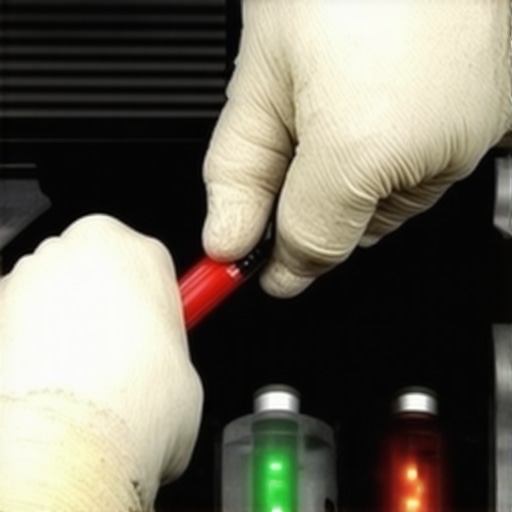
Don’t Fight Your Electronic Parking Brake Without a Plan
If you have a newer vehicle, you have probably noticed that little ‘P’ button instead of a physical handle. That is an Electronic Parking Brake (EPB), and it changes the way you do a rear brake service. If you try to force those pistons back with a standard C-clamp, you will destroy the expensive internal electric motor. You need a scan tool or a specific sequence of dash commands to put the car into ‘service mode’ first. Seeing auto repair trends to watch in 2025, this kind of software integration is only going to increase. You cannot just be a mechanic anymore; you have to be a bit of an IT specialist too.
The Future is Moving Toward Brake-by-Wire
We are quickly heading toward a world where your foot is not actually physically connected to the master cylinder. Brake-by-wire systems use sensors to measure how hard you press the pedal and then use electric actuators to apply the clamping force. This allows for incredible precision and contributes to how regular tune ups improve fuel efficiency and safety by reducing pad drag. My prediction is that within a decade, the ‘mushy pedal’ will be a thing of the past for most drivers, replaced by software-calibrated feedback. For now, take the advanced step of performing a ‘gravity bleed’ after your standard two-person bleed; it lets natural atmospheric pressure push out those final microscopic bubbles. Give it a shot on your next weekend project and feel the difference in that very first stop.
Lessons from the Greasy Garage Floor
Over the years, I’ve realized that the most dangerous car is the one you think you know perfectly. My biggest lightbulb moment came when I stopped treating brakes as a ‘set and forget’ component and started seeing them as a living system. Here is what I’ve learned from the front lines of DIY maintenance:
- The ‘Good Enough’ Trap: Never assume a slightly low pedal is just ‘the way the car drives.’ It is almost always the first whisper of a louder, more expensive scream from your master cylinder.
- Software Matters: In the age of ABS and stability control, a mechanical fix is only half the battle. If you don’t reset the system properly, you’re driving with a digital handicap.
- Cleanliness is Safety: Even a microscopic speck of dirt in the brake lines can lead to a stuck valve. I’ve seen brake system repairs fail because someone didn’t wipe the reservoir cap before opening it.
- Trust the Numbers: Your eyes cannot see moisture levels or microscopic rotor runout. Rely on your tools, not your gut, to determine when it is time for a flush.
The Gear That Keeps Me on the Road
You do not need a professional shop to do professional-grade work, but you do need the right equipment. These are the items I personally rely on to avoid brake service myths and keep my family safe:
- Electronic Fluid Tester: This small pen-shaped tool is the only way to truly know if your fluid is saturated with water. It is far more reliable than a simple color check.
- Precision Torque Wrench: I never touch lug nuts without one. It is the secret to preventing the real reason your car pulls under heavy braking due to uneven rotor clamping pressure.
- One-Man Pressure Bleeder: If you cannot find a partner to pump the pedal, this tool is a lifesaver. It creates a consistent flow that ensures no air bubbles remain trapped in the lines.
Take Control of Your Next Stop
Brake maintenance can feel intimidating, but it is one of the most rewarding parts of car ownership. When you know exactly how much life is left in your pads and the purity of your fluid, you drive with a level of confidence that no dealership can sell you. Whether you are performing a tune up for safety or a full caliper replacement, remember that precision is your best friend. This commitment to detail is the truth about why my car finally hit 200,000 miles without a major safety incident. Get out there, check those lines, and make sure your car stops as fast as it goes. Have you ever felt that terrifying ‘sinking’ feeling in your pedal while waiting at a red light? Let me know in the comments how you handled the situation!