

I was sitting in my driveway last Tuesday, just letting the engine warm up, when I heard it—that unmistakable, rhythmic hiss that sounds exactly like an angry snake hiding somewhere near the firewall. My first instinct was to turn up the radio and pretend I didn’t hear a thing. We’ve all been there, right? You’re tired, you just want to get home, and the last thing you need is a trip to the mechanic. But then I remembered a cold morning a few years back when I ignored a similar sound and ended up with a brake pedal that felt like it was stepping on a marshmallow while I was trying to stop at a busy intersection. It was one of the scariest moments of my life, and frankly, a mistake I’m not keen on repeating. That tiny “psshhh” isn’t just an annoying background noise; it’s usually your car’s way of screaming for help before something expensive—or dangerous—happens. Today, I’m going to help you track down that sound so you can sleep better at night and keep your car on the road without a tow truck. [image_placeholder_1]
Don’t Ignore the Snake Under the Hood
Most people assume a hissing sound is just the AC blowing off some pressure or maybe a bit of harmless steam, but in my experience, it’s often a vacuum leak or a failing brake booster. If you’ve noticed that your brakes feel hard to press in the morning, you might be dealing with a vacuum seal that’s finally given up the ghost. I once spent three days tearing apart a dashboard only to realize the leak was a tiny, cracked hose right in front of me. If I had just started with troubleshooting common auto repair issues before diving into the deep end, I would have saved myself a lot of grease and a lot of swearing. According to the National Highway Traffic Safety Administration (NHTSA), mechanical failures like brake issues contribute significantly to road accidents, which makes that little hiss a lot more serious than a simple nuisance. Catching it early isn’t just about smart car care—it’s about keeping you and your family safe.
Is this just a way for shops to overcharge me?
I get the skepticism. Every time you hear a new noise, you see dollar signs flying out of your wallet and wonder if the mechanic is just looking for a boat payment. But here is the truth: a vacuum leak left alone will eventually wreck your fuel economy, cause a rough idle, and make your engine run like a bag of hammers. I’ve learned that using a simple cigar to find a vacuum leak is a trick that actually works and costs about five bucks. You don’t always need a $2,000 diagnostic machine to be your own hero. If you catch it while it’s just a hiss, you might prevent the absolute nightmare where your brake pedal hits the floor at a red light. It’s all part of a solid car service checklist to stay ahead of the curve. Have you ever had a “mystery sound” turn into a major repair because you waited one day too long? I’d love to hear about your closest call in the comments below—I promise I won’t judge, because I’ve been there more times than I’d like to admit.
Pinpoint the Source Before You Pull Anything Apart
First, you need to isolate the noise like a detective at a crime scene. A hissing sound is basically air going where it shouldn’t, like a tiny hole in a straw. If the sound changes when you press the brake pedal, you are looking at a brake booster issue. I once had a Toyota that hissed only when I sat at stoplights; it turned out the master cylinder was giving out slowly, affecting the vacuum seal. If the hiss is constant and changes with engine RPM, it’s likely a vacuum line.
The Soapy Water Trick That Never Fails
Before you spend money on a mechanic, grab a spray bottle with dish soap and water. Spray it over the rubber hoses while the engine is idling. If you see bubbles start to grow or the engine idle suddenly smooths out, you’ve found your leak. I remember doing this on my old truck and finding a bubble the size of a grape on a hose that looked perfectly fine to the naked eye. It’s a classic move in troubleshooting common auto repair issues that saves you the headache of guessing. 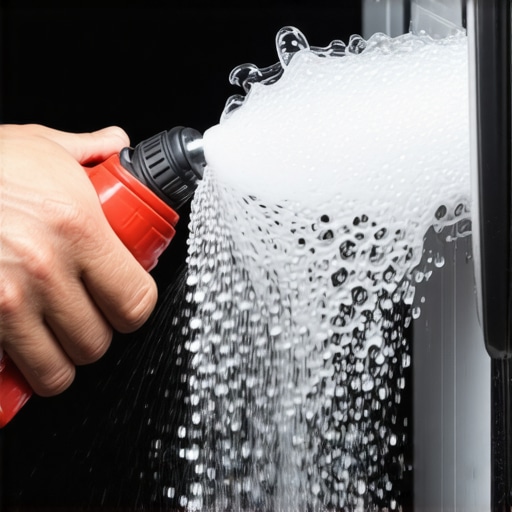
Master the Smoke Test for Hidden Leaks
Sometimes a visual check isn’t enough because the leak is tucked behind the intake manifold where your eyes can’t reach. This is where you use smoke. You don’t need a professional machine; you can learn how to detect a small vacuum leak using a simple cigar or a DIY smoke jar. When you blow smoke into the vacuum system, it will eventually waft out of the crack like a signal fire.
Check Your Brake Components for Wet Spots
If the smoke test comes up empty but your car still sounds like a teapot, get under the wheel well. A hiss can sometimes be confused with the sound of hydraulic fluid under high pressure. You should spot a leaking brake caliper before it fails by looking for dampness or ‘clean’ spots on the inside of your rims where the brake fluid has washed away the road grime.
Make Regular Maintenance Your Best Defense
The best way to avoid these ‘angry snake’ sounds is to stop the rubber from rotting in the first place. Heat is the enemy of every hose and belt under your hood. Following a car service checklist helps you catch brittle hoses before they snap. I’ve found that using expert tune-up strategies, like applying a bit of silicone protectant to rubber lines, can add years to their life. If you stay on top of your essential maintenance tips, you won’t be the person stranded on the shoulder because of a five-dollar piece of rubber. Dealing with the vacuum system is a core part of brake system repairs that most people overlook until the pedal gets hard to press.
Why New Brake Pads Won’t Fix a Lazy Installation
Everyone tells you that if your brakes are noisy, you just need better pads. But in my experience, the most expensive ceramic pads in the world won’t do a lick of good if you skip the bedding-in process or ignore the hardware. I’ve seen people drop hundreds on performance parts only to have them squeal louder than the cheap ones they replaced. It’s a classic brake service myth that ‘new’ automatically means ‘silent.’ In reality, failing to properly lubricate the slide pins or reusing old, crusty clips is a recipe for disaster. Data from the Society of Automotive Engineers (SAE) regarding NVH (Noise, Vibration, and Harshness) suggests that a significant percentage of brake noise complaints are actually mechanical vibrations caused by loose or dry hardware rather than the friction material itself. This is why the truth about cheap brake pads often has more to do with how they fit and interact with the caliper than what they are actually made of. If you aren’t cleaning the hub surface before mounting the rotor, you’re already fighting a losing battle against lateral runout.
Stop Warping Your Rotors with This One Simple Tool
Here is the ‘oops’ factor that almost everyone—even some professional shops—gets wrong: the lug nuts. If you’ve ever felt your steering wheel shake under heavy braking, you probably blamed ‘warped’ rotors. But rotors don’t usually warp from heat alone; they warp because of uneven clamping force. If you don’t use a calibrated torque wrench, you are essentially pulling on the rotor hat unevenly. I’ve made this mistake myself in my younger days, zipping them on with an impact gun and wondering why my car felt like it was jumping rope two weeks later. Learning the correct way to torque lug nuts is the single best thing you can do to preserve your brake system repairs and keep everything running true. 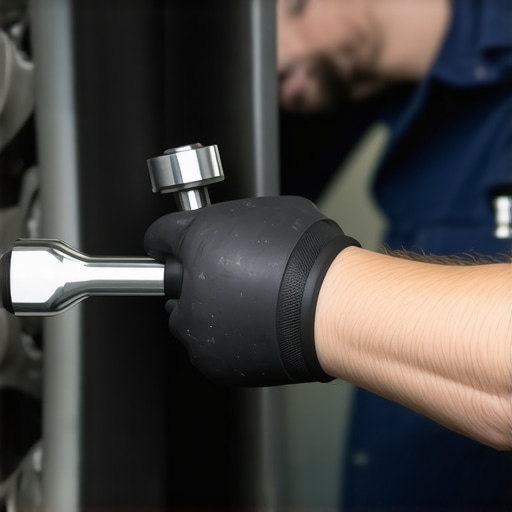
Why do my premium brakes still squeal like a freight train?
This is the question that keeps most DIYers up at night. Often, it’s because of ‘glazing.’ If you don’t perform a proper bedding procedure—a series of controlled, aggressive stops to transfer a uniform layer of pad material onto the rotor—you end up with a smooth, glass-like surface that vibrates at a high frequency. This vibration is what your ears perceive as a squeal. If you are struggling with this issue right now, check out my guide on why your new brakes are still squealing to find the solution. It’s these small, technical details that separate a basic expert tune-up strategy from a generic ‘parts-cannon’ approach where you just throw money at the problem. Another hidden nuance involves the vacuum system; many people replace a ‘failing’ brake booster when the real culprit is a five-dollar check valve or a tiny crack in the hose. Have you ever fallen into the trap of replacing a major part only to have the same problem return? Let me know in the comments—I’d love to help you troubleshoot the real cause and save you some frustration. Catching these nuances is the key to mastering troubleshooting common auto repair issues like a pro.
The One Tool That Stopped Me from Guessing
If you are serious about moving past the beginner stage of car repair, you have to stop relying on those cheap, twenty-dollar code readers that only tell you if a sensor is ‘bad.’ To really master troubleshooting common auto repair issues, you need a scanner that provides ‘Live Data.’ I personally use a mid-range bidirectional scan tool because it lets me look at Short Term Fuel Trims (STFT) in real-time. Why does this matter? Because if your STFT is climbing over 10% while you are idling but drops back to normal when you rev the engine, you have just confirmed a vacuum leak without even opening the hood. It turns a guessing game into a scientific process. This is exactly how I managed to hit the milestone I talk about in the truth about why my car finally hit 200,000 miles. Having the right data prevents you from buying sensors you don’t actually need. 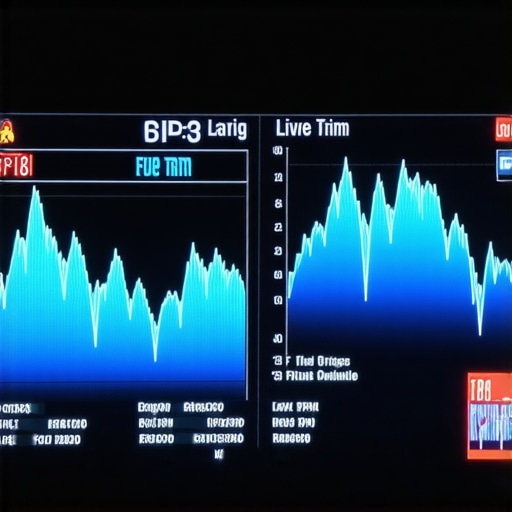
How do I maintain my car’s performance over several years?
Staying ahead of the curve requires a shift in mindset from ‘fixing’ to ‘preserving.’ I’ve found that the secret sauce is consistency with a car service checklist that includes more than just oil changes. You need to be looking at your fluid chemistry. For instance, testing your brake fluid for copper content or moisture can save your ABS module from a $1,500 failure later. I always tell people that essential maintenance tips like cleaning your throttle body and mass airflow sensor every 30,000 miles can prevent that annoying ‘mystery hesitation’ that plagues older vehicles. By implementing expert tune-up strategies, you aren’t just reacting to failures; you are preventing the wear that leads to them.
The Future is Electric and Connected
Looking ahead, the way we handle brake system repairs and general maintenance is changing fast. We are seeing a massive shift toward telematics and remote diagnostics. According to technical documentation from Robert Bosch GmbH, modern vehicles are now equipped with ‘over-the-air’ diagnostic capabilities that can predict a component failure before the driver even feels a vibration. Staying informed on auto repair trends to watch in 2025 is vital because the tools we use today—like the humble cigar for smoke testing—will eventually be supplemented by sophisticated software interfaces. Even as things get more high-tech, the fundamental mechanics of friction and vacuum remain the same. My challenge for you this weekend is to plug in a scanner and check your fuel trims; you might be surprised at what your car is trying to tell you before that ‘angry snake’ hiss even starts. It is the best way to avoid falling for brake service myths and keeping your wallet full.
Lessons from the Greasy Side of a Brake Job
Looking back at decades of working on my own cars, the most important lesson I’ve learned is that silence isn’t always golden, but hissing is always a warning. I once thought I could skip the technical details and just ‘fix it when it breaks,’ but that approach cost me more in towing fees than I ever saved in parts. I realized that preventative maintenance is the only way to stay ahead of the curve. Understanding how an honest brake inspection saved me hundreds taught me that finding a trustworthy starting point is half the battle. Don’t let the complexity of modern systems scare you; most issues still come down to air, fuel, and friction. I’ve found that even if you aren’t doing the work yourself, knowing the difference between a vacuum leak and a mechanical vibration makes you a smarter consumer. It stops you from falling for brake service myths that suggest every noise requires a total system replacement.
The Only Tools You Really Need in Your Driveway
You don’t need a shop full of industrial equipment to be a DIY hero. Here is what I keep in my own kit to stay on top of the ultimate car service guide. First, a calibrated torque wrench—it’s the only way to ensure your rotors don’t warp after a tire change. Second, a bidirectional scan tool; seeing the live data from your sensors is like having X-ray vision for your engine. Third, a simple vacuum gauge. This tool is often overlooked in the age of computers, but it’s a foolproof way to verify the health of your engine’s internal sealing. These tools, combined with expert tune-up strategies, give you the confidence to tackle any mystery sound that pops up without guessing.
Take Control of the Noises Under Your Hood
At the end of the day, your car is an investment in your freedom and your family’s safety. Hearing that first sign of trouble—like that ‘angry snake’ hiss—and actually doing something about it is what separates a car that lasts 200,000 miles from one that ends up in a scrap yard prematurely. By seeing how regular tune-ups improve fuel efficiency and safety, you are making a conscious choice to be proactive rather than reactive. Don’t be afraid to get your hands a little dirty; the satisfaction of fixing a problem before it becomes a disaster is one of the best feelings a car owner can have. Keep your eyes on the road and your ears open for that hiss, and you’ll keep your engine running smooth for years to come. Have you ever successfully tracked down a ‘ghost’ noise in your engine bay? Let me know in the comments below—I’d love to hear your detective stories!