

I still remember the rainy Tuesday evening I almost took out my neighbor’s prized rose bushes. I was turning into my driveway, a move I’ve done thousands of times, when suddenly the steering wheel felt like it was set in concrete. My arms strained, the pump let out a haunting, metallic scream, and for a split second, I was a passenger in my own car. It wasn’t a catastrophic engine failure or a blown tire; it was something far more subtle and, frankly, embarrassing. I had ignored a tiny puddle on the garage floor for weeks. That “small” leak turned a simple drive into a wrestling match, and it taught me that the the simple fix for a stiff steering wheel is usually just a few dollars worth of fluid and a little bit of attention.
Your Steering Wheel Shouldn’t Fight Back
When I first started working on my own cars, I was a bit of a “wait and see” kind of guy. I figured if the car was moving, things were probably fine. I learned the hard way that skipping basic maintenance leads to massive bills. Low power steering fluid isn’t just a minor annoyance that makes your car sound like a dying cat every time you park; it’s a precursor to total component failure. Today, I want to pull back the curtain on why this specific fluid is the unsung hero of your engine bay and how you can avoid the $1,500 mistake I made back in my twenties. If you’ve ever noticed why your power steering fluid looks like foam, you’re already in the danger zone where air is destroying your pump from the inside out.
Is checking this fluid actually worth your time?
You might be thinking that a few drops on the pavement are just part of owning an older vehicle. I used to think the same until I realized that those drops are the lifeblood of your hydraulic system. According to the Car Care Council, neglected vehicle maintenance can lead to thousands in unnecessary repairs and significantly decrease safety on the road. When that fluid runs low, the pump works twice as hard, generating heat that fries internal seals. This is often how people end up troubleshooting common auto repair issues before visiting the shop only to find out their entire rack and pinion system is shot. Have you ever felt that terrifying “catch” in the wheel mid-turn? That’s your car’s way of screaming for help. I’d love to hear from you—have you ever heard that tell-tale whine under your hood and hoped it would just go away on its own?
Ignoring the problem often leads to a chain reaction. First, you’ll hear the groan. Then, you’ll feel the vibration. Before you know it, you’re forced into the ultimate car service guide just to see if your vehicle is even safe to drive. I once waited so long that the friction heat actually melted the internal seals of my steering pump. It was a charred, oily mess, and it was entirely preventable. We are going to make sure that doesn’t happen to you by staying ahead of the curve. Trust me, your biceps and your bank account will thank you for being proactive rather than reactive.
Finding the Reservoir Before Your Pump Quits
First things first: you need to find where the magic happens. Most cars have a small, translucent plastic tank with a cap that explicitly says ‘Power Steering.’ If you’re lucky, it has a dipstick attached to the cap. I remember one humid July afternoon—incidentally, the kind of day why your engine runs rough only during humid weather—when I couldn’t find my reservoir because it was tucked under a massive plastic engine cover. I spent twenty minutes searching, only to realize I just needed a flathead screwdriver to pop the shroud off. Don’t be afraid to poke around; your owner’s manual is your best friend here if the reservoir is hidden near the firewall.
Check the Level While It’s Cold
Most reservoirs have two sets of marks: ‘Cold’ and ‘Hot.’ Fluid expands when it heats up, so checking it after a long drive can give you a false sense of security. If the level is below the ‘Cold’ line while the car is sitting in your driveway, you have a leak. This is the fundamental first step in how to keep your vehicle in top shape. Think of the fluid as the lubricant for a high-speed dance; if there’s not enough, the dancers—your pump’s internal gears—start bruising each other. I’ve seen pumps turn into literal scrap metal because they ran dry for just a ten-minute commute.
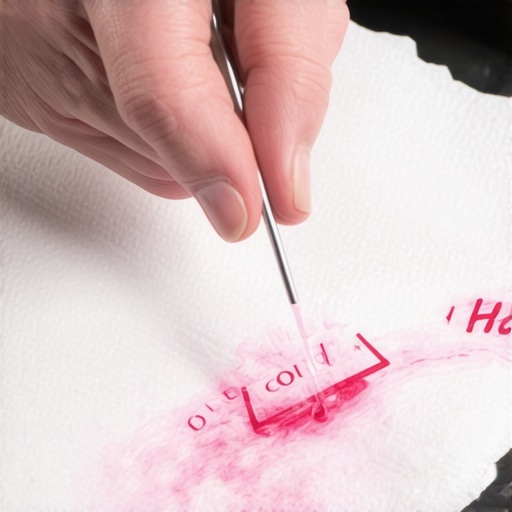
The Paper Towel Test for Fluid Health
It’s not just about how much fluid you have, but what that fluid looks like. Clean power steering fluid is usually pinkish, amber, or clear. If it looks like dark soy sauce, it’s oxidized and dangerous. I once ignored ‘coffee-colored’ fluid in an old truck, much like the warning signs of why your brake fluid looks like coffee, thinking it didn’t really matter. Within a month, the gritty debris in that old fluid acted like sandpaper, grinding down the internal seals until the pump just gave up. Dip a clean white paper towel into the reservoir. If you see black flecks or detect a burnt smell, you’re looking at a necessary flush, not just a simple top-off.
Squeeze Out the Air with the Lock-to-Lock Method
If you’ve topped off the fluid but still hear a gut-wrenching whine, you likely have air trapped in the lines. Air is compressible; hydraulic fluid is not. When air gets in, your steering feels ‘spongy’ or ‘notched.’ To fix this, with the engine running, slowly turn the steering wheel all the way to the left until it hits the stop, then all the way to the right. Do this five or ten times. I remember my first time doing this; the bubbles looked like a carbonated soda in the reservoir. If you skip this, the air pockets will eventually cause ‘cavitation’ in the pump—basically tiny implosions that pit the metal. It’s just as important as knowing expert tune-up strategies for your engine. This purge forces the bubbles back into the reservoir where they can escape safely.
Don’t Mix Fluids Like a Mad Scientist
One of the biggest mistakes I see is people grabbing whatever ‘steering fluid’ is on the shelf. Some cars require specific ATF (Automatic Transmission Fluid), while others need specialized synthetic blends. Mixing them is a recipe for a chemical reaction that can turn your fluid into a useless jelly. I once saw a guy try to ‘save’ money by using leftover brake fluid in his steering rack. He ended up needing understanding brake system repairs anyway because the corrosive fluid ate through his high-pressure hoses within a week. Always check the cap or the manual for the exact specification before you pour a single drop into that system.
The ‘Lifetime Fluid’ Lie We Have All Been Sold
Common wisdom in many owner’s manuals suggests that power steering fluid is a ‘lifetime’ fill. In my experience, ‘lifetime’ usually means ‘until the warranty expires.’ Most people assume that if the fluid isn’t black and the level is high, everything is fine. This is a dangerous oversimplification. Much like the misconceptions addressed in brake service myths, the visual appearance of fluid doesn’t tell the whole story. Over time, the corrosion inhibitors and anti-foaming agents in the fluid shear down due to extreme pressure. When these additives fail, the fluid may still look okay, but it is no longer protecting your expensive rack and pinion from internal scoring. This is why staying ahead of the curve with maximize your cars lifespan with expert tune up strategies is about more than just changing oil; it’s about understanding the chemistry under the hood.
Why Stop-Leak Bottles Are Usually a Death Sentence
Here is the ‘oops’ factor I see way too often: a driver notices a small drip and reaches for a ‘Stop-Leak’ additive. While these products can occasionally buy you a few weeks of time, they work by using chemicals that force rubber seals to swell. The problem? They don’t know when to stop swelling. Eventually, those seals become soft, mushy, and prone to catastrophic failure. Furthermore, these thick additives can clog the fine mesh filters inside the reservoir, leading to pump starvation. I’ve seen many DIYers attempt troubleshooting common auto repair issues before visiting the shop only to find that their $15 ‘quick fix’ bottle actually caused a $1,200 repair bill by gumming up the entire hydraulic circuit. If you have a leak, replace the O-ring or the hose; never try to fix a mechanical gap with a chemical band-aid.

Why does the steering feel stiffer even with a full reservoir?
If your fluid level is perfect but you still feel resistance, you might be dealing with ‘morning sickness’—a term mechanics use for worn Teflon rings inside the steering rack. This is a nuance most beginners miss. When the rack is cold, these rings don’t seal properly, allowing fluid to bypass the piston. As the car warms up, the metal expands and the steering returns to normal. According to the National Institute for Automotive Service Excellence (ASE), neglecting regular fluid exchanges is the primary catalyst for this type of internal wear. It’s the same logic behind how regular tune ups improve fuel efficiency and safety; you aren’t just fixing what is broken, you are preventing the inevitable friction that kills components. If you’ve noticed your car acts differently in the first five minutes of driving, you’re likely seeing the early stages of internal bypass.
We also need to talk about noise. If you’ve just replaced a pump and it’s still making a racket, don’t automatically assume the new part is bad. This is a common trap. Often, the issue is a microscopic crack in the plastic intake nipple or a hardened O-ring on the suction side. This allows the pump to suck in air without actually leaking any fluid out. It creates a ‘foamy’ mess that makes the pump scream. It’s a frustrating ghost to chase, much like trying to figure out why your new brakes are still squealing after you thought the job was done. Precision matters. Have you ever fallen into the ‘stop-leak’ trap or ignored a ‘morning sickness’ symptom until it was too late? Let me know in the comments, and let’s keep your steering smooth and your repair bills low.
The Secret to a Fluid Change Without the Mess
For years, I did the ‘turkey baster’ method, sucking out a few ounces of fluid from the reservoir and replacing it every few days until the color looked right. It works, but it’s slow and never truly gets the grit out of the steering rack’s deepest corners. If you want to handle your own car service like a professional, I highly recommend investing in a handheld vacuum pump, specifically the Mityvac MV8000. I use it to pull a vacuum directly on the reservoir while turning the wheels; it draws out the trapped air and old fluid much more efficiently than gravity ever could. This isn’t just about being neat; it’s about ensuring that no microscopic debris remains to score your cylinder walls. This level of precision is exactly the truth about why my car finally hit 200,000 miles without a major mechanical failure.
How do I maintain my steering feel for the next 100,000 miles?
Consistency is your greatest tool. I’ve found that checking the fluid condition every time I do an oil change—part of my standard car service checklist—prevents the ‘soy sauce’ oxidation I mentioned earlier. But maintenance isn’t just about the liquid. While you’re under the hood, grab the high-pressure hose and look for ‘sweating’ at the crimps. A hose that is sweating today is a hose that will burst tomorrow. I also take a moment to perform a quick physical check of the hardware. Knowing how to check your tie rod ends with minimal tools can save you from a terrifying steering failure on the highway. According to Motor Magazine, fluid oxidation is accelerated by heat, and a failing power steering cooler—often just a simple looped metal pipe—is a frequently overlooked culprit in chronic fluid degradation. Keep that cooler clear of road debris to ensure the chemistry of your fluid stays stable.
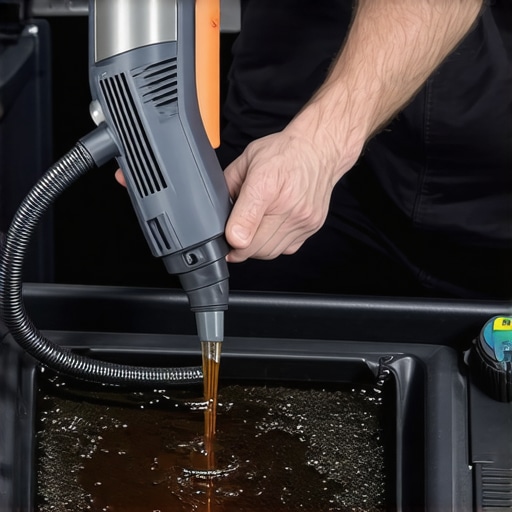
Hydraulic Steering is Going Extinct
Looking ahead, we are seeing a massive shift in auto repair trends to watch in 2025. Most new vehicles have completely ditched hydraulic pumps in favor of Electric Power Steering (EPS) motors. While this means you’ll never have to worry about a fluid leak again, it introduces new challenges, like sensitive torque sensors and software calibrations. For those of us still driving hydraulic classics, this means parts will eventually become more specialized and expensive. That is why mastering these expert tune up strategies now is so vital. If your car still uses a belt-driven pump, you are operating a piece of ‘legacy’ tech that requires a human touch. Don’t wait for the steering to get heavy or for the system to start making a grinding noise when you turn the wheel. Proactive flushing is the only way to avoid the eventual extinction of your steering rack.
If you really want to level up your garage game, try this next time you’re working: don’t just top off the fluid. Use a dedicated cleaner designed for hydraulic systems before your next flush to break loose any sludge that’s settled in the valve body. It’s a small step that makes a massive difference in how the wheel feels in your hands. I challenge you to go out to your driveway today, pull that dipstick, and do the paper towel test we talked about. If it’s not bright and clear, it’s time to act.
The Three Power Steering Realities I Learned the Hard Way
Over two decades of wrenching on my own vehicles, I’ve realized that the ‘small stuff’ is actually the big stuff in disguise. First, I learned that fluid color is just the tip of the iceberg; the loss of chemical viscosity and heat protection often happens long before the liquid turns black. Second, steering noise is never just ‘part of the car’s personality’—it is the warning sound of metal-on-metal friction that eventually leads to an expensive rack replacement. Finally, I realized that proactive flushing is the cheapest insurance policy you can buy. Much like why I’ll never skip a transmission fluid change again, maintaining your steering hydraulics is about preserving the mechanical feel that keeps you safe on the road.
#IMAGE_PLACEHOLDER_E#
Tools That Saved My Biceps and My Budget
You don’t need a professional shop to keep your steering system healthy, but you do need the right gear. I swear by my Mityvac MV8000 handheld vacuum pump; it makes bleeding air out of the lines a one-man job and prevents the cavitation that destroys new pumps. I also recommend every driver keep a digital copy of their Factory Service Manual on their phone rather than relying on generic internet forums for fluid specs. When you combine the right data with regular checks, you see how an honest brake inspection saved me hundreds of dollars by catching leaks before they cascaded. Staying organized with a proper shop light and the correct fluid specifications ensures your auto repair efforts are effective and safe.
Give Your Car the Longevity It Deserves
Your vehicle is likely one of your largest investments, and it deserves more than just the bare minimum. By taking twenty minutes to check your power steering fluid today, you are actively choosing to extend the life of your rack and pinion system. It’s part of the broader commitment to tune up your car for peak performance throughout every season. Don’t let a simple hydraulic leak turn into a reason to scrap a perfectly good vehicle. When you understand the ‘why’ behind your maintenance, you gain the confidence to handle any car service with ease. Remember, the goal is to drive your car on your terms, not the mechanic’s. Learning how to avoid major transmission repairs later starts with the small habits you build right now under the hood.
Have you ever noticed your steering getting heavier on cold mornings, or have you discovered a mystery puddle that turned out to be power steering fluid? Let me know your experiences in the comments below!