

I remember standing in my driveway at 6:30 AM, coffee in hand, watching a thick, low-hanging fog roll across the pavement. I hopped into my old sedan, turned the key, and instead of that smooth, familiar purr, I got a stumbling, coughing mess that felt like the engine was trying to shake itself right out of the mounts. It was incredibly frustrating because the day before—when it was bone-dry and sunny—the car ran perfectly. I spent weeks chasing ‘ghost’ sensors and even thought I had a bad batch of gas, but I was ignoring the most obvious clue in front of me: the weather. If your car acts like it has a personal vendetta against the rain, you aren’t alone. Today, I am going to show you exactly why moisture is turning your commute into a nightmare and how a few simple checks can save you a fortune in unnecessary repairs.
Moisture Makes Everything Harder for Your Ignition
When the air gets heavy with water, your car’s electrical system has to work twice as hard to stay on track. Electricity is naturally lazy; it always wants the easiest path to the ground. In a perfect world, that path is through your spark plugs. However, when you have worn-out components or tiny, invisible cracks in your wiring, that high-voltage spark decides to take a shortcut through the dampness on the outside of your wires instead. I once made the mistake of ignoring a tiny hairline crack in my distributor cap, thinking it wasn’t a big deal until it left me stranded in a grocery store parking lot during a drizzle. That tiny crack turned my car into a lawnmower because the electricity was ‘leaking’ out before it ever reached the engine. This is often why you’ll notice that your engine light flashes during heavy rain but stays off on sunny days. It’s not a ghost in the machine; it’s basic physics. According to engineering principles documented by the IEEE, the breakdown voltage of air—its ability to act as an insulator—drops significantly as humidity increases, making it much easier for an electrical ‘flashover’ to occur where it shouldn’t. I eventually learned that how a simple tune up fixed my mystery hesitation was all about keeping those electrical paths sealed and dry.
Is my car just sensitive to the rain?
You might be thinking this only happens to old beaters, but even modern vehicles can struggle if their protective seals are slightly compromised. Have you ever felt that weird ‘hiccup’ or shudder when pulling away from a stoplight on a particularly foggy morning? That’s your engine misfiring because the moisture is literally stealing your spark. Before you panic and start looking for auto repair trends to watch in 2025, let’s look at the simple stuff first. We are going to dive into how a tune up for peak performance can solve these moisture-related headaches once and for all. Have you ever had your car run perfectly one day and like a total disaster the next just because of a little fog? Tell me I’m not the only one who has dealt with this headache! It is time to stop guessing and start looking at the car service checklist that actually matters for wet weather reliability.
How to Spot an Electrical Leak with a Spray Bottle
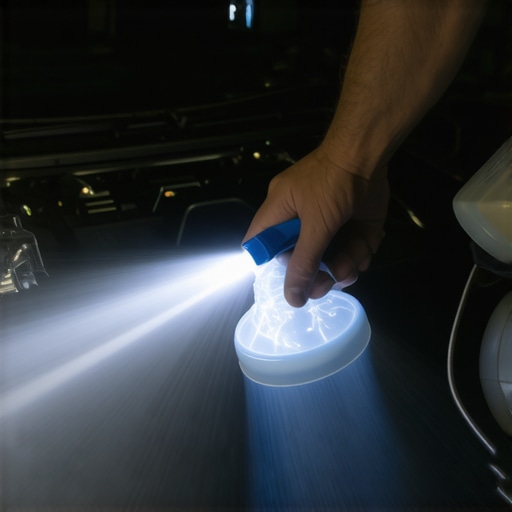
To find the ghost in your machine, you have to recreate the weather. Grab a simple spray bottle filled with tap water and wait until dusk or find a dark garage. With the engine running, lightly mist your ignition wires, the distributor cap, and the ignition coil. If your car has a ‘leak,’ you will see tiny blue sparks jumping from the wires to the engine block. This is called arcing. I remember a humid Tuesday evening when I did this to my brother’s hatchback; it looked like a miniature light show under the hood. Those blue arcs are why your computer is giving you a false error code—the sensor isn’t bad, but the signal is being interrupted by escaping electricity. Replacing these wires is a core part of any car service checklist aimed at wet-weather reliability.
Clean Connections Keep the Current Moving
Moisture doesn’t just steal sparks; it invites corrosion to live on your battery terminals and ground points. Think of your car’s electrical system like a plumbing network. If the pipes are clogged with ‘gunk’ (corrosion), the water can’t flow. I once spent three hours trying to jump-start a car in a downpour, only to realize the battery terminals were covered in a white, crusty powder that acted like an insulator. Once I cleaned them with a wire brush and a bit of baking soda, it fired right up. This is a critical step in expert tune-up strategies. You should also learn how to spot a bad ground wire because a loose ground will cause your lights to flicker or your engine to stumble the moment the humidity rises. This isn’t just about starting; it’s about the entire vehicle’s communication network staying dry and tight.
Seal the Deal with Dielectric Grease
If you want to stop the rain from winning, you need a physical barrier. This is where dielectric grease becomes your best friend. It is a non-conductive, silicone-based grease that keeps moisture out of electrical connections. When you are performing a tune up for peak performance, apply a small dab inside the spark plug boots and on the connector of the ignition coil. I started doing this religiously after a particularly nasty winter where my car would stall every time I hit a puddle. The grease creates a vacuum seal that water simply cannot penetrate. It is a pro tip often found in the ultimate car service guide because it prevents the terminal pins from oxidizing over time, ensuring that your engine response remains smooth regardless of the dew point or local flooding.
It’s easy to fall into the trap of thinking a tune-up is just a shopping list of parts to buy and bolt on. In reality, modern engine management is a delicate balance of sensor data and chemical reactions. Most people believe that if they have a misfire, they just need new plugs, but in my experience, the plugs are rarely the root cause in well-maintained cars. The real culprit is often infant mortality of cheap aftermarket sensors or failing to address the wiring harness itself. I’ve seen enthusiasts spend hundreds on high-performance coils while ignoring a frayed ground wire that cost five cents to fix. This is a classic oops factor: assuming a new part is always a good part. Always test your components, even the ones fresh out of the box, because how a simple tune up fixed my mystery hesitation often comes down to finding the one new part that was actually defective.
Why does my car still stumble after I changed everything?
Your car’s Engine Control Unit (ECU) is a learning machine. It tracks fuel trims to compensate for aging components. When you replace a faulty part, the computer is still using the memory of the old, broken part to calculate fuel and air. This often results in a rough idle or poor mileage until the system is reset or completes a few drive cycles. This level of detail is exactly why the truth about why my car finally hit 200000 miles involves more than just oil changes; it involves understanding how the electronics communicate. 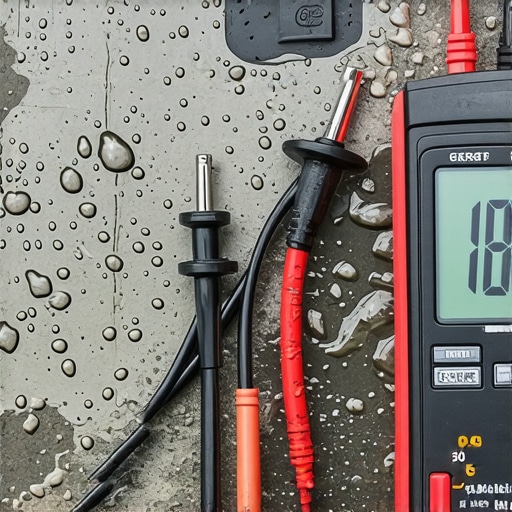
The chemical reality of wet-weather stopping power
We can’t talk about moisture without addressing your brakes. A common myth is that brake fade and spongy pedals are only caused by worn pads. However, the advanced reality is much more fluid. SAE International has documented extensively that automotive brake fluid is hygroscopic—it naturally absorbs water from the atmosphere. Even in a sealed system, moisture can permeate through rubber hoses over time. When that water gets into your lines and your brakes get hot, the water turns into steam. Unlike fluid, steam is compressible, which is the hidden culprit behind a spongy brake pedal. If you are only changing pads and ignoring a fluid flush every two years, you are leaving your safety to chance during a heavy rainstorm. Furthermore, many drivers skip the bedding-in process, leading to what they think is a warped rotor. In truth, it’s often just uneven pad transfer. Learning the simple way to bed in new brake pads can save you from a vibrating steering wheel and unnecessary rotor replacements. Have you ever fallen into this trap of replacing parts only to have the problem persist? Let me know in the comments—I’d love to help you troubleshoot the next steps. By following a comprehensive car service checklist, you can ensure that your vehicle doesn’t just survive the next rainy season but thrives through it. Before you head to the mechanic, check out these brake service myths to make sure you aren’t paying for repairs you don’t actually need.It is one thing to fix a car when it breaks, but it is another thing entirely to build a maintenance system that prevents the breakdown in the first place. I spent my early twenties throwing parts at problems, but now I rely on a small kit of precision tools that tell me exactly what is happening before the smoke starts. If you want to stop the cycle of emergency repairs, you need to stop guessing. My go-to is a decent OBDII scanner with live data capabilities. I do not just read codes; I look at fuel trims and oxygen sensor voltages in real-time. This is how I catch things like identifying a failing fuel pump before I am stuck on the shoulder of the highway.
How do I keep my car reliable for the long haul?
The secret isn’t a magic additive; it’s consistent data monitoring. I perform a health check every six months, regardless of how the car feels. I use a digital multimeter to check the charging system. Most people wait for the battery light, but I am looking for if the alternator is overcharging the system, which can fry expensive control modules. According to the Bosch Automotive Handbook, even a 0.5V deviation from the target charging voltage can significantly shorten the life of modern AGM batteries. By catching these tiny fluctuations early, I have managed to push my vehicles far past the 200,000-mile mark without a single major electrical failure. 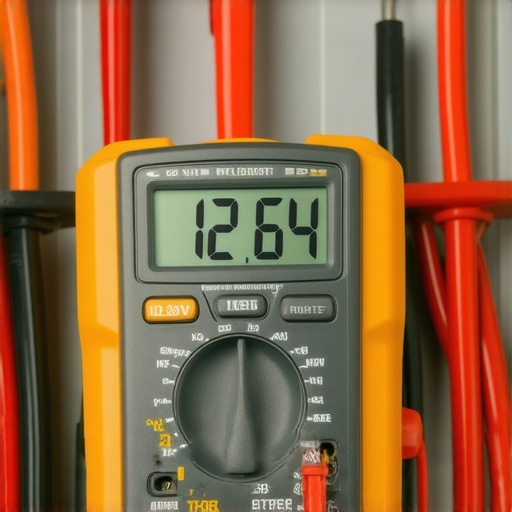
Put down the parts cannon and pick up a multimeter
One of the most valuable skills you can learn is performing a voltage drop test. This is how you find high resistance in a circuit without cutting open the loom. If you suspect your starter is dragging, do not just buy a new one. Test the power wire under load. This approach is a cornerstone of expert tune-up strategies because it addresses the infrastructure of the car, not just the components. I also make it a point to check transmission fluid levels even on sealed transmissions using infrared thermometers to ensure the fluid is at the exact temperature required for an accurate reading. This level of precision is why my car finally hit 200000 miles while others end up in the scrap yard.
The high-tech shift coming to your driveway
Looking ahead, the DIY world is changing rapidly. We are moving away from simple mechanical fixes and into the realm of software calibration. As we look at auto repair trends to watch in 2025, expect to see more right-to-repair battles over gateway modules and ADAS (Advanced Driver Assistance Systems) calibration. Even a simple windshield replacement now requires a camera recalibration. I predict that the most important tool in your box by 2030 will not be a wrench, but a laptop with a J2534 pass-thru device. If you really want to stay ahead of the curve, I challenge you to do one thing this weekend: get a multimeter and perform a parasitic draw test. It is the ultimate way to find that ghost drain that has been killing your battery. Once you master that, you will be better prepared for the future of scheduled maintenance than 90% of the drivers on the road.
What Decades of Greasy Knuckles Taught Me About Humidity
I’ve spent more time than I’d like to admit chasing electrical ghosts that only appear when the dew point rises. One of the most humbling lessons I learned was that how professional diagnostics found my ghost electrical leak often comes down to the basics we overlook. Here are a few lightbulb moments from my years under the hood:
- The New Part Paradox: Never assume a part is good just because it’s shiny and in a box. I’ve seen brand-new ignition coils fail right out of the gate, leading me on a wild goose chase. Always verify with a multimeter before swearing at the car.
- Grounds Over Glamour: You can buy the most expensive spark plugs on the market, but if your engine ground is corroded, you’re throwing money away. A clean ground is the absolute foundation of a stable idle.
- Brake Fluid is a Sponge: We focus so much on pads, but ignoring the moisture-absorbing nature of brake fluid is a recipe for disaster. This is often the hidden culprit when you need an understanding of brake system repairs to explain a sinking pedal.
- Recreating the Storm: The spray bottle trick is my favorite low-tech hack. It’s the only way to see what the engine sees when it’s 100% humidity outside without waiting for a storm.
The Gear That Keeps My High-Mileage Daily Driver Alive
If you want to move from a parts changer to a true diagnostician, you need a different set of eyes. These are the tools I never leave home without and why I trust them:
- OBDII Scanner with Live Data: Don’t just read error codes; watch your fuel trims. If you see them spiking when it rains, you know you have an unmetered air leak or an ignition skip. It is the first step in troubleshooting common auto repair issues effectively.
- A Reliable Digital Multimeter: This is your stethoscope for electricity. I use it to perform voltage drop tests on every major circuit during my car service checklist routine.
- Silicone Dielectric Grease: It’s cheap, simple, and prevents 90% of the moisture issues we have discussed. Every electrical connector I touch gets a tiny dab to seal out the rain.
Take Control of Your Commute Before the Clouds Roll In
Maintenance isn’t just a chore; it’s an investment in your peace of mind. When you take the time to learn how regular tune ups improve fuel efficiency and safety, you aren’t just saving money at the pump—you’re ensuring your car won’t leave you stranded when the weather turns nasty. Whether it’s applying grease to a connector or mastering the secret to a shudder-free stop on rainy days, these small wins add up to a vehicle that lasts for years. Don’t let a little fog be the reason you’re late for work. Start with the small stuff, trust your tools, and keep that engine humming. Have you ever found a ghost in your car that only appeared on rainy days? Let me know in the comments below—I’d love to help you track it down! #IMAGE_PLACEHOLDER_E#