
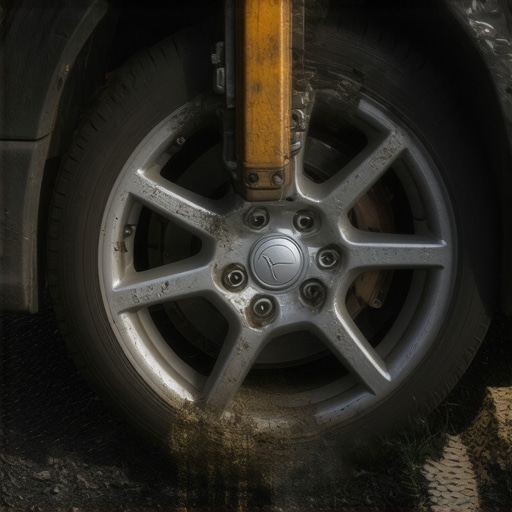
I will never forget the sound of my heart hitting my ribs when I heard that first metallic creak. I had just parked on a notoriously steep incline to grab a coffee, pulled the handbrake lever up with a confident thwack, and started walking away. Suddenly, the car groaned. It moved an inch. Then another. I scrambled back, heart racing, realizing my emergency brake was doing absolutely nothing to stop two tons of steel from becoming a runaway sled. It is a terrifying realization, isn’t it? You trust your car to stay put, but mechanical components do not care about your plans. If your car is currently doing the hill-descent shuffle, do not panic. We are going to figure out exactly why your lever is letting you down and how a little routine car service could have prevented my near-disaster. Have you ever had to chase your own car down the street, or am I the only one who learned this the hard way?
Your Parking Brake Is Not Just a Backup Plan
Most of us treat the parking brake like a vestigial organ—something that is there but serves no real purpose until things go south. In reality, it is a completely separate mechanical system that needs just as much love as your engine or your tires. When I first started working on my own rigs, I made the classic rookie mistake of ignoring the rear drums. I thought if the pedal felt firm, the handbrake was fine. I was wrong. The cables that engage those rear shoes or calipers are prone to stretching over time. If they are not adjusted, you will pull that lever to the ceiling and still see your car rolling. This is why understanding brake system repairs is crucial; it is not just about stopping at red lights, it is about staying put when the engine is off.
Is the Park Gear on My Transmission Enough?
I hear this all the time: “I have an automatic, I do not need the handbrake.” That is a dangerous gamble. When you put an automatic car in “Park,” a tiny metal pin called a parking pawl engages the transmission. It is about the size of your thumb. On a steep hill, the entire weight of your vehicle is resting on that one little piece of metal. If it snaps, you are in trouble. Plus, putting all that stress on the transmission makes it harder to shift out of gear later—something I have seen happen often when your car won’t shift out of park on a hill. Relying solely on the pawl is a shortcut to an expensive repair bill. According to the National Highway Traffic Safety Administration (NHTSA), mechanical roll-away incidents contribute to thousands of property damage claims every year, often because the secondary braking system was neglected.
The Real Culprits Behind the Roll
The most common reason for a failing parking brake is simple neglect. Because we do not use it every day (which we should!), the cables can seize inside their protective sleeves. On my old truck, the salt from winter roads basically welded the cable shut. When I pulled the handle, I was just stretching the handle assembly, not actually moving the brake shoes. Another big issue is the automatic adjusters inside drum brakes. They are supposed to click into place every time you back up and hit the brakes, but they often get gummed up with dust and grime. If those are not working, your brake pedal might feel different, and your parking brake will definitely lose its bite. You might even notice that your drum brakes are dragging if the mechanism is partially stuck, which creates heat and ruins your fuel economy. Fixing this does not always require a master’s degree in engineering, but it does require getting your hands a little dirty.
Stop the Drift with a Cable Adjustment
Think of your parking brake cable like a guitar string. Over thousands of miles, that steel string stretches and loses its pitch—or in this case, its tension. If you have to pull your lever up toward the ceiling just to get the car to stay, you have too much slack in the line. I remember working on my old 1998 Corolla; the lever would click about fifteen times before it even felt tight. I spent twenty minutes under the center console with a deep-socket wrench, tightening the adjustment nut until the lever felt firm after only six or seven clicks. It was a night-and-day difference. Most modern cars have this adjustment point either right under that plastic center console or tucked away near the rear axle where the cables split. Before you go buying expensive new parts, check if a simple tension tweak solves the problem and saves your transmission from unnecessary stress.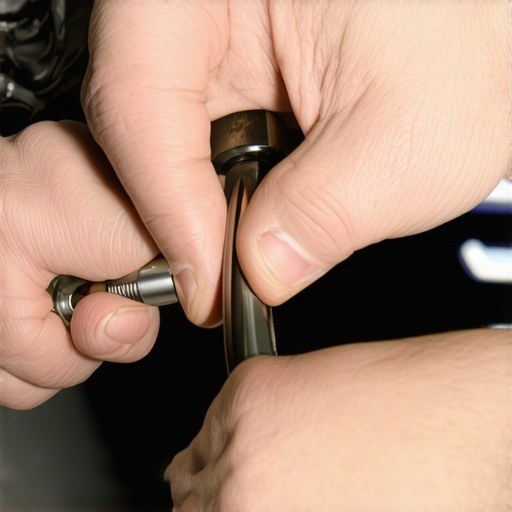
Clear the Grime from Your Mechanical Pivots
If your lever feels stiff but the car still rolls, you likely have a seized linkage. Salt, mud, and road debris love to settle into the pivot points where the cable meets the wheel assembly. When I finally crawled under my truck after a long mountain winter, the equalizer bar—the piece that splits the tension to both wheels—was a solid block of rust. A heavy dose of penetrating oil and a wire brush saved me from a massive bill. This is a perfect time to look at your car service checklist and see what else has been neglected. If the mechanics of the system are frozen, no amount of pulling on that handle will help. Keeping these parts lubricated ensures that when you pull the lever, the force actually reaches the brakes instead of being lost to friction.
Adjust the Star Wheel for Maximum Bite
For those of you with rear drum brakes or top-hat style rotors where the parking brake lives inside a small drum, there is a mechanical adjuster called a star wheel. This little geared wheel moves the brake shoes closer to the drum surface. If these are out of sync, your grinding brakes might actually be the result of a dragging parking shoe that never fully released or engaged. You can usually access this wheel through a small rubber plug on the back of the brake assembly. It is a tedious process of clicking the wheel with a screwdriver, checking the spin of the tire, and repeating, but it ensures your brake shoes actually hit the metal when you need them to.
Include the Brake System in Your Seasonal Tune Up
We often focus on oil and filters, but a proper tune up for peak performance should always include a physical inspection of your brake lines and cables. I once missed a frayed cable during a quick oil change, only for it to snap three weeks later at a boat ramp. It was a heart-stopping moment that could have been avoided by simply looking for wear. Regularly troubleshooting common auto repair issues like a loose handbrake before they become total failures is the difference between a relaxing weekend and a call to a tow truck. If you have recently done work on your rear wheels, make sure you also follow the proper way to break in new brake pads to ensure all surfaces are seating correctly against one another for maximum holding power.One of the biggest brake service myths I see in the DIY community is the ‘tighter is safer’ approach. Most people assume that if their car rolls, they just need to crank that cable until there is zero slack. This is a trap. If you over-tighten the parking brake cable, you are essentially pre-loading the brake shoes. This leads to constant friction, which is often the real reason your new brake pads are smoking or wearing out prematurely. You need a specific amount of ‘play’ so the shoes can fully retract. Without it, you are just dragging your brakes everywhere you go, killing your fuel economy and heat-cycling your rotors into oblivion.
The Secret Drum Brake Hiding in Your Rotors
A common ‘oops’ factor I have witnessed involves modern ‘top-hat’ rotors. These are disc brakes on the outside, but they have a secret drum brake hidden inside the center hub specifically for the parking brake. I have seen seasoned mechanics swap rotors and completely forget to check the condition of these hidden shoes. If those internal shoes are glazed or contaminated with axle grease, your car will roll regardless of how new your pads are. It is these hidden nuances that separate a basic oil change from expert tune-up strategies designed to keep a vehicle on the road for decades.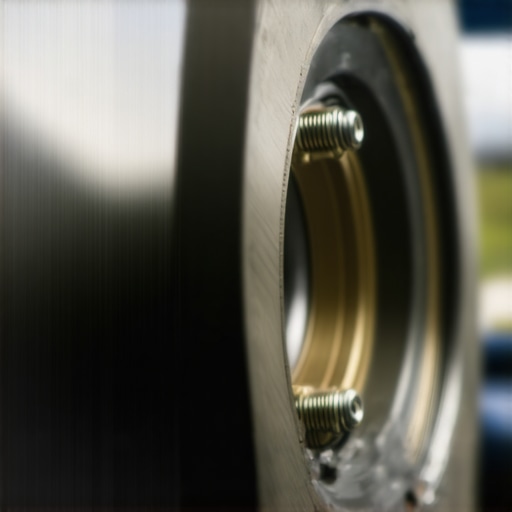
Why Does My Car Still Roll Even With New Rear Pads?
The answer usually lies in the separation of systems. In many European and newer American cars, the parking brake does not even touch the main brake calipers. This is why troubleshooting common auto repair issues requires looking past the obvious. According to a technical report by the Society of Automotive Engineers (SAE), nearly 15% of parking brake failures are not due to cable stretch, but rather the failure of the self-adjusting mechanism inside the drum or caliper. If you are not engaging the brake regularly, that mechanism seizes. I once saw a driver lose a perfectly good sedan because they ‘saved’ the parking brake for special occasions, causing the adjuster to rust solid. Staying updated on auto repair trends to watch in 2025 shows a shift toward electronic parking brakes (EPB), which solve some cable issues but introduce complex computer-controlled motors. If you are still working with a manual lever, treat it like a muscle—use it daily to keep it from atrophying. Have you ever fallen into this trap of over-tightening or ignoring those hidden internal shoes? Let me know in the comments. Finding the fix for a soft brake pedal often leads right back to the rear assembly, so do not overlook it during your next weekend project.
Save Your Knuckles with These Specific Shop Tools
When I first started doing my own maintenance, I tried to adjust everything with a pair of needle-nose pliers and a prayer. It rarely worked, and usually ended with bleeding knuckles. If you are serious about keeping your car stationary, you need a dedicated brake spoon. This tool is specifically curved to reach through the backing plate and click the star wheel without slipping or stripping the teeth. For those of you dealing with modern vehicles, you cannot just yank on things anymore. You need a bidirectional scan tool to put the rear calipers into ‘service mode’ before you even touch a bolt. I personally use a mid-range professional scanner because it prevents me from burning out the expensive electric motors found in newer systems. This level of preparation is what separates a backyard hack from troubleshooting common auto repair issues like a seasoned professional.#IMAGE_PLACE_HOLDER_D#
How do I keep my parking brake reliable for years?
The biggest secret to longevity is the simplest: use it or lose it. Every single time you park, regardless of whether you are on an incline, set that brake. This simple daily act keeps the cables moving within their protective sleeves and prevents the self-adjusters from seizing up due to road salt and grime. I make it a point to include a cable lubrication session in my car service checklist every autumn. A quick spray of silicone-based lubricant into the cable ends can prevent water from entering and freezing during the winter, which is a leading cause of ‘stuck’ brakes. This is part of the expert tune-up strategies I have developed after seeing far too many cars roll away during the first freeze of the year.
Prepare for the Move Toward Electronic Actuators
As we look at auto repair trends to watch in 2025, the traditional handbrake lever is rapidly becoming a museum piece. Manufacturers are moving toward push-button systems that use small electric motors mounted directly on the caliper. While this eliminates the ‘stretched cable’ problem, it introduces new failure points like moisture intrusion in the wiring harness. According to technical documentation from Bendix Commercial Vehicle Systems, the mechanical advantage provided by these electronic systems is significantly higher than manual ones, but they require precise voltage to operate. If your battery is weak or your alternator is struggling, your parking brake might fail to engage or, worse, fail to release. This makes a tune up for peak performance even more critical because your electrical health now directly impacts your ability to park safely. It also underscores how regular tune-ups improve safety beyond just engine reliability. Before you call it a day, I want you to go out to your car and test your lever. If it feels like it has more than 5-8 clicks of travel, take twenty minutes this weekend to find that adjustment nut and tighten it up—it is the single most satisfying quick fix for your peace of mind.
Hard-Won Truths from My Years Under the Chassis
One thing I learned the hard way is that a parking brake is like a muscle—if you do not use it, you lose it. I used to think I was ‘saving’ the components by only using the lever on steep hills, but all I was doing was letting the cables rot in place. Another lightbulb moment came when I realized that understanding brake system repairs involves more than just swapping pads; it is about the harmony between the hydraulic and mechanical systems. Lastly, never underestimate the power of a clean pivot point. A little grease goes further than a lot of force when you are troubleshooting common auto repair issues in your driveway.
Gear That Keeps My Vehicles Standing Still
For anyone looking to tackle this, I swear by a dedicated brake spoon—it makes adjusting star wheels effortless compared to a flathead screwdriver. I also recommend a mid-range bidirectional scan tool, especially as we look at auto repair trends to watch in 2025 where electronic brakes are becoming the standard. Finally, keep a can of high-quality silicone lubricant in your kit; it is essential for keeping those cable sleeves from seizing up during a harsh winter. This simple addition to your car service checklist can save you hundreds in replaced parts later.
Take Control of Your Peace of Mind
Maintaining your car is not just about avoiding a bill; it is about the confidence of knowing your vehicle will stay exactly where you left it. By following expert tune-up strategies and making the handbrake a part of your daily routine, you are protecting your transmission and your safety. Do not wait for a metallic creak to tell you something is wrong. Start today, and make a solid brake service a priority during your next inspection. Have you ever had a close call with a rolling car, or are you diligent about using your handbrake every time? Let me know your experiences in the comments below!