

I remember one Tuesday morning last January specifically because I nearly backed my sedan straight into a snowbank. It was barely 15 degrees outside, the windows were half-frosted, and when I went to crank the wheel to exit my driveway, it didn’t move. I mean, it really didn’t move. I had to put both shoulders into it just to get the tires to budge an inch. For a second, I thought the rack and pinion had welded itself together overnight. It was terrifying, and honestly, a bit embarrassing. I’ve spent years under hoods, yet there I was, outmuscled by my own commuter car. If you are sitting in your driveway right now wondering if you suddenly lost all your upper body strength or if your car is just tired of the winter, I promise you’re not alone. We’re going to look at exactly why this happens and how you can stop that heavy, stubborn resistance before you end up needing a gym membership just to go to the grocery store.
Your Car Shouldn’t Feel Like an Old Tractor
When everything is working right, your power steering system should feel effortless, regardless of the thermometer reading. However, age and neglect have a funny way of showing up when the temperature drops. I made the classic mistake early on of thinking I could just ‘muscle through it’ until spring arrived. That cost me a whole new power steering pump by mid-February because I was forcing a system that was screaming for help. Before you start troubleshooting common auto repair issues before visiting the shop, you need to understand that this stiff feeling is usually a cry for basic maintenance. Cold air makes fluids thicker and seals more brittle. According to the Society of Automotive Engineers (SAE), standard hydraulic fluids can experience a massive increase in viscosity at low temperatures, sometimes flowing up to 400% slower than they do at operating temperature. This turns your steering fluid into something closer to maple syrup, which your pump simply wasn’t designed to move efficiently.
Is this a sign my car is finally giving up on me?
It’s the question everyone asks when the wheel gets heavy: is this the beginning of the end? The short answer is no, but it is a warning light you shouldn’t ignore. Usually, it’s just a sign that you need to how to check your power steering fluid the right way. If the fluid is dark, thick, or smells like it’s been burnt, it can’t handle the cold. I’ve also seen cases where the reason your power steering fluid is foaming is actually tiny amounts of moisture that have frozen into microscopic ice crystals inside your lines. Have you ever felt that ‘notchy’ feeling where the wheel is hard to turn, then suddenly gets easy, then gets hard again? That’s the classic symptom of fluid that’s lost its edge. My goal today is to show you how to identify if you just need a simple flush or if a component is actually on its way out. Have you noticed your steering getting progressively harder as the winter drags on? I’d love to hear your experience in the comments, as it usually helps others realize their car isn’t the only one acting up.
Flush Out the Sludge to Save Your Pump
If your steering wheel feels like it is stuck in wet concrete every morning, the first thing you need to do is pop the hood and look at the fluid. Fresh power steering fluid is usually a translucent red or pink, flowing like water. When it gets old, it absorbs moisture and collects microscopic metal shavings from the pump’s internal wear. By the time it looks like used motor oil, its cold-flow properties are shot. I remember back in my early twenties, I tried to ‘fix’ a stiff wheel by just pouring new fluid over the old gunk. It was a disaster. Within a week, the fresh fluid had mixed with the sludge, and I was right back to square one, only now I had a driveway covered in red stains. You need to learn how to check your power steering fluid the right way and, more importantly, when to realize a simple top-off won’t cut it.
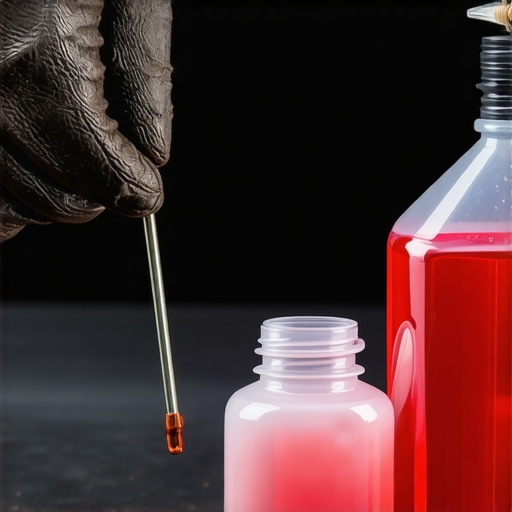
Fluid Color Tells the Whole Story
Viscosity is the enemy in sub-zero temperatures. Think of your power steering system like a blood vessel; if the ‘blood’ is too thick, the pump has to work four times as hard. Even if you aren’t doing a full car service guide routine, replacing that dark fluid is non-negotiable. If you see bubbles or a frothy texture on the dipstick, that is air entering the system. Much like the reason your power steering fluid is foaming during the summer, cold-induced seal shrinkage allows air to be sucked into the intake side of the pump. This creates a ‘spongy’ or ‘notchy’ feel that can lead to permanent pump cavitation if you do not bleed the system by turning the wheel lock-to-lock several times while the engine is running.
Don’t Blame the Pump for a Slipping Belt
Sometimes the heavy steering isn’t the fluid at all, but the belt that drives the pump. In extreme cold, serpentine belts become stiff and lose their grip on the pulleys. If that belt slips even a fraction of an inch, your power steering pump loses its power right when you need it most. This often happens alongside other items on your car service checklist. I once spent two hours trying to diagnose a ‘failing’ pump only to realize the tensioner pulley was frozen solid. Knowing how to replace your own serpentine belt in under 20 minutes can save you a three-hundred-dollar shop bill and restore your steering effort instantly.
Thaw Out Your Suspension Joints
If the fluid is clean and the belt is tight, but the wheel still fights you, the resistance might be downstream. Ball joints and tie-rod ends are packed with grease that can turn into a solid block of wax in the winter. If those joints are worn, they let moisture in, which then freezes into ice. This is a crucial part of a proper tune-up for peak performance. You might also want to learn how to spot a bad cv axle before it snaps, as a binding axle can sometimes mimic steering stiffness during low-speed turns. If you feel a physical ‘grind’ through the floorboards along with the heavy wheel, you should check how to tell if your car needs an alignment or new tires, because a binding steering rack can throw your entire front-end geometry out of whack.
It’s easy to think that once you’ve checked the fluid and the belt, you’re in the clear. But there is a massive misconception in the world of modern car service: the idea that if the computer doesn’t throw a code, everything is fine. In my years in the garage, I’ve found that the most expensive repairs are the ones the computer can’t see. Most people believe that ‘tune-ups’ are a relic of the 1970s, but they’ve just changed form. You need to maximize your cars lifespan with expert tune-up strategies that focus on the chemistry of your fluids. AAA research has shown that over 20% of vehicles on the road are operating with contaminated or degraded fluids that haven’t triggered a dash light yet, but are actively eating away at internal seals.
The Hidden Danger of a Desperation Flush
Here is the ‘trap’ most DIYers fall into: the Desperation Flush. If your steering is already screaming and the fluid is black, a high-pressure flush might actually be the final nail in the coffin. Fresh fluid has high detergent properties. When you dump it into a system full of sludge, it can dislodge chunks of debris that get stuck in the tiny valves of the steering rack. It’s similar to brake service myths that lead people to believe a simple fluid swap fixes a physical mechanical failure. If the damage is done, the flush just speeds up the leak. This is why following a car service checklist is about staying ahead of the grime, not reacting to it after the wheel gets heavy.
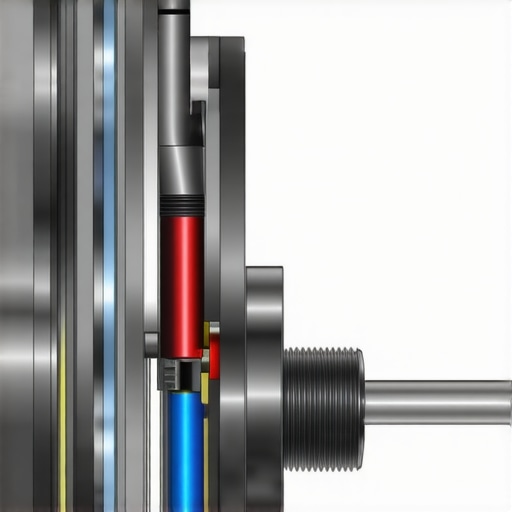
Can your steering rack fail if it isn’t actually leaking?
This is the nuance most people miss. You can have a full reservoir and no puddles on the driveway, but still have ‘heavy’ steering because of an internal bypass. Inside the rack, there are seals that keep the high-pressure fluid on the correct side of the piston. If those seals wear out—often due to heat or age—the fluid just ‘slips’ past the piston instead of pushing the wheels. It’s the steering equivalent of the fix for a soft brake pedal that mechanics keep missing; the pressure is being generated, but it’s going to the wrong place. If your wheel is hard to turn only when the engine is warm, you’re likely looking at an internal pressure loss rather than a pump problem. This happens frequently when the fluid has reached the point where it looks like coffee creamer, indicating total chemical breakdown. Have you ever tried to fix a heavy steering wheel with a flush only to have it start leaking a week later? Let me know in the comments—I’ve definitely been there myself.
I keep a clean turkey baster in my top tool drawer for exactly one reason: the ‘lazy flush.’ Every other oil change, I suck out whatever fluid is in the reservoir and replace it with fresh stuff. It takes three minutes and costs five dollars, yet it’s the single most effective way to prevent the sludge build-up we talked about earlier. If you want to get serious, I highly recommend picking up a handheld vacuum pump like a Mityvac. I use mine not just for steering, but also when I’m understanding brake system repairs because it allows you to pull fluid through the lines without a second person pumping the pedal. It is the gold standard for getting air bubbles out of the rack after a cold snap has shrunken your seals. Being able to see the vacuum gauge hold steady also tells me if I have a hidden leak before I even start the engine.
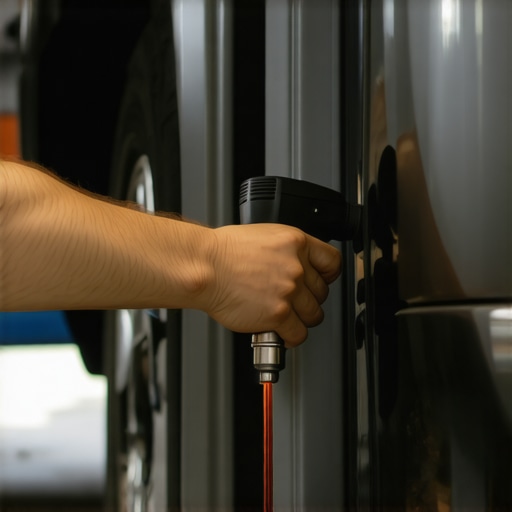
How do I keep my steering system healthy over the long haul?
Consistency beats intensity every time. Instead of waiting for a major failure, you should integrate a quick fluid check into your car service checklist. According to technical standards from the Automotive Maintenance and Repair Association (AMRA), power steering systems should be inspected for fluid clarity and level every 30,000 miles, regardless of what the manufacturer’s ‘lifetime fluid’ claim might suggest. I’ve seen those ‘lifetime’ fluids turn into abrasive grit that eats through rack seals by year five. If you really want to maximize your cars lifespan with expert tune-up strategies, you have to treat every hydraulic system like it has a shelf life. It’s the same logic behind why how regular tune-ups improve fuel efficiency and safety; you are reducing the mechanical drag on the engine, which in turn saves your pump from premature burnout.
The Shift Toward Electronic Steering Systems
As we look toward auto-repair trends to watch in 2025, the traditional hydraulic pump is actually starting to disappear. Many newer vehicles are moving to completely Electric Power Steering (EPS). This means no fluid, no pump, and no leaks. However, these systems bring their own set of challenges, usually involving high-torque electric motors and sensitive steering angle sensors that require a professional tune-up for peak performance to calibrate. If you have a car built in the last five years, your ‘heavy steering’ might actually be a battery or alternator issue rather than a fluid one. I predict that within a decade, the hydraulic steering flush will be a niche service for classic car enthusiasts, but for those of us driving ‘reliable daily’ cars from the 2010s, the old-school maintenance rules still apply. Before you assume you need a new car, try troubleshooting common auto repair issues before visiting the shop. I want you to try the ‘Baster Method’ this weekend—just swap the reservoir fluid once and feel the difference in the wheel on Monday morning.
I remember one Tuesday morning last January specifically because I nearly backed my sedan straight into a snowbank. It was barely 15 degrees outside, the windows were half-frosted, and when I went to crank the wheel to exit my driveway, it didn’t move. I mean, it really didn’t move. I had to put both shoulders into it just to get the tires to budge an inch. For a second, I thought the rack and pinion had welded itself together overnight. It was terrifying, and honestly, a bit embarrassing. I’ve spent years under hoods, yet there I was, outmuscled by my own commuter car. If you are sitting in your driveway right now wondering if you suddenly lost all your upper body strength or if your car is just tired of the winter, I promise you’re not alone. We’re going to look at exactly why this happens and how you can stop that heavy, stubborn resistance before you end up needing a gym membership just to go to the grocery store.
Your Car Shouldn’t Feel Like an Old Tractor
When everything is working right, your power steering system should feel effortless, regardless of the thermometer reading. However, age and neglect have a funny way of showing up when the temperature drops. I made the classic mistake early on of thinking I could just ‘muscle through it’ until spring arrived. That cost me a whole new power steering pump by mid-February because I was forcing a system that was screaming for help. Before you start troubleshooting common auto repair issues before visiting the shop, you need to understand that this stiff feeling is usually a cry for basic maintenance. Cold air makes fluids thicker and seals more brittle. According to the Society of Automotive Engineers (SAE), standard hydraulic fluids can experience a massive increase in viscosity at low temperatures, sometimes flowing up to 400% slower than they do at operating temperature. This turns your steering fluid into something closer to maple syrup, which your pump simply wasn’t designed to move efficiently.
Is this a sign my car is finally giving up on me?
It’s the question everyone asks when the wheel gets heavy: is this the beginning of the end? The short answer is no, but it is a warning light you shouldn’t ignore. Usually, it’s just a sign that you need to how to check your power steering fluid the right way. If the fluid is dark, thick, or smells like it’s been burnt, it can’t handle the cold. I’ve also seen cases where the reason your power steering fluid is foaming is actually tiny amounts of moisture that have frozen into microscopic ice crystals inside your lines. Have you ever felt that ‘notchy’ feeling where the wheel is hard to turn, then suddenly gets easy, then gets hard again? That’s the classic symptom of fluid that’s lost its edge. My goal today is to show you how to identify if you just need a simple flush or if a component is actually on its way out. Have you noticed your steering getting progressively harder as the winter drags on? I’d love to hear your experience in the comments, as it usually helps others realize their car isn’t the only one acting up.
Flush Out the Sludge to Save Your Pump
If your steering wheel feels like it is stuck in wet concrete every morning, the first thing you need to do is pop the hood and look at the fluid. Fresh power steering fluid is usually a translucent red or pink, flowing like water. When it gets old, it absorbs moisture and collects microscopic metal shavings from the pump’s internal wear. By the time it looks like used motor oil, its cold-flow properties are shot. I remember back in my early twenties, I tried to ‘fix’ a stiff wheel by just pouring new fluid over the old gunk. It was a disaster. Within a week, the fresh fluid had mixed with the sludge, and I was right back to square one, only now I had a driveway covered in red stains. You need to learn how to check your power steering fluid the right way and, more importantly, when to realize a simple top-off won’t cut it.
Fluid Color Tells the Whole Story
Viscosity is the enemy in sub-zero temperatures. Think of your power steering system like a blood vessel; if the ‘blood’ is too thick, the pump has to work four times as hard. Even if you aren’t doing a full car service guide routine, replacing that dark fluid is non-negotiable. If you see bubbles or a frothy texture on the dipstick, that is air entering the system. Much like the reason your power steering fluid is foaming during the summer, cold-induced seal shrinkage allows air to be sucked into the intake side of the pump. This creates a ‘spongy’ or ‘notchy’ feel that can lead to permanent pump cavitation if you do not bleed the system by turning the wheel lock-to-lock several times while the engine is running.
Don’t Blame the Pump for a Slipping Belt
Sometimes the heavy steering isn’t the fluid at all, but the belt that drives the pump. In extreme cold, serpentine belts become stiff and lose their grip on the pulleys. If that belt slips even a fraction of an inch, your power steering pump loses its power right when you need it most. This often happens alongside other items on your car service checklist. I once spent two hours trying to diagnose a ‘failing’ pump only to realize the tensioner pulley was frozen solid. Knowing how to replace your own serpentine belt in under 20 minutes can save you a three-hundred-dollar shop bill and restore your steering effort instantly.
Thaw Out Your Suspension Joints
If the fluid is clean and the belt is tight, but the wheel still fights you, the resistance might be downstream. Ball joints and tie-rod ends are packed with grease that can turn into a solid block of wax in the winter. If those joints are worn, they let moisture in, which then freezes into ice. This is a crucial part of a proper tune-up for peak performance. You might also want to learn how to spot a bad cv axle before it snaps, as a binding axle can sometimes mimic steering stiffness during low-speed turns. If you feel a physical ‘grind’ through the floorboards along with the heavy wheel, you should check how to tell if your car needs an alignment or new tires, because a binding steering rack can throw your entire front-end geometry out of whack.
It’s easy to think that once you’ve checked the fluid and the belt, you’re in the clear. But there is a massive misconception in the world of modern car service: the idea that if the computer doesn’t throw a code, everything is fine. In my years in the garage, I’ve found that the most expensive repairs are the ones the computer can’t see. Most people believe that ‘tune-ups’ are a relic of the 1970s, but they’ve just changed form. You need to maximize your cars lifespan with expert tune-up strategies that focus on the chemistry of your fluids. AAA research has shown that over 20% of vehicles on the road are operating with contaminated or degraded fluids that haven’t triggered a dash light yet, but are actively eating away at internal seals.
The Hidden Danger of a Desperation Flush
Here is the ‘trap’ most DIYers fall into: the Desperation Flush. If your steering is already screaming and the fluid is black, a high-pressure flush might actually be the final nail in the coffin. Fresh fluid has high detergent properties. When you dump it into a system full of sludge, it can dislodge chunks of debris that get stuck in the tiny valves of the steering rack. It’s similar to brake service myths that lead people to believe a simple fluid swap fixes a physical mechanical failure. If the damage is done, the flush just speeds up the leak. This is why following a car service checklist is about staying ahead of the grime, not reacting to it after the wheel gets heavy.
Can your steering rack fail if it isn’t actually leaking?
This is the nuance most people miss. You can have a full reservoir and no puddles on the driveway, but still have ‘heavy’ steering because of an internal bypass. Inside the rack, there are seals that keep the high-pressure fluid on the correct side of the piston. If those seals wear out—often due to heat or age—the fluid just ‘slips’ past the piston instead of pushing the wheels. It’s the steering equivalent of the fix for a soft brake pedal that mechanics keep missing; the pressure is being generated, but it’s going to the wrong place. If your wheel is hard to turn only when the engine is warm, you’re likely looking at an internal pressure loss rather than a pump problem. This happens frequently when the fluid has reached the point where it looks like coffee creamer, indicating total chemical breakdown. Have you ever tried to fix a heavy steering wheel with a flush only to have it start leaking a week later? Let me know in the comments—I’ve definitely been there myself.
I keep a clean turkey baster in my top tool drawer for exactly one reason: the ‘lazy flush.’ Every other oil change, I suck out whatever fluid is in the reservoir and replace it with fresh stuff. It takes three minutes and costs five dollars, yet it’s the single most effective way to prevent the sludge build-up we talked about earlier. If you want to get serious, I highly recommend picking up a handheld vacuum pump like a Mityvac. I use mine not just for steering, but also when I’m understanding brake system repairs because it allows you to pull fluid through the lines without a second person pumping the pedal. It is the gold standard for getting air bubbles out of the rack after a cold snap has shrunken your seals. Being able to see the vacuum gauge hold steady also tells me if I have a hidden leak before I even start the engine.
How do I keep my steering system healthy over the long haul?
Consistency beats intensity every time. Instead of waiting for a major failure, you should integrate a quick fluid check into your car service checklist. According to technical standards from the Automotive Maintenance and Repair Association (AMRA), power steering systems should be inspected for fluid clarity and level every 30,000 miles, regardless of what the manufacturer’s ‘lifetime fluid’ claim might suggest. I’ve seen those ‘lifetime’ fluids turn into abrasive grit that eats through rack seals by year five. If you really want to maximize your cars lifespan with expert tune-up strategies, you have to treat every hydraulic system like it has a shelf life. It’s the same logic behind why how regular tune-ups improve fuel efficiency and safety; you are reducing the mechanical drag on the engine, which in turn saves your pump from premature burnout.
The Shift Toward Electronic Steering Systems
As we look toward auto-repair trends to watch in 2025, the traditional hydraulic pump is actually starting to disappear. Many newer vehicles are moving to completely Electric Power Steering (EPS). This means no fluid, no pump, and no leaks. However, these systems bring their own set of challenges, usually involving high-torque electric motors and sensitive steering angle sensors that require a professional tune-up for peak performance to calibrate. If you have a car built in the last five years, your ‘heavy steering’ might actually be a battery or alternator issue rather than a fluid one. I predict that within a decade, the hydraulic steering flush will be a niche service for classic car enthusiasts, but for those of us driving ‘reliable daily’ cars from the 2010s, the old-school maintenance rules still apply. Before you assume you need a new car, try troubleshooting common auto repair issues before visiting the shop. I want you to try the ‘Baster Method’ this weekend—just swap the reservoir fluid once and feel the difference in the wheel on Monday morning.
Three Hard Lessons From a Frozen Driveway
After decades of cold-weather wrenching, I’ve realized that maintenance is a mindset, not just a task. One of the biggest lightbulb moments I had was discovering that the 5-minute check to prevent transmission failure logic applies perfectly to steering too; a few seconds of observation saves hours of labor. I also learned that if you ignore that faint morning groan from your pump, you aren’t just letting the fluid stay cold—you are allowing tiny metal shavings to sand down your rack seals. Lastly, never underestimate the power of a clean reservoir; a tune-up for peak performance is incomplete if you are still pushing sludge through the lines.
Gear That Keeps My Garage Running
If you want to move beyond basic guesswork, I recommend these three staples for your home garage. First, the Mityvac MV8000 is indispensable; I use it for everything from bleeding racks to understanding brake system repairs. Second, a dedicated automotive fluid syringe is better than the turkey baster for precision. Finally, I always keep a bottle of high-quality synthetic fluid on hand because its pour point is significantly lower than the cheap stuff, ensuring how regular tune-ups improve fuel efficiency and safety by reducing mechanical drag when it is sub-zero outside.
Your Next Cold Morning Doesn’t Have to Be a Workout
Don’t let a heavy steering wheel make you dread the winter months. By taking twenty minutes this weekend to look at your fluid and your belts, you are choosing to maximize your cars lifespan with expert tune-up strategies rather than reacting to a crisis. This small investment in your car service routine makes the difference between a smooth commute and a tow truck bill. You have the tools and the knowledge—now it is time to pop the hood. Have you ever felt your steering wheel get ‘notchy’ or stiff during a cold snap? Let me know in the comments below.