
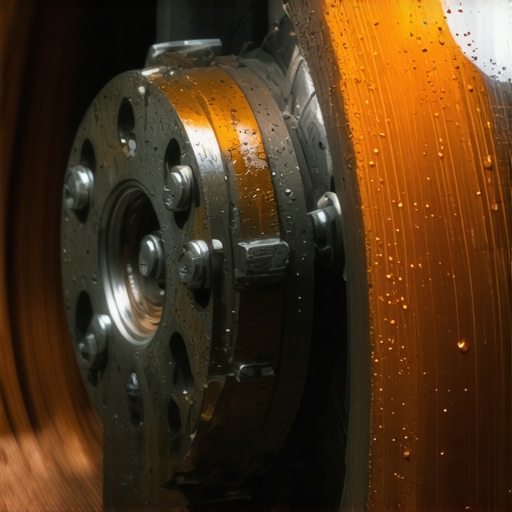
I just got back from a week-long camping trip, and as I hopped into my sedan, something felt… off. I turned the key, the engine hummed to life, and I pressed the brake to shift into reverse. My foot didn’t hit a solid wall of resistance. Instead, it sank. It felt like I was stepping on a wet marshmallow. It’s a specific kind of dread that crawls up your spine. You’re just trying to get home, but your car seems to have developed a mind of its own while sitting in the driveway. I panicked. I really did. In my early days of DIY wrenching, I’d have assumed the worst and started pricing out a whole new braking system. I once spent $400 replacing a master cylinder when all I really needed was a twenty-dollar bottle of fluid and a proper bleed. Don’t make that same mistake. We are going to figure out exactly why a week of stillness turns your firm pedal into a soggy mess and how you can fix it without a tow truck.
Your Brake Pedal Should Not Feel Like a Marshmallow
The reality is that your car is a living, breathing machine—even when the ignition is off. When you leave a vehicle sitting, especially in humid climates, things start to happen behind the scenes. We often think of brakes as a closed, invincible system, but moisture is a sneaky thief. According to the National Highway Traffic Safety Administration, brake fluid is hygroscopic, which is just a fancy way of saying it drinks moisture from the air like a sponge. When that water gets in, it lowers the boiling point of your fluid and creates air pockets. If you’ve noticed that your brake pedal goes all the way to the floor in traffic or even just after a short rest, you’re likely dealing with air or contaminated fluid. It matters right now because ignoring a soft pedal is like ignoring a frayed skydiver’s parachute—it might work once more, but you really don’t want to test the limits.
Is a little bit of air really worth the repair bill?
You might be skeptical. You might think, ‘Hey, it still stops eventually, right?’ That is a dangerous game to play. A soft pedal is the first warning sign of a hydraulic failure. I’ve learned the hard way that understanding brake system repairs early saves you from the terrifying moment where the pedal doesn’t come back up at all. If you see that your brake fluid looks like coffee creamer, you aren’t just looking at old oil; you’re looking at a system that is actively failing to protect you. We’re going to walk through the diagnostics together, from checking for microscopic leaks to debunking the most common brake service myths that keep people from fixing their own cars. Have you ever hopped into your car after a vacation only to find the brakes had gone soft on you? Stick with me, because we’re going to get that firm, safe response back under your foot.First, we need to rule out obvious external leaks. Think of your brake lines as the arteries of your car; if there’s a puncture anywhere, the hydraulic pressure drops instantly. Grab a flashlight and look behind each wheel for wet spots on the inner tire walls or the ground. One time, I spent twenty minutes pumping the pedal in my old driveway only to realize I’d left a puddle of DOT 3 under the rear passenger side because a rubber hose had dry-rotted while I was on vacation. If everything looks dry, move your attention to the reservoir under the hood.
Inspect the Fluid Before You Reach for the Wrench
Pop the hood and look at the reservoir level. If the level is low, do not just top it off and assume the job is done. Why your brake fluid levels keep dropping without a visible leak is usually down to two things: either your pads are extremely worn, which forces the calipers to stay extended, or there is an internal leak you haven’t found yet. If the fluid is dark or cloudy, you are looking at moisture contamination. Maximize your car’s lifespan with expert tune-up strategies by flushing that old fluid out every two years, regardless of your mileage. This prevents the internal corrosion that turns a simple maintenance task into a full system overhaul.
The Gravity Bleed Strategy for Solo Mechanics
If you do not have a buddy to pump the pedal while you open the valves, gravity is your best friend. Loosen the bleeder screw on the wheel furthest from the master cylinder—usually the rear passenger side—and let it weep into a catch can. It is a slow process, like waiting for a massive file to download on slow internet, but it is incredibly effective for removing stubborn air bubbles. Just ensure you never let the reservoir run dry during the process, or you will suck in even more air and have to start the entire process over.#IMAGE_PLACE_HOLDER_B#
Test for Internal Leaks When the Outside Stays Dry
Sometimes the leak is invisible because it is happening entirely inside the master cylinder. If you hold the brake pedal down firmly while stopped and it slowly, almost imperceptibly, sinks toward the floor, the internal seals are likely bypassing fluid. You can learn how to tell if your master cylinder is failing internally by performing a stationary pressure test. I once ignored this on an old project truck, thinking the ‘squish’ was just part of its character, until I had to use a gravel shoulder to stop at a red light. Don’t be like younger me; check the seals now.
Finish With a Proper Bedding Procedure
Once you have purged the air and the pedal feels like a firm, reassuring handshake again, do not just floor it into heavy traffic. You need to ensure the pads and rotors are synchronized. Follow the proper way to break in new brake pads and rotors to prevent glazing the friction surfaces. A few controlled, medium-pressure stops from 40 mph down to 5 mph will transfer a thin layer of material and ensure that the next time you need to stop suddenly, the car responds exactly as it should.
The Hidden Trap of ‘Lifetime’ Warranty Parts
One of the most persistent brake service myths is that if you buy ‘lifetime’ pads, you are set for the life of the car. In reality, those pads are often made of extremely hard friction compounds that save the pad but eat your rotors for breakfast. I have seen enthusiasts spend hundreds on premium rotors only to ruin them with cheap, ‘lifetime’ ceramic pads that did not provide enough thermal dissipation. True expertise isn’t just about changing parts; it is about matching the friction material to your driving style. If you are hearing unsettling noises, there is often the only way to fix grinding brakes without replacing rotors: a meticulous cleaning of the carrier brackets and slide pins. #IMAGE_PLACE_HOLDER_C#
Why Your Hardware Matters More Than Your Pads
When you are deep into an auto repair, it is easy to focus on the big components. But here is the nuance: your brake calipers need to float perfectly. If your slide pins are bone-dry or pitted with rust, your new pads will wear unevenly, and you will be right back in the driveway with a soft pedal in six months. Always use a high-temp silicone-based grease—never petroleum-based lubricants, which swell rubber boots and seize the entire system. I once made the mistake of using ‘whatever was on the shelf,’ and three weeks later, my passenger-side brake was smoking because the piston could not retract. Proper lubrication is an essential part of any car service checklist if you want to avoid premature failure.
Does high-performance brake fluid actually shorten your stopping distance?
This is a common point of confusion for those looking to tune-up your car for peak performance. The short answer is no—not for a single stop. High-performance fluid has a higher boiling point, which prevents ‘fade’ during repeated heavy braking, but it does not magically make your calipers squeeze harder. In fact, many racing fluids are more hygroscopic than standard DOT 3, meaning they require more frequent flushing to prevent moisture buildup. Most drivers should stick to their manual’s specs but shorten the interval if they live in humid areas. For most of us, ignoring the schedule is the real danger, especially regarding the truth about 10,000-mile oil change intervals. According to the Car Care Council, nearly 80 percent of vehicles on the road are overdue for maintenance because drivers underestimate the ‘severe’ nature of stop-and-go traffic. We often think we are driving under ‘normal’ conditions, but short trips, idling, and extreme temperatures require much more frequent attention to keep the hydraulic and engine systems safe. Have you ever fallen into the ‘it can wait another 5,000 miles’ trap? Let me know in the comments below.If you are tired of the two-person ‘pump and hold’ routine, it is time to invest in a Motive Products Power Bleeder. I spent years shouting through garage doors to my wife or kids, hoping they didn’t lift their foot too early. That tool changed everything for me. It uses a pressurized tank to push fresh fluid through the lines from the reservoir down, meaning you can bleed the entire system solo in about fifteen minutes. If you’re still chasing that firm feel, look into the fix for a soft brake pedal that mechanics keep missing. Professional results require professional-grade consistency, and pressure bleeding is the only way to ensure 100 percent of the air is purged from modern ABS modules. According to technical bulletins from Akebono Brake Corporation, even a microscopic variation of 0.0005 inches in rotor thickness or lateral run-out can lead to significant pedal pulsation within a few thousand miles. This is why I always use a dial indicator to check my rotors after installation. It might seem like overkill, but it is the difference between a job that lasts three years and one that needs re-doing in six months. #IMAGE_PLACE_HOLDER_D#
Your Torque Wrench Is Not Optional
I see too many guys tightening lug nuts with an impact wrench and calling it a day. Over-torquing wheel bolts is the fastest way to warp a brand-new rotor. The uneven pressure creates heat spots that lead to ‘DTV’ or Disc Thickness Variation. Every time I finish a understanding brake system repairs session, I reach for a calibrated torque wrench to hit the exact manufacturer specs. It isn’t just about the wheels; the caliper bracket bolts need that same level of precision. If they vibrate loose, you’re looking at a catastrophic failure at 70 mph.
How do I keep my braking system sharp for the next 100,000 miles?
Consistency is your best friend here. Beyond the hardware, I recommend a full fluid flush every 24 months. Moisture is the silent killer of internal seals. To maximize your cars lifespan with expert tune-up strategies, you have to treat the brake system as a chemical environment, not just a mechanical one. As we move closer to the future of driving, auto repair trends to watch in 2025 suggest that braking is becoming more integrated with software and sensors. Modern Emergency Braking systems rely on your hydraulics being perfect. This is why you need to know how to tell if your local mechanic actually has the tools for a proper adas calibration. If they don’t, your car might ‘see’ an obstacle but fail to apply the pressure correctly because of mechanical lag. My challenge to you: next time you’re under the car, don’t just look at the pads. Pull the slide pins, clean them with brake parts cleaner, and apply a fresh coat of high-temp silicone grease. It takes ten extra minutes and can double the life of your friction materials.
The Hardest Lessons I Learned from a Lifetime of Spongy Pedals
The biggest ‘lightbulb moment’ I ever had was realizing that air in the lines is rarely the whole story. I used to think a quick bleed was a universal cure, but the fix for a soft brake pedal that mechanics keep missing often involves the internal seals of the ABS pump or the master cylinder bypass. Another hard truth? Moisture doesn’t just lower the boiling point of your fluid; it physically corrodes the piston walls from the inside out while the car sits idle. If you’ve been troubleshooting common auto repair issues before visiting the shop, always remember that ‘soft’ usually means ‘saturated’ when it comes to old fluid. I once ignored a slightly low reservoir for a month, only to find that the moisture had turned my rear calipers into blocks of rust. Don’t assume ‘out of sight’ means ‘out of danger’ when it comes to hydraulics.
My Non-Negotiable Toolkit for Every Brake Job
If you are serious about maintaining your own vehicle, there are a few items I trust implicitly. First, the Motive Products Power Bleeder is the only reason I still enjoy doing this work solo. It eliminates the risk of over-extending the master cylinder seals during the traditional ‘pump and hold’ method. Secondly, I never touch a wheel without practicing the proper way to torque wheel bolts without a manual to ensure I don’t warp my expensive new rotors. Finally, always keep a jar of high-temp silicone grease on your workbench. Falling for common brake service myths about using standard chassis grease on slide pins will result in seized calipers every single time. Trust the chemistry, not the ‘one-size-fits-all’ labels.
Take Back Control of Your Stopping Power
Your safety is worth the extra ten minutes of inspection. Every time you perform a comprehensive brake service, you aren’t just maintaining a machine; you’re ensuring peace of mind for yourself and your passengers. A firm pedal is a sign of a healthy, closed system that is ready for an emergency. Don’t let a week of inactivity turn into a month of mechanical dread. Get under the hood, check those levels, and feel the confidence of a rock-solid stop once again. Have you ever stepped on the pedal after a vacation and felt that terrifying ‘marshmallow’ sink to the floor? Let me know what you found in the comments below!