
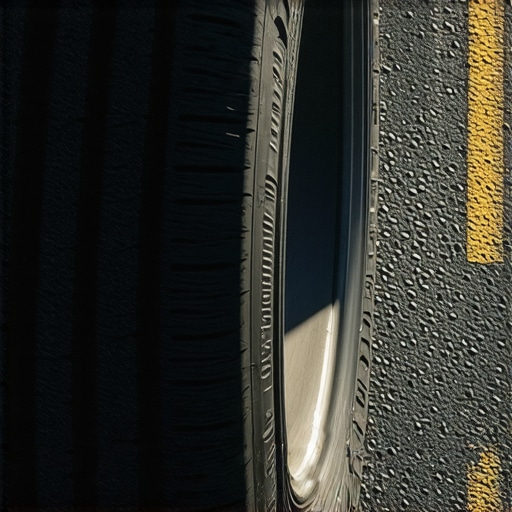
I remember a rainy Tuesday afternoon about three years ago, white-knuckling the steering wheel of my crossover. Every time I hit 55 mph, I felt this annoying, rhythmic vibration that made me wonder if a wheel was about to fly off. I kept correcting to the left just to stay in my lane, and by the time I reached home, my shoulders were in knots. I made the classic rookie mistake: I assumed it was just a “rough road” or maybe a lost wheel weight. I ignored it until I looked at my front tires and saw the inner tread was worn down to the wires. I’d basically set $500 on fire because I didn’t know how to tell if my car needed an alignment or new tires.
Stop Fighting Your Steering Wheel Every Mile
If you’re reading this, you probably feel like your car is subtly trying to steer itself into a ditch. It’s frustrating, right? You pay for a vehicle to go where you point it, not to wander like a distracted toddler. Today, I want to walk you through the real-world signs of a bad alignment so you don’t repeat my expensive mistakes. We’re going to dive into the physical sensations, the visual cues on your rubber, and why “feeling it out” is often better than waiting for a dashboard light that will never come on.
Is a Professional Alignment Really Worth the Hype?
I get the skepticism. Shops love to up-sell you on every little thing, and you might think a slight pull is just “character” for an older car. But here’s the reality: even a tiny deviance in your wheel angles can drop your fuel efficiency by up to 10%, according to data from tire experts at Bridgestone. It’s not just about comfort; it’s about your wallet and your safety. If you’ve ever wondered why your steering wheel feels loose after an alignment or if you should just ignore that vibration, you’re in the right place.
Watch for These Subtle Warning Signs
The most obvious symptom is the “pull.” If you let go of the wheel on a flat, empty road, does the car immediately dive toward the curb? Sometimes, it’s more specific, like why your car pulls to the right only when accelerating. This isn’t just an annoyance; it’s a sign that your suspension components aren’t playing nice together. Another big one is the steering wheel position. When you’re driving straight, is the logo in the center of your wheel tilted to the side? If so, your car’s “center” is off. I once ignored a crooked wheel for six months, thinking it was just a cosmetic quirk, but it was actually a sign that my tie rods were crying for help. Before you head to the shop, it’s worth checking a comprehensive car service checklist to see if other maintenance is overdue. Have you noticed your car drifting lately, or are you seeing weird wear patterns on your tires? Drop a comment below and let me know—I’ve probably dealt with the same headache!
Spot Tread Damage Like a Mechanic
Imagine your car’s wheels are like a marathon runner’s feet. If the runner tilts even slightly to one side, their shoes won’t wear evenly, and they’ll end up with a hip injury. Your car is the same. To find out if you’re in trouble, you need to look at your tires from a bird’s-eye view. Run your hand across the tread. If it feels smooth in one direction but sharp or “jagged” in the other, you’ve got “feathering.” This is a classic sign that your “toe” setting is out of whack. I once ignored a slight sawtooth pattern on my rear tires after a weekend of heavy towing, thinking it was just the extra weight. Two months later, the road noise was so loud I thought my transmission was dying. It wasn’t—the tires were just cupped and ruined.
The Quarter Test Doesn’t Lie
While everyone talks about the penny test, use a quarter for better accuracy. If you can see the top of Washington’s head when the coin is upside down in the tread, your tires are dangerously low. But more importantly, check the inner edge versus the outer edge. If the inside is bald while the outside looks new, your “camber” is off—your tires are basically leaning inward like they’re trying to hide. This often happens alongside other issues, so it’s worth knowing how to read the date code on your tires to see if they’re just too old to hold a shape anyway.
Don’t Let Your Suspension Sabotage Your Steering
Sometimes the pull isn’t about the wheels at all; it’s about the parts holding them up. You can perform the simple test for worn out shocks using your own body weight by pushing down hard on each corner of the car. If it bounces more than twice, your alignment won’t stay true because your suspension is too “mushy.” Think of it like trying to draw a straight line while someone shakes your desk. No matter how good the pen is, the line will be crooked.
Check These Three Parts Before Paying for an Alignment
Before you drop money at the shop, do a quick “shake test” on your front end. With the car jacked up, grab a wheel at the 3 and 9 o’clock positions and wiggle it. If there’s play, your tie rods are toast. If it wiggles at 12 and 6, your ball joints are likely the culprit. You should also take a peek at the CV boots. Learning how to spot a bad cv axle before it snaps can save you from a catastrophic breakdown on the highway. If you feel a rhythmic shaking rather than a constant pull, check out the real reason your car vibrates at exactly 55 mph—it might be a balance issue rather than alignment.
Combine Your Alignment with a Full System Check
Alignment shouldn’t happen in a vacuum. It’s the perfect time to tune up your car for peak performance by checking your air filters and fluid levels. While the mechanic has your car on the rack, ask them to glance at your brakes. Many people fall for brake service myths, but a simple visual check of the pads while the wheels are off for the alignment is free and keeps you safe. A car that’s perfectly aligned but has failing brakes is just a well-aimed projectile.Let’s dig deeper into the stuff that even the self-proclaimed ‘car people’ in your life might get wrong. Everyone says modern vehicles are ‘maintenance-free,’ but in my experience, that label is just a slow-motion death sentence for your engine. Manufacturers love to brag about the truth about 10000 mile oil change intervals, but if you’re doing heavy stop-and-go driving in the summer heat, that oil is chemically broken down long before you hit five figures. I’ve seen engines with ‘lifetime’ timing chains snap prematurely because the owner didn’t realize that heat and friction don’t care about what’s written in a marketing brochure. According to the Car Care Council, neglected maintenance consistently leads to higher repair costs and lower resale value, yet many drivers still skip the basics because they’ve been conditioned to wait for a warning light.
The Myth of Maintenance-Free Driving
The ‘maintenance-free’ promise is one of the most successful marketing ploys in automotive history. It sells cars to people who hate chores, but it doesn’t build long-lasting machines. To truly maximize your cars lifespan with expert tune up strategies, you have to look past the basic dashboard reminders. For instance, most people think a ‘tune-up’ is a specific list of parts, but in reality, it’s a diagnostic philosophy. It’s about checking for vacuum leaks, testing sensor responsiveness, and ensuring your fuel system isn’t choking on carbon deposits before they turn into a check engine light.
Do You Really Need a Full Transmission Flush?
This is where shops often make their biggest margins, and it’s a topic of intense debate among mechanics. They’ll tell you that you need a pressurized flush to get every drop of old fluid out, but here’s the contrarian view: on high-mileage cars that haven’t been meticulously maintained, a high-pressure flush can actually dislodge hidden debris that was happily settled in a corner, suddenly clogging the fine valves in your transmission. I always recommend understanding the real difference between a transmission flush and a drain and fill before saying yes to the service. A simple drain and fill is gentler and far less likely to cause a ‘shudder’ the next day. Experts at ASE (Automotive Service Excellence) often note that over-servicing with the wrong methods can be just as damaging as under-servicing.
Stop Ruining Your New Brakes on the First Drive
Another massive trap is the way we treat fresh components. You drop hundreds on a brake job, drive off the lot, and suddenly you smell something burning. Don’t panic—it’s usually just the protective resins curing. However, the ‘oops’ factor here is skipping the bedding process. If you don’t follow the proper way to break in new brake pads and rotors, you’ll end up with uneven pad transfer. This creates high spots that feel like a warped rotor but is actually just the result of a lazy first drive. Knowing the real reason your new brake pads are smoking can save you a return trip to the shop and a lot of embarrassment. It is also vital to separate fact from fiction when it comes to brake service myths, like the idea that squealing always means you need new pads.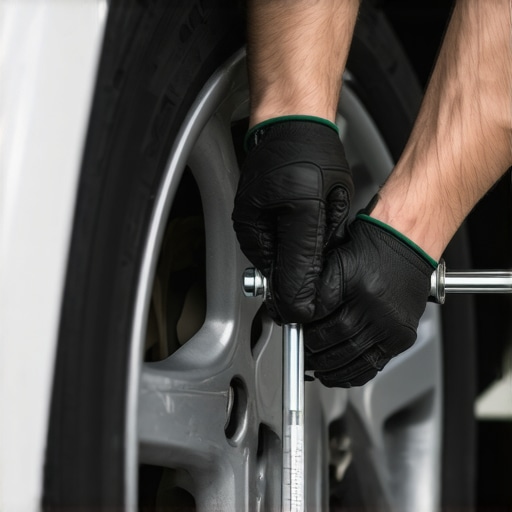
Don’t Overtighten Your Way to a Costly Repair Bill
One more thing before you pick up the wrench for a DIY project: watch your torque. I’ve seen countless DIYers snap a wheel stud or strip a drain plug because they thought ‘tight’ meant ‘jump on the breaker bar.’ Using the proper way to torque wheel bolts without a manual is a skill that separates the hobbyists from the pros. It’s all about consistency and using the right sequence, not brute strength. Maintenance is a precision game, not a game of ‘close enough.’ Have you ever fallen into this trap or been talked into a service you didn’t actually need? Let me know in the comments—I’d love to hear your shop horror stories!
Stop Guessing and Start Scanning
I used to be the guy who would stare at a check engine light like it was a cryptic message from the gods, half-expecting my car to explode at any second. That changed the day I spent $20 on a basic Bluetooth OBD-II scanner. If you’re still taking your car to a big-box store just to have them ‘read the code’ and sell you a part you might not need, you’re playing the game on hard mode. I personally use a scanner paired with an app like Car Scanner ELM OBD2 because it lets me see real-time data, like short-term fuel trims and oxygen sensor voltages. This is how you catch a failing sensor before it ruins your fuel economy. In fact, knowing how regular tune ups improve fuel efficiency and safety starts with understanding what your engine is actually whispering through those data ports.

How do I maintain my vehicle’s peak performance over time?
The real secret to longevity isn’t a magic additive or a special brand of gasoline; it’s consistency and the ‘ears-on’ approach. I make it a habit to perform a deep-dive inspection every six months. I’m not just looking at the oil; I’m checking for vacuum leaks using a simple unlit cigar or a smoke machine—a trick I learned from an old-school master tech. If your engine is stumbling, you might not need a new fuel system; you might just need to learn how to diagnose a bad fuel pump with a rubber mallet to see if the motor is just physically stuck. According to the technical documentation from the Society of Automotive Engineers (SAE) regarding the J1979 diagnostic standard, modern ECUs are capable of tracking ‘pending’ codes that don’t trigger a light yet. Checking these weekly is the secret to getting 200000 miles out of your original engine.
The Future of Your Garage is Wireless
As we look at auto repair trends to watch in 2025, it’s clear that the ‘grease monkey’ era is being augmented by the ‘data analyst’ era. We’re moving toward predictive maintenance where your car will likely email you a shopping list of parts before they actually break. But until that becomes standard for every budget crossover, you need to stay proactive. Don’t wait for a breakdown to get familiar with your engine bay. Try this advanced tip this weekend: remove your intake boot and check for carbon buildup. Taking ten minutes to realize the hidden benefit of cleaning your mass air flow sensor can restore lost horsepower and smooth out a jumpy idle for less than the cost of a cup of coffee.
The $1,200 Mistake I Finally Stopped Making
Looking back at my years under the hood, the biggest lightbulb moment wasn’t a technical fix—it was realizing that my car is constantly talking to me. For a long time, I treated every squeak or pull as a ‘next month problem.’ That procrastination is what leads to those massive, four-figure repair bills that catch you off guard. I’ve learned that a $150 alignment is a bargain compared to buying four new tires because you ignored a slight drift. Another hard lesson? Don’t be afraid to ask for your old parts back. Seeing a worn-out ball joint or a clogged filter with your own eyes helps you understand exactly what went wrong and how to prevent it next time.
#IMAGE_PLACEHOLDER_E#
The Tools That Rescued My Budget
If you’re ready to stop being a passive passenger and start being an informed owner, you need a few core resources in your corner. First, I never start a season without checking a comprehensive car service checklist. It keeps the chaos organized and ensures nothing slips through the cracks during a busy week. Second, I highly recommend investing in a mid-range torque wrench; it’s the difference between a safe drive and a snapped bolt that ruins your day. Third, bookmark the ultimate car service guide to know exactly when to push back on shop recommendations that feel a bit too aggressive. Finally, use digital communities and visual guides to see exactly what a specific repair looks like before you commit your hard-earned cash.
Take the Keys Back from Your Car
Taking charge of your vehicle’s health doesn’t mean you have to become a master mechanic overnight. It just means paying attention and being proactive. Whether you’re troubleshooting common auto repair issues at home or just making sure you’re understanding brake system repairs before signing a work order, you are building a safer, more reliable ride. Your car is likely one of your biggest investments; treating it with proactive respect through regular car service isn’t just maintenance—it’s financial freedom and peace of mind on every highway. Have you ever had a minor vibration or sound turn into a major repair because you waited just a week too long? Let me know in the comments below—I’d love to hear how you handled it!