
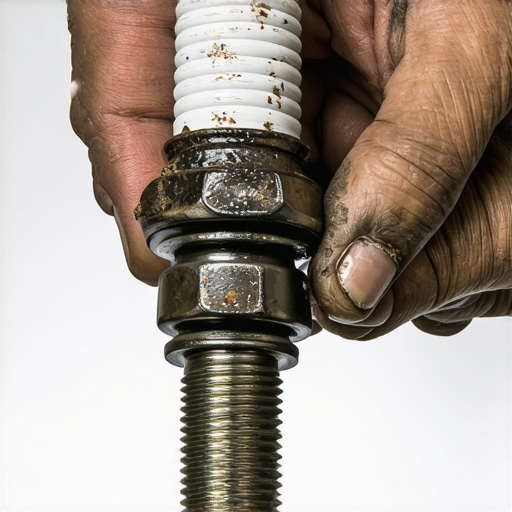
It was a rainy Tuesday morning when my old sedan decided to play a game of mystery vibrations. I was pulling onto the highway, trying to merge, and the car just hesitated. It felt like the engine was trying to run through a bucket of molasses. My first thought? There goes the transmission. I panicked and almost called a tow truck, but a neighbor reminded me that sometimes the smallest parts cause the biggest headaches. That is when I realized I had not performed a proper tune up in nearly three years. If you have ever felt that sudden loss of power, you know the sinking feeling in your gut. Today, I want to share the exact signs I missed so you do not end up stuck on the shoulder of the road.
My Car Was Choking and I Almost Blamed the Fuel Pump
Early in my DIY days, I made a massive mistake. I once replaced an entire oxygen sensor and a mass airflow sensor—costing me nearly $300 and a whole weekend—only to find out a $10 set of spark plugs was the real culprit. I learned the hard way that a rough idle after a cold start isn’t always a catastrophic engine failure; often, it is just carbon buildup or oil fouling choking out your spark. It is embarrassing to admit, but ignoring the basics is the fastest way to empty your wallet. Have you ever spent money on a major repair only to find out it was something small and simple?
Is it really just the plugs or am I looking at a total engine rebuild?
It is the question that keeps every car owner up at night. We see a flickering check engine light or feel a shudder and immediately start calculating the cost of a new vehicle. But here is a secret: spark plugs are the canary in the coal mine for your engine. According to the Car Care Council, neglecting simple ignition components like plugs can drop your fuel economy by as much as 30% and cause misfires that eventually destroy your expensive catalytic converter. Learning to spot these signs early is how you save hundreds on your next major service.
The Tell-Tale Shudder That Means Your Plugs Are Done
If you have ever felt like your car is hiccuping while sitting at a red light, you know exactly what I am talking about. This is not just old car charm. It is a cry for help. Sometimes, humid weather makes bad plugs even worse because the moisture in the air makes it harder for a weak spark to jump the gap. When those plugs get coated in oil or carbon, they cannot ignite the fuel-air mixture consistently. You end up with a car that feels like it is gasping for air every time you step on the gas. Let us dive into the five specific red flags that tell you it is time to grab a socket wrench and get to work.
Stop Fearing the P0300 Misfire Code
When your dashboard starts blinking like a Christmas tree, it is usually the P0300 random misfire code trying to ruin your day. This is where most people give up and hand over their credit card, but troubleshooting common auto repair issues before visiting the shop can save you a fortune. Start by checking the ignition coils. Think of the coil as a tiny lightning generator; if it is cracked, that lightning escapes before it reaches the plug. I remember a time I spent hours chasing a ‘fuel’ problem on an old truck, only to find a hairline crack in the #4 coil that only acted up when the engine got hot. Learning what a p0300 code really means for your wallet is the first step in taking control of your car’s health.
Pull the Plugs and Read the Tea Leaves
Once you have the coils off, pull the spark plugs. They are essentially the storytellers of your engine’s internal health. A healthy plug should look a bit like toasted marshmallow—light tan or gray. If it is black and sooty, you are running too ‘rich’ (too much gas). If it is white and blistered, things are getting too hot. This visual check is how you maximize your cars lifespan with expert tune-up strategies. 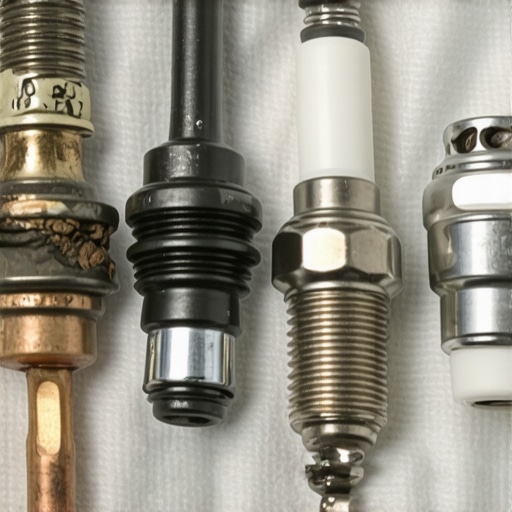
Find Invisible Air Leaks with a Cheap Cigar
Sometimes the rough idle isn’t the plugs at all, but a vacuum leak. These are notoriously hard to find because the cracks in the rubber hoses can be microscopic. My favorite low-tech hack? Use a cigar. Blow smoke into a disconnected vacuum line and watch where it drifts out. It sounds ridiculous, but learning how to detect a small vacuum leak using a simple cigar is a trick old-school mechanics have used for decades to find ‘ghost’ leaks that smoke machines at shops cost $500 to identify. Fix those leaks, and you will solve the mystery of why your car hesitates during high speed merging.
Lock Down Your Performance with Proper Gapping
When you finally go to install those new plugs, do not trust the ‘pre-gapped’ promise on the box. I once dropped a new plug right onto the concrete garage floor, which closed the gap completely. I didn’t check it, installed it, and the car ran worse than when I started. It was a frustrating lesson in patience. Use a gap gauge to ensure the distance between the center and side electrodes is exactly what your manual specifies—usually between 0.028 and .060 inches. This precision is the secret to how to save 500 on your next major service. Think of the gap like a jump for a dirt bike; if it is too far, the bike won’t make it, and if there is no gap at all, there is no room for the ‘fire’ to start.Most people believe that buying the most expensive performance parts will magically solve every drivability issue, but here is a contrarian truth: a $200 set of carbon-ceramic brake pads installed incorrectly will perform worse than a $40 set installed with precision. The biggest mistake I see DIYers and even some budget shops make is the infamous ‘pad slap.’ They swap the friction material but ignore the slide pins and the rotors. If you do not grease those pins with high-temp silicone paste, your new pads will drag, overheat, and wear out in months. This is one of those brake service myths that keeps the big repair chains in business while draining your bank account. Then there is the ‘Oops’ factor that almost cost me a set of wheels. I used to think ‘tight is tight’ when it came to lug nuts, often leaning on a lug wrench until I heard a metal-on-metal creak. This is a massive trap. Over-tightening lug nuts unevenly is the primary cause of pedal pulsation. You are not actually warping the thick cast-iron rotor with heat; you are distorting the hub flange itself. Mastering the correct way to torque lug nuts to prevent rotor warping is the secret difference between a smooth stop and a steering wheel that shakes your teeth out.
Why does my car feel heavy even after a full engine service?
Often, we look at the engine when the problem is actually rolling resistance. If your calipers are sticking—even slightly—it is like driving with the parking brake on. According to data from the National Institute for Automotive Service Excellence (ASE), technician errors in basic lubrication and cleaning are a leading cause of premature component failure in high-mileage vehicles. This is not just about the engine; it is about the entire ecosystem of the vehicle. If you have noticed why your brake fluid looks like coffee, your entire hydraulic system is likely compromised by moisture. This moisture lowers the boiling point of the fluid, causing a spongy pedal that no spark plug or air filter change can fix. 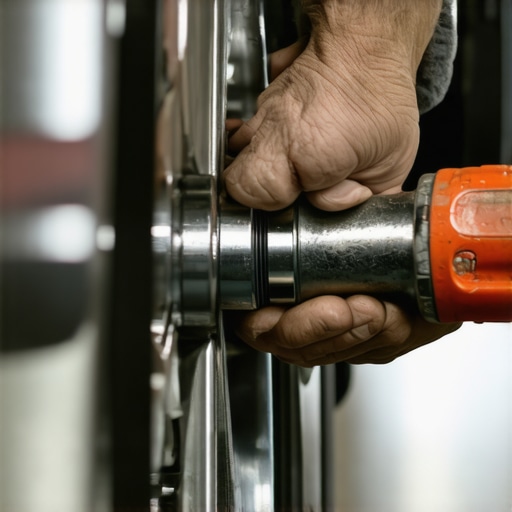 Do not fall for the ‘lifetime fluid’ lie either. Manufacturers love to claim transmission or differential fluids last forever because it lowers the perceived cost of ownership for the first three years of a lease. However, if you want to maximize your cars lifespan with expert tune-up strategies, you need to ignore that manual and change those fluids every 50,000 to 60,000 miles. I have seen ‘lifetime’ fluid come out looking like liquid coal. It is the same reason the truth about cheap brake pads and noise is so often ignored—people want the quick fix, not the right one. Following the ultimate car service guide means looking past the marketing and focusing on the mechanical reality of friction and heat. Have you ever fallen into this trap? Let me know in the comments.
The biggest hurdle to successful DIY auto repair isn’t a lack of talent—it is a lack of the right information at the right moment. I spent years throwing parts at problems because I didn’t have a way to talk to my car’s computer. If you want to stop the guessing game, you need a decent OBD-II scanner. I’m not talking about a thousand-dollar professional rig; even a twenty-dollar Bluetooth dongle paired with a diagnostic app can save you a trip to the dealer. This is exactly how I began troubleshooting common auto repair issues before visiting the shop, and it turned a stressful ‘Check Engine’ light into a five-minute sensor swap.
The Toolkit That Actually Saves Your Sanity
Beyond the scanner, the most important tool in my garage is a click-type torque wrench. Most people think they can ‘feel’ when a bolt is tight enough, but when it comes to your brakes or engine head, ‘close enough’ is a recipe for disaster. Uneven pressure on your wheels is the hidden culprit behind many vibration issues. I finally stopped experiencing steering wheel wobble once I learned the correct way to torque lug nuts to prevent rotor warping. Precision is the difference between a repair that lasts a week and one that lasts a decade. I also recommend keeping a dedicated notebook in your glovebox. Tracking every proper tune up and oil change creates a paper trail that adds massive value if you ever decide to sell.

How do I keep my car running past the 200,000-mile mark?
Reaching high mileage isn’t about luck; it’s about mechanical sympathy. You have to listen to the machine. According to SAE International (Society of Automotive Engineers) standard J1703, the chemical stability of brake fluid is critical because moisture absorption can lower the boiling point by over 100 degrees Fahrenheit in just a few years. This degradation is why I am so adamant about flushing systems regularly. When you follow a rigorous car service checklist, you are preventing the slow internal rot that kills most vehicles. This proactive mindset is the truth about why my car finally hit 200,000 miles without a single major breakdown. It involves checking things people usually ignore, like the health of your cooling fans or the state of your CV boots before they actually snap.
The Future of DIY is More Connected Than Ever
As we look toward 2025, the trend in auto repair is shifting toward predictive maintenance. We are moving away from ‘fix it when it breaks’ toward ‘fix it because the data says it’s about to fail.’ Modern cars are essentially rolling computers, and staying ahead of the curve means embracing these digital diagnostics. You can see this evolution in the latest auto repair trends to watch in 2025, where remote diagnostics and even augmented reality repair guides are becoming accessible to the average driver. The barrier to entry for complex repairs is dropping, but the need for precision remains the same. If you want to maximize your cars lifespan with expert tune-up strategies, you have to be willing to use these new tools alongside traditional mechanical skills.
If you have a mystery noise coming from under the hood right now, don’t just turn up the radio. Try one of my favorite advanced diagnostic hacks: the water spray test. It is the fastest way to confirm if that annoying chirp is a belt or a bearing. You can learn exactly how to fix a squealing belt using the water spray test in under five minutes. Taking that one small step today could prevent your serpentine belt from snapping on the highway tomorrow. Consistency is the secret sauce to a reliable ride.
The Hardest Lesson I Learned While Chasing Engine Ghosts
Over the years, I have realized that the loudest part is rarely the problem. I once spent three days trying to diagnose a rhythmic knocking sound that I was convinced was a rod bearing failure, only to find out it was a loose plastic fan shroud. The lesson? Always start with the simplest, cheapest fix first. I have saved a fortune by learning how an honest brake inspection saved me hundreds simply by taking the time to look for stuck slide pins before buying new calipers. Another lightbulb moment was realizing that ‘cleanliness is a performance metric.’ A dirty engine bay hides leaks; keeping things wiped down allows you to spot the best way to spot an oil leak early before it becomes a puddle on your driveway. Finally, never underestimate the power of a proper seal. Whether it is a gas cap or a vacuum line, air belongs where it belongs, and escaping air is the enemy of a smooth idle.
My Go-To Kit for Keeping a High-Mileage Beast Alive
If you want to move beyond basic oil changes, you need a few items that the standard ‘tool kit’ won’t include. First, I never start a weekend project without a set of flare nut wrenches. They wrap around brake lines much better than standard wrenches, preventing you from rounding off the soft metal nuts—a mistake that turns a thirty-minute brake system repair into a nightmare. Second, I highly recommend the book How to Keep Your Volkswagen Alive by John Muir. Even if you do not drive an old Beetle, his philosophy of ‘mechanical sympathy’—understanding how parts feel and sound—is the best education a DIYer can get. Third, I always keep a tube of high-temp silicone grease on hand. It is the only thing that keeps rubber boots from cracking and is the secret to how to stop your brakes from grinding today by ensuring your pads move freely.
Your Road to 300,000 Miles Starts with One Bolt
Taking over your own car maintenance can feel intimidating, but remember that every master mechanic started with a single oil change. When you take the time to maximize your cars lifespan with expert tune-up strategies, you are not just saving money; you are building a relationship with the machine that carries your family safely every day. Do not be afraid to get your hands dirty or to ask for help when a bolt won’t budge. Following the ultimate car service guide is a journey, not a destination. Your car is a collection of systems that rely on each other, and with a little patience and the right tools, you can keep it humming for years to come. Have you ever spent a whole weekend fixing one tiny thing only to realize it was a blown fuse? Let me know your most ’embarrassing’ DIY save in the comments below!