
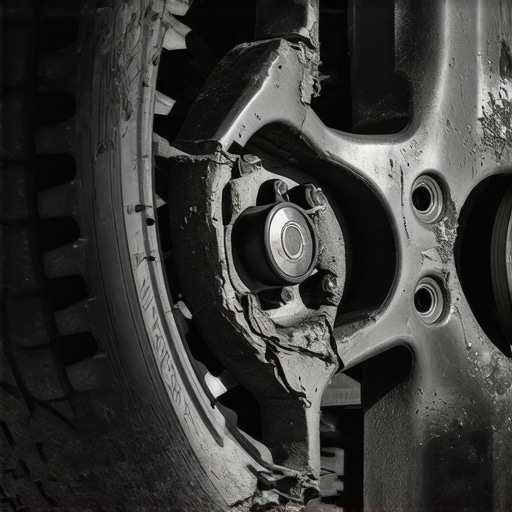
That rhythm. You know the one. It starts as a faint tap-tap-tap when you’re pulling into a parking spot, and before you know it, it sounds like someone is hitting your front wheels with a hammer every time you round a corner. I’ve been there. A few years back, I convinced myself that my old sedan just had a stubborn pebble caught in the tire. I even took the wheel off, poked around, and told my wife it was ‘fine.’ Spoiler alert: it wasn’t fine. I ended up stuck in a grocery store parking lot with a snapped CV axle and a towing bill that cost more than the repair itself. If you are hearing that metallic snapping sound now, you are likely dealing with a failing Constant Velocity (CV) joint. Today, I am going to help you troubleshooting common auto repair issues before visiting the shop so you can save your wallet and your sanity.
Stop Guessing and Start Listening to Your Wheels
Most people assume a clicking noise is just part of an aging car’s personality. It isn’t. When you turn the wheel and hear that rhythmic clicking, it is almost always the outer CV joint telling you its grease has leaked out and metal is now grinding against metal. It is a visceral, mechanical cry for help. I made the mistake of thinking I could just drive through it, but catching this early is the difference between a simple boot replacement and a full axle swap. You should take a second to inspect your own CV boots for small cracks before the damage becomes irreversible. If the boot is torn, dirt gets in and the grease gets out—that is the beginning of the end. Have you ever tried to ‘ignore’ a car noise only for it to turn into a four-figure repair bill?
Can I just wait until my next oil change?
It is tempting to put this off, especially if the car still drives straight. However, according to data from AAA, steering and suspension failures are among the top causes of roadside breakdowns that could have been prevented with basic maintenance. If that joint seizes, your wheel could literally stop receiving power, or worse, lock up entirely. This is why I always keep a car service checklist handy to catch these ‘hidden’ problems during my weekend garage sessions. Sometimes, the noise might even transition; you might wonder why your car grinds only when you turn the wheel, which usually means the bearings have joined the party of destruction. We are going to look at the exact steps to diagnose this at home using nothing but your ears and a flashlight.
Hunt for Grease Around the Wheel Wells
Before you even touch a wrench, you need to play detective with a high-powered flashlight. A CV joint is basically a complex ball-and-socket joint encased in a rubber accordion-style boot. That boot is packed with thick, high-pressure grease. I remember working on an old hatchback where I noticed a strange, dark spray inside the passenger-side wheel well. At first, I thought it was just road grime, and I almost looked up the secret to removing road tar without ruining your paint to clean it off. Luckily, I looked closer. That ‘tar’ was actually CV grease that had been flung out by centrifugal force through a tiny tear in the boot. Once that grease is gone, the joint is essentially bone-on-bone, and the clicking starts shortly after. You need to inspect your own CV boots for small cracks by turning the steering wheel all the way to one side and crawling underneath with your light. If you see grease on the brake caliper or the inside of the rim, the clock is ticking on that axle. 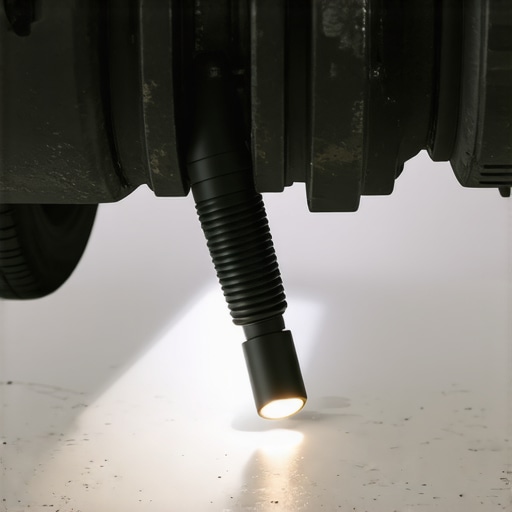
Identify the Splatter Pattern
If the boot looks intact but you still hear noises, don’t assume the joint is fine. Sometimes the clamps fail rather than the rubber itself. Think of it like a leaky juice box; even a pinhole can drain the whole thing under pressure. While you are under there, it is a great time to how to spot a leaking shock without using a lift, as suspension components often fail in pairs. If the boot is bone dry but the clicking is loud, the damage is internal and likely permanent.
Perform the Parking Lot Figure Eight
This is the gold standard for diagnosing outer CV joints. Find an empty parking lot, roll your windows down, and turn the steering wheel all the way to the lock in one direction. Drive in a tight circle at a slow, steady speed. If you hear a crisp, metallic ‘click-click-click’ that speeds up as the car moves, you have found your culprit. Then, do the same thing in the opposite direction. Usually, turning left loads the right-side joint and vice versa. If the sound disappears when you drive straight but screams when you turn, it is definitely the outer joint. If the noise is more of a constant growl regardless of steering angle, you should instead look into the secret to diagnosing a bad wheel bearing fast.
Check for Play in the Axle Shaft
Once you have the car safely on jack stands, grab the axle shaft itself and give it a firm shake. There should be almost zero back-and-forth movement towards the wheels. If it clunks when you pull it, the internal bearings are toasted. This is also the perfect moment to how to check your tie rod ends with minimal tools because a loose tie rod can mimic some of these symptoms. I once spent two hours diagnosing what I thought was an axle issue, only to find a tie rod end so loose it was practically held on by prayers. Save yourself the headache and check everything while the wheels are off the ground.
Let’s dig deeper into why these frontend noises often lead even the most seasoned DIYers astray. While that clicking CV joint is a clear-cut mechanical failure, the symptoms often overlap with deeper issues that people misinterpret. The biggest myth I see daily is the ‘warped rotor’ fallacy. Most drivers—and unfortunately, some shops—will tell you that if your car shakes when you slow down, your rotors have warped from heat. In reality, modern cast-iron rotors rarely warp during street use. What you are actually feeling is Disc Thickness Variation (DTV). According to experts at the Society of Automotive Engineers (SAE), this vibration is usually caused by uneven transfer of brake pad material onto the rotor surface, often triggered by a hub that wasn’t cleaned properly or a caliper that is sticking.
Stop Blaming Heat for Your Shaky Steering Wheel
I’ve watched guys spend hundreds on premium rotors only for the vibration to return three months later. Why? Because they fell for the most common of the brake service myths. If you don’t use a wire brush to remove the rust from the wheel hub before installing a new rotor, that tiny speck of rust creates a ‘runout’—a slight wobble—that wears the rotor unevenly every time you drive. It isn’t the heat; it is the installation. You have to ensure you are following the the correct way to torque lug nuts to prevent rotor warping, which means using a calibrated torque wrench, not just an air-powered impact gun. When a shop ‘ugga-duggas’ your wheels back on without a care, they are essentially crushing the rotor unevenly against the hub. 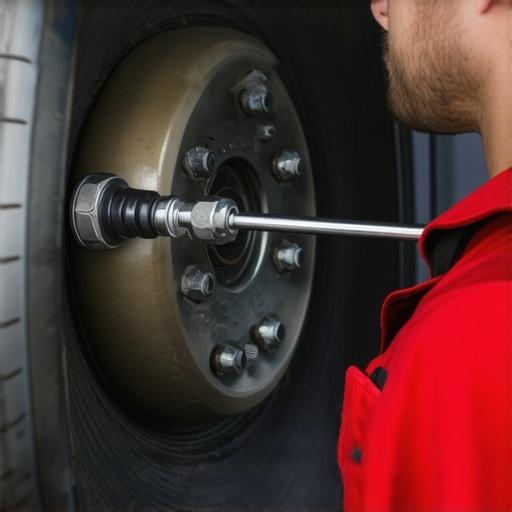
Why do my brand-new rotors feel like they are vibrating after only three months?
This is the classic ‘rebound’ failure. If you replaced the rotors but didn’t address a sticking slide pin or a failing CV joint that was already vibrating, the new parts are simply absorbing the old mechanical trauma. It is also why a simple ‘tune-up’ isn’t what it used to be. People think a tune up your car for peak performance just means new spark plugs. In my experience, a modern ‘tune-up’ must include a scan for fuel trim data and an inspection of the vacuum system. I once chased a ‘bad axle vibration’ for three days only to realize it was an engine misfire under load—the axle was fine, but the engine was shuddering so hard it felt like a mechanical failure in the wheels. You can maximize your cars lifespan with expert tune-up strategies by looking at the car as a whole system rather than a collection of individual parts.
Avoid the Trap of the Quick Fix
The most dangerous trap in auto repair is the ‘part-swapping’ mentality. If you hear a noise and immediately buy an axle without checking the bearings or the brakes, you’re playing a very expensive game of ‘guess and check.’ I always tell people that an extra thirty minutes of cleaning and measuring is worth more than a $200 part. Have you ever fallen into this trap of replacing a part only for the noise to stay exactly the same? Let me know in the comments. We have all been there at least once, and it is the best way to learn that the ‘nuance’ is where the real money is saved.
That nuance usually starts with the tools you keep in your chest. To really win at this DIY game, you have to stop relying on ‘feel’ and start relying on precision. I learned this the hard way after snapping a caliper bracket bolt because I thought my arm was a human torque wrench. Now, I never touch a brake job without my 3/8-inch drive digital torque wrench. If you are serious about following the correct way to torque lug nuts to prevent rotor warping, that tool is your best friend. It is the difference between a job that lasts five years and one that fails in five weeks.
Stop Stripping Bolts and Start Using Real Torque
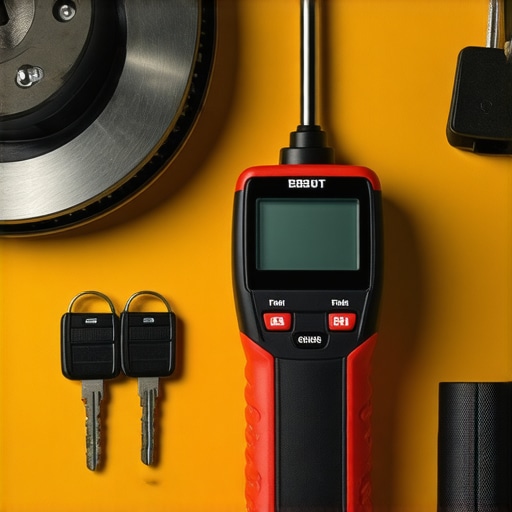
Precision is not just for engine builders; it is for anyone who wants to avoid the ‘rebound’ repairs I mentioned earlier. Beyond a torque wrench, a professional-grade OBDII scanner that can read live data streams is non-negotiable for a modern tune up your car for peak performance. While the cheap $20 scanners tell you the code, a good unit shows you exactly how the oxygen sensors are reacting in real-time. This level of detail is how I discovered how a simple tune-up fixed my mystery hesitation that three other shops couldn’t find. According to technical experts at the Mitchell 1 ProDemand database, hub runout exceeding 0.002 inches is enough to induce lateral disc runout, eventually leading to Disc Thickness Variation. You cannot measure that with your eyes; you need a dial indicator.
How do I keep my vehicle running like new for decades?
Consistency is the boring but honest answer. It is about moving from reactive repairs to a proactive rhythm. You need to transition from just ‘fixing things’ to following the ultimate car service guide religiously. For me, that means a deep dive into the wheel wells every time I rotate the tires. I look for the tiniest hint of moisture on the shocks or a hairline crack in a rubber line. When you maximize your cars lifespan with expert tune-up strategies, you are essentially preventing the small failures from cascading into a total system collapse. This is exactly the truth about why my car finally hit 200000 miles without a single major engine or transmission overhaul.
The Gear That Separates Amateurs From Pros
If you are looking to scale your garage skills, invest in a smoke machine. It sounds like overkill until you spend four hours hunting for a vacuum leak that turns out to be a tiny crack in a plastic T-fitting hidden under the intake manifold. I highly recommend trying the simple way to check for vacuum leaks with smoke before you ever consider replacing a sensor. It’s a visual confirmation that saves you from the part-swapping trap. Looking toward the future, auto repair trends to watch in 2025 suggest that cars will become even more dependent on software-defined maintenance. We are moving toward an era where your car might predict its own CV joint failure based on vibration sensors before you even hear the first click.
My challenge for you this weekend: Don’t just wash your car. Jack it up, pull a wheel off, and perform a formal inspection using a car service checklist. Look for that CV grease spray or a thinning brake pad. Catching one small thing now is the best way to ensure your ‘commuter’ becomes a ‘legend’ that hits a quarter-million miles.
The journey from a noisy commute to a silent, smooth ride isn’t just about replacing parts; it’s about changing how you perceive the mechanical language of your vehicle. Every click, shudder, and grind is a data point, and once you learn to decode them, you transition from a frustrated driver to an empowered owner. We’ve covered the mechanics of the CV joint and the hidden truths of brake rotors, but the real secret to automotive longevity lies in the small habits you build in your own driveway.
The High Price of Ignoring a Faint Clicking Sound
I used to think that as long as the car was moving, everything was fine. It took a snapped axle and a long walk home in the rain to teach me that mechanical problems are always cheaper to solve when they are whispers rather than screams. My biggest lightbulb moment came when I realized that a $50 boot replacement could have saved a $400 axle. By learning to maximize your cars lifespan with expert tune-up strategies, I shifted my focus from reactive fixing to proactive preservation. This perspective change is what separates the cars that die at 100,000 miles from the legends that sail past the quarter-million mark without a sweat. I also learned that if you feel a vibration, don’t just assume it is the brakes; sometimes a simple honest brake inspection reveals that the issue is actually a sticking caliper or a hub surface that just needs a bit of cleaning.
Three Tools That Elevated My DIY Game
Beyond the standard socket set, I have found that precision tools are what actually save you money. If you are tired of guessing which part is failing, I recommend adding these to your chest:
- The Digital Dial Indicator: This is the only way to truly measure rotor runout. If you think your rotors are warped, use this to prove it before spending a dime.
- A Calibrated 3/8-inch Torque Wrench: This is non-negotiable for anyone following this guide for vehicle owners. It ensures your wheels and brakes are seated perfectly every single time.
- A High-Output LED Work Light: You cannot fix what you cannot see. Spotting a hairline crack in a CV boot requires a light that can cut through the road grime.
I personally trust the Mitchell 1 technical databases or a vehicle-specific shop manual over generic internet advice. Combining those resources with the ultimate car service guide ensures that you are working with the same specs as the professionals.
Reclaim Your Confidence Behind the Wheel
The road ahead is much smoother when you trust the machine beneath you. Maintenance isn’t just a chore to be checked off; it is an investment in your safety and your freedom. Don’t let the complexity of a modern engine or a complex suspension system intimidate you. Most major failures start as minor issues that are easy to catch if you are looking. Take the time this weekend to start troubleshooting common auto repair issues before visiting the shop. You will be surprised how much you can handle on your own with a little patience and the right information. #IMAGE_PLACEHOLDER_E#
Have you ever spent hours chasing a mystery noise only to find out it was something incredibly simple like a loose bolt or a pebble? Let me know your best ‘garage win’ in the comments below!