

I remember a blistering Tuesday in July when my old sedan decided to play a cruel joke on me. I was stuck in stop-and-go traffic, the humidity was thick enough to chew on, and while I could hear the AC compressor humming its heart out, my face was as dry as a desert bone. The air was blowing, sure, but it was all directed squarely at the windshield. My glass was freezing, and I was melting into the upholstery. It is one of those maddening little glitches that makes you want to sell the vehicle on the spot, but before you do anything drastic, let me tell you that you are likely dealing with a classic ‘fail-safe’ mode.
That Time My Dashboard Decided to Ghost Me
Early in my DIY days, I made the expensive mistake of thinking my blower motor was dying. I spent $150 and three hours of back-breaking labor replacing a part that worked perfectly fine. The real culprit? A tiny, cracked vacuum line that cost about fifty cents to replace. It was a humbling lesson in troubleshooting common auto repair issues before visiting the shop. Today, we are going to dive into exactly why your car defaults to the defrost vents, how to spot the vacuum or electronic gremlins responsible, and how you can reclaim your cabin comfort without a massive repair bill.
Is this going to cost me a fortune to fix?
Many folks assume that when the air stops coming out of the front vents, the entire dashboard has to come out. That is a terrifying thought for your wallet. However, most of the time, the fix is much closer to the surface. According to the experts at Car and Driver, many automotive HVAC systems are engineered to default to the defrost position if they lose vacuum or power as a safety measure to ensure the windshield stays clear in an emergency. This means the system isn’t necessarily ‘broken’—it’s just stuck in its panic mode. Much like how a simple tune-up fixed my mystery hesitation years ago, finding the root cause is often about looking for the smallest links in the chain. Have you ever turned on your AC only to realize it was cooling the glass instead of you? It is a frustrating feeling, but I promise we can get those vents moving again by checking a few specific spots under the hood and behind the glovebox. We will look at vacuum reservoirs, blend door actuators, and why a simple car service checklist should always include a quick look at your vacuum lines.
Follow the Hissing Sound to the Source
To fix this, you have to understand that your car is essentially using the engine’s breath to move its interior vents. In many older models, vacuum pressure acts like the muscle that pulls open your dash vents. When a hose cracks or pops off, that muscle goes limp, and a heavy-duty spring pulls the system back to the defrost setting by default. It is a safety feature, not a failure. Start your search under the hood. Look for thin, black plastic or rubber lines running from the intake manifold toward the firewall. I once spent three hours wrestling with a dashboard on an old 4×4 only to find that a battery had leaked acid onto the main vacuum line just inches away from the fender. A tiny piece of spare hose and a quick tune-up strategy would have saved my entire Saturday.
Check the Black Plastic Sphere
Most vehicles have a vacuum reservoir—it looks like a black plastic ball or a small rectangular box tucked away in the corner of the engine bay. This stores ‘extra’ vacuum so your vents don’t flip back to defrost when you are accelerating hard up a hill. If this box is cracked or the line leading to it is disconnected, your vents will behave like they have a mind of their own. You can use the simple way to check for vacuum leaks with smoke to see if this reservoir is leaking. If you see wisps of smoke escaping a seam in the plastic, you have found your culprit. 
Listen for Clicking Behind the Glovebox
If your car is newer, it likely ditch the vacuum lines for electric motors called blend door actuators. These little gearboxes are notorious for stripping their plastic teeth. If you hear a rhythmic tapping or a repetitive clicking when you change the temperature or vent settings, that is the sound of a motor trying—and failing—to move a plastic door. This is often the hidden cause of a clicking sound under your dash that drives most drivers crazy. To test this, empty your glovebox, pop the stop-tabs, and let it hang down. You should see the small black boxes with wire harnesses. Change the vent settings and watch if the arms move. If one is twitching but not turning, it is time for a replacement.
Don’t Ignore the Tiny Hoses
Sometimes the leak is so small you can’t hear it over the engine. This is where how to identify a vacuum leak using a simple cigar comes in handy as a classic old-school trick. By blowing smoke into the vacuum system while the engine is off, the smoke will billow out of any pinhole leak in those brittle plastic lines. I remember helping a neighbor who was convinced he needed a $1,200 heater core. We did the smoke test and found a tiny crack in a T-fitting that cost less than a cup of coffee. It was a great reminder that troubleshooting common auto repair issues before visiting the shop is the best way to keep your hard-earned money in your pocket.Understanding the basics of vacuum lines is a great start, but to truly master your vehicle’s health, we need to talk about the ‘over-maintenance’ trap. Many enthusiasts believe that more frequent service is always better, but in my experience, performing unnecessary procedures can actually introduce new points of failure. For example, while it feels proactive, the truth about 10000-mile oil change intervals is that modern engineering is far more robust than it was twenty years ago. Constantly opening the system for ‘visual inspections’ often leads to stripped bolts or improperly seated gaskets that weren’t an issue before.
The Brake Fluid Trap Most DIYers Fall Into
One of the biggest mistakes I see during a brake service involves the fluid reservoir. If you notice your fluid level is low, your first instinct is likely to top it off. Don’t do it. Unless there is a visible leak, that dropping fluid level is actually a built-in wear indicator for your brake pads. As the pads get thinner, the pistons extend further, drawing more fluid into the lines. By topping it off, you lose the ability to visually gauge how much life is left in your pads. Furthermore, when you finally go to compress the pistons for new pads, that extra fluid will overflow, potentially damaging the paint in your engine bay or interfering with the fix for a soft brake pedal you were trying to achieve. 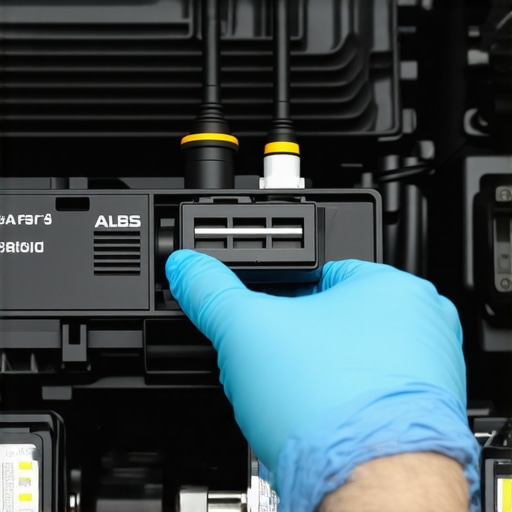
Avoid the ABS Nightmare During Pad Swaps
Here is a specific ‘oops’ factor that can cost you thousands. On modern vehicles equipped with complex ABS modulators, you should never simply ‘C-clamp’ the brake piston back into the caliper without opening the bleeder valve. Forcing old, debris-filled fluid backward through the lines can contaminate the sensitive valves inside the ABS unit. This is the hidden culprit behind a spongy brake pedal that even some professional shops miss. According to a technical study by SAE International, back-flowing fluid is a leading cause of premature hydraulic control unit failure in high-mileage vehicles.
Why does my car feel ‘different’ after a simple battery swap?
Many sophisticated readers ask why their HVAC vents or idle speed seem erratic after changing a battery. This isn’t a glitch; it’s the loss of ‘Long Term Fuel Trim’ and ‘Idle Air Control’ memory. Your car’s computer ‘learns’ how to compensate for minor vacuum leaks or carbon buildup over time. When power is lost, it reverts to factory defaults, which may no longer suit your aging engine. This is why a tune-up strategy should always include a proper relearn procedure. Have you ever fallen into this trap? Let me know in the comments.If you really want to stay ahead of the curve, you have to move past the ‘visual inspection’ phase and start using tools that actually tell you what is happening inside the metal. My favorite piece of kit isn’t a shiny chrome wrench; it is a dedicated vacuum gauge. While we talked about smoke tests earlier, a gauge allows you to see the health of your engine in real-time. I use a Mityvac because it doubles as a brake bleeder, which is essential for understanding brake system repairs from a hydraulic perspective. If your needle is steady at idle, your valves are sealing well. If it bounces like a caffeine-addicted squirrel, you might have a burnt valve or a timing issue that a simple visual check would never catch.
The One Tool That Saves My Sanity
I’ve seen too many DIYers get frustrated because they can’t talk to their car’s computer. You don’t need a $3,000 Snap-On scanner, but a decent Bluetooth OBD2 adapter and an app like OBD Fusion are game-changers. This is exactly how to tell if your computer is giving you a false error code before you start throwing parts at a problem. I personally used my scanner last month to find a ‘lazy’ oxygen sensor that hadn’t triggered a light yet but was absolutely killing my gas mileage. According to the Bosch Automotive Handbook, even a minor 10% deviation in sensor voltage can throw off your fuel trim long before the computer decides to alert the driver.
How do I maintain my car’s complex electronics over time?
Maintaining modern car tech is less about cleaning and more about protection. Keep your battery terminals spotless and ensure your ground wires aren’t corroded. These are the lifeblood of your sensors. When you follow a car service checklist, don’t just look at the oil; look at the wiring harnesses for any signs of heat damage or rodent chewing. I also recommend a periodic ‘Italian Tune-up’—safely bringing the engine up to highway speeds to clear out carbon deposits—which is a staple of any essential maintenance strategy for high-mileage vehicles. 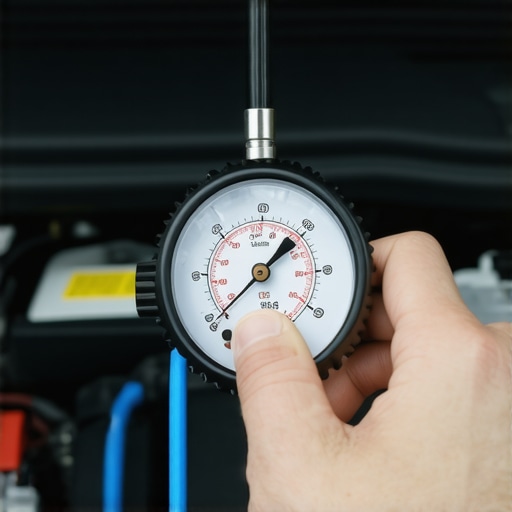
Where DIY Repair is Heading in 2025
Looking at auto repair trends to watch in 2025, I suspect we are moving toward a ‘software-first’ world. Cars are becoming servers on wheels. While this makes mechanical fixes more predictable, it makes the diagnostic side more gatekept. This is why learning the basics of how regular tune-ups improve fuel efficiency today is so vital; the more you know now, the less intimidated you’ll be when cars become even more computerized. If you want to take your skills to the next level, I challenge you to do this one thing: go grab a cheap vacuum gauge and test your intake manifold vacuum this weekend. It’s the fastest way to get a ‘health report’ on your engine without getting your hands too greasy. It is the core of the ultimate car service guide for anyone serious about longevity.
Hard-Won Secrets from My Garage Floor
After decades of twisting wrenches, I have realized that the most expensive repairs usually start as the smallest whispers. When your vents default to defrost, your car isn’t trying to annoy you; it is trying to protect your visibility. One major lightbulb moment for me was realizing that many ‘engine’ problems are actually just simple air leaks. Before you ever pay for a diagnostic, check every rubber elbow and T-fitting you can see. Another lesson? Stop over-maintaining. Sometimes, the best car service is just leaving a well-sealed system alone until the manufacturer’s interval actually calls for it. Lastly, never underestimate the power of a clean ground wire; half of the ‘ghost’ electronics issues I have solved were just a bit of corrosion on a frame bolt.
The Gear That Saved My Saturday
If you are serious about DIY, you need a few specific tools that provide more than just torque. I always keep a Mityvac hand pump nearby because it is the only way to accurately test vacuum actuators without guessing. It is also a lifesaver when you are performing understanding brake system repairs and need to bleed the lines solo. I also swear by the Bosch Automotive Handbook for deep technical specs that the owner’s manual misses. For electronics, a simple ELM327 Bluetooth adapter paired with a diagnostic app is your best friend. It helps you see how to tell if your computer is giving you a false error code before you spend a dime at the parts counter.
Take the Wheel of Your Maintenance
Modern cars can feel like rolling computers, but the basic physics of air, fuel, and pressure haven’t changed. Don’t let a clicking sound or a lack of airflow intimidate you. By following a solid car service checklist and trusting your own diagnostic work, you can keep your vehicle on the road for hundreds of thousands of miles. Whether you are tackling a brake service or just replacing a vacuum line, the confidence you gain is worth more than the money saved. Keep your hands dirty and your mind open to auto repair trends to watch in 2025. Have you ever found a tiny two-dollar part that fixed a massive dashboard headache? Let me know your favorite DIY win in the comments below!