

I remember the first time I noticed it. It was a drizzly Tuesday night, and as I clicked my left turn signal to head into my neighborhood, the road in front of me seemed to pulse. Every ‘tick-tock’ of the blinker was accompanied by a rhythmic dimming of my headlights. It felt like my car was trying to tell me something, or perhaps it was just slowly dying. I’ll be honest—I panicked a bit. I immediately assumed I needed a brand new alternator, which isn’t exactly a cheap date. But as I’ve learned over years of tinkering in my driveway, the scariest electrical symptoms often have the most mundane causes. We’re going to get to the bottom of that flickering tonight so you can stop squinting at the pavement.
That Annoying Flicker in the Night
You aren’t imagining things. If your dash lights or headlights dip in intensity whenever the blinker draws power, your car’s electrical system is struggling to keep up with the demand. This isn’t just a quirk of an older vehicle; it’s a symptom that your voltage is dropping under load. Early in my DIY journey, I made the classic mistake of throwing parts at the problem. I went out and bought a high-output battery without checking my connections first. It didn’t fix a thing. I felt pretty foolish standing there with a hundred-dollar paperweight under the hood when the real culprit was just a dirty connection. Before you head out for a scheduled car service, let’s look at why your system is hesitating.
Is this electrical Gremlin actually dangerous?
Short answer: yes and no. While a slight dimming might not stop you in your tracks tonight, it’s a warning shot. According to the Car Care Council, electrical failure is one of the top reasons for unexpected roadside breakdowns. If your lights are dimming, your ignition system might also be getting less-than-ideal voltage, which can lead to poor fuel economy or even a stall at a red light. Have you ever felt that sinking feeling when your car shudders just as you’re trying to make a turn? It’s unnerving, isn’t it? Let me know in the comments if you’ve ever been stranded by a ‘minor’ electrical flicker.
Your Ground Wires are Likely the Villain
Most folks don’t realize that car electricity is a big loop. If the path back to the battery is blocked by rust or road salt, your components have to fight for whatever power they can get. Learning how to spot a bad ground wire is often the ‘aha!’ moment for most owners. I’ve seen cases where a single loose bolt on the chassis made the whole dashboard act like a Christmas tree. If you’re tired of troubleshooting common auto repair issues without a clear answer, checking your grounds is the first real step. It’s also worth your time to perform a simple battery strength test at home to ensure your power source isn’t the weak link in the chain. When the alternator has to work overtime to push through resistance, you might even find that your dashboard dimmer switch makes your lights flicker even more.
Scrub Those Crusty Terminals Before Buying Parts
Think of your car’s electrical system like a plumbing network. If the main pipe leaving the reservoir is clogged with mineral buildup, the faucets at the end of the line will only provide a pathetic trickle. Your battery terminals are that main pipe. Over time, lead-acid batteries release gases that create a white or blue powdery crust. This corrosion acts as a high-resistance barrier. When you flick that turn signal, the flasher relay demands a sudden burst of current. If your terminals are choked, the system pulls that extra juice from the easiest available source—your headlights—causing that annoying dip in brightness. I once spent three hours tracing wires on an old sedan only to realize the negative terminal was so loose I could spin it with my pinky finger. A quick cleaning with a five-dollar wire brush solved everything. If you find yourself doing this every month, you should look into why your car battery terminal keeps getting corroded so frequently to stop the cycle.
Hunt Down the Weak Link in Your Electrical Loop
The chassis of your car is actually half of the wiring. Instead of running two wires to every light bulb, manufacturers use the metal frame of the car as a common return path. This is why a rusty bolt in the trunk can make your front headlights flicker. If the ‘ground’ connection is weak, the electricity gets backed up like a freeway merge at rush hour. You need to find where the main negative battery cable bolts to the engine block or frame. Remove the bolt, sand the metal until it shines like a new coin, and put it back together. This is a core part of how tune-up-your-car-for-peak-performance-essential-maintenance-tips often involves more than just spark plugs; it is about ensuring the flow of energy is unimpeded. 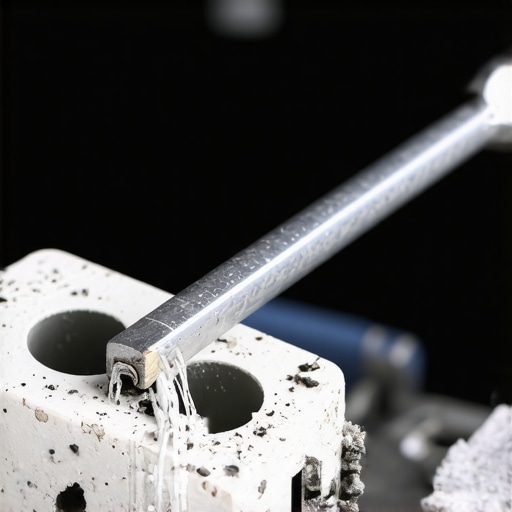
Measure the Voltage While Your Turn Signal is Doing Its Thing
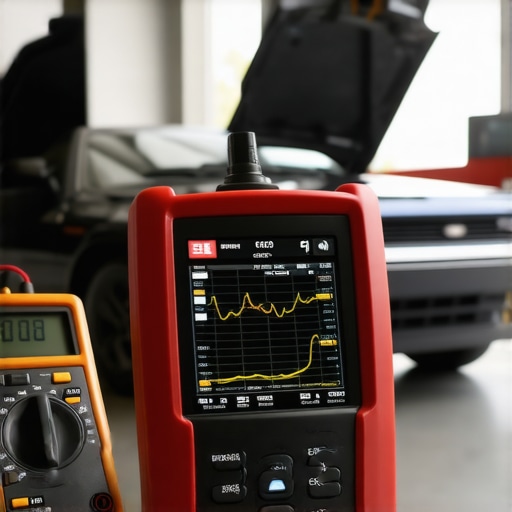
If your connections are clean but the pulse remains, it is time to look at the alternator. This is the generator that keeps the party going while the engine is running. A healthy alternator should output between 13.5 and 14.7 volts. If you hook up a multimeter and see the numbers jumping wildly every time the blinker clicks, your alternator’s internal voltage regulator might be waving a white flag. It is also possible to have the opposite problem where the system is working too hard, so knowing how to tell if your alternator is overcharging the system is just as important for protecting your sensitive electronics.
Check for the Sneaky Serpentine Slip
Sometimes the electrical system is fine, but the mechanical side is failing. Your alternator is driven by a rubber belt. If that belt is glazed, stretched, or the tensioner is weak, it might slip just enough to lose RPMs when the alternator tries to compensate for the turn signal’s load. You might not even hear a squeak. I remember a client who had a ‘ghost’ flicker that only happened on rainy days. It turned out his belt was just loose enough that the moisture caused it to slip whenever the blinker and wipers ran together. Understanding the hidden danger of a slipping serpentine belt can save you from a snapped belt and a dead engine on the highway. You can even try a quick diagnostic by learning how to fix a squealing belt using the water spray test to see if the slip is the culprit behind your dimming lights. Ensuring these components are in sync is a vital aspect of how regular tune-ups improve fuel efficiency and safety across the board.
You’ve cleaned the terminals, you’ve checked the belt, and maybe you even replaced the alternator, but that nagging flicker or hesitation persists. This is where most DIYers—and even some professional shops—get stuck. We tend to view car parts as isolated Lego bricks; swap a bad one for a shiny new one, and the problem should vanish. But in a modern vehicle, the nuance lies in how those parts talk to each other. If you are struggling with a car that feels ‘off’ despite new components, you might be falling for the parts-cannon trap. Have you ever fallen into this trap? Let me know in the comments because I certainly have.
Stop Falling for the Infamous Pad Slap
One of the biggest misconceptions I see involves understanding brake system repairs beyond the surface level. People often think that if the car squeaks, you just throw on new pads. This is the ‘pad slap,’ and it is a recipe for disaster. If you don’t resurface or replace the rotors, the old wear patterns will eat your new pads in weeks. Even worse, many people ignore the brake service myths that suggest all pads are created equal. High-performance pads on a commuter car can actually cause more noise and poor cold-stopping power. It is about matching the component to the use case, not just buying the most expensive box on the shelf.
Why does my brake pedal pulse even after I paid for brand-new rotors?
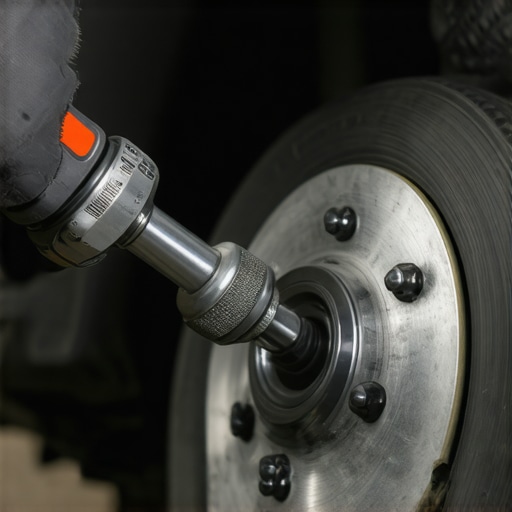
This is a sophisticated headache that drives owners crazy. You just spent hundreds on a ‘complete’ brake job, yet the steering wheel shakes when you slow down from highway speeds. Most people assume the new rotors are ‘warped’ out of the box. In reality, it is rarely a manufacturing defect. The culprit is usually improper installation. If the hub wasn’t cleaned of every speck of rust before the rotor was seated, the rotor will sit at a microscopic angle. This leads to uneven pad material transfer, which creates that pulsing sensation. Furthermore, if the shop didn’t use the correct way to torque lug nuts to prevent rotor warping, the uneven pressure literally pulls the metal out of alignment as it heats up. According to data from SAE International, thermal mechanical distortion is frequently caused by external stressors like uneven clamping force rather than metallurgy failure. This is why why your brake rotors keep warping every few months despite constant replacements.
The Modern Tune Up is About Harmony Not Just Hardware
The term ‘tune-up’ is a bit of a fossil. Back in the day, it meant adjusting a carburetor and points. Today, it’s about sensor data. You can put in the best spark plugs in the world, but if your mass airflow sensor is dirty, your engine will still stumble. To truly maximize your cars lifespan with expert tune-up strategies, you have to look at the ‘fuel trim’ data. A common ‘oops’ factor is neglecting the computer’s learning process. When you replace a major sensor or a throttle body, the car’s computer often needs a ‘relearn’ procedure to understand the new flow rates. If you skip this, the car might idle worse than it did with the broken part. This is a core part of tune-up-your-car-for-peak-performance-essential-maintenance-tips that involves the digital side of the machine. Before you go out for scheduled car service, ask your tech if they perform a fuel trim reset after a tune-up. It’s the difference between a car that runs and a car that sings.
To stop falling for the parts-cannon trap, you have to transition from a ‘swapper’ to a ‘diagnostician.’ I remember the first time I connected a bidirectional scan tool to my SUV; I wasn’t just looking for codes, I was looking for life signs. If you are serious about your vehicle, you need to invest in a scanner that actually talks back. Unlike basic readers that just spit out a P-code, these tools let you trigger components directly. For example, you can command the car to turn on the fuel pump or cycle the radiator fans independently. This level of control is a game-changer when you maximize your cars lifespan with expert tune-up strategies because it removes the guesswork from the equation. If you’ve ever felt overwhelmed by complex wire diagrams, seeing how professional diagnostics found my ghost electrical leak will show you that the right tool is the difference between a ten-minute fix and a three-day headache.
How do I keep my car healthy for the long haul?
Reliability isn’t a result of a single big repair; it’s the outcome of hundreds of small observations. You need a personal car service-checklist-how-to-keep-your-vehicle-in-top-shape that you actually follow every six months. One tool I recommend more than any other—besides a good socket set—is a portable smoke machine. While most people think of them for high-end shops, a leak tester is the only real way to find vacuum or EVAP leaks that are invisible to the naked eye. According to technical documentation from Delphi Technologies, even a microscopic vacuum leak can cause a vehicle’s long-term fuel trim to drift by 5% or more, leading to carbon buildup and premature catalytic converter failure. Being able to see how to find an evap leak using a simple smoke machine in your own driveway puts you miles ahead of the average owner.
Your Garage Needs Better Air and Better Data
 Looking toward the horizon, the way we maintain our cars is shifting toward data management. We are entering an era where auto repair trends to watch in 2025 staying ahead of the curve will focus on ‘Cyber-Mechanical’ maintenance. Modern cars are essentially rolling server rooms. In the coming years, checking your car’s ‘health score’ via software will be as common as checking the dipstick. To stay prepared, my specific advanced tip for you this week is to perform a ‘voltage drop test’ across your main battery cables while someone else cranks the engine. It’s the only way to find internal cable corrosion that looks perfectly fine on the outside. If you can master these high-level diagnostic habits, you’ll stop being a victim of ‘mysterious’ car troubles and start being the true expert of your own machine.
Lessons Bought with Greasy Knuckles
I’ve spent too many nights chasing ‘ghosts’ in the electrical system to not share the hard-won truths. First, a ‘new’ part is never a guarantee of a fix if your foundation is shaky. I’ve seen brand new alternators burn out in weeks because the owner ignored a $10 ground wire. Second, the computer is the brain, but the sensors are the eyes. If you don’t clean your sensors, the brain is essentially driving blind. Using maximize your cars lifespan with expert tune-up strategies isn’t just about changing oil; it’s about respecting the digital ecosystem of the car. Finally, remember that your car communicates through resistance. Whether it’s a brake pedal that feels ‘wrong’ or a light that dims, it’s always a struggle against resistance, either electrical or physical.
The Gear That Stopped My Guesswork
If you want to move beyond being a ‘parts swapper’ and become a true diagnostician, you need a specific war chest. I personally rely on a Digital Multimeter with Min/Max settings; it’s the only way to catch a voltage drop that happens in the blink of an eye. I also recommend a Bidirectional Scan Tool. Unlike the cheap readers found at big-box stores, these let you talk back to the car, which is vital for troubleshooting common auto repair issues before visiting the shop. Lastly, don’t overlook a Portable Smoke Machine. It turned a three-day vacuum leak hunt into a five-minute fix for me, and it’s the secret weapon for anyone serious about tuning up your car for peak performance.
Take Back the Keys to Your Vehicle
Modern cars can feel like black boxes designed to keep you out, but they are still just machines governed by the laws of physics. When you start looking at your vehicle as a collection of systems—electrical loops, hydraulic pressure, and sensor data—the fear of the unknown disappears. Whether you are debunking brake service myths or following a car service checklist, the power comes from your willingness to observe before you act. Every time you fix a flicker or smooth out a pulse, you aren’t just saving money; you are mastering the machine that carries your life. Don’t be afraid to get your hands dirty on your next car service; the car will thank you with another 100,000 miles of loyalty.
Have you ever spent money on a part only to realize a simple dirty wire was the real culprit? Let me know your most frustrating ‘ghost’ story in the comments below!