
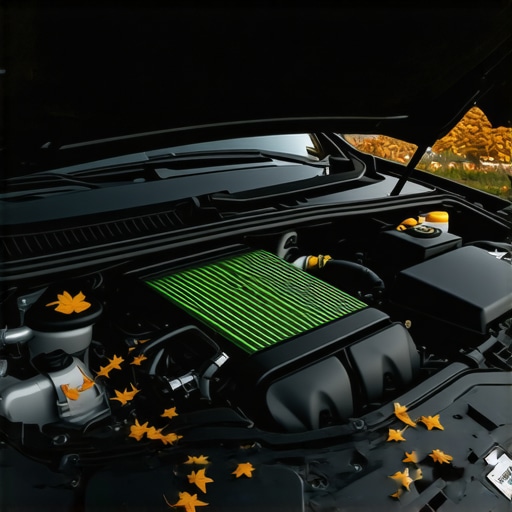
I still remember standing in my driveway last July, steam billowing out from under the hood of my old sedan while my neighbor’s sprinkler seemed to mock me from across the fence. I had ignored that murky, brownish fluid in my reservoir for three years, telling myself it was “fine for now.” That mistake cost me a brand-new radiator and a very expensive tow on the hottest day of the year. I used to think coolant lasted forever, and in a moment of desperation, I even tried a quick fix that went south fast—I learned the hard way that you should never use stop leak in your radiator unless you want to gum up the works for good. Today, I am going to share exactly why timing your maintenance matters and how to keep your engine from throwing a tantrum when you need it most.
Why Spring is the Sweet Spot for Maintenance
Most folks wait until their car is literally smoking on the shoulder of the highway to think about their cooling system. That is like waiting for a heart attack to start thinking about a salad. In my experience, the absolute best time to flush your system is early spring, right before those brutal summer heat waves arrive. You want fresh, high-boiling-point fluid ready to go before the asphalt starts melting. If you have noticed that your car heater takes forever to warm up in the morning or the temp needle is acting jumpy, you are already behind the curve. According to data from AAA, cooling system failure remains a leading cause of roadside breakdowns, most of which are completely preventable with basic foresight. Keeping a close eye on your car service checklist means looking ahead at the seasons, not just reacting to a dashboard warning light.
Is This Just Another Way for Shops to Take My Money?
I get the skepticism. You go in for a quick oil change and suddenly the technician is telling you your coolant looks like coffee creamer. You think, “It’s been running fine for years, why mess with it?” The reality is that coolant isn’t just about preventing a freeze; it’s about corrosion inhibitors. Over time, those chemicals break down and the fluid becomes acidic, eating your seals and water pump from the inside out. I once ignored a small drip and didn’t know how to spot a coolant leak until I saw the steam. It’s a lesson in humility I don’t want you to repeat.
Getting it Done Before the Road Trip Season
Before you pack the family into the SUV for a cross-country trek, you need to ensure your engine can breathe. It is a vital part of the ultimate car service guide to schedule these flushes when it is convenient for your schedule, not when your car decides to quit in the middle of traffic. A spring flush clears out the scale and rust that builds up during the harsh winter months, ensuring your radiator is actually radiating heat instead of trapping it. Think of it as a tune-up for peak performance that pays dividends in reliability. Have you ever been stranded on a road trip because of a simple maintenance item you knew you should have handled weeks ago?
Get Your Hands Dirty with a Proper Flush
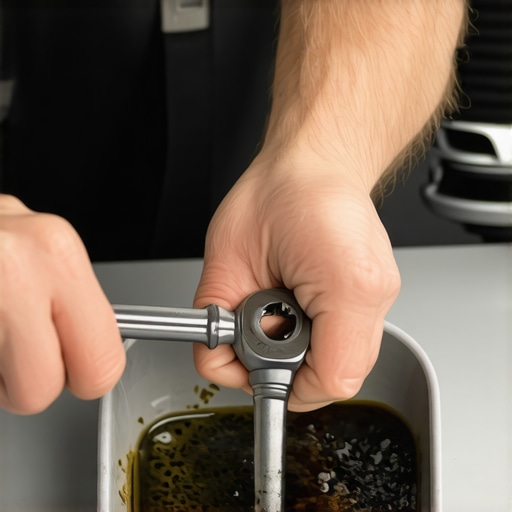
The secret to a successful flush isn’t just dumping old fluid; it is about clearing the arteries of your engine. Think of your cooling system like your home’s plumbing. Over time, hair, soap scum, and gunk build up. In your car, that gunk is rust and scale. To start, you need the engine completely cold. I learned this the hard way back in college when I tried to rush a job and nearly took my eyebrows off with a geyser of 200-degree fluid. Always wait at least an hour. Once cool, find the petcock drain at the bottom of the radiator. Drain the old sludge into a pan, then refill the system with distilled water and a cleaning agent. Run the engine until it reaches operating temperature, then drain it again. You might have to do this two or three times before the water runs clear. This ensures you are not just diluting the problem, but actually solving it. Following these expert tune-up strategies ensures your engine stays cool when the heat is on.
Test the Gatekeeper of Your Engine
While the system is empty, it is the perfect time to check your thermostat. This little device acts like a gatekeeper, deciding when to let coolant flow through the engine. If it sticks shut, your car overheats in minutes. If it sticks open, you will find the easy way to check if your thermostat is stuck open is simply seeing if your heater ever gets hot. I once spent an entire afternoon pulling my dashboard apart looking for a heater core issue, only to realize the thermostat was just stuck wide open. To be 100% sure, you can actually learn how to test your own thermostat in a pot of boiling water right on your kitchen stove. It should snap open just as the water starts to bubble. If it stays shut, toss it and get a new one.
Look for the Subtle Warning Signs
Before you seal everything back up, inspect your water pump and hoses. A cooling system is a pressurized environment; any weak link will be exploited by the heat. Look for a small trail of dried, crusty residue near the pump pulley. This is the hidden sign that your water pump is about to fail. It is like the ‘check engine’ light of the mechanical world. If you ignore that crusty buildup, the bearing will eventually seize, and you will be calling a tow truck. Being proactive here is a major part of troubleshooting common auto repair issues before visiting the shop, saving you hundreds in labor costs down the road.
Combine Your Efforts for Maximum Efficiency
Since you already have the hood up and the tools out, check your other vital systems. Cooling issues and braking problems often share symptoms, like a weird vibration or a drop in engine performance. If you have been noticing the reason your brake pedal goes all the way to the floor in traffic might be related to old, moisture-filled fluid, it’s time to expand your maintenance day. Just as you want clear coolant, you need fresh brake fluid to maintain pressure. A comprehensive approach to your car service checklist means you aren’t just fixing one problem; you are hardening your vehicle against the elements. Whether it is a cooling flush or understanding brake system repairs, the logic is the same: clean fluid and solid seals keep you on the road and out of the shop.
A lot of guys I know still think a tune-up is just a Sunday afternoon spent swapping out spark plugs and wires. While that might have worked for a 1978 Chevy, the ‘set it and forget it’ mentality is a trap in the modern era. Everyone says you need a tune-up every few years to keep things running, but in my experience, chasing a mechanical fix for an electronic problem is where most DIYers lose their shirts. Modern vehicles are essentially rolling computers, and if you aren’t looking at the data, you aren’t actually tuning anything. You might find that how regular tune-ups improve fuel efficiency and safety has more to do with your oxygen sensors and fuel trim than the physical condition of a porcelain plug. If you’ve noticed a dip in power, the ‘oops’ factor usually comes from buying cheap parts; I’ve seen engines ruined because people didn’t realize the truth about budget spark plugs and engine performance is that they often lack the heat-range precision required for modern high-compression cylinders.
How Can I Tell If My Mechanic Actually Has the Right Tools?
This is the question that separates the pros from the parts-changers. Today’s vehicles rely on Advanced Driver Assistance Systems (ADAS) and complex sensor arrays. A study by the National Institute for Automotive Service Excellence (ASE) highlights that technician certification is becoming increasingly specialized because a simple alignment or brake job can now throw off your lane-departure sensors. Before you drop your car off, you need to know how to tell if your local mechanic actually has the tools for a proper ADAS calibration. If they don’t have the digital targets and scanning equipment to reset those systems, your ‘perfect’ repair might leave your car feeling twitchy or unsafe. This level of detail is a massive part of the maximize your cars lifespan with expert tune-up strategies that I live by.
Another area where people get it wrong is brake service. The common belief is that if your brakes are making noise or smelling weird right after a shop visit, the mechanic screwed up. While that’s sometimes true, the nuance is in the ‘bedding’ process. I remember a friend calling me in a panic because his front wheels were hazy with a light vapor after a DIY pad swap. I had to explain that the real reason your new brake pads are smoking is often just the resins and adhesives in the friction material curing for the first time. If you skip the proper way to break in new brake pads and rotors, which involves a specific series of controlled stops, you’ll never get the stopping power you paid for. You are essentially glazing the pads before they even have a chance to work. Have you ever fallen into this trap or been surprised by a ‘smelly’ brake job? Let me know in the comments.
Ultimately, staying ahead of the curve means moving past the basics. Whether you are following a car service checklist or diving into deep understanding brake system repairs, remember that the most expensive repair is the one you have to do twice because you ignored the technical nuance the first time. Don’t be afraid to ask your shop about their diagnostic software or their process for sensor recalibration. It’s your safety—and your wallet—on the line.
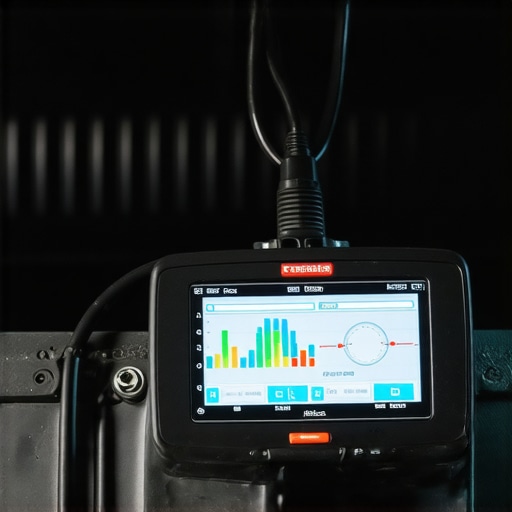
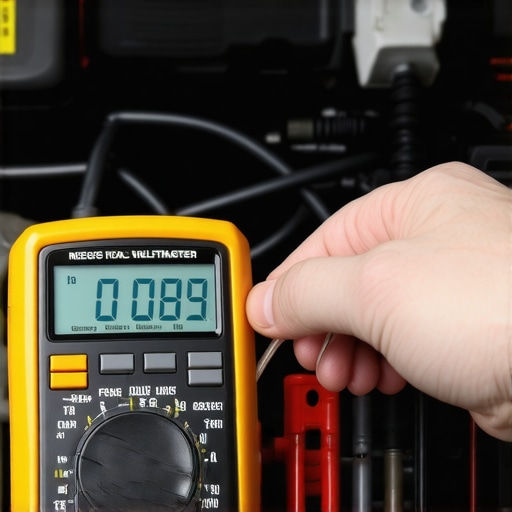
If you want to move from ‘guy with a wrench’ to ‘guy who actually knows what is happening,’ you need a digital eye. I stopped guessing about sensor health the day I picked up a mid-range bidirectional scan tool. Most people think a $20 code reader is enough, but those just give you the symptom, not the cure. To get the real story, you need to look at live data streams—specifically short-term and long-term fuel trims. If your fuel trim is climbing above 10%, your car is struggling to find the right air-to-fuel ratio, even if the ‘Check Engine’ light hasn’t popped yet. This kind of proactive troubleshooting common auto repair issues before visiting the shop is what saves your catalytic converter from an early grave. I swear by my digital multimeter for almost everything else; it is the only way you can really know how to test your alternator with a simple multimeter at home instead of just throwing parts at a charging issue.
How do I keep my car running for 200,000 miles?
The secret isn’t just oil changes; it is the absolute obsession with fluid chemistry and electrical integrity. As noted in technical documentation from Robert Bosch GmbH, even a 0.5-volt drop in your electrical ground can cause havoc with modern CAN bus communication, leading to ‘ghost codes’ that drive even the best mechanics crazy. I make it a habit to clean my battery terminals and ground points every autumn. It is part of the maximize your cars lifespan with expert tune-up strategies that I have developed over decades. If you keep the electrons flowing and the friction low, you are well on the secret to getting 200,000 miles out of your original engine. I have seen engines with high mileage that look cleaner internally than cars with 50,000 miles, all because the owner stayed on top of the chemical additives and sensor cleaning.
Precision Beats Muscle Every Time
One of the biggest mistakes I see in DIY brake service is the ‘good enough’ tighten. I used to be that guy who just leaned on a breaker bar until I heard a grunt, but that is how you warp rotors and snap studs. These days, I don’t touch a wheel bolt or a caliper bracket without a calibrated torque wrench. Learning the proper way to torque wheel bolts without a manual involves understanding that heat expansion changes how those bolts hold tension. When you are doing a understanding brake system repairs, precision is your best friend. A few foot-pounds too loose and you get vibration; too tight and you are looking at a hub replacement. It is about working smarter, not harder.
Looking toward the future, I expect the ‘home mechanic’ to look more like a software engineer. We are already seeing a shift toward software-defined vehicles where a ‘tune-up’ might happen over your home Wi-Fi. Staying informed on auto-repair-trends-to-watch-in-2025-staying-ahead-of-the-curve is just as important as knowing how to turn a bolt. If you really want to level up your garage game this weekend, my challenge to you is this: don’t just read your codes. Plug in a scanner, pull up your ‘Live Data’ menu, and watch your oxygen sensor voltages while you rev the engine. Seeing the heartbeat of your car in real-time changes the way you drive and maintain it forever.
The Expensive Lessons That Taught Me to Listen to My Car
Over the years, I have realized that the most successful DIYers aren’t the ones with the biggest muscles, but the ones with the sharpest ears. One of the biggest myths I fell for early on was that a little squeal is always normal. It isn’t. If you want to avoid a headache, you need to understand the brake service myths that separate fact from fiction. Another lightbulb moment for me was realizing that ‘clean’ is actually a mechanical specification. A speck of dirt on a wheel hub or a tiny bit of corrosion on a battery terminal can cause more trouble than a major mechanical failure. Finally, never underestimate the power of a test drive with the radio off. If you can hear the car ‘breathing’ and clicking, you can catch a failing bearing or a loose belt before it leaves you stranded on the shoulder.
The Gear That Actually Belongs in Your Trunk
If you are serious about moving beyond basic oil changes, you need a few specialized allies in your garage. I personally swear by a split-beam torque wrench; unlike the old click-type versions, they stay calibrated longer and give you the precision needed for modern alloy components that are prone to warping. I also recommend keeping a digital copy of your specific vehicle’s factory service manual on your phone. These provide the exact electrical schematics you will need when troubleshooting common auto repair issues before visiting the shop. Lastly, invest in a high-quality set of flare nut wrenches for any work involving fluid lines. Using a standard open-end wrench on a brake line is a one-way ticket to a rounded-off nut and a very bad afternoon. These tools are the backbone of my expert tune-up strategies for high-mileage heroes.
Master the Machine and Reclaim Your Confidence
Taking control of your vehicle’s maintenance is about more than just saving a few bucks at the local shop. It is about the peace of mind that comes from knowing exactly what is happening under the hood when you are eighty miles from the nearest town. Whether you are doing a full tune up or just checking your fluids, every hour spent in the garage is an investment in your safety and your car’s longevity. By following these tune-up for peak performance tips, you transform your car from a mysterious black box into a finely tuned machine that you truly understand. Don’t be afraid to get your hands a little greasy—the reward of a smooth-running engine that purrs at red lights is worth every drop of sweat. Your car takes care of you every day; it is time you returned the favor.
Have you ever found a ‘ghost code’ or a strange vibration that turned out to be a simple loose ground wire or a dirty sensor? Let me know about your most surprising fix in the comments below!