
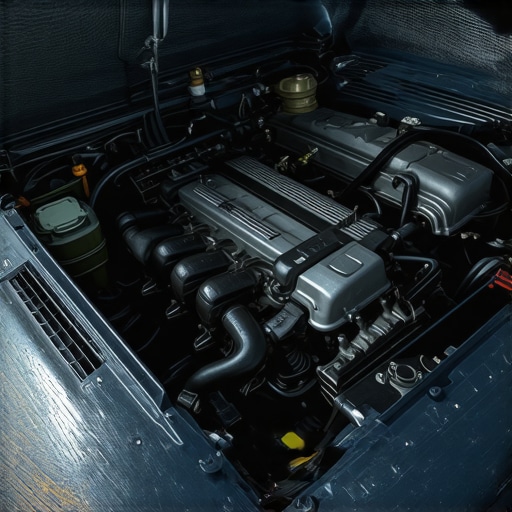
I’ll never forget the sound my first car made when the engine finally seized. It wasn’t a bang. It was a rhythmic, metallic thud that vibrated through the steering wheel, followed by a total loss of power right in the middle of a busy intersection. I had seen the oil pressure light flicker a few days prior. “It’s just a sensor,” I told myself. “I’ll get to it this weekend.” That weekend never came because my engine decided to quit on a Tuesday. I learned the hard way that waiting for that little red light to glow is like waiting for your house to be on fire before checking the smoke detector batteries. It’s a signal that the damage is already happening, not a friendly reminder that you’re due for a trip to the shop.
The Day My Engine Turned Into a Very Expensive Paperweight
When that oil light hits your dashboard, your car isn’t asking for a favor; it’s screaming for its life. I made the classic rookie mistake of treating my dashboard like an advisory board rather than an emergency broadcast system. That mistake cost me the entire car because, as it turns out, an engine without oil is just a collection of metal parts grinding themselves into dust. Most people don’t realize that why your engine burns oil without leaving a puddle is often the silent killer leading up to that warning light. By the time the sensor triggers, your oil pressure has dropped to a level where critical components like your crankshaft and pistons are no longer being lubricated. I used to think a quick car service guide was just a way for shops to take my money. I was wrong. Regular maintenance is the only way to avoid the catastrophic failure I experienced. According to AAA, neglected oil changes are a leading cause of premature engine failure, which can cost a driver upwards of $3,000 to $7,000 to fix. That’s a lot of money for a problem that starts with a $50 oil change. Following a solid car service checklist keeps those sensors from ever needing to turn on in the first place. The sound of that failing engine was like a thousand spoons hitting a garbage disposal. I remember pulling over, the hood smoking slightly, and just staring at the dashboard. I felt like an idiot. I had spent months ignoring the “check oil” sticker on the windshield, thinking I knew better. It wasn’t just about the oil; it was about my whole approach to troubleshooting common auto repair issues. I thought I was saving time, but I was actually building a debt that my bank account wasn’t ready to pay. Now, I tell everyone: don’t wait for the car to tell you it’s dying. Be the one who knows it’s healthy. It’s much easier to learn the secret to removing a stuck oil filter than it is to learn how to source a used engine from a junkyard.
Is waiting for the light really that big of a deal?
You might be thinking, “Hey, my light came on once, I added a quart, and I was fine.” You might have gotten lucky, but you likely shaved years off that engine’s life. I’ve found that the truth about why my car finally hit 200,000 miles is simply that I stopped trusting the dashboard to tell me when to act. If you wait for the light, you’re reacting to a crisis. If you check your dipstick every other gas fill-up, you’re preventing one. Have you ever had that sinking feeling when a warning light pops up and you realize you’ve been ignoring a weird noise for weeks? Let me know in the comments – we’ve all been there. We are going to look at why proactive regular tune-ups improve fuel efficiency and, more importantly, keep you from being stranded on the side of the road. We will also break down the signs that your oil is getting low before the car even notices.
Stop Playing Guessing Games with Your Engine
Maintaining a car isn’t about being a master mechanic; it’s about being an observant owner. Think of your vehicle like a high-performance athlete. You wouldn’t expect a marathon runner to finish a race on a diet of soda and chips, yet we expect our cars to commute 50 miles a day on ancient oil and worn-out filters. I learned this lesson the hard way when I decided to ‘save time’ by skipping a spark plug replacement. Three months later, I was stuck on the shoulder of the highway because of a misfire that felt like a jackhammer was hitting my floorboards. That was the day I realized how a simple tune-up fixed my mystery hesitation and could have saved me a massive towing bill.
Check Your Dipstick Like Your Bank Account Depends on It
The absolute simplest way to avoid a disaster is the five-minute fluid check. You don’t need fancy tools, just a rag and a few minutes at the gas station. Pull the dipstick, wipe it clean, reinsert it, and pull it again. If the oil looks like black coffee or is below the ‘low’ mark, you are actively damaging your engine. Staying on top of this is the 5-minute check to prevent transmission failure and engine seizure. If you notice the level dropping but no spots on your driveway, you need to investigate why your engine burns oil without leaving a puddle immediately. 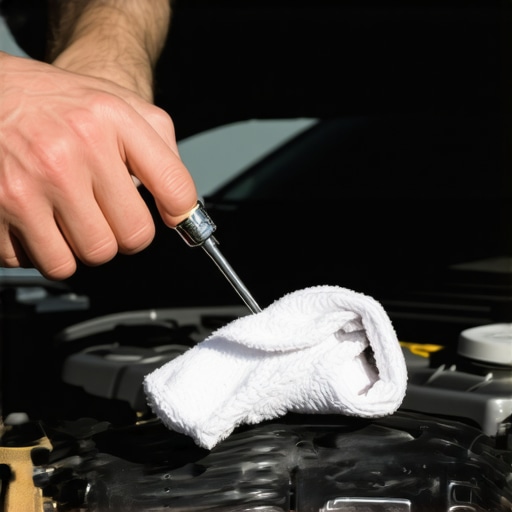
Your Brakes Need More Than Just New Pads
Most people think brake maintenance is just about waiting for a squeak and then swapping pads. In reality, your braking system is a hydraulic ecosystem. Over time, brake fluid absorbs moisture, which can lead to corrosion inside the lines or a ‘soft’ pedal feel. I once ignored a slight flicker of my dashboard light during turns, only to find out later that why your brake warning light flickers during sharp turns is often a sign of low fluid caused by worn-down pads or a leak. Ignoring this leads to the hidden culprit behind a spongy brake pedal, which is the last thing you want when traffic suddenly stops. Integrating understanding brake system repairs into your regular routine ensures you actually stop when you hit the pedal.
Listen to Your Tires Before They Blow
Your tires are the only part of the car that actually touches the road, and they are constantly trying to tell you about the health of your suspension. If you feel a vibration in the steering wheel at high speeds, don’t just turn up the radio. Uneven wear patterns on your tread are a billboard for alignment issues. I once ruined a brand-new set of tires in six months because I didn’t realize how to tell if your wheel alignment is ruining your gas mileage and my tires. By the time I noticed the inner edges were bald, it was too late. Using a car service checklist to inspect tread depth and pressure every month is the difference between a smooth ride and a terrifying blowout. Proactive owners maximize your car’s lifespan with expert tune-up strategies by catching these small alignment shifts before they become expensive repairs.While basic checks are great, I’ve found that the real money-pits in auto repair come from the ‘set it and forget it’ myths. For instance, many manufacturers now claim certain transmissions have ‘lifetime fluid.’ This is a dangerous half-truth. In my experience, ‘lifetime’ usually just means the life of the warranty, not the life of the car. If you want that odometer to hit 200k, you have to realize why I’ll never skip a transmission fluid change again. The Car Care Council reports that a staggering 80% of vehicles need immediate maintenance, often because owners believe these marketing claims.
Stop Believing the Lifetime Fluid Lie
If you ignore your transmission because the manual says it is sealed, you’re essentially gambling with a $4,000 component. Even without a dipstick, there are ways to stay ahead; learning how to check transmission fluid levels without a dipstick can save your gears from a grinding death.
You’re Warping Your Rotors Without Even Touching the Brakes
Here’s the ‘oops’ factor that catches even seasoned DIYers: over-tightening your wheels. When you or a cut-rate shop uses an impact wrench to blast your lug nuts on, it applies uneven pressure across the hub. This is the primary reason why your brake rotors keep warping every few months despite having new pads. I learned the hard way that the correct way to torque lug nuts to prevent rotor warping requires a calibrated torque wrench, not just brute force. 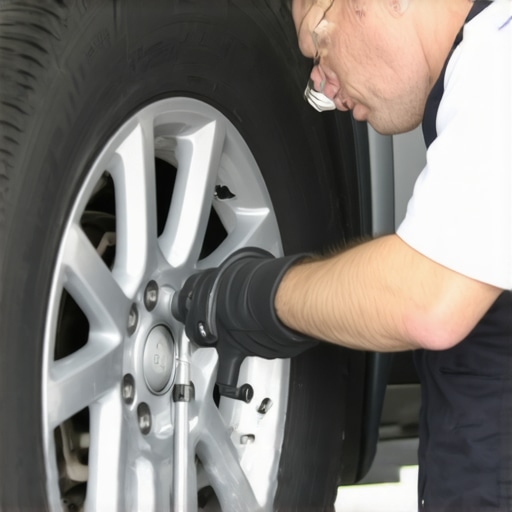
Why do your rear brakes seem to wear out before the front ones?
It used to be a rule of thumb that front brakes did 70% of the work. However, in many modern vehicles, electronic brake distribution (EBD) and traction control systems apply the rear brakes more aggressively to keep the car level during light stops. This shift is the real reason your rear brakes wear faster than fronts on newer models. If you’re still following the maintenance advice from twenty years ago, you’re going to be surprised by a metal-on-metal grinding sound much sooner than expected. Navigating brake service myths is about understanding that car tech has changed, and our repair habits have to change with it.
Don’t Let Ghost Problems Drain Your Bank Account
Sometimes, the issue isn’t mechanical at all. I spent weeks chasing a ‘transmission slip’ that turned out to be a bad ground wire. Modern cars are rolling computers, and how professional diagnostics found my ghost electrical leak taught me that sometimes paying for an hour of expert testing is cheaper than throwing parts at a problem. Before you start replacing sensors, try troubleshooting common auto repair issues before visiting the shop to rule out the simple stuff. Have you ever fallen into the ‘lifetime fluid’ trap or replaced a part only to find out the problem was something else entirely? Let me know in the comments—I’d love to hear your ‘oops’ stories.
Building Your Own Diagnostic Arsenal
If you want to move beyond basic oil changes, you need to invest in more than just a generic socket set. I used to rely on the local auto parts store to scan my check engine lights, but that only gives you half the story. Now, I never go under the hood without a bi-directional scan tool. This isn’t just a reader; it allows me to actually command the car’s computer to perform tests, like cycling an ABS pump or testing an individual fuel injector. For example, knowing the simple way to test battery strength at home with a digital multimeter can prevent you from accidentally replacing a perfectly good alternator when the problem is just a dead cell. I also keep a simple vacuum gauge handy—it’s an old-school tool that remains surprisingly effective for troubleshooting common auto repair issues before visiting the shop. According to the Society of Automotive Engineers (SAE), even a minor vacuum leak can cause a 10% drop in fuel economy and lead to lean-burn conditions that fry your valves over time. 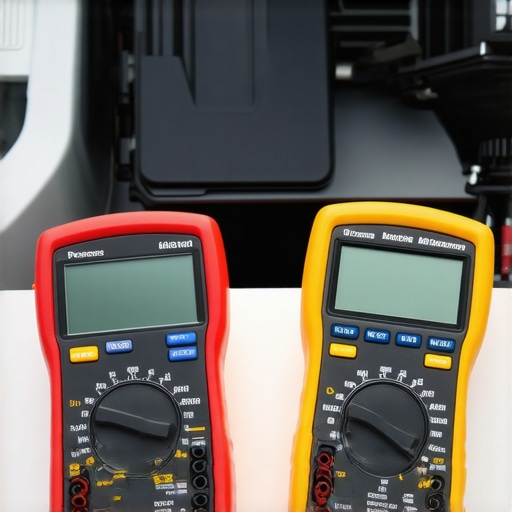
How do I maintain my vehicle’s reliability over the long haul?
Scaling your car’s life to 250,000 miles or more isn’t about one big, expensive repair; it’s about the cumulative effect of small, precise actions. I’ve shifted my focus from ‘fixing what’s broken’ to ‘preventing wear.’ This means I maximize your car’s lifespan with expert tune-up strategies like cleaning the throttle body and mass airflow sensor every 30,000 miles. Most people wait for a rough idle, but by then, carbon buildup is already stressing your fuel system. You should also be looking at tune-up your car for peak performance-essential maintenance tips that include checking your coolant’s pH level. If it becomes too acidic, it starts eating your radiator and heater core from the inside out. It’s also vital to stay ahead of understanding brake system repairs; don’t just change pads, but flush the entire system to prevent the internal valves from seizing due to moisture. If you skip this, you’re just falling for one of the many brake service myths that lead to premature master cylinder failure.
The Future of DIY is Software Not Sockets
Looking ahead, the way we maintain our cars is changing rapidly. As we see in auto-repair-trends-to-watch-in-2025-staying-ahead-of-the-curve, the shift toward electric and highly computerized platforms means that “mechanical” fixes are increasingly becoming “software” fixes. We are moving toward a world where your car might download a suspension tuning update while you sleep, but the physical components—the rubber bushings, the ball joints, and the hydraulic lines—will always require a human touch. My prediction? In the next five years, the most important tool in your garage won’t be a wrench; it’ll be a tablet with a subscription to a factory-level service manual.
Start Your Proactive Journey Today
Don’t just read about it—take action. This weekend, I challenge you to go out and perform a ‘drop test’ on your brake fluid or use a multimeter to check for parasitic draw on your battery. It’s the best way to move from being a passenger in your car’s maintenance to being the pilot. If you run into a problem you can’t solve, or if you’ve discovered a ghost in the machine that won’t go away, feel free to contact us for more specific guidance on your specific make and model.
Hard Won Secrets from My Garage Floor
One thing no one tells you is that your car has a language of its own that requires a bilingual owner. I used to ignore a faint sweet smell in my driveway until I realized the hidden cost of skipping a scheduled coolant flush. Now, if I smell maple syrup, I check for leaks immediately. Another lesson learned the hard way: always photograph your engine bay before you start a job. There is nothing worse than having a leftover bolt after a long day of auto repair. Also, trust your ears over the radio; if you hear a faint whining during acceleration, you might need to learn how to identify a failing fuel pump before it fails. These tiny observations are what separate the 200,000-mile cars from the ones sitting in a scrapyard. Safety is the final pillar; never work under a car supported only by a jack. Always use jack stands and shake the car once it is up to ensure it is rock solid before you crawl underneath.
The Tool Chest Essentials I Swear By
I do not believe in buying every gadget in the catalog, but three things are non-negotiable for my car service routine. First, a calibrated torque wrench is vital—I have seen too many DIYers ruin their wheels because they did not know the correct way to torque lug nuts to prevent rotor warping. Second, a digital multimeter is your best friend for electrical ghosts; it can save you hundreds in battery and alternator swaps. Third, don’t rely on forum myths; keep a digital copy of your vehicle’s factory service manual to avoid falling for brake service myths that suggest you can wait until the pads are gone. #IMAGE_PLACEHOLDER_E# Finally, a simple OBD-II reader pays for itself the first time it helps you rule out a loose gas cap before a smog test.
Take the Wheel of Your Maintenance Journey
Becoming a proactive owner changes your entire relationship with the road. You stop worrying about ‘if’ you will make it to your destination and start enjoying the freedom of the drive. Every time you follow a car service checklist, you are not just checking boxes; you are investing in your own peace of mind and financial security. Don’t wait for a breakdown to become an expert on your machine. Start small, stay curious, and keep your vehicle healthy for years to come. What’s the one ‘mystery noise’ you’ve been ignoring lately? Let’s talk about it in the comments below!