
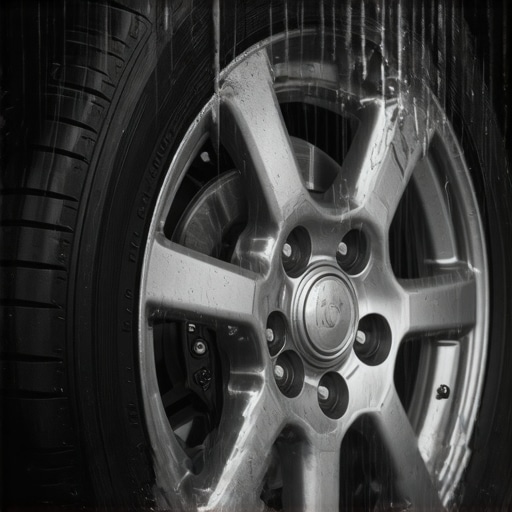
I still remember the first time it happened to me. I had just finished my morning coffee, pulled the car out of the driveway after a nasty overnight thunderstorm, and touched the brake pedal. Scrape. Grate. Grinding. It sounded like I was dragging a metal trash can down the asphalt. I was convinced my calipers had seized or my pads had evaporated overnight. I even started looking up how to spot a leaking brake caliper before it fails because I was so sure something was broken. It’s a heart-sinking moment for any driver. You expect a smooth, quiet start to your day, but instead, your car sounds like it’s auditioning for a horror movie. In my early days of DIY wrenching, I made a massive mistake: I assumed that grinding noise meant I needed an immediate, expensive brake service. I spent a whole Saturday tearing my wheels off, only to find perfectly healthy pads. I felt like an idiot, but that’s how we learn. Today, we’re going to stop that panic. I’m going to show you how to distinguish between harmless morning rust and a legitimate auto repair issue that needs a pro.
The Morning Scrape That Scares Every Driver
The reason your car sounds like a rusty gate after a downpour is actually quite simple: cast iron. Most brake rotors are made from it, and cast iron loves to oxidize. When moisture from rain or high humidity sits on those rotors, a thin layer of surface rust forms almost instantly. According to research on metal oxidation, cast iron can develop visible rust in as little as an hour when exposed to 80% humidity or direct water contact. When you first drive off, your brake pads are essentially acting like sandpaper, scrubbing that rust off. That’s the grinding noise you hear. It usually disappears after three or four stops. However, if the sound persists, you might be dealing with something deeper, like rotors that keep warping or debris trapped in the shim. I’ve found that the secret to a shudder-free stop on rainy days often comes down to how you store the car and how you treat those first few miles. Have you ever had that “heart-in-your-throat” moment when your brakes first barked at you after a rainy night? Let me know in the comments!
Is this noise a sign of a real mechanical failure?
It’s the question everyone asks when their car starts making “expensive sounds.” Most of the time, the answer is no—but there is a catch. If the grinding happens every time you stop, regardless of the weather, you are likely past the point of simple surface rust. You might need to look into understanding brake system repairs more broadly to see if your pads have reached the metal wear indicators. I used to ignore the small chirps, thinking it was just the rain, until I realized my brake pedal squeaks every morning were actually a cry for help from a dry pivot pin. Don’t let a little rain mask a big problem.
Clear the Surface Rust Before You Panic
To clear morning rust, find a safe, empty stretch of road. Speed up to about 30 mph and apply the brakes with firm, steady pressure—not a panic stop, but enough to feel the car dive slightly. Repeat this three times. Think of your brake pads as a squeegee clearing a foggy window; they need heat and friction to scrub the iron clean. This is a basic part of a car service checklist that helps maintain performance. If the noise persists after these three stops, you aren’t looking at rust anymore. I remember one humid July morning when I pulled out of my driveway and the grinding was so loud I thought my wheel was falling off. I had just read about the ultimate car service guide when and why to schedule maintenance, so I was hyper-aware of every noise. I drove for twenty minutes, and the noise never stopped. When I finally pulled over and looked through the spokes, I saw a deep, angry groove carved into the rotor. It wasn’t rust—a small piece of road gravel had wedged itself between the pad and the disc. If I hadn’t known what a normal ‘rust clear-off’ felt like, I might have ruined the whole rotor.
Read Your Rotors Like a Map
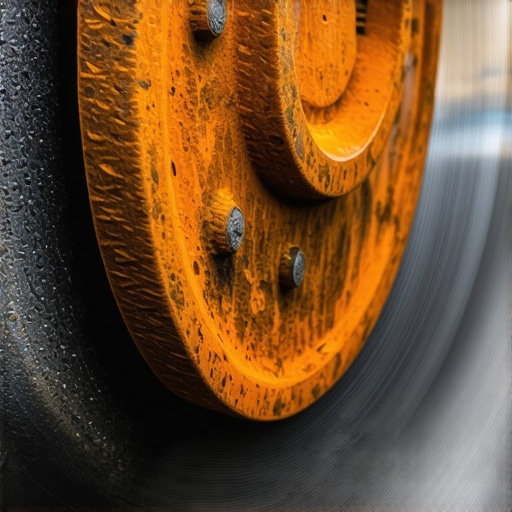
Don’t just listen; use your eyes. Peer through the gaps in your rims (or pull the wheel if you have steelies) and look at the rotor surface. A healthy rotor should look like a polished mirror. If you see dark spots or blue tinting, you’re looking at heat damage. If you see circular grooves like an old vinyl record, your pads are likely shot. This visual inspection is a core part of tune-up your car for peak performance protocols. Sometimes, you might even notice the real reason your rear brakes wear faster than fronts, which often involves the electronic brake force distribution or a sticking caliper pin that’s keeping the pad in contact with the rotor too long.
The Finger Test for Rotors
Wait for the car to cool down—seriously, don’t touch hot rotors—and run your fingernail across the surface from the center outward. If your nail catches on a lip at the edge or falls into a valley, the rotor is thin and needs replacement. This isn’t just about noise; it’s about safety. While you are down there, it is the perfect time to ensure you know how to tell if your brake booster is losing pressure, as a firm pedal with a grinding noise often points to mechanical friction rather than hydraulic failure.
The Lug Nut Secret Nobody Tells You
Many drivers don’t realize that they actually cause their own brake grinding and vibrations. If you’ve recently changed a tire and used an impact wrench to blast the nuts on as tight as possible, you might have distorted the rotor. Learning the correct way to torque lug nuts to prevent rotor warping is the difference between a smooth ride and a permanent ‘thump-thump’ every time it rains. Use a torque wrench and follow a star pattern. It takes an extra two minutes but saves you hundreds in parts. This attention to detail is what separates a DIYer from someone who just makes things worse.
The Checklist That Costs You Money
People often assume that more maintenance is always better, but I’ve seen enthusiasts actually shorten the life of their components by being too aggressive. For instance, many believe a thorough brake service requires drenching every visible part in brake cleaner. In reality, over-spraying can strip the specialized molybdenum grease from the slide pins, leading to the very seizing you were trying to prevent. Precision beats volume every single time. When you are following a car service checklist, context is your best tool.
Avoid the Chemical Trap
A common mistake I see is the ‘spray-it-and-forget-it’ approach to interior noises. I’ve seen drivers try to quiet a squeaky brake pedal inside your cabin by using generic penetrating oil, which eventually attracts dust and turns into a sticky abrasive paste. Instead, you need a specific lithium or silicone-based lubricant that won’t degrade plastic bushings. Mastering understanding brake system repairs means knowing the ‘why’ behind the lubricant, rather than just grabbing the first can on the shelf.
Is there a real benefit to flushing fluid every year?
The short answer is usually no, unless you’re driving in extreme conditions. While some shops push for aggressive schedules, data from the Car Care Council suggests that for most modern daily drivers, a two-to-three-year interval is the sweet spot. The nuance most people miss is that brake fluid is hygroscopic—it literally sucks moisture out of the air. Even if your brakes feel firm, that hidden moisture lowers the boiling point of the fluid and corrodes the internals of your expensive ABS module.
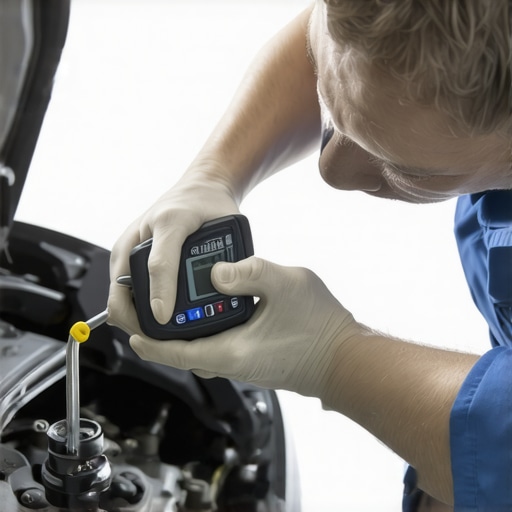
I’ve also noticed a shift in the definition of a ‘tune-up.’ In the 90s, it was about spark plugs and distributor caps. In 2025, it is almost entirely about software and sensor health. If you want to maximize your cars lifespan with expert tune-up strategies, you have to look at long-term fuel trims. A car can run seemingly ‘fine’ while actually being 10% off its optimal efficiency due to a lazy O2 sensor. This mindset shift is what transforms a simple tune-up your car for peak performance into a long-term reliability plan. Don’t fall for the ‘parts cannon’ trap where you replace components before troubleshooting common auto repair issues before visiting the shop. Have you ever spent money on a repair only to realize you were just treating a symptom instead of the cause? Let me know in the comments!
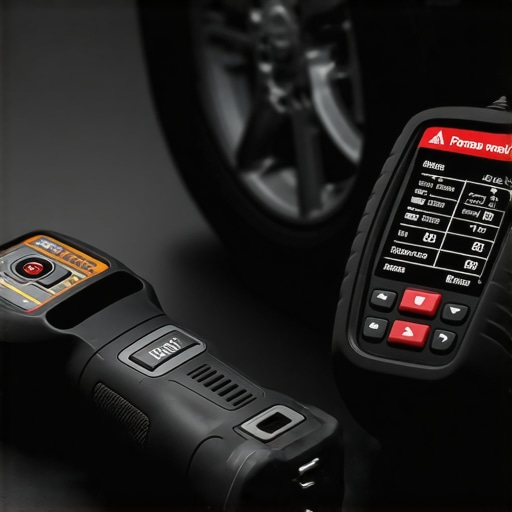
I have wasted thousands of dollars on parts I didn’t actually need before I realized that the most valuable tool in my garage isn’t a wrench—it’s a bidirectional scanner. I’m not talking about those cheap code readers from the bargain bin that just clear a check engine light. I’m talking about a tool that lets you talk back to the car. This is the real secret to troubleshooting common auto repair issues before visiting the shop. For instance, if you can command the ABS pump to cycle through the software, you can bleed the brakes perfectly every time without a second person. This level of technical precision is what turns a basic car service checklist into a professional-grade maintenance routine.
The One Tool That Stopped My Guesswork
Another item I refuse to work without is a high-quality, click-type torque wrench. I mentioned rotors earlier, and I cannot stress enough that the correct way to torque lug nuts to prevent rotor warping is to use a calibrated tool, not your ‘calibrated arm.’ According to the Society of Automotive Engineers (SAE) J1703 standard, even microscopic deviations in fluid quality or uneven mechanical pressure can drastically alter braking performance over time. When you use the right torque, you ensure the heat is distributed evenly across the hub. It’s a small step that prevents the brake service myths about ‘bad rotors’ from becoming your reality.
Software is the New Spare Part
As we look toward the future, the game is changing rapidly. I’m seeing auto repair trends to watch in 2025 that focus heavily on ADAS (Advanced Driver Assistance Systems) calibration. Soon, even a simple understanding brake system repairs will require you to know how to reset the steering angle sensor or calibrate the distance sensors that help your car emergency brake. If you want to maximize your cars lifespan with expert tune-up strategies, you need to be as comfortable with a laptop as you are with a socket set. I’ve personally used a smoke machine to solve a rough idle in ten minutes that a local shop wanted $400 to diagnose. Learning how to find an evap leak using a simple smoke machine is a total game-changer for the DIY mechanic.
How do I keep my car running for decades?
The answer is consistency over intensity. It is far better to do a quick tune-up your car for peak performance every six months than to wait for a major breakdown and try to fix everything at once. This means checking your fuel trims and keeping an eye on the health of your battery terminals before they corrode. I encourage you to try one specific thing this weekend: plug in a scanner and check your ‘Short Term Fuel Trims’ while the car is idling. If they are higher than 10%, you have a vacuum leak that hasn’t triggered a light yet. Catching that now will save your catalytic converter down the road.
What My Empty Wallet Taught Me About Brake Noise
Over the years, I’ve learned that the loudest noises aren’t always the most expensive. My biggest lightbulb moment happened when I realized that mechanical sympathy—the art of understanding how parts interact—is worth more than any specialized tool. I once replaced an entire set of calipers because I didn’t understand why your brake pedal squeaks every morning. It turned out to be a $2 bushing, not a $400 hydraulic failure. Another lesson? Don’t let a clean engine bay fool you. Sometimes, a bit of road grime protects a seal, while aggressive degreasing can cause premature leaks. Finally, trust your gut but verify with data. If the car feels different, it probably is.
The Gear That Saved My Sanity
If you want to move beyond guessing, I highly recommend investing in a few specific items. First, a bidirectional OBD2 scanner is mandatory for modern auto repair; it allows you to test components without tearing them apart. Second, I always keep a copy of the specific factory service manual for my vehicle—it’s the bible that bypasses generic advice. For those looking to dive deeper, the simple way to check for vacuum leaks with smoke is a technique I use monthly to ensure my engine stays efficient. Lastly, a calibrated torque wrench is the only way to ensure the correct way to torque lug nuts to prevent rotor warping, which is the secret to long-lasting brakes.
#IMAGE_PLACE_HOLDER_E#
Take Control of Your Commute
You don’t need to be a master mechanic to keep your car safe and quiet. By paying attention to the morning scrape and knowing when it’s just surface rust versus a cry for help, you’re already ahead of 90% of drivers. Taking proactive steps like a regular tune up or checking your own fluid levels can be the difference between a car that dies at 100k miles and the truth about why my car finally hit 200000 miles. Don’t be afraid to get your hands a little dirty this weekend—your wallet will thank you later. Have you ever ignored a mysterious car noise only to have it turn into a massive repair bill later? Let me know your story in the comments below!