
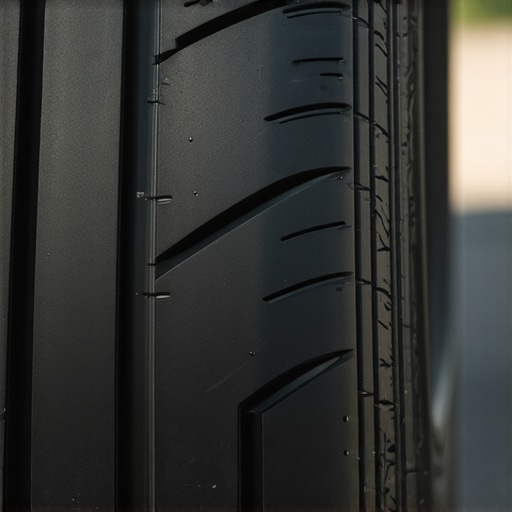
I just dropped nearly eight hundred bucks on a set of premium all-season tires, expecting my car to glide home in library-quiet bliss. Instead, the second I hit the highway, it sounded like I was being followed by a swarm of angry hornets. I was livid. I actually pulled over on the shoulder, convinced the shop had left the lug nuts loose or sold me a defective set of ‘seconds.’ It was a classic ‘lightbulb moment’ for me—one where I realized that just because rubber is new doesn’t mean it’s silent. In fact, sometimes new tread is exactly what exposes the hidden flaws in your suspension. Today, I’m going to help you diagnose that irritating rhythmic thumping or high-pitched whine so you can figure out if you need to head back to the shop or just give it some time.
Your New Rubber is Just Revealing Old Secrets
Most of us assume that a fresh set of tires will fix everything, but that’s a common misconception I fell for early on. Years ago, I blamed a reputable brand for a ‘noisy’ tire, only to find out my car’s alignment was slightly off. My old, bald tires had worn into a pattern that masked the issue, but the deep, stiff tread of the new ones began ‘feathering’ immediately, creating a loud roar. This is often why you might notice your brake pedal feels different after a tire change too; the new grip levels change how your car interacts with the road. According to the U.S. Tire Manufacturers Association (USTMA), new tires actually require a ‘break-in’ period of about 500 miles to allow the lubricants used in the molding process to wear off and the internal components to settle. During this window, noise levels can be significantly higher than you’d expect. If the noise persists, you should definitely how to tell if your car needs an alignment or new tires before the fresh rubber gets permanently ruined.
Wait, did the shop sell me a set of duds?
It is the first question everyone asks when they hear that hum: ‘Did I get scammed with cheap tires?’ While it’s a valid fear, the truth is usually more technical. Different tread patterns move air differently. Large blocks designed for snow or heavy rain trap air, and as they rotate, that air is compressed and released—essentially creating thousands of tiny ‘pops’ every second. Before you call the manager, you should learn how to read the date code on your tires to ensure they aren’t five-year-old rubber that has hardened on a shelf. Have you ever noticed your car getting noisier right after a service? I’d love to hear your story in the comments. Sometimes, even the way a shop handles the install can lead to a steering wheel feeling loose after an alignment, which only adds to the vibration and noise.
Differentiate Between Tire Hum and Mechanical Grinding
To figure out if the noise is actually the rubber or something more expensive, you need to play detective while driving. Find a smooth, paved road where you can safely reach highway speeds. If the sound changes pitch when you swerve slightly (staying within your lane), you are likely looking at a wheel bearing issue rather than a tire defect. A bad bearing is like a dry coffee grinder—it gets louder when you put more weight on it. If the noise is constant regardless of steering input, it’s the tread. Before you assume the worst, check out this guide on troubleshooting common auto repair issues before visiting the shop.
The Hand-Over-Tread Test for Feathering
Once you’ve parked, let the tires cool down and then run your palm firmly across the tread surface in both directions. It should feel smooth. If it feels like the scales of a fish—smooth one way but sharp or ‘stabbey’ the other—you have feathering. This is almost always caused by an alignment issue or worn suspension components. I learned this the hard way after mounting a set of high-performance summer tires on my old sedan. Within two weeks, they were screaming. I thought I had a bad batch, but after performing the simple test for worn out shocks using your own body weight, I realized my rear struts were completely blown, allowing the tire to bounce and wear unevenly. 
Narrow Down the Speed Where the Vibration Peaks
Does the noise only show up at a very specific speed? If your car is quiet at 40 mph but starts howling at 55 mph, you are likely dealing with a balance issue. Even a half-ounce discrepancy in weight can cause the tire to vibrate at its resonant frequency. You can find the real reason your car vibrates at exactly 55 mph by checking if the steering wheel shakes (front tires) or if the seat vibrates (rear tires). If the vibration is accompanied by a clicking sound during turns, you might need to learn how to spot a bad cv-axle before it snaps, as new tires provide more grip and put more stress on aging drivetrain parts.
Check the Installation Basics Yourself
Sometimes the noise isn’t the tire or the car, but the way it was put together. I once spent three days chasing a ‘clunk’ after a tire swap, only to find the tech hadn’t seated the wheel perfectly on the hub before tightening. Always verify the proper way to torque wheel bolts without a manual to ensure the wheel is flush. If you still hear a rhythmic thumping, try to how to use your ears to find a suspension clunk. Often, a loose brake caliper or a dust shield bent during the tire install can rub against the rim, creating a metallic scraping that sounds like a catastrophic tire failure. For a complete overview of what to check, consult the ultimate car service guide when and why to schedule maintenance to see if your vehicle’s overall health is contributing to the ruckus.It’s not just tires that lie to us. In my years of wrenching, I’ve seen countless drivers drop hundreds on ‘premium’ brake packages only to return a week later complaining about a mushy feel or a weird smell. The common belief is that a brake service is a simple ‘remove and replace’ operation. If the old pads are thin, you put new ones on, right? Wrong. This is the biggest ‘trap’ in auto repair. If you simply swap parts without addressing the hydraulic system, you’re often just masking a deeper issue, like a failing master cylinder or air trapped in the lines. I’ve seen this lead to situations where the fix for a soft brake pedal that mechanics keep missing is actually a simple bench-bleeding of the cylinder, not more expensive hardware.
Stop Falling for the ‘Lifetime Fluid’ Myth
Most people think brake fluid lasts forever, but that’s a dangerous nuance. Brake fluid is hygroscopic—it literally sucks moisture out of the air. The Car Care Council reports that moisture contamination can lower your fluid’s boiling point by up to 100 degrees, causing ‘brake fade’ when you need stopping power most. When this happens, you might notice why your brake fluid looks like coffee creamer, a clear sign of emulsified water and debris that’s eating your calipers from the inside out. Don’t let a shop tell you it’s ‘fine’ just because the level is full. You should check out brake service myths what you need to know before your next stop to avoid paying for services you don’t need while skipping the ones you do.
The Critical Break-In Step You’re Probably Skipping
Here is the ‘Oops’ factor that even experienced DIYers miss: the bedding process. If you’ve ever noticed the real reason your new brake pads are smoking, it might not be a fire—it’s the resins in the pads curing. Without a proper series of controlled stops to transfer a layer of pad material onto the rotor, you’ll end up with ‘glazing,’ which leads to squealing and poor performance. Learning the proper way to break in new brake pads and rotors is the difference between a professional-grade stop and a vibrating mess. 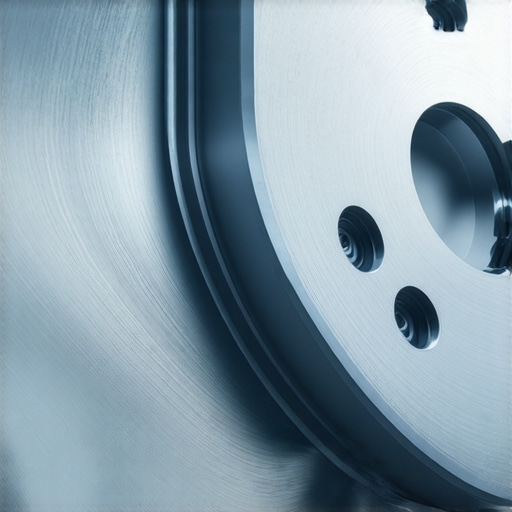
Why ‘Budget’ Parts Usually Cost You Triple
We all want to save money, but the nuance here is in the metallurgy. Cheap spark plugs or generic brake pads often lack the heat dissipation properties of OEM-spec components. I once tried to save twenty bucks on a tune-up using off-brand plugs, only to have the ceramic insulator crack and cause a misfire two weeks later. It’s why I always tell people to research the truth about budget spark plugs and engine performance before trying to shave a few dollars off their bill. These ‘savings’ usually result in a second trip to the shop and double the labor costs.
Why does my brake fluid turn dark if I don’t drive much?
This is a sophisticated question I get from classic car owners. Even if the car sits, the rubber seals in your braking system naturally break down and microscopic particles of the flexible hoses leach into the fluid. Combined with moisture absorption through the vent in the reservoir cap, the fluid oxidizes. It’s a chemical process, not a mechanical one. This is why following understanding brake system repairs a guide for vehicle owners is vital—it’s about time-based maintenance, not just mileage. Have you ever fallen into the ‘new parts, same problem’ trap? Let me know in the comments. Digging into these nuances is how you stop being a victim of the ‘parts cannon’ and start actually maintaining your vehicle.
Stop Guessing and Start Scanning
To truly move past the ‘parts cannon’ stage of DIY repair, you need to invest in more than just a basic code reader. I personally swear by bi-directional scan tools. Unlike the $20 dongles that just tell you ‘P0300,’ a bi-directional tool allows you to command the car’s computer to toggle specific components, like the cooling fan or the fuel pump, to see if they actually respond. According to the Society of Automotive Engineers (SAE) J1979 standard, modern vehicles utilize standardized diagnostic modes that allow us to see ‘Mode $06’ data—this is the raw data that shows if a cylinder is close to misfiring even before the Check Engine light pops. Using this data is how you maximize your cars lifespan with expert tune-up strategies because you are fixing components before they fail and cause secondary damage. 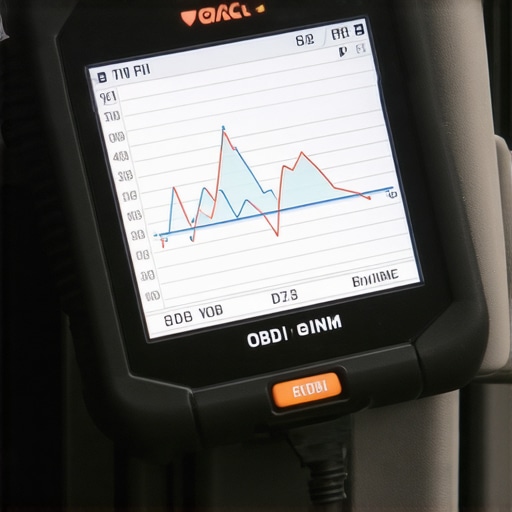
How do I maintain my car’s performance over the long haul?
The secret isn’t just one big repair; it’s the accumulation of small, consistent actions. You should be referencing a solid car service checklist how to keep your vehicle in top shape every six months. This includes checking for debris in your cabin air filter (which saves your blower motor) and ensuring your battery terminals are free of corrosion. When you stay on top of these, you’ll learn how regular tune-ups improve fuel efficiency and safety without having to spend a Saturday afternoon on a major overhaul. For those who want a structured timeline, I always point people toward the ultimate car service guide when and why to schedule maintenance to keep their sanity intact.
Predictive Tech is Coming for Your Garage
Looking ahead, we are seeing a massive shift toward telematics and predictive maintenance. We are moving away from ‘miles driven’ and toward ‘component health’ monitored in real-time. By the time we see auto repair trends to watch in 2025 staying ahead of the curve, your car might actually send you a text message telling you a specific wheel bearing is vibrating at a frequency that suggests it will fail in 200 miles. It sounds like science fiction, but the data is already there; we just need the consumer-level tools to read it. My advice? Don’t wait for a warning light. Next time you’re under the hood, try performing a ‘Mode $06’ scan with a quality tool to catch a failing ignition coil before it leaves you stranded. It’s the ultimate pro move for anyone serious about their vehicle’s health.
Expensive Mistakes That Taught Me More Than Any Manual
One of the biggest ‘lightbulb moments’ of my career happened when I realized that a clean car isn’t just about aesthetics—it’s about visibility into leaks and cracks before they become disasters. I spent years chasing ghosts in my suspension before realizing a simple $5 can of degreaser would have revealed the leaking strut on day one. Here are the hard truths I’ve gathered along the way:
- Always check your slide pins during every brake service; if they’re seized, your brand-new pads will wear unevenly and fail within months.
- The ‘parts cannon’ is the most expensive tool in your garage. Take ten extra minutes to test a circuit with a multimeter instead of assuming a sensor has failed.
- Don’t be afraid of ‘dealer-only’ parts for sensitive electronics. While the truth about budget spark plugs and engine performance shows they often fall short, OEM components ensure your car’s computer stays happy.
Gear and Guides That Actually Save Your Knuckles
If you’re serious about stepping up your DIY game, stop relying on the emergency jack in your trunk. A quality 3-ton floor jack and heavy-duty stands are the foundation of safe auto repair. Beyond the heavy metal, I highly recommend keeping a physical maintenance logbook—it is the most reliable way to maximize your cars lifespan with expert tune-up strategies. For those specific weekend projects, I constantly refer back to my own notes on the only way to fix grinding brakes without replacing rotors and the general tune up your car for peak performance essential maintenance tips. Having a reliable baseline of information prevents you from getting overwhelmed when a new noise pops up.
#IMAGE_PLACEHOLDER_E#
Make Your Car Last for the Next 100k Miles
Maintaining a vehicle can feel like a never-ending battle against wear and tear, but it’s actually one of the most rewarding relationships you can have with a machine. When you stop viewing your car as a mystery box and start seeing it as a collection of manageable systems, you gain a level of confidence and freedom that most drivers never experience. Whether you’re tackling a routine car service or a complex diagnostic, remember that reliability is built in the small details. If you ever find yourself facing a repair that feels out of your depth, don’t hesitate to contact us for professional insight. Your car has a lot of life left in it; it just needs a little bit of your time and attention.
Have you ever had a ‘mystery noise’ that turned out to be something incredibly simple like a loose heat shield or a pebble in the brake dust shield? Let me know in the comments—I love hearing your DIY victory stories!