
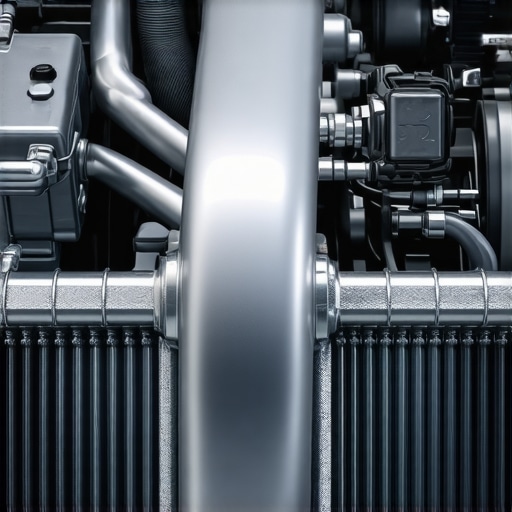
I still remember the feeling of my stomach dropping when I saw that thin wisp of smoke curling out from under my hood on a sweltering July afternoon. I was halfway through a road trip, loaded down with gear, and thinking my truck was invincible. Then came the smell. It wasn’t oil, and it wasn’t coolant. It was that distinct, acrid scent that happens when you’re literally cooking your gears. I learned the hard way that ignoring your transmission temperature is the fastest path to a four-figure repair bill. That day, I wasn’t just a driver; I was a cautionary tale. I’d skipped my regular car service, thinking I could squeeze another thousand miles out of the old fluid. My transmission didn’t just fail; it melted from the inside out because I didn’t understand the physics of heat. Today, I want to make sure you never have to stand on a greasy shoulder waiting for a tow truck like I did. We are going to dive into the simple, often overlooked habits that keep your gearbox cool, calm, and collected, even when the pavement is hot enough to fry an egg.
Stop Cooking Your Gearbox Before the Repair Bill Cooks Your Wallet
Heat is the undisputed heavyweight champion of transmission killers. It’s not high mileage or aggressive driving alone that does it; it’s the thermal breakdown of the fluid that’s supposed to be protecting those intricate metal parts. When your fluid gets too hot, it loses its ability to lubricate, and that is when the friction takes over. If you’ve ever wondered the real reason your transmission fluid smells like fish, it’s usually because the organic compounds in the oil have been scorched beyond recognition. I once thought I could just ignore a slight shudder while driving, but it turned out my system was struggling to stay cool. According to the Automatic Transmission Rebuilders Association (ATRA), nearly 90% of all automatic transmission failures are caused by heat, and a mere 20-degree increase in operating temperature can cut the life of your unit in half. That is a terrifying statistic when you realize how quickly a summer traffic jam can spike those numbers. Have you ever noticed your car shifting a little slower when the mercury rises, or maybe you’ve caught a whiff of something burnt after a long haul? If so, your transmission is screaming for help.
Is High-Quality Transmission Fluid Actually Worth the Extra Cash?
Many folks ask me if they can just get away with the cheapest bottle on the shelf. In my early days, I tried that. I figured all red liquid was created equal. I was wrong. Modern transmissions are incredibly sensitive to viscosity and heat resistance. Whether you are performing a transmission flush vs a drain and fill, the quality of what you put back in determines how well your car handles stress. You might also find that your engine overheats only when you go up a hill, which places an enormous thermal load on your transmission through the shared cooling system. Investing in a better synthetic fluid or an auxiliary cooler isn’t just “car person” talk; it is survival gear for your vehicle. We’re going to look at the specific steps you can take right now—from checking your levels correctly to knowing when to add an external cooling loop—to ensure your commute doesn’t turn into a catastrophe.
Check Your Fluid While It Is Hot and Idling
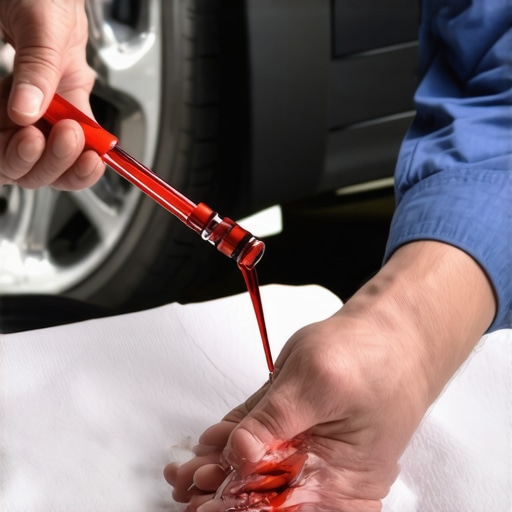
To stop the heat from winning, you need to start with the basics: your dipstick. I once made the rookie mistake of checking my fluid while the engine was stone cold and turned off. I thought I was low, added a quart, and ended up with a frothy mess that leaked out of the vent tube because the fluid expanded significantly once it reached operating temperature. Most manufacturers require the engine to be running and the transmission to be warm to get an accurate reading. Pull the stick, wipe it on a clean white rag, and inspect the color. If it is anything other than a bright, translucent red, you are already behind the curve. If your automatic transmission hesitates between second and third, that is a clear sign the fluid is either low or has lost its hydraulic integrity due to thermal breakdown.
Install an Auxiliary Cooler to Fight the Summer Heat
Beyond just checking the level, you have to look at the supporting cast. Your transmission doesn’t live in a vacuum; it shares a cooling system with your engine. If your radiator is clogged or your coolant is old, your transmission fluid is essentially being bathed in a hot tub rather than being cooled. You might even notice that your engine temp drops when you turn the heater on, which is a classic indicator that your primary cooling system is struggling to keep up. When this happens, your transmission is the first component to suffer. If you are towing a heavy load or driving through steep mountain passes, a standard radiator cooler is often insufficient. This is where an auxiliary transmission cooler becomes essential. It is a small, radiator-like device that mounts in front of your AC condenser, providing the fluid with its own dedicated airflow and a much-needed thermal break.
Test Your Solenoids Before Committing to a Rebuild
Don’t ignore the electronics that live inside the pan. Modern gearboxes are controlled by solenoids that act like traffic cops for your fluid. If one gets sticky from heat-induced sludge, your shifts will feel like a sledgehammer hitting the floorboards. You can actually perform the DIY way to test a transmission solenoid at home with a basic multimeter before you assume the whole unit is junk. I have seen many drivers spend thousands on a full rebuild when a single inexpensive solenoid was the real culprit. Keeping a comprehensive car service checklist helps you remember to check these electronic components during every major service interval. If you want to ensure the entire system is healthy, you can also learn how to test your own thermostat in a pot of boiling water to confirm your engine’s cooling cycle isn’t sabotaging your transmission’s longevity.
While managing transmission heat is vital, it’s only one part of the survival equation for your vehicle. Many drivers are equally misinformed when it comes to their stopping power and engine efficiency. Let’s look at a common scenario: you’re driving down a steep grade, you hit the brakes, and the steering wheel starts shaking like a leaf. Most mechanics will tell you that your rotors are warped, but I’m here to tell you that this is almost always a myth. In my years of diagnosing tricky vibrations, I’ve found that actual structural warping of a cast-iron rotor is incredibly rare. What you are likely feeling is Disc Thickness Variation (DTV). This happens when brake pads aren’t bedded in correctly, leading to an uneven layer of friction material being baked onto the rotor surface. If you don’t follow the proper way to break in new brake pads and rotors, you create high spots of cementite that cause that pulsating feeling. According to technical white papers from brake engineering firm StopTech, what we perceive as ‘warpage’ is nearly always this irregular transfer layer, not a bent disc.
Stop Blaming Warped Rotors for Your Shaking Steering Wheel
The real ‘oops’ factor comes when people try to solve this by simply throwing new parts at the car without addressing the root cause. If you’ve ever wondered the only way to fix grinding brakes without replacing rotors, it often involves a more aggressive re-bedding process or a proper resurfacing. But there is a dangerous trap: if you ignore the hydraulic side, your new parts won’t last a month. I’ve seen enthusiasts spend a fortune on high-end kits only to have them fail because they didn’t know how to spot a collapsed brake hose in seconds. An internal restriction in the hose can act like a one-way valve, keeping pressure on the caliper and overheating the rotor until that pulsating vibration returns. 
Can Using the Wrong Spark Plug Brand Actually Decrease Your Fuel Economy?
When it comes to a standard tune-up, many folks think any spark plug that fits the hole is good enough. This is a massive mistake in modern, high-compression engines. I once helped a neighbor who was complaining about a rough idle and a 20% drop in MPG after a ‘cheap’ tune-up. It turns out he used budget copper plugs in a system designed specifically for iridium. To truly tune up your car for peak performance, you must match the exact heat range and resistance the manufacturer specified. Ignoring the truth about budget spark plugs and engine performance can lead to pre-ignition or computer-controlled timing retardation that saps your power. You should also take a peek at your reservoir; if your brake fluid looks like coffee creamer, it’s not just old—it’s contaminated with moisture and potentially air, which will lead to a soft pedal regardless of how new your pads are. Have you ever fallen into the ‘warped rotor’ trap or seen your MPG tank after a simple service? Let me know in the comments.
The Scan Tool That Actually Talks Back to Your Car
For years, I relied on one of those twenty-dollar Bluetooth dongles to read codes. It was fine for clearing a check engine light, but it never told me why the light was on. To truly master auto repair, I eventually invested in a bi-directional scan tool. The reason I use this personally is for active testing. Instead of guessing if a cooling fan is dead, I can command the car’s computer to turn it on while I am standing right there. This level of car service sophistication is what separates a parts-changer from a diagnostic expert. If you are troubleshooting common auto repair issues before visiting the shop, being able to actuate a fuel pump or a transmission solenoid with a button press saves hours of back-probing wires. I also use it to monitor live data, such as fuel trims; sometimes the hidden benefit of cleaning your mass air flow sensor is only visible when you see those numbers return to a normal range in real-time. According to technical documentation from Robert Bosch GmbH, even minor sensor inaccuracies can lead to a 10% increase in fuel consumption without ever triggering a hard fault code.

How do I maintain my car’s peak performance over the long haul?
Maintenance isn’t just about what you do today; it is about the data you keep. I maintain a rigorous digital log of every brake service and tune up I perform. This isn’t just for my own sanity; it builds a value profile for the vehicle. Following a strict car service checklist ensures that I am never surprised by a dry ball joint or a leaking master cylinder. I’ve found that focusing on the small stuff—like checking the acidity of your coolant or the copper content in your brake fluid—prevents the massive failures that usually happen at 100,000 miles. When you consistently tune up your car for peak performance, you aren’t just making it faster; you’re reducing the vibration and friction that lead to structural fatigue. You will likely find that how regular tune ups improve fuel efficiency and safety is most apparent during long-distance hauls where engine heat and brake friction are at their maximum.
What the Next Five Years Look Like for Your Garage
As we look toward auto repair trends to watch in 2025 staying ahead of the curve, the DIY landscape is shifting. We are moving away from simple mechanical fixes and into the realm of software calibration. Auto repair trends to watch in 2025 staying ahead of the curve suggest that even basic brake jobs on newer models might require a diagnostic tool to retract electronic parking brake calipers or recalibrate ADAS sensors. I predict that the most valuable tool in your box won’t be a wrench, but a laptop. However, the fundamentals will always matter. If you want to take your skills to the next level today, I challenge you to do more than just read your codes; use a multimeter to check for a voltage drop across your battery terminals while the car is cranking. It is the single best way to find a failing starter before it leaves you stranded. Have you ever tried a deep-dive diagnostic like this, or do you prefer to keep it simple?
The Hard Lessons That Saved My Fleet and My Sanity
Over the years, I’ve realized that the biggest mistake isn’t making a mechanical error; it’s ignoring the subtle signs your vehicle gives you. I used to think ‘lifetime’ fluid meant I never had to touch it, but I eventually learned that manufacturers often define ‘lifetime’ as only the length of the warranty. If you want to maximize your cars lifespan with expert tune up strategies, you have to look past the marketing. I also learned that cleanliness is more important than the most expensive torque wrench; a single grain of sand in a valve body or a fingerprint of grease on a rotor can cause a failure that looks like a part defect. Most importantly, I’ve seen that brake service myths what you need to know before your next stop often lead people to spend money on parts they don’t need while ignoring the hydraulic issues that actually cause the problem.
Gear That Lives in My Personal Diagnostic Bag
I don’t leave my garage without a few specific items that have proven their worth through hundreds of repairs. First is a high-quality bi-directional scan tool; it’s the only way to perform the active tests I mentioned earlier without tearing half the car apart. #IMAGE_PLACEHOLDER_E# Second, I always keep a bottle of brake parts cleaner and a dedicated wire brush to ensure every surface is surgical-grade clean before assembly. If you are struggling with a spongy feel, you might find the fix for a soft brake pedal that mechanics keep missing is often as simple as a proper bleed or checking for air trapped in the ABS module. Finally, I never start a job without the factory service manual—even for a simple tune up—because knowing the exact torque specs prevents the nightmare of a snapped bolt in an aluminum head.
Becoming the Master of Your Machine’s Destiny
Taking control of your own auto repair journey is incredibly empowering. It turns a source of anxiety into a series of solvable puzzles. Whether you’re investigating brake system repairs or simply performing your first fluid check, remember that every expert was once a beginner standing over a smoking engine. Consistent, high-quality car service isn’t just about saving money; it’s about the peace of mind that comes from knowing exactly what’s happening under your hood. Don’t be afraid to get your hands dirty—your car will thank you for it. Have you ever discovered a ‘hidden’ problem during a routine check that could have turned into a disaster? Let me know in the comments below!