

I remember pulling onto the I-77 outside of Charlotte on a rainy Tuesday evening when my car suddenly decided to act like a bucking bronco. The engine stumbled, the power dropped, and then I saw it—the dreaded check engine light wasn’t just on; it was flashing. If you have ever felt that pit in your stomach while your vehicle shudders under load, you know exactly why I was sweating. I pulled over, hooked up my cheap scanner, and there it was: P0300. At that moment, I didn’t see an error code; I saw dollar signs flying out of my bank account.
When Your Dashboard Decides to Start Winking at You
That flashing light is the car’s way of screaming that a misfire is happening right now, and it is potentially melting your expensive catalytic converter. The P0300 code is the ultimate automotive riddle because it represents a ‘Random or Multiple Cylinder Misfire.’ Unlike a P0301 which points to a specific cylinder, P0300 is vague, temperamental, and notoriously difficult to pin down. In my early days of DIY wrenching, I made the expensive mistake of ‘parts cannon’ repair—I replaced the fuel pump, the coil packs, and even the oxygen sensors before realizing how a simple tune-up fixed my mystery hesitation for a fraction of the cost. I spent nearly $600 on parts I didn’t need because I was chasing ghosts instead of following a diagnostic path. Today, I want to save you from that same financial headache. We are going to break down the real-world costs of this code and how to tell if you are looking at a $20 fix or a $1,500 overhaul.
Will this P0300 code actually drain my savings account?
It is the question every driver asks while staring at the service desk. The short answer is: not necessarily, but it depends on how long you wait. According to data from RepairPal, a misfire diagnosis typically costs between $88 and $111 just to get an answer, which is why troubleshooting common auto repair issues before visiting the shop is vital for your wallet. I have seen folks get quoted for an entire engine replacement when the actual culprit was a cracked vacuum hose or a fouled spark plug. Have you ever had a mechanic try to sell you the ‘everything but the kitchen sink’ repair package the moment they saw this code on your dash? It’s a common scare tactic, but we’re going to look at how to tell if your computer is giving you a false error code before you agree to any major surgery.
Stop Throwing Parts at the Problem
Before you start buying new sensors, you need to understand that a P0300 is often a symptom of neglected maintenance rather than a catastrophic failure. I once spent an entire weekend ripping apart a manifold only to find out my battery was dying—weird electrical drops can actually cause the computer to miscalculate timing. This is why a car service checklist is so important; it keeps the small stuff from turning into ‘P0300’ sized problems. If you ignore the stuttering, you aren’t just losing fuel efficiency; you are actively killing your engine’s internals. Stick with me, and I’ll show you the exact steps I use to diagnose a misfire without spending a dime on parts you don’t need.
Hunt for Hidden Air Leaks First
Instead of guessing, the first thing I always do is check the air-to-fuel ratio. Think of your engine like a campfire; if you smother it with too much wood or don’t give it enough oxygen, it flickers out. A P0300 often means the entire ‘fire’ is struggling across all cylinders because the mixture is off. I once spent three hours testing fuel injectors on a neighbor’s sedan only to realize a tiny crack in the intake boot was letting in ‘unmeasured’ air. It was a classic vacuum leak that bypassed the sensors. You can actually find these yourself without fancy equipment; for instance, I’ve used the simple way to detect a small vacuum leak using a simple cigar to see where smoke gets sucked into the manifold. It looks ridiculous standing in your driveway with a cigar, but when you see that smoke disappear into a hidden crack, you’ve just saved yourself a $100 diagnostic fee at the shop. 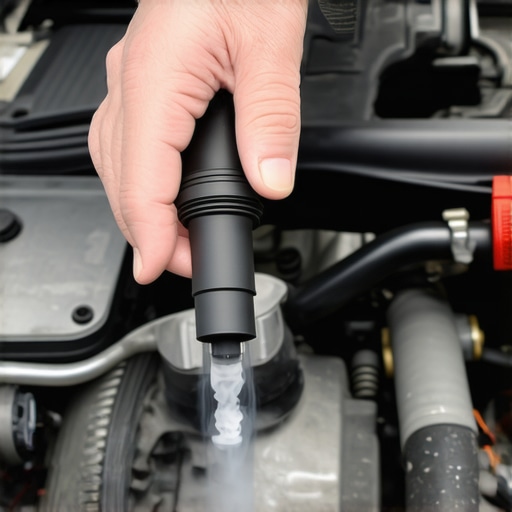
Inspect Your Plugs Without Ruining the Cylinder Head
Next, you have to look at the condition of your spark plugs. If they are covered in black soot or the gap has eroded too wide, the spark can’t jump efficiently, causing a random stumble. This is where a tune up becomes your best friend and the most logical starting point. When you’re pulling them out, be careful not to rush, especially with modern aluminum heads. I learned the hard way that a cross-threaded head is a multi-thousand dollar nightmare, so always take the time to learn the trick to replacing a spark plug without stripping threads. If the plugs look white and blistered, your engine is running ‘lean’—meaning there is too much air and not enough fuel. This usually points back to that vacuum leak or perhaps a failing sensor that is lying to the computer.
Test the Heartbeat of Your Fuel System
Don’t ignore the fuel delivery system. If your car stutters specifically when you’re trying to merge or during heavy acceleration, your fuel pump might be gasping for breath. You can usually identify a failing fuel pump by checking the pressure at the fuel rail with a rented gauge. If the pressure drops when you rev the engine, you’ve found your ghost. Sometimes, the fix is even simpler than a pump. A gummed-up intake can cause erratic idling and random misfires that drive you crazy. I’ve seen huge performance gains just by learning how to clean your throttle body to restore throttle response. This clears out the sticky carbon deposits that prevent the butterfly valve from moving smoothly, which often confuses the computer and triggers that P0300 code.
Dirty Sensors Can Sabotage Your Engine
I’ve had cases where the P0300 wasn’t even about the engine’s mechanical parts. Once, my wife’s SUV kept throwing misfire codes specifically on cold, damp mornings. I checked the plugs and the fuel pressure, and everything looked perfect. It turned out the battery was old and struggling to provide consistent voltage to the ignition coils during the initial start-up. Using the simple way to test battery strength at home, I found a weak cell that was causing electrical interference. Before you let a shop talk you into a new catalytic converter, remember that troubleshooting common auto repair issues before visiting the shop is the only way to ensure you aren’t paying for their guesswork. Even a dirty Mass Air Flow (MAF) sensor can cause a P0300 by miscalculating how much air is entering the engine, leading to a misfire that feels like a transmission problem but is actually just a five-minute cleaning job.
One of the biggest lies in the automotive world is the idea of ‘lifetime’ parts or fluids. I have seen enthusiasts skip a transmission flush because their manual claimed the unit was sealed for life, only to end up with a $4,000 rebuild at 120,000 miles. It is the same with your cooling system. You might think your car is fine because the temperature needle stays perfectly in the middle, but the hidden cost of skipping a scheduled coolant flush is a slow, silent erosion of your water pump and heater core. According to research from the Car Care Council, neglected maintenance is a leading cause of roadside breakdowns, yet many drivers treat ‘scheduled service’ as a suggestion rather than a requirement. The irony is that how regular tune-ups improve fuel efficiency and safety is backed by raw data—neglecting the small stuff is what actually leads to the catastrophic failures that make people dread the mechanic.
Don’t Fall for the Lifetime Fluid Myth
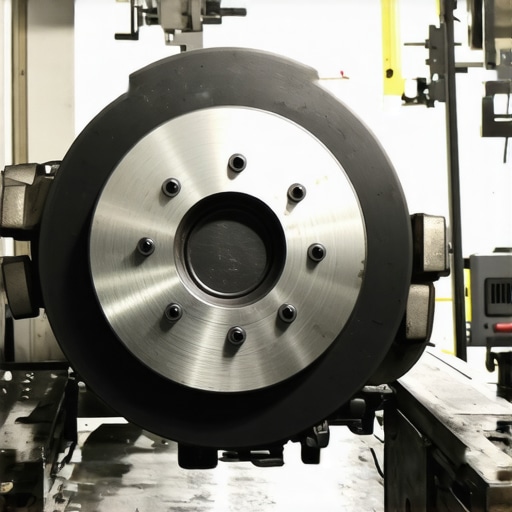
Then there is the ‘brake job’ trap that catches even seasoned DIYers. Most people think you just slap on some fresh pads and hit the road. But if you do not take ten minutes to learn the simple way to bed in new brake pads, you are going to end up with glazed rotors and that annoying, high-pitched squeak within a month. People often fall for brake service myths what you need to know before your next stop, assuming the most expensive ceramic pad is always the best choice. In reality, a racing-spec pad on a daily-driver grocery-getter will actually stop worse in cold weather because it never reaches the proper operating temperature to create friction.
Can a brand new part actually make your car run worse?
The answer is a frustrating yes. In the industry, we call this ‘Infant Mortality’ of auto parts. Cheap, ‘white-box’ sensors from discount websites often have slightly different resistance values than the original equipment. I once spent two weeks chasing a P0300 code only to find out the ‘new’ coil pack the owner installed was a low-quality knockoff that could not handle the heat of a long highway drive. This is why the truth about synthetic oil in high-mileage engines matters so much; it is not just about the brand name on the bottle, it is about the chemistry matching your engine’s specific wear state and seal condition. If you are troubleshooting, always ask yourself if the problem started shortly after you ‘fixed’ something else with a budget-bin part.
The Pro-Level Maintenance Mindset
The secret to hitting 200,000 miles is not just about changing the oil; it is about knowing when to stop ‘fixing’ things that are not broken and when to double down on preventative measures. I have seen folks spend hundreds on snake-oil fuel additives while ignoring a dry-rotted serpentine belt that is one mile away from snapping. Before you head to the shop next time, remember that troubleshooting common auto repair issues before visiting the shop gives you the leverage you need to avoid ‘upsell’ culture. Have you ever fallen into the ‘cheap parts’ trap or had a ‘lifetime’ fluid fail on you? Let me know in the comments below!
I’ve learned that the difference between a ‘driveway warrior’ and a pro isn’t just years of experience—it’s the quality of the data they use. If you’re still using that $20 plastic scanner from the gas station, you’re essentially trying to read a book in a dark room with a candle. I upgraded to a bidirectional scan tool a few years ago, and it changed everything. Instead of just reading a P0300 code, I can now tell the car to fire a specific fuel injector or activate the ABS pump while I’m sitting in the driver’s seat. This level of control is exactly how I survived my last major project without losing my mind while understanding brake system repairs a guide for vehicle owners.
How do I keep my high-mileage car feeling new?
The secret isn’t just one big repair; it’s the relentless accumulation of small wins. I keep a physical logbook in my glovebox—not a digital app, but a real notebook where I record every torque spec and part brand I use. This helps me spot patterns, like if a specific brand of belt always starts squealing at 30,000 miles. When you combine this with the ultimate car service guide when and why to schedule maintenance, you create a roadmap for a vehicle that can easily double its expected lifespan. Most people wait for a noise to start fixing things, but I prefer to replace components on a schedule based on wear cycles I’ve tracked myself.#IMAGE_PLACE_HOLDER_D#
Stop Guessing with a Bidirectional Scanner
To really step up your game, you need to see ‘Live Data.’ According to the SAE J1979 technical standard, the OBDII system provides a wealth of real-time PIDs (Parameter IDs) that show you exactly what the O2 sensors and fuel trims are doing while you drive. If I see my long-term fuel trims hitting +15%, I know I have a vacuum leak before the check engine light even blinks. This proactive approach is the core of how to maximize your cars lifespan with expert tune-up strategies. It turns you from a parts-replacer into a diagnostic specialist.
The Software-First Future of Your Garage
Looking ahead, we are seeing a massive shift in the industry. As we look at auto repair trends to watch in 2025 staying ahead of the curve, the ‘wrench’ of the future is going to be a laptop and a secure gateway access (SGA) subscription. Manufacturers are locking down their modules, making it harder for independent owners to reset things like steering angle sensors or battery registrations. If you want to keep working on your own cars, you’ll need to invest in tools that support CAN-FD and DoIP protocols. It’s an extra hurdle, but it’s the only way to stay in the game. I want you to try something this weekend: don’t just check your oil. Plug in a scanner, go to the ‘Live Data’ screen, and look at your coolant temperature after a 15-minute drive. If it’s not hitting the thermostat’s rated temp, you might have a lazy thermostat stealing your fuel mileage. It’s a tiny check that can save you big money.
The Hard Truth About Random Misfires and Misleading Computers
I used to think the car’s computer was an infallible genius, but I realized it is more like a panicked witness. It sees a problem but can’t always tell you the root cause. I once spent a full week on a project car that kept failing because of the unexpected reason my car failed the inspection: a loose ground wire near the firewall. It taught me that electrical ghosts are often the real culprits behind ‘random’ errors. Don’t overlook how professional diagnostics found my ghost electrical leak when you’re stuck in a loop. Also, never underestimate a clean surface; how to fix a squealing belt using the water spray test taught me that small contaminants can cause huge diagnostic headaches. Finally, if you’re dealing with sensors, always buy OEM. Cheap knockoffs will lie to you and make you replace perfectly good parts.
Toolbox Essentials for the Modern Home Mechanic
I don’t just rely on luck; I rely on a few specific tools that have earned my trust over thousands of miles. First, get a decent multimeter to check the battery and alternator—it is the only way to know how to tell if your alternator is overcharging the system. Second, I swear by a dedicated vacuum tester; it is far more reliable than the cigar trick for finding tiny pinholes in plastic lines. Third, I always keep a bottle of MAF cleaner and throttle body cleaner on hand. These are the front-line soldiers in my quest to maximize your cars lifespan with expert tune-up strategies. Before you drive to a shop, spend thirty minutes with troubleshooting common auto repair issues before visiting the shop to see if you can solve it with a $10 can of specialized spray.
Take Control of Your Maintenance Journey Today
I know that flashing light feels like a countdown to a breakdown, but you have already taken the biggest step by learning how the system works. Whether you’re doing a full tune-up or just investigating a weird noise, you’re building a relationship with your machine. Following the ultimate car service guide when and why to schedule maintenance will keep you ahead of the curve and prevent small issues from snowballing. Dealing with a P0300 code is just a rite of passage for every DIYer. The truth about why my car finally hit 200000 miles isn’t about luck—it’s about the persistence and curiosity you’re showing right now. Have you ever replaced a part only for the same error code to come back the next day? Let me know about your diagnostic ‘ghosts’ in the comments below!