
I remember the exact moment I realized I was failing my car. It was a Tuesday, and I was braking for a red light when my steering wheel started shaking like it was trying to escape my hands. I’d just done a full brake service less than 90 days ago. I was frustrated, broke, and convinced that every rotor manufacturer on the planet was selling me junk. I felt like I was throwing money into a bottomless pit of iron and brake dust, repeating the same expensive ritual every few months without any real progress. [image placeholder]
Stop Replacing Rotors and Start Fixing the Root Cause
For years, I believed the lie that rotors just “warp” like a piece of wet wood in the sun. I’d swap them out, get a smooth ride for a few thousand miles, and then the mystery of why your car pulses every time you hit the brakes would become my daily reality again. It took a lot of greasy knuckles and a deep dive into understanding brake system repairs to realize I was making a rookie mistake: I was ignoring the hub surface and the chemistry of the brake pads themselves. I wasn’t cleaning my mounting surfaces, which meant my brand new rotors were sitting slightly crooked from day one. Even a microscopic bit of rust on the hub can lead to a massive vibration at 60 mph. Most people think they have a “warped” rotor when what they actually have is uneven pad deposit or a stuck caliper pin that’s cooking the metal. If you’ve been struggling with this, you might also want to look into how to spot a leaking brake caliper before it fails, as a dragging piston is often the secret culprit behind excessive heat.
Is it really my driving or just cheap parts?
You might be thinking your rotors are just made of “cheap steel,” and while quality matters, that’s rarely the whole story. I used to think the same thing until I learned about cementite—a hard, abrasive material that forms when rotors get too hot in specific spots. If you don’t follow the simple way to bed in new brake pads, you’re essentially setting yourself up for failure by allowing material to transfer unevenly. According to technical bulletins from the National Highway Traffic Safety Administration (NHTSA), brake system failure or degradation is a contributing factor in roughly 22% of vehicle-related crashes, which is why getting this right isn’t just about comfort—it’s about survival. Have you ever felt that sinking feeling of a “warped” rotor returning just weeks after a repair? I want to hear about your experience in the comments below. Today, I’m going to show you how to break the “warping” cycle for good by focusing on the often-overlooked details of a proper car service checklist that most shops skip to save time.
Scrub the Hub or Suffer the Shakes
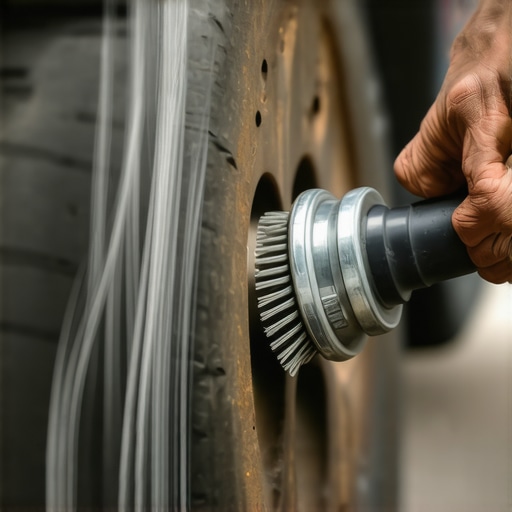
The biggest mistake I ever made was assuming a shiny new part could overcome a dirty mounting surface. I once spent four hours on a Saturday afternoon fighting a nasty vibration on my old Civic. I’d installed top-tier rotors, but I didn’t bother with a wire brush, thinking a quick wipe with a greasy rag was enough. Three weeks later, the pulse was back. It wasn’t the parts; it was the thin layer of rust I’d left behind, acting like a shim that threw the whole assembly out of alignment. Think of it like putting a high-end mattress on a pile of gravel—you’re never going to get a flat surface. You need to use a hub cleaning tool or a drill-mounted wire brush to get that metal looking like a mirror before the new rotor even touches it. If you skip this, you’re basically inviting lateral runout to ruin your commute.
Clear the Invisible Debris
Even if you can’t see the buildup, microscopic scales of rust create high spots. When the rotor sits on these spots, it wobbles as it spins. It might only be a few thousandths of an inch, but at highway speeds, that wobble causes the brake pads to hit the rotor unevenly, leading to Disc Thickness Variation. This is often the only way to fix grinding brakes without replacing rotors if you catch the uneven wear early enough. Use a dedicated hub cleaning kit to ensure the mating surface is perfectly flat. While you’re in there, check the health of your lines, as you might need to know how to spot a collapsed brake hose in seconds which can cause one side to overheat and mimic a warped feel.
Ensure Your Calipers Actually Move
Your calipers are like the hinges on a door; if they’re seized, nothing works right. I’ve seen countless DIYers swap rotors but leave the slide pins dry or caked in old, crusty grease. If those pins don’t slide, one pad stays pressed against the rotor, creating a massive amount of heat that cooks the metal. This is a vital part of any car service checklist. Pull the pins, clean them with brake cleaner, and apply a high-temp silicone lubricant. If you notice the pedal feels weird after this, it might be the fix for a soft brake pedal that mechanics keep missing—air trapped behind a piston that needs a proper bleed.
The Chemical Secret to Smooth Stopping
The most misunderstood part of a brake service is the “bedding” process. Most people think you just drive off and the brakes are ready. In reality, you need to transfer a thin, even layer of friction material from the pad to the rotor. If you don’t follow the simple way to bed in new brake pads, you’ll end up with “spotty” deposits. When you come to a stop, those spots grab more than the rest of the rotor, creating that rhythmic pulsing sensation. It’s not a bent rotor; it’s just bad chemistry. To do this right, find a safe, empty road and perform a series of controlled decelerations from 45 mph down to 10 mph without coming to a full stop. This builds the heat necessary for that chemical transfer. If your pedal still feels inconsistent during this, it might be time to learn how to tell if your master cylinder is failing internally, as pressure drops can prevent the pads from clamping with the necessary force.
The Tune-Up is Dead: Long Live Systematic Maintenance
Everyone tells you that a ‘tune-up’ is just a fresh set of spark plugs and maybe an air filter. In my experience, that’s a legacy mindset from the days of carburetors that just doesn’t apply to modern fuel-injected engines. Today, a real tune-up is an exercise in data analysis and vacuum integrity. I’ve seen enthusiasts spend hundreds on high-end iridium plugs only to realize how a simple tune-up fixed my mystery hesitation because they finally addressed a tiny vacuum leak instead of just throwing parts at the block. If you are chasing a rough idle, don’t just swap the copper; look for the hidden benefit of cleaning your mass air flow sensor. A dusty sensor sends skewed data to the ECU, causing the engine to hunt for a steady RPM, which no amount of new spark plugs can fix. Have you ever fallen into this trap of replacing parts while ignoring the sensors? Let me know in the comments.
Stop Blaming the Rotors for Your Hubs Sins
The most common myth in the DIY community is that rotors ‘warp’ because they are thin or cheap. The reality is far more technical. According to the National Institute for Automotive Service Excellence (ASE), lateral runout—a tiny wobble in the rotor’s rotation—as small as 0.002 inches can eventually lead to Disc Thickness Variation (DTV). This isn’t the metal bending; it’s the pads wearing down the high spots of the rotor every time you drive. You might think you need new hardware, but often you’re just troubleshooting common auto repair issues before visiting the shop only to find your lug nuts were the culprit. If you don’t use a torque wrench in a star pattern, you create uneven pressure across the rotor face, which is the fastest way to induce that dreaded pedal pulse. 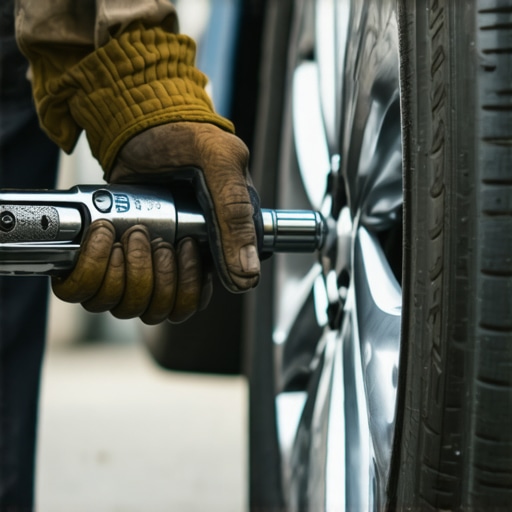
Why does the pedal still feel weird after a perfect bleed?
If you have bled your lines until the fluid runs clear and the pedal still feels like a sponge, you are likely dealing with a nuance most people overlook: the bypass test. You might be searching for how to tell if your master cylinder is failing internally. When the internal seals of the master cylinder perish, fluid can leak past the primary piston without ever hitting the ground. You get a soft pedal, but no visible leak. This is the ‘Oops’ factor that catches even seasoned mechanics. Always check the booster interface as well, or you might find yourself wondering how to tell if your brake booster is losing pressure, as a vacuum leak there can mimic a failing hydraulic system. To avoid stripping components during these deep dives, always remember the trick to replacing a spark plug without stripping threads or damaging soft aluminum bleeder valves: start every thread by hand and feel for the resistance before reaching for the ratchet.
The Critical Importance of the Air-Fuel Ratio
Modern performance isn’t about more fuel; it’s about the right chemistry. When people talk about tune-up your car for peak performance essential maintenance tips, they often skip the oxygen sensors. These sensors are the ‘nose’ of your car. If they are lazy—not dead, just slow—your fuel economy will tank before a check engine light even appears. Mastering how regular tune-ups improve fuel efficiency and safety means understanding that these sensors have a lifespan. Proactively replacing a slow sensor can save your catalytic converter from a premature death, which is a much more expensive lesson in understanding brake system repairs and general engine health than most realize.
The Tools That Saved My Sanity and My Wallet
I used to think a basic socket set and a dream were enough to keep my car on the road. I was wrong. After years of chasing ghosts in the engine bay, I realized that the difference between a frustrating weekend and a successful repair is often the precision of your equipment. For instance, I never touch a lug nut or a caliper bolt without my split-beam torque wrench. Unlike the cheaper click-type versions that can lose calibration if you forget to dial them back to zero, a split-beam stays accurate and gives a much more tactile ‘snap’ when you hit the mark. This level of precision is exactly how you maximize your cars lifespan with expert tune-up strategies. If you aren’t torquing your wheels in a star pattern to the exact foot-pound, you’re just waiting for the next vibration to start.
How do I maintain these results over the long haul?
Consistency is the secret sauce that separates the 200,000-mile cars from the scrap heap residents. I keep a dedicated digital logbook of every single bolt I turn. It sounds overkill, but when you can look back and see exactly when you last flushed the system, you stop guessing. This is the core of the ultimate car service guide when and why to schedule maintenance. You should be checking your fluid clarity every time you change your oil, not just once a year. If you notice a change in color or smell, you’re troubleshooting common auto repair issues before visiting the shop and potentially saving thousands on a new transmission or engine. According to the Bosch Automotive Handbook, even a 1% contamination in brake fluid can lower its boiling point by nearly 50 degrees Fahrenheit, which is why I use a dedicated moisture tester before every long road trip.

The Future of Your Garage is Data-Driven
As we head into 2025, the ‘grease monkey’ era is being replaced by the ‘data analyst’ era. I’ve started using bi-directional OBDII scanners that allow me to actually command the car’s computer to test components, like turning on a fuel pump or cycling an ABS solenoid, without taking anything apart. This shift toward digital diagnostics is one of the most important auto repair trends to watch in 2025 staying ahead of the curve. In the near future, we will see more cars offering over-the-air (OTA) maintenance alerts that tell you a part is about to fail before it actually breaks. For now, mastering how regular tune-ups improve fuel efficiency and safety is your best defense. I challenge you to try one advanced tip this weekend: get a digital multimeter and test the voltage drop across your battery terminals while someone cranks the engine. If it drops below 9.6 volts, your battery is on its last legs, even if it ‘seems’ fine today.
The Hard Truths About What Actually Kills Rotors
After years of greasy knuckles, I’ve realized that the ‘warped’ rotor is the most persistent myth in the driveway. Most of the time, the metal hasn’t bent; it’s been contaminated by uneven friction material because the hub wasn’t cleaned or the pads weren’t bedded. You can avoid this by following the simple way to bed in new brake pads properly from the start. Another lightbulb moment for me was realizing that caliper slide pins are the heart of the system—if they don’t slide, your rotors die. Finally, always remember that in the modern era, how regular tune-ups improve fuel efficiency and safety is often more about cleaning sensors than changing heavy hardware. If you are still chasing a vibration after doing everything right, you might be troubleshooting common auto repair issues before visiting the shop only to find that your wheel bearings were the true source of the lateral runout.
A Look Inside My Personal Diagnostic Arsenal
I don’t believe in guessing when it comes to safety. My toolkit has evolved from basic wrenches to precision instruments that save me thousands in the long run. I never start a brake job without a hub cleaning kit to ensure a mirror-flat mounting surface. For electrical and sensor work, I swear by a high-impedance digital multimeter; it’s the only way to verify sensor data without causing a short. I also keep a copy of the ultimate car service guide when and why to schedule maintenance on my phone to track every fluid flush and torque spec. These aren’t just gadgets; they are the gatekeepers of a 200,000-mile engine. If you want to maximize your cars lifespan with expert tune-up strategies, you need to invest in tools that offer data, not just leverage.
Your Path to a Vibration-Free Drive
Fixing your car shouldn’t feel like a recurring nightmare. By shifting your focus from ‘replacing parts’ to ‘maintaining systems,’ you break the cycle of expensive failures. Whether you are learning tune-up your car for peak performance essential maintenance tips or finally tackling that brake pulse, the key is patience and precision. Don’t be afraid to get your hands dirty—there is an incredible sense of freedom that comes with knowing exactly how your vehicle works and how to keep it safe. Even if you’re dealing with complex manual systems and how to tell if your clutch is slipping or just needs adjustment, the principles of systematic maintenance remain the same. Have you ever replaced your rotors only to have the shaking come back just a few weeks later? Let me know in the comments below, and let’s figure out what we missed.