

It was 3:00 PM in the middle of a July heatwave, and my ice cream was already sweating through the paper bag. I hopped into the driver’s seat, turned the key, and instead of the usual roar, I got a pathetic, slow womp-womp. My car had been running perfectly twenty minutes ago. Now? It was acting like it didn’t even know me. It’s a special kind of frustration when your vehicle decides to take a siesta right when you need it most. We’ve all been there, staring at the temperature gauge and wondering if we’re about to pay for a tow truck we can’t afford. Today, I’m going to show you exactly why this happens and why it’s usually a much simpler fix than your local mechanic might lead you to believe. [image]
That Sinking Feeling in the Grocery Store Parking Lot
If you are currently troubleshooting common auto repair issues before visiting the shop, you probably think your battery is the culprit. I made that exact mistake years ago. I spent nearly two hundred bucks on a high-end battery because I thought the North Carolina humidity had finally fried the cells. It didn’t change a thing. The real issue was heat soak affecting my starter solenoid. When your engine compartment gets that hot, electrical resistance increases significantly. According to technical data from The Engineering Toolbox, the resistance of copper wiring increases by about 0.4% for every degree Celsius rise in temperature. When you combine an already hot engine with a baking sun, your starter has to work twice as hard just to move.
Wait, is my car just too old for this?
Many people assume that “hot start” issues only happen to beat-up clunkers from the 90s, but that’s a total myth. Modern engines are packed so tightly for aerodynamics that they actually struggle to shed heat once you turn the key off. This is why following a car service checklist is so vital; it helps you spot failing heat shields before they let your starter bake. Sometimes the issue isn’t electrical at all, but rather fuel-related. Vapor lock can happen when the fuel in your lines literally turns into gas bubbles, preventing the pump from doing its job. If you suspect your fuel system is acting up, you can actually learn how to diagnose a bad fuel pump with a rubber mallet before you give up hope. Have you ever been stranded with a trunk full of melting groceries? I’d love to hear your story in the comments. By the time we’re done here, you’ll know how to differentiate between a dead battery and a heat-soaked engine, saving you a massive headache during the next heatwave. Referring to the ultimate car service guide can also give you a leg up on preventing these stalls entirely.
Beat the Heat Soak Before Calling a Tow
To figure out if your starter is actually failing or just “tired” from the heat, try the headlight test. Turn your beams on and watch them while a friend tries to crank the engine. If the lights stay bright and crisp but you hear a single ‘click,’ your battery is pushing plenty of juice, but the starter solenoid is likely stuck due to thermal expansion. Think of it like a wooden door that swells in the humidity; it’s still a door, it’s just too big for the frame right now. If the lights dim significantly, you’re looking at a weak battery or a bad connection. You can replace your own alternator if the charging system is the root cause, but usually, in a heatwave, it’s just the starter’s internal resistance skyrocketing.
The Headlight Trick for Quick Electrical Triage
I remember being stuck at a mountain trailhead in the middle of July. My old truck wouldn’t budge, and for a second, I thought I was hiking back. By using the headlights to gauge the voltage drop, I confirmed the battery wasn’t the issue. I ended up using a long screwdriver to briefly bridge the solenoid terminals—a trick that bypasses a heat-damaged signal wire. It fired right up. While messy and involving a few sparks, it proved that the heat was the primary enemy, not a dead battery.
Give Your Starter a Gentle Wake-Up Call
If you’re stranded, the ‘percussion’ method is your best friend. I once spent forty minutes in a humid parking lot until I crawled under with a tire iron and gave the starter casing a few firm—but not destructive—taps. This can jar the internal brushes back into contact. It’s a temporary fix that gets you home so you can perform a real tune up for peak performance. 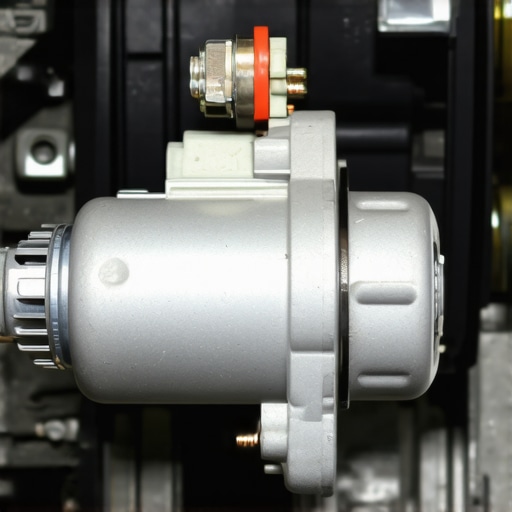
Address the Vapor Lock and Fuel Pressure Issues
Heat doesn’t just mess with wires; it turns your liquid fuel into a gas. This is vapor lock. When fuel boils in the lines, the pump can’t push gas bubbles through the fuel injectors. To test for this, listen for your fuel pump when you first turn the key to the ‘on’ position. You should hear a faint two-second hum. If it’s silent or sounds like a dying blender, the heat has gotten to it. You might need to diagnose a bad fuel pump with a rubber mallet just like I did with that old Ford back in ’12. A few thumps on the bottom of the fuel tank can sometimes prime a stubborn pump.
Keep Your Coolant Doing Its Job
Your engine’s ability to shed heat after it’s turned off depends heavily on the health of your cooling system. If your radiator is clogged or your coolant is five years old, the “heat soak” effect becomes much more extreme. You should determine the best time of year to flush your cooling system to prevent these high-temperature stalls. Also, pay attention to why your engine fans keep running after you park. If they aren’t running when they should be, the stagnant heat will bake your electrical components and fuel lines in minutes. If you hear a metallic buzzing from underneath, you might need to fix a rattling heat shield that’s no longer protecting your starter from the exhaust manifold’s intense glow.
Once you’ve successfully beaten the heat soak and your engine is humming again, do not fall into the ‘it is running fine’ trap. I see this constantly; owners think that because a check engine light isn’t glowing on the dash, they don’t need to worry about a real tune up for peak performance. But there is a massive difference between a car that simply runs and one that is actually optimized. Let’s talk about the biggest mistake I see in DIY auto repair: the ‘pad slap.’ Most people think a brake job is just swapping old pads for new ones. In my experience, if you don’t take the time to learn the proper way to break in new brake pads and rotors, you are essentially flushing half your money down the drain. Without creating a proper transfer layer of friction material on the rotor surface, you will end up with ‘warped’ rotors that are actually just unevenly coated, leading to that annoying steering wheel shake.
Stop Falling for the Lifetime Fluid Myth
Every manufacturer tells you that modern transmission fluid or brake fluid lasts for the ‘life of the vehicle.’ In my professional opinion, that is a dangerous half-truth. Brake fluid is hygroscopic, meaning it actively absorbs moisture from the atmosphere. Even if your reservoir looks full, that hidden water lowers the boiling point, leading to terrifying brake fade during heavy mountain driving or emergency stops. In fact, technical data from Bendix suggests that brake fluid can lose a significant portion of its protective properties in as little as twenty-four months. This is exactly why your brake fluid looks like coffee creamer when it’s long overdue for a flush.
Why does the pedal stay soft after a perfect bleed?
You have bled the lines three times, there is absolutely no air in the catch bottle, yet the pedal still feels like a sponge. This is where advanced troubleshooting is required. You might be dealing with an ‘invisible’ failure. I once spent an entire Saturday bleeding a system only to realize the rubber brake hoses had failed internally. They weren’t leaking, but they were ballooning outward under pressure instead of pushing the calipers. You need to know how to spot a collapsed brake hose in seconds before you start replacing expensive components. Sometimes the internal seals of the master cylinder are bypassng, and you will need to tell if your master cylinder is failing internally even if the exterior is bone dry.
The Hidden Danger of Extended Oil Intervals
We have been conditioned by marketing to believe that 10,000-mile oil changes are the gold standard. While the synthetic oil itself might hold up, the oil filter often reaches its capacity much earlier. Once that filter bypasses, you are circulating raw contaminants through your engine. To truly maximize your cars lifespan with expert tune-up strategies, I recommend ignoring the ‘on-board computer’ and sticking to a 5,000-mile window. Have you ever followed the ‘official’ maintenance schedule only to have a major component fail prematurely? Let me know your experience in the comments. Reviewing brake service myths or investigating the truth about 10000 mile oil change intervals will keep your car out of the scrap yard and on the road.I used to think my ears were my best diagnostic tool until a phantom misfire on my old SUV nearly drove me to the brink of insanity. I spent three weekends throwing parts at the problem—coils, plugs, even a fuel pressure regulator—only to realize the issue was a tiny hairline crack in a vacuum line that I couldn’t hear over the engine’s idle. That was the day I invested in a high-end OBD-II scanner and a Fluke 87V digital multimeter. If you want to stop the cycle of ‘repair and pray,’ you need to know how to tell if your computer is giving you a false error code before you start ripping out sensors. Shop-grade diagnostics are no longer just for the pros; they are the only way to navigate modern car service without going broke. According to technical guidelines from the National Institute for Automotive Service Excellence (ASE), nearly 75% of misdiagnosed repairs stem from a lack of proper electrical testing or failing to verify live data before part replacement. This is where most DIYers fail. They see a ‘Lean’ code and immediately buy an Oxygen sensor, forgetting that a dirty mass air flow sensor or a simple vacuum leak could be the culprit. Precision tools allow you to see the live data stream, showing you exactly what the ECU sees in real-time.
Stop Guessing and Start Measuring
When it comes to brake service or suspension work, my torque wrench is my most prized possession. I’ve seen too many ‘warped’ rotors that were actually caused by uneven lug nut tension. Learning the proper way to torque wheel bolts without a manual isn’t just about being a perfectionist; it’s about safety and component longevity. If you over-tighten, you stretch the studs; if you under-tighten, you risk a wheel departure at 70 mph. I personally use a split-beam torque wrench because it doesn’t need to be turned back to zero after every use, making it much more reliable for a busy weekend in the garage.
How do I keep my car reliable for the long haul?
Maintenance isn’t a one-time event; it’s a lifestyle for your vehicle. To maximize your cars lifespan with expert tune-up strategies, you need to think beyond the oil change. This means inspecting your CV boots for tears, checking your bushings for dry rot, and ensuring your grounds are clean of corrosion. I’ve found that how regular tune-ups improve fuel efficiency and safety is often overlooked because the gains are incremental. But those increments add up to a car that still feels tight and responsive at 200,000 miles.
The Digital Future of Your Driveway
As we look toward auto repair trends to watch in 2025—staying ahead of the curve, we’re seeing a shift toward ‘software-defined vehicles.’ In the very near future, you might not just be changing oil; you’ll be managing firmware updates. We are already seeing cars that can self-diagnose mechanical wear before a part even fails. My advice? Grab a digital multimeter this weekend and start by testing your battery’s resting voltage. It’s the easiest way to get comfortable with the electrical side of your car and will save you more money than any other tool in your box.
The Hardest Lessons I Learned While Turning Wrenches
Over the years, I’ve realized that the loudest part isn’t always the broken one. I once replaced an entire starter motor when the actual culprit was a loose battery terminal hidden under a plastic cover. Never skip the visual inspection; it is the most valuable ten minutes you can spend under the hood. Another lightbulb moment came when I stopped treating my dashboard lights like suggestions. If you are troubleshooting common auto repair issues before visiting the shop, always start with the simplest electrical connection first. Finally, I learned that a clean engine bay isn’t just about vanity—it makes finding leaks and heat-damaged wires ten times easier before they leave you stranded.
Gear That Lives in My Trunk Every Single Day
You don’t need a professional garage to keep your vehicle running, but you do need three specific tools that have saved my sanity more than once. First, a Digital Multimeter is non-negotiable for testing voltage drops and parasitic draws during a brutal heatwave. Second, I swear by my split-beam torque wrench; it ensures I’m following the proper way to torque wheel bolts without a manual every time I rotate my tires, preventing rotor warp. Lastly, a basic OBD-II scanner that can read live data will tell you more about your engine’s health than a dozen “test drives” ever could. These tools shift you from guessing to knowing.
Your Driveway is the Best Classroom
Don’t let the complexity of modern sensors and modules intimidate you. Most of the time, keeping your car on the road comes down to the basics: clean fluids, tight connections, and a little bit of patience. By taking the lead on your own tune up for peak performance, you aren’t just saving money; you’re gaining the peace of mind that comes from knowing exactly what’s happening under your feet at 70 mph. When you commit to a consistent car service routine and maximize your cars lifespan with expert tune-up strategies, you’re effectively bulletproofing your commute against the next record-breaking summer. Have you ever had a “ghost in the machine” problem that turned out to be a simple loose wire or a dirty sensor? Let me know in the comments below!